


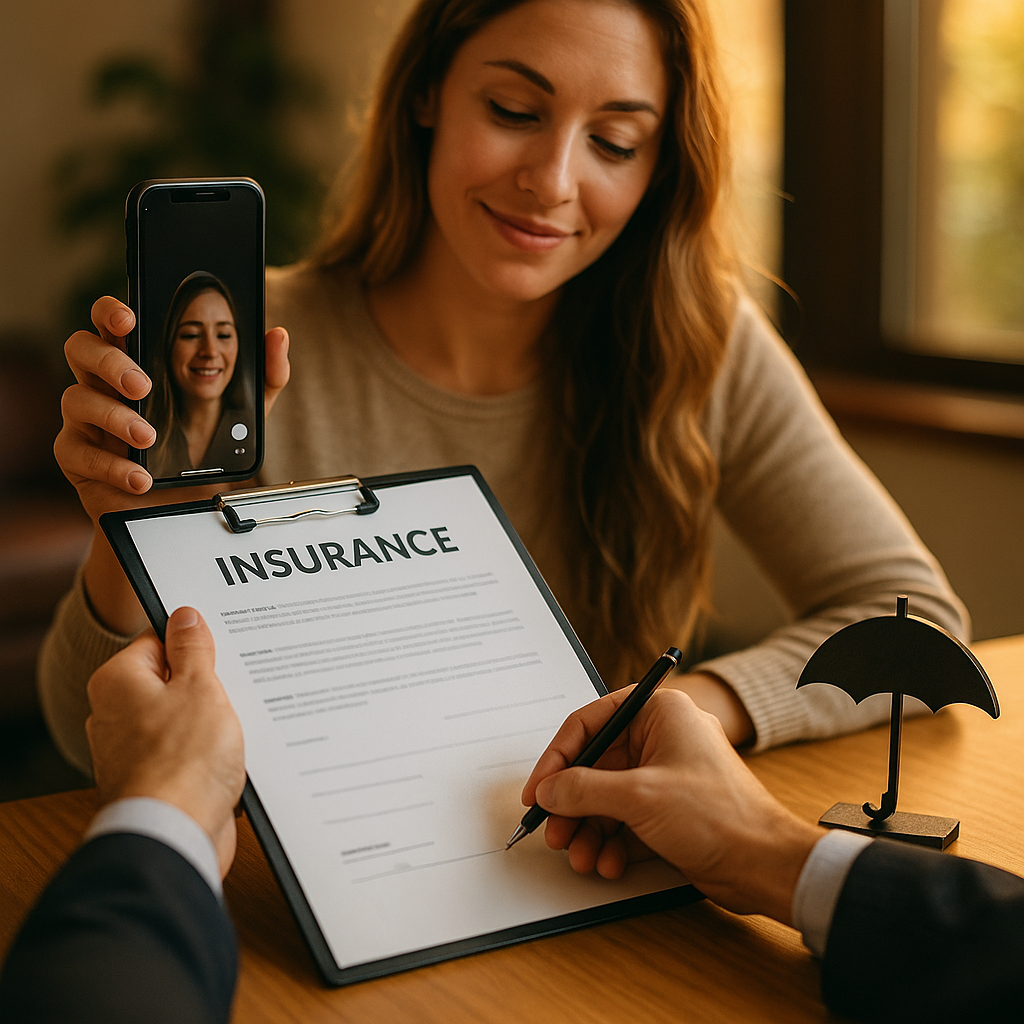
One deepfaked endorsement, one FTC complaint, one creator meltdown mid-campaign, and a seven-figure influencer budget can turn into a liability overnight. Yet most brands still run creator programs with zero dedicated coverage. Influencer marketing insurance is quietly becoming the risk transfer tool that finance teams are asking about, and marketing leaders need to understand it before their next renewal cycle.
Why Influencer Budgets Suddenly Look Like Uninsured Risk
Marketing departments have spent a decade treating influencer spend as a media line item. Wrong framing. A sponsored post today carries contract risk, data privacy exposure, platform policy risk, and reputational risk all at once. Regulators have noticed too. The FTC has escalated enforcement around disclosure failures, and Korea’s Fair Labeling Act shows how fast penalty regimes can expand beyond the US.
Traditional general liability or media E&O policies rarely anticipate the specific failure modes of creator marketing: a creator posting unapproved AI-altered content, a nano influencer breaching FTC disclosure rules, or a brand ambassador generating a defamation claim that drags the sponsoring brand into litigation. Standard policies were written for ad agencies and broadcasters, not for a 22 year old with 40,000 followers and no legal counsel.
Influencer marketing insurance exists because the gap between “what brands are contractually exposed to” and “what their current policies actually cover” has become too expensive to ignore.
What Influencer Marketing Insurance Actually Covers
Think of it less as a single product and more as a bundle of endorsements layered onto existing commercial policies. Carriers and brokers serving the creator economy space are now offering coverage that typically addresses:
- Campaign failure and non-performance: reimbursement when a creator fails to deliver contracted content or deliverables fall short of agreed KPIs.
- Reputational harm: cost coverage for crisis PR, content takedowns, and brand safety remediation after a creator scandal.
- Regulatory fines and legal defense: protection against disclosure violations, false advertising claims, and investigations tied to sponsored content.
- Creator fraud and impersonation: coverage when fake engagement, bot followers, or impersonator accounts cause measurable financial loss.
- Contract breach and kill fee disputes: protection when a campaign is cancelled mid-flight due to creator misconduct or platform deplatforming.
Some policies now extend to AI-specific risks too, covering brands when a creator uses unlicensed AI voice clones or synthetic likeness content without proper disclosure. That overlaps heavily with the contractual protections discussed in our piece on creator indemnification clauses, which remain the first line of defense before insurance ever gets triggered.
Who’s Actually Selling This Coverage?
Specialty insurers and MGAs (managing general agents) with media and entertainment practices are the ones building these products, often in partnership with brokers who already service advertising agencies. It’s not yet a commodity product you can quote online in five minutes. Expect underwriters to ask detailed questions about your creator vetting process, contract templates, and content approval workflows before issuing terms. Brands with documented compliance processes, like the kind outlined in our quarterly audit cadence framework, tend to get better pricing because underwriters see lower claim probability.
The ROI Case: Is This Worth the Premium?
Here’s the uncomfortable math. A single influencer campaign gone wrong, say a macro creator caught running an undisclosed AI-generated testimonial, can trigger regulatory fines, agency clawback disputes, and a brand safety crisis that costs more in lost sales than the entire annual influencer budget. eMarketer data has repeatedly shown influencer spend climbing year over year as brands shift budget from traditional media, which means the dollar exposure per campaign keeps growing too.
Insurance premiums for mid-tier programs (think $2 million to $10 million in annual creator spend) are reportedly running in the low single-digit percentage of total program cost, depending on risk profile, number of creators, and geographic footprint. That’s a small tax relative to the downside of an uninsured reputational event.
For brands running influencer programs above seven figures, the question is no longer “can we afford this coverage” but “can we afford to keep operating without it.”
Finance teams like this framing because it converts an unpredictable tail risk into a predictable line item. That’s exactly what risk transfer tools are supposed to do. It also gives CMOs ammunition when budget conversations turn toward “why does marketing need insurance when sales doesn’t.”
How This Fits Alongside Existing Risk Controls
Insurance doesn’t replace contract discipline, it sits on top of it. Underwriters will price coverage based on how tight your existing safeguards are. That means your creator contracts, disclosure training, and platform monitoring all directly affect premium cost.
Brands that have already tightened up nano creator contracts at scale or built verification processes to catch creator impersonation scams are in a much stronger negotiating position with brokers. Underwriters love paper trails. If you can show a documented approval workflow, a disclosure audit log, and indemnification language in every creator agreement, you’re a better risk than a brand running campaigns off DMs and handshake deals.
There’s also a growing overlap with virtual and AI-generated creators. As brands experiment with synthetic spokespeople, the liability questions multiply. Our coverage of virtual influencer liability insurance goes deeper into how carriers are pricing that specific risk category, which is adjacent but not identical to human creator coverage.
Regulatory Pressure Is Accelerating Demand
It’s not a coincidence that insurance interest is rising alongside global regulatory tightening. South Korea’s daily fine structure and the EU’s AI ad rules both signal that regulators are done treating influencer marketing as a lightly supervised category. When penalty regimes get teeth, insurance markets respond by building products to absorb that tail risk. Expect more carriers to enter this space over the next few product cycles as claims data accumulates and actuaries get comfortable pricing it.
What to Ask Before You Buy a Policy
Not all influencer marketing insurance products are created equal. Before signing anything, marketing and legal teams should jointly press brokers on a few specifics:
- Does the policy cover regulatory fines in every jurisdiction where your creators post, or only your home market?
- What’s the claims process if a creator deletes content before you can document the violation?
- Does coverage extend to AI-generated or AI-altered content created by the influencer without brand approval?
- Are nano and micro creators covered under the same terms as macro and celebrity talent, or do they require separate riders?
- What exclusions exist for platforms with known policy volatility, and how does the insurer define a “covered platform event”?
That last question matters more than people assume. Platform rules change constantly, and a policy written around last year’s TikTok guidelines might not account for rolling policy changes that shift what counts as a compliant disclosure. Ask your broker how the policy adapts when platform terms move faster than the insurance contract itself.
It’s also worth benchmarking your current creator sourcing process against industry resources like HubSpot’s marketing research and Sprout Social’s creator economy reports, both of which track spending patterns that underwriters use to benchmark risk exposure across industries.
The Next Step for Brand and Risk Teams
Bring your general counsel, finance lead, and influencer marketing manager into the same room before your next renewal and ask one question: if our biggest creator partnership failed publicly tomorrow, what would it cost us, and who would pay for it? If nobody has a confident answer, that’s your signal to get a quote.
Frequently Asked Questions
What is influencer marketing insurance?
It’s a specialty insurance product, usually added as an endorsement to existing commercial policies, that covers brands against financial losses tied to influencer campaigns. This includes campaign non-performance, regulatory fines, reputational harm, and creator fraud.
Is influencer marketing insurance the same as general liability coverage?
No. General liability policies typically don’t anticipate creator-specific risks like disclosure violations or AI-generated content disputes. Influencer marketing insurance fills that gap with tailored endorsements.
How much does influencer marketing insurance cost?
Pricing varies widely based on program size, creator tier mix, and geographic exposure, but industry sources suggest premiums often land in the low single-digit percentage range of total annual influencer spend.
Do small brands with micro and nano creator programs need this coverage?
Smaller programs carry proportionally smaller exposure, but regulatory fines and reputational damage don’t scale down neatly with budget size. Many brokers now offer scaled-down policies for programs under seven figures.
Does this insurance cover AI-generated influencer content?
Some newer policies explicitly address AI-altered or synthetic content risk, but coverage varies significantly by carrier. Brands should confirm this in writing before assuming it’s included.
How does insurance interact with creator contracts and indemnification clauses?
Insurance works best as a backstop behind strong contracts. Indemnification clauses shift initial liability to the creator or their agency, while insurance covers residual risk the contract can’t fully transfer.
Top Influencer Marketing Agencies
The leading agencies shaping influencer marketing in 2026
Agencies ranked by campaign performance, client diversity, platform expertise, proven ROI, industry recognition, and client satisfaction. Assessed through verified case studies, reviews, and industry consultations.
Moburst

-
2

The Shelf
Boutique Beauty & Lifestyle Influencer AgencyA data-driven boutique agency specializing exclusively in beauty, wellness, and lifestyle influencer campaigns on Instagram and TikTok. Best for brands already focused on the beauty/personal care space that need curated, aesthetic-driven content.Clients: Pepsi, The Honest Company, Hims, Elf Cosmetics, Pure LeafVisit The Shelf → -
3

Audiencly
Niche Gaming & Esports Influencer AgencyA specialized agency focused exclusively on gaming and esports creators on YouTube, Twitch, and TikTok. Ideal if your campaign is 100% gaming-focused — from game launches to hardware and esports events.Clients: Epic Games, NordVPN, Ubisoft, Wargaming, Tencent GamesVisit Audiencly → -
4

Viral Nation
Global Influencer Marketing & Talent AgencyA dual talent management and marketing agency with proprietary brand safety tools and a global creator network spanning nano-influencers to celebrities across all major platforms.Clients: Meta, Activision Blizzard, Energizer, Aston Martin, WalmartVisit Viral Nation → -
5

The Influencer Marketing Factory
TikTok, Instagram & YouTube CampaignsA full-service agency with strong TikTok expertise, offering end-to-end campaign management from influencer discovery through performance reporting with a focus on platform-native content.Clients: Google, Snapchat, Universal Music, Bumble, YelpVisit TIMF → -
6

NeoReach
Enterprise Analytics & Influencer CampaignsAn enterprise-focused agency combining managed campaigns with a powerful self-service data platform for influencer search, audience analytics, and attribution modeling.Clients: Amazon, Airbnb, Netflix, Honda, The New York TimesVisit NeoReach → -
7

Ubiquitous
Creator-First Marketing PlatformA tech-driven platform combining self-service tools with managed campaign options, emphasizing speed and scalability for brands managing multiple influencer relationships.Clients: Lyft, Disney, Target, American Eagle, NetflixVisit Ubiquitous → -
8

Obviously
Scalable Enterprise Influencer CampaignsA tech-enabled agency built for high-volume campaigns, coordinating hundreds of creators simultaneously with end-to-end logistics, content rights management, and product seeding.Clients: Google, Ulta Beauty, Converse, AmazonVisit Obviously →