


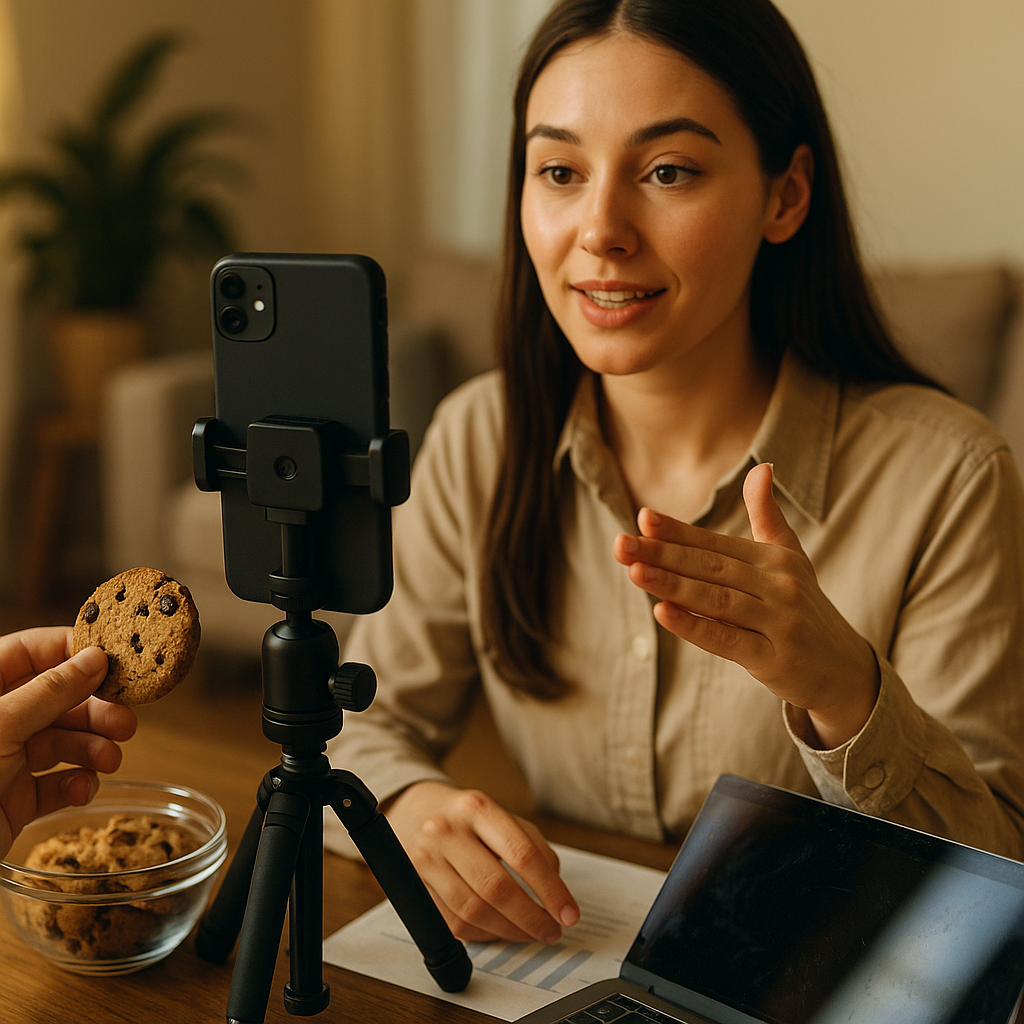
In a world where cookies are fading out, brands must rethink how they collect valuable customer insights. Learning how to use influencers to gather first-party data post-cookie is essential for success in the cookieless future. Ready to unlock strategies that drive results while respecting privacy? Read on for practical, actionable steps.
Why the Post-Cookie Era Demands New First-Party Data Strategies
The digital marketing landscape in 2025 has transformed. Third-party cookies, once the backbone of ad targeting, are disappearing from browsers due to privacy regulations and user demands. Marketers now face stricter limitations on tracking prospects across sites. According to a 2024 IAB study, 78% of CMOs identified first-party data as their top strategic priority in the post-cookie era.
Collecting data directly from your audience—through methods they agree to—delivers compliance and rich, authentic insights. Influencer partnerships excel here, generating high-quality engagements that encourage users to opt in and share their preferences.
How Influencer Partnerships Can Deliver Trustworthy Customer Insights
Brands can harness influencer marketing as a powerful engine for first-party data collection. Today’s consumers value authenticity: a 2025 Statista survey found that 82% of Gen Z trust recommendations from influencers over traditional ads. Influencers build communities rooted in trust, making their audiences more likely to interact, share, and consent to personalized experiences.
Here’s how influencers can drive compliant data-sharing:
- Clear Value Exchange: Influencers offer giveaways, exclusive content, or early access, making audiences willing to provide information in return.
- Consent-Driven Activations: Influencer-led forms, quizzes, and polls collect first-party data transparently—building brand goodwill.
- Deep Audience Understanding: By leveraging influencer-led surveys or Q&As, brands gather nuanced data directly from target demographics.
Designing Campaigns that Motivate Valuable Data Sharing
The key to effective influencer data collection campaigns is creating tangible value for your audience. Here’s how to tailor impactful programs:
- Personalized Experiences: Partner with influencers to invite followers into VIP clubs, tailored product launches, or closed communities—collecting preferences and contact information with clear user consent.
- Interactive Content: Use influencer-hosted polls, quizzes, or “Swipe Up” Instagram stories to collect insights in fun, low-friction ways. Always disclose how you’ll use audience data.
- Integrated Landing Pages: Collaborate on campaign landing pages (hosted on your platform), where influencers direct followers to share specific details in exchange for something valuable.
- Exclusive Benefits: Incentivize data sharing with contests, early access, or discounts couples to explicit opt-ins for continued engagement.
These approaches ensure your data collection remains GDPR and CCPA-compliant, while increasing the breadth and reliability of your first-party data pool.
Building Trust and Transparency Through EEAT Principles
Adhering to Google’s EEAT (Experience, Expertise, Authoritativeness, Trustworthiness) guidelines has become essential for both user confidence and search performance. Applying these principles in your influencer partnerships can set your brand apart:
- Experience: Choose influencers who display in-depth, real-use familiarity with your niche.
- Expertise: Work with creators experienced in your vertical—and recognized by your target market.
- Authoritativeness: Ensure influencers have a credentials-backed or audience-endorsed reputation.
- Trustworthiness: Practice full disclosure on data use, demonstrate a clear privacy commitment, and honor opt-outs immediately.
Use influencer partners to communicate your privacy standards proactively. For instance, have them explain why and how your brand collects data, reinforcing transparency and control for users.
Optimizing and Scaling Influencer-Driven First-Party Data Collection
To squeeze the most value out of influencer programs, optimization and scale are crucial. Here’s how to maximize first-party data collection with influencers:
- Test Various Incentives: See what benefits drive the highest-quality data from each audience segment—then refine offers continually.
- Integrate Seamlessly: Connect influencer data intake tools with your CRM and analytics, eliminating friction and ensuring actionable insights flow easily.
- Segment and Engage: Use the data to create lookalike audiences, personalize post-campaign messaging, and optimize future influencer partnerships with granular feedback.
- Monitor for Compliance: Audit all influencer campaigns for privacy regulation adherence, prioritizing user trust at every step.
- Measure ROI: Track opt-in rates, conversion values, and campaign impact—not just engagement metrics—to assess the true power of influencer-driven data collection.
Conclusion
Influencers are invaluable partners for gathering first-party data in 2025, with strategies rooted in user consent, trust, and genuine value. By designing transparent, interactive, and compliant influencer programs, brands gain reliable insights to drive next-level marketing. Remember: prioritize audience trust and EEAT-driven transparency for sustainable, post-cookie growth.
FAQs about Using Influencers to Gather First-Party Data Post-Cookie
-
Why are influencers important for post-cookie first-party data collection?
Influencers have trusted relationships with niche audiences, making followers more likely to engage, share, and opt in for personalized experiences. This boosts authentic, compliant data collection as third-party tracking fades away.
-
What first-party data can brands collect via influencer campaigns?
Brands can gather emails, preferences, purchase intent, behavioral data from forms or quizzes, and interests volunteered by users participating in influencer-led activations, always with explicit user consent.
-
How do influencer campaigns stay compliant with privacy regulations?
By using clear disclosures, opt-in forms, and transparent data use messaging, influencer campaigns adhere to GDPR, CCPA, and global standards. Partners should also support easy opt-out and data deletion requests.
-
What makes influencer-driven data higher quality than data from cookies?
First-party data from influencers comes directly from engaged, consenting users—making it more accurate and actionable than inferred behaviors from third-party cookies, which often lack context and freshness.
-
How can brands measure the ROI of influencer data collection?
Beyond likes and shares, brands should track opt-in rates, lifetime value of new customers, retention of influencer-acquired subscribers, and downstream conversions from campaigns powered by first-party insights.
Top Influencer Marketing Agencies
The leading agencies shaping influencer marketing in 2026
Agencies ranked by campaign performance, client diversity, platform expertise, proven ROI, industry recognition, and client satisfaction. Assessed through verified case studies, reviews, and industry consultations.
Moburst

-
2

The Shelf
Boutique Beauty & Lifestyle Influencer AgencyA data-driven boutique agency specializing exclusively in beauty, wellness, and lifestyle influencer campaigns on Instagram and TikTok. Best for brands already focused on the beauty/personal care space that need curated, aesthetic-driven content.Clients: Pepsi, The Honest Company, Hims, Elf Cosmetics, Pure LeafVisit The Shelf → -
3

Audiencly
Niche Gaming & Esports Influencer AgencyA specialized agency focused exclusively on gaming and esports creators on YouTube, Twitch, and TikTok. Ideal if your campaign is 100% gaming-focused — from game launches to hardware and esports events.Clients: Epic Games, NordVPN, Ubisoft, Wargaming, Tencent GamesVisit Audiencly → -
4

Viral Nation
Global Influencer Marketing & Talent AgencyA dual talent management and marketing agency with proprietary brand safety tools and a global creator network spanning nano-influencers to celebrities across all major platforms.Clients: Meta, Activision Blizzard, Energizer, Aston Martin, WalmartVisit Viral Nation → -
5

The Influencer Marketing Factory
TikTok, Instagram & YouTube CampaignsA full-service agency with strong TikTok expertise, offering end-to-end campaign management from influencer discovery through performance reporting with a focus on platform-native content.Clients: Google, Snapchat, Universal Music, Bumble, YelpVisit TIMF → -
6

NeoReach
Enterprise Analytics & Influencer CampaignsAn enterprise-focused agency combining managed campaigns with a powerful self-service data platform for influencer search, audience analytics, and attribution modeling.Clients: Amazon, Airbnb, Netflix, Honda, The New York TimesVisit NeoReach → -
7

Ubiquitous
Creator-First Marketing PlatformA tech-driven platform combining self-service tools with managed campaign options, emphasizing speed and scalability for brands managing multiple influencer relationships.Clients: Lyft, Disney, Target, American Eagle, NetflixVisit Ubiquitous → -
8

Obviously
Scalable Enterprise Influencer CampaignsA tech-enabled agency built for high-volume campaigns, coordinating hundreds of creators simultaneously with end-to-end logistics, content rights management, and product seeding.Clients: Google, Ulta Beauty, Converse, AmazonVisit Obviously →