


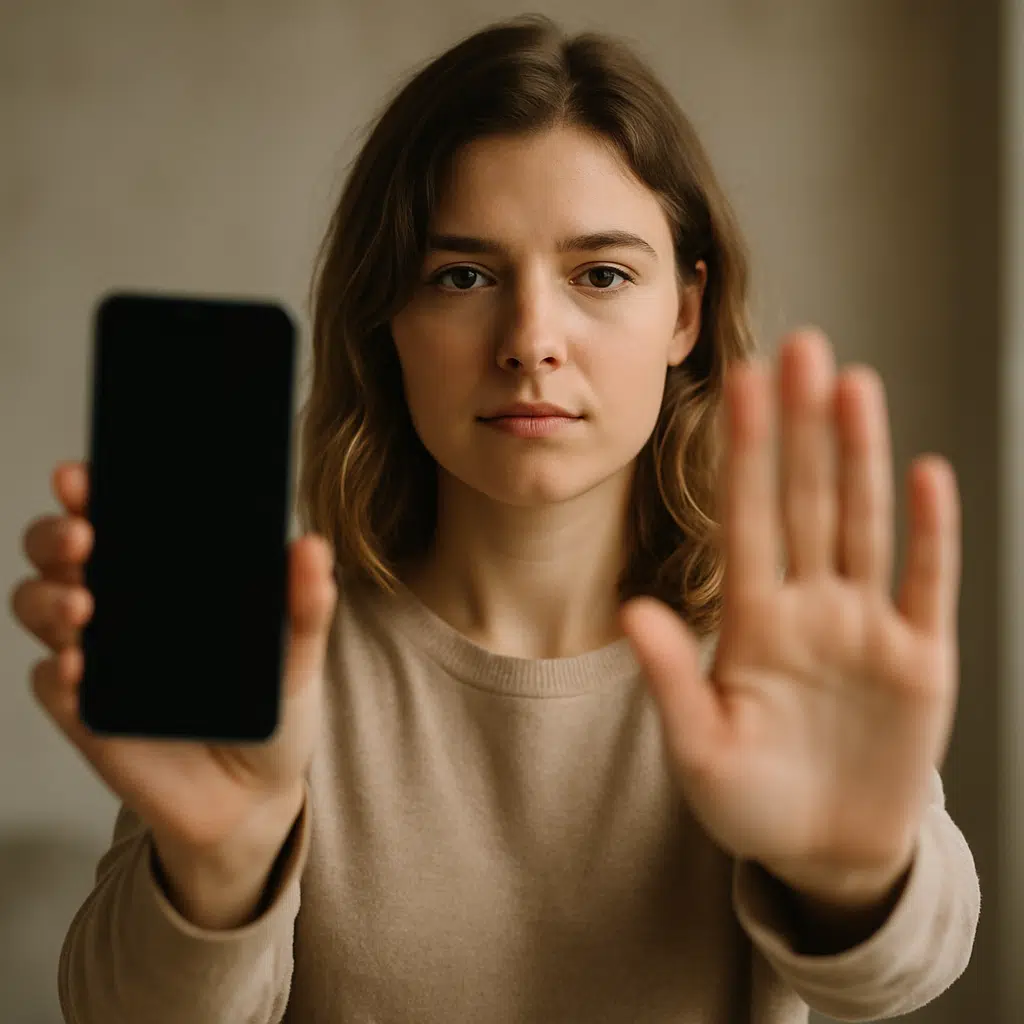
De-influencing in 2025 is rapidly transforming digital marketing, urging brands to prioritize authenticity and mindful consumerism over incessant promotion. As audiences crave real value and transparency, companies must rethink their strategies—or risk fading relevance. What does it take for brands to not just survive, but thrive amid this rising tide of skepticism and anti-consumption?
De-Influencing: The Rise of Authenticity and Anti-Consumption
The trend of de-influencing—where creators urge followers to avoid unnecessary purchases—has gained massive traction in 2025. Emerging from consumer fatigue and widespread distrust of aggressive marketing, the movement champions transparency, honest reviews, and conscious spending. The hashtag #deinfluencing now rivals traditional influencer marketing in reach, signaling a fundamental shift in digital culture.
A recent study by Social Insights Collective found that 64% of Gen Z and Millennials prefer brands that promote mindful consumption. Users now look to influencers who prioritize mental, financial, and environmental health over product placement, driving a powerful anti-consumption wave. In response, brands must demonstrate genuine value and social responsibility to establish lasting trust with their audiences.
Understanding the Drivers Behind De-Influencing in 2025
Multiple forces fuel de-influencing in 2025. Consumers, once enchanted by aspirational lifestyles, now seek relatability. Rising environmental concerns and economic pressures—such as inflation and increased living costs—make conspicuous consumption less appealing and less feasible. Transparency in advertising is now non-negotiable, with digital natives spotting misleading claims instantly.
Media watchdogs and platforms like TikTok and YouTube have also tightened policies around disclosure, fact-checking, and authenticity. This regulatory landscape rewards creators and brands who are upfront about sponsorships and product limitations. 81% of surveyed digital consumers in 2025 reported that they “trust a negative or mixed review more than a purely positive one,” further boosting the credibility of de-influencing content.
Strategies for Brands: Embracing Authenticity in Every Message
To thrive in a world dominated by de-influencing, brands must undergo a mindset shift. Pushing products is out; providing value is in. Here’s how leading brands are adapting:
- Encouraging Honest Reviews: Brands now invite creators to discuss not just the pros, but also the cons of their products. This honesty fosters credibility and long-term loyalty.
- Reducing Over-Promotion: Instead of frequent, hard-sell campaigns, successful brands in 2025 focus on exclusive launches, value-driven content, and thoughtful collaborations.
- Highlighting Sustainability: Companies are transparent about supply chains, waste reduction efforts, and product lifecycles, aligning with the values of environmentally conscious shoppers.
- Supporting Mindful Consumption: Some brands even promote repair, reuse, and recycling—helping customers make more sustainable choices, even if it means less immediate sales.
- Community-Driven Brand Evolution: By involving loyal customers in product development and storytelling, brands build authentic two-way relationships.
Integrating these approaches doesn’t just protect reputation—it leads to deeper customer relationships and organic growth.
Redefining Success: Measuring Impact Beyond Sales Numbers
Traditionally, brands have evaluated success by sales conversions, reach, and engagement rates. However, in the de-influencing era, these metrics alone are insufficient. In 2025, leading marketers track additional indicators:
- Long-term Brand Trust: Monitoring sentiment analysis, repeat advocacy, and Net Promoter Scores provides a more complete picture of audience loyalty.
- Content Interaction Quality: Instead of vanity metrics, brands assess the depth and value of conversations sparked in comments or community forums.
- Customer Retention and Return Rates: Lower product return rates and higher customer lifetime value outperform spike-driven metrics like campaign impressions.
- Sustainability Impact: The ability to communicate—and verify—environmental impact is becoming critical for brand health and audience engagement.
By aligning business objectives with these broader KPIs, brands can ensure their strategies resonate with today’s values-driven consumers.
Collaborating with the New Generation of Influencers
A new breed of creator has emerged in 2025: the “conscious influencer.” They are known for deeply researched content, willingness to share both pros and cons of products, and transparent relationships with brands. Instead of flashy hauls, these influencers focus on stories that connect products to real-world problems and solutions.
Developing effective partnerships requires:
- Genuine Vetting: Prioritize collaborations with creators who already embody your brand’s ethos, instead of simply chasing follower counts.
- Open Briefs: Allow influencers the creative freedom to share honest experiences, even if it means constructive criticism or highlighting limitations.
- Shared Value Creation: Co-develop resources—like sustainability guides or user communities—that benefit both the audience and the brand.
- Transparent Compensation: Clearly disclose partnerships to audiences, adhering to platform and regulatory requirements.
This partnership approach strengthens credibility for all parties and ensures brands are part of authentic conversations, not just marketing noise.
The Future Outlook: How De-Influencing Reshapes Brand Identity
The movement toward authenticity and anti-consumption is here to stay. While some brands may fear decreased sales in the short term, most industry leaders recognize the transformational value in playing the long game. Audiences in 2025 reward companies that act with integrity, prioritize sustainability, and foster genuine connection.
Experts predict that a brand’s perceived authenticity will soon outweigh traditional advertising spend as the single most important factor influencing purchase decisions for core demographics aged 18-34. Those who adapt now, embedding transparency and community into their operations, can look forward to enduring relevance and a loyal customer base—no matter how digital culture evolves.
FAQ: De-Influencing in 2025
- What is de-influencing in 2025?
De-influencing is a digital movement where influencers and audiences promote mindful spending and discourage unnecessary purchases, shifting focus onto transparency, honest reviews, and anti-consumption values. - Why is de-influencing important for brands?
Brands that do not adapt to de-influencing risk losing trust and relevance. Transparency, sustainability, and genuine engagement are now essential to meet evolving consumer expectations. - How can brands work with de-influencers?
Partner with creators who share your brand’s values, allow for honest feedback, and support transparent content—prioritizing community and credibility over sales pitches. - What metrics should brands track during this shift?
Focus on long-term trust indicators such as sentiment analysis, repeat advocacy, and the impact of sustainability efforts—beyond just sales or impressions. - Does de-influencing mean people are buying less?
Not necessarily less, but more consciously. Consumers still buy—but with a preference for products that are high-quality, sustainable, and genuinely improve their lives.
In 2025, de-influencing signals a clear demand for authenticity and thoughtful consumption. Brands that champion transparency, support informed choices, and build true community will secure their place in consumers’ hearts—and in the evolving digital marketplace.
Top Influencer Marketing Agencies
The leading agencies shaping influencer marketing in 2026
Agencies ranked by campaign performance, client diversity, platform expertise, proven ROI, industry recognition, and client satisfaction. Assessed through verified case studies, reviews, and industry consultations.
Moburst

-
2

The Shelf
Boutique Beauty & Lifestyle Influencer AgencyA data-driven boutique agency specializing exclusively in beauty, wellness, and lifestyle influencer campaigns on Instagram and TikTok. Best for brands already focused on the beauty/personal care space that need curated, aesthetic-driven content.Clients: Pepsi, The Honest Company, Hims, Elf Cosmetics, Pure LeafVisit The Shelf → -
3

Audiencly
Niche Gaming & Esports Influencer AgencyA specialized agency focused exclusively on gaming and esports creators on YouTube, Twitch, and TikTok. Ideal if your campaign is 100% gaming-focused — from game launches to hardware and esports events.Clients: Epic Games, NordVPN, Ubisoft, Wargaming, Tencent GamesVisit Audiencly → -
4

Viral Nation
Global Influencer Marketing & Talent AgencyA dual talent management and marketing agency with proprietary brand safety tools and a global creator network spanning nano-influencers to celebrities across all major platforms.Clients: Meta, Activision Blizzard, Energizer, Aston Martin, WalmartVisit Viral Nation → -
5

The Influencer Marketing Factory
TikTok, Instagram & YouTube CampaignsA full-service agency with strong TikTok expertise, offering end-to-end campaign management from influencer discovery through performance reporting with a focus on platform-native content.Clients: Google, Snapchat, Universal Music, Bumble, YelpVisit TIMF → -
6

NeoReach
Enterprise Analytics & Influencer CampaignsAn enterprise-focused agency combining managed campaigns with a powerful self-service data platform for influencer search, audience analytics, and attribution modeling.Clients: Amazon, Airbnb, Netflix, Honda, The New York TimesVisit NeoReach → -
7

Ubiquitous
Creator-First Marketing PlatformA tech-driven platform combining self-service tools with managed campaign options, emphasizing speed and scalability for brands managing multiple influencer relationships.Clients: Lyft, Disney, Target, American Eagle, NetflixVisit Ubiquitous → -
8

Obviously
Scalable Enterprise Influencer CampaignsA tech-enabled agency built for high-volume campaigns, coordinating hundreds of creators simultaneously with end-to-end logistics, content rights management, and product seeding.Clients: Google, Ulta Beauty, Converse, AmazonVisit Obviously →