


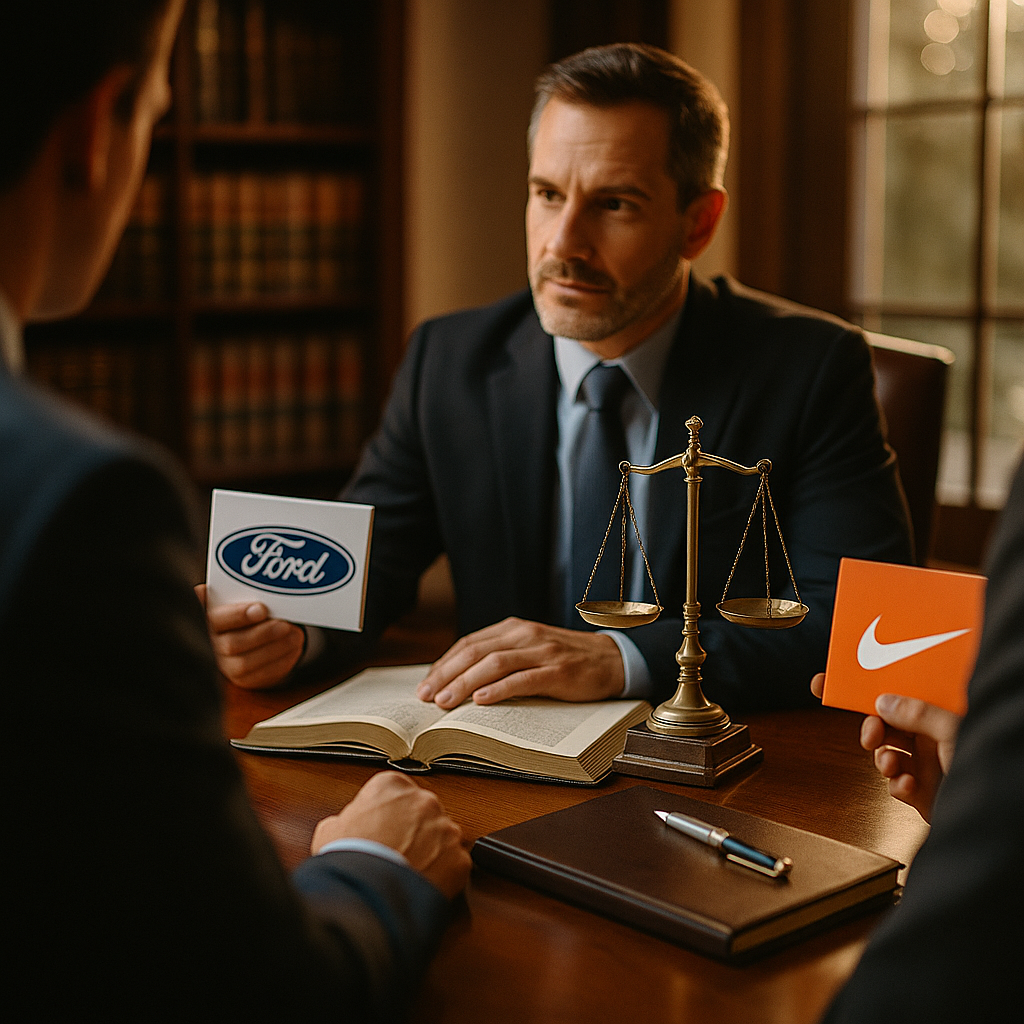
The legal framework for co-branded products that involve three or more parties is complex, requiring precise agreements, robust risk mitigation, and compliance with regulatory expectations. As collaborations between multiple brands grow in 2025, understanding these legal intricacies is crucial for business success. Ready to unlock how multi-party co-branding can work legally—and profitably—for your enterprise?
Understanding Multi-Party Co-Branding Agreements
Multi-party co-branding agreements are more intricate than traditional collaborations between just two brands. When three or more entities join forces, partnerships may involve manufacturers, distributors, licensors, and service providers, each bringing assets such as trademarks, technologies, or unique audiences. In 2025, legal professionals emphasize the importance of comprehensive, tailored contracts that clarify roles, responsibilities, intellectual property (IP) ownership, revenue sharing, and dispute resolution mechanisms.
Multi-party agreements typically include:
- Description of roles and deliverables: Outlining what each party contributes and their expected output.
- IP and branding rights: Specifying who owns which trademarks, copyrights, and patents, and how they may be used.
- Financial terms: Detailing how profits, losses, and costs are allocated.
- Duration and termination clauses: Establishing the agreement’s time frame and exit strategies for withdrawing parties.
Precise contracts reduce ambiguity, prevent disputes, and protect all stakeholders, especially when navigating overlapping or competing interests.
Key Legal Considerations for Brand Collaboration
Co-branded products involving three or more parties come with distinctive legal considerations. Protecting each brand’s reputation and ensuring consumer safety are top priorities in 2025. Legal experts advise focusing on:
- Brand Integrity: Ensure that each partner’s guidelines for logo, messaging, and product presentation are integrated into all creative and marketing deliverables. Cohesive brand management maintains the value of each party’s public image.
- Product Liability: Assign responsibility for product testing, safety certifications, and post-market monitoring. All brands must understand their exposure to liability and agree on which party leads in crisis scenarios such as product recalls.
- Competition Law Compliance: Additional brands raise red flags for anti-trust scrutiny. Agreements must not unlawfully limit competition or create monopolistic practices, especially in cross-border contexts where antitrust laws vary.
Addressing these issues proactively in contracts preserves trust and prevents reputational damage, allowing the collaboration to adapt if legal standards evolve.
Intellectual Property and Trademark Challenges
Co-branding with multiple partners magnifies intellectual property challenges. Each brand usually has distinct patents, copyrights, and trademarks. To protect these assets, agreements must:
- Clearly outline how each party’s IP may be used across all co-branded products, packaging, and promotional materials.
- Define permitted and prohibited uses to avoid brand dilution, counterfeiting, and unauthorized modifications.
- Set rules for registering joint trademarks or sub-licensing rights to third parties.
Frequently, new trademarks or design elements are created solely for the co-branded product. The agreement should specify the ownership of these new assets, including what happens if the partnership dissolves. Ongoing monitoring, registration, and enforcement are critical, especially for global or digital-first collaborations in 2025, where IP infringement risks are heightened.
Risk Management and Dispute Resolution in Complex Co-Branding
Risk allocation is essential for co-branded products involving three or more parties. Beyond contractual safeguards, prudent partners implement rigorous risk management processes to address potential pitfalls:
- Insurance: Acquire comprehensive insurance policies, covering product liability, IP disputes, and supply chain interruptions. Each partner must understand their coverage and obligations when claims arise.
- Dispute Resolution: Clearly define procedures for addressing disagreements. Multi-tiered dispute resolution—such as negotiation, mediation, then arbitration—helps resolve issues efficiently. Specify governing law and jurisdiction, especially for international collaborations where legal systems differ.
- Audit and compliance rights: Allow for monitoring of quality, usage of IP, and compliance with partnership terms. Regular audits prevent breaches and ensure continued alignment.
Having robust contingency measures allows each party to act quickly when challenges occur, preventing costly escalations or legal action that could harm all brands involved.
Regulatory and Consumer Protection Compliance
Multi-brand partnerships must ensure their products comply with all regulatory requirements, which may be more complex in 2025 due to evolving global standards on safety, sustainability, advertising, and data privacy. Important regulatory considerations include:
- Labeling and Marketing Claims: Jointly branded products must comply with laws governing product descriptions, origin declarations, and advertising statements in every market where they’re sold.
- Data Protection: Cross-brand loyalty programs or digital platforms increase data sharing. All participating parties must ensure robust compliance with data privacy regulations, such as the GDPR and newer 2025 international frameworks.
- Sustainability and Ethical Sourcing: Co-branded products are often scrutinized for environmental impact. Agreements should reflect each brand’s sustainability commitments and ensure all parties meet current regulations and standards for ethical supply chain management.
Staying up to date with emerging regulations is non-negotiable, as lapses can quickly damage public trust in all brands involved and attract regulatory penalties.
Best Practices for Structuring Co-Branded Partnerships in 2025
Drawing from industry leaders’ experiences, the most successful triple or multi-party co-branded ventures adhere to several best practices:
- Early and Transparent Communication: Bring all parties into discussions as early as possible to align objectives and identify incompatibilities before signing agreements.
- Unified Governance: Establish a dedicated management team with representatives from each partner to oversee decision-making, brand compliance, and execution.
- Clearly Documented Processes: Maintain detailed, accessible records of every agreement, amendment, and approval. Assign responsibility for change management.
- Continuous Legal Review: Update agreements to reflect changes in business operations, regulations, or technological capabilities as the partnership evolves.
- Customer-Centric Collaboration: Prioritize seamless customer experiences. Align on quality assurance, service standards, and feedback mechanisms to ensure the joint product’s success in the market.
By prioritizing these principles, partners can navigate the legal framework confidently, minimize risks, and maximize the potential of multi-brand synergies.
Conclusion: Building Resilient Multi-Party Co-Branding Strategies
The legal framework for co-branded products involving three or more parties demands thorough planning, clear communication, and proactive compliance. By mastering legal, IP, and regulatory requirements, brands create lasting, innovative collaborations that deliver value—and withstand today’s fast-evolving marketplace.
FAQs: Legal Aspects of Three-Party or Multi-Party Co-Branding
-
What is a multi-party co-branding agreement?
A multi-party co-branding agreement is a legal contract that outlines the roles, rights, and responsibilities of three or more entities collaborating to produce and market a co-branded product or service.
-
How do brands share intellectual property in multi-party co-branding?
Brands specify in the agreement how existing and newly created intellectual property can be used, which rights are granted or retained, and how disputes or joint ownership issues are managed.
-
Who is liable if a co-branded product fails or causes harm?
Liability is typically allocated by the contract, which may assign responsibility based on each party’s role (e.g., manufacturer or marketer). Insurance and indemnity clauses help manage financial exposure.
-
What are the key risks in co-branding among three or more parties?
Key risks include unclear contract terms, IP disputes, reputational damage, regulatory non-compliance, and difficulties in dispute resolution. Careful planning and robust legal frameworks help mitigate these issues.
-
What should be included in a multi-party co-branding agreement?
Include clear statements of each party’s roles, IP rights, financial terms, risk allocation, regulatory compliance, termination processes, and dispute resolution methods to ensure a smooth partnership.
Top Influencer Marketing Agencies
The leading agencies shaping influencer marketing in 2026
Agencies ranked by campaign performance, client diversity, platform expertise, proven ROI, industry recognition, and client satisfaction. Assessed through verified case studies, reviews, and industry consultations.
Moburst

-
2

The Shelf
Boutique Beauty & Lifestyle Influencer AgencyA data-driven boutique agency specializing exclusively in beauty, wellness, and lifestyle influencer campaigns on Instagram and TikTok. Best for brands already focused on the beauty/personal care space that need curated, aesthetic-driven content.Clients: Pepsi, The Honest Company, Hims, Elf Cosmetics, Pure LeafVisit The Shelf → -
3

Audiencly
Niche Gaming & Esports Influencer AgencyA specialized agency focused exclusively on gaming and esports creators on YouTube, Twitch, and TikTok. Ideal if your campaign is 100% gaming-focused — from game launches to hardware and esports events.Clients: Epic Games, NordVPN, Ubisoft, Wargaming, Tencent GamesVisit Audiencly → -
4

Viral Nation
Global Influencer Marketing & Talent AgencyA dual talent management and marketing agency with proprietary brand safety tools and a global creator network spanning nano-influencers to celebrities across all major platforms.Clients: Meta, Activision Blizzard, Energizer, Aston Martin, WalmartVisit Viral Nation → -
5

The Influencer Marketing Factory
TikTok, Instagram & YouTube CampaignsA full-service agency with strong TikTok expertise, offering end-to-end campaign management from influencer discovery through performance reporting with a focus on platform-native content.Clients: Google, Snapchat, Universal Music, Bumble, YelpVisit TIMF → -
6

NeoReach
Enterprise Analytics & Influencer CampaignsAn enterprise-focused agency combining managed campaigns with a powerful self-service data platform for influencer search, audience analytics, and attribution modeling.Clients: Amazon, Airbnb, Netflix, Honda, The New York TimesVisit NeoReach → -
7

Ubiquitous
Creator-First Marketing PlatformA tech-driven platform combining self-service tools with managed campaign options, emphasizing speed and scalability for brands managing multiple influencer relationships.Clients: Lyft, Disney, Target, American Eagle, NetflixVisit Ubiquitous → -
8

Obviously
Scalable Enterprise Influencer CampaignsA tech-enabled agency built for high-volume campaigns, coordinating hundreds of creators simultaneously with end-to-end logistics, content rights management, and product seeding.Clients: Google, Ulta Beauty, Converse, AmazonVisit Obviously →