


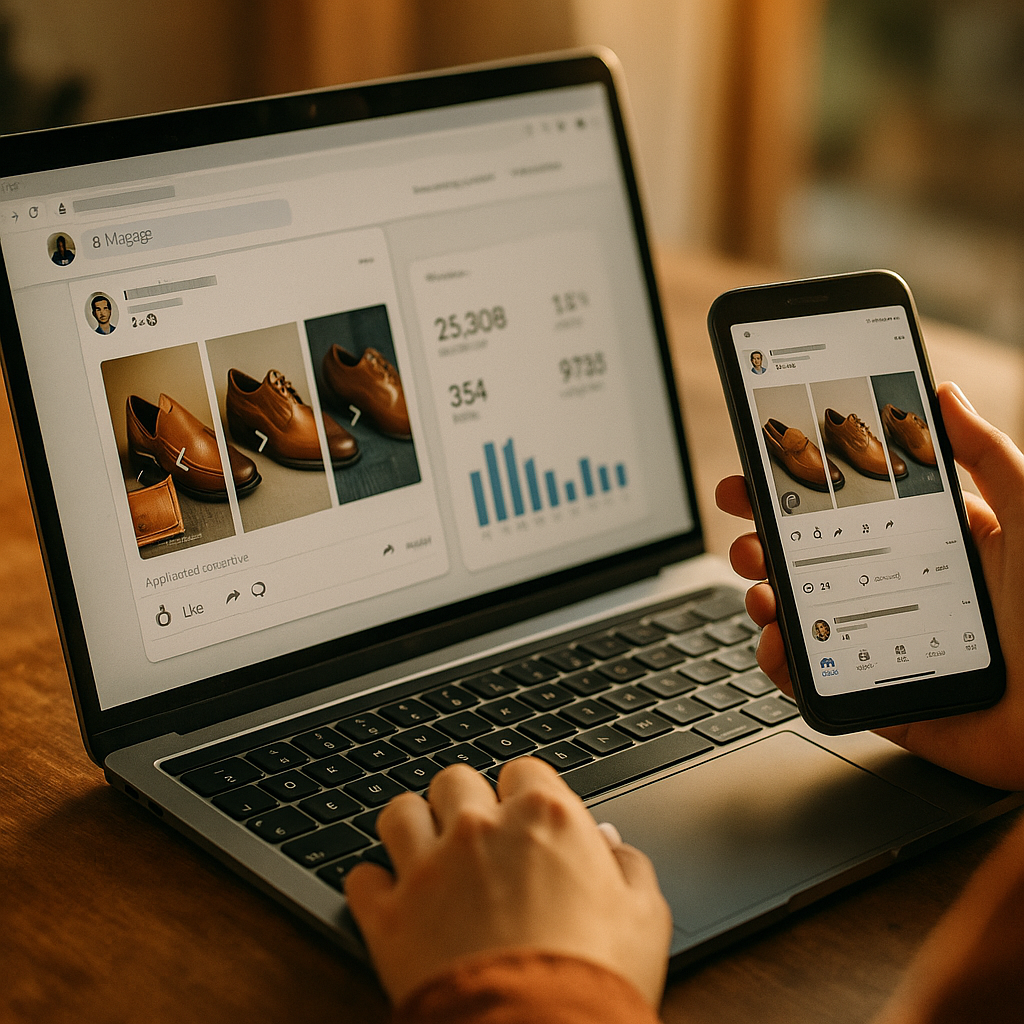
Only 3% of B2B marketers say they’re satisfied with their LinkedIn ad performance, according to recent benchmarking surveys, yet carousel ads featuring creator content routinely outperform static image ads by double digits on engagement. If your paid social budget is still funding generic brand creative while ignoring the thought leaders already driving organic conversation, you’re leaving reach on the table. LinkedIn carousel ads built from creator content close that gap, and they do it without the production costs of a traditional campaign shoot.
Why Carousels, Why Now
LinkedIn’s algorithm has been quietly tightening organic reach for brand pages over the past year. Marketers who built audiences through consistent posting are watching impressions plateau even as follower counts climb. That shift alone makes paid amplification less optional and more operational necessity. Carousels specifically reward swipe behavior, and swipe behavior is a stronger engagement signal than a passive scroll past a single image.
Creator content adds a second layer of advantage. B2B buyers trust individual voices more than corporate feeds, especially in categories like SaaS, fintech, and professional services where the buying committee is researching vendors long before a sales call happens. Pairing a creator’s carousel narrative with paid distribution lets you control reach while preserving the credibility that made the organic post work in the first place.
Carousels built from creator-authored insights consistently show higher dwell time than brand-authored static ads, because the swipe mechanic forces an active decision to keep reading rather than a passive scroll past.
What Makes a Creator Carousel Different From a Branded One
A branded carousel usually leads with a logo and a value proposition. A creator carousel leads with a problem the reader recognizes, often in the creator’s own voice and formatting quirks. That difference matters more than it sounds. LinkedIn’s feed algorithm and its users both penalize content that reads like an ad. Keeping the creator’s native structure, including their slide numbering style, their tone, even their typos if they’re part of the voice, preserves the signal that got the content noticed organically.
Practically, this means your paid amplification workflow needs a lighter editorial touch than a typical ad production cycle. You’re not storyboarding from scratch. You’re identifying content that already resonates and packaging it for spend. That’s a fundamentally different operational model, and it’s one most agencies and in-house teams haven’t fully adapted their briefing processes for yet.
Sourcing Content Worth Amplifying
Not every organic post deserves a budget. Look for carousels that already cleared an engagement threshold organically, typically a comment-to-impression ratio above your account average, before you commit spend. This is the same logic brands use when evaluating creator handle ads for CTR lift on other platforms: let the organic data tell you what’s worth paying to extend, rather than guessing upfront.
- Pull performance data from the past 30 to 60 days, not just the most recent week.
- Prioritize carousels with a clear narrative arc across slides rather than list-style content that loses momentum by slide four.
- Check whether the creator has usage rights language in their contract covering paid amplification, not just organic posting.
- Flag any slide containing unverified claims or statistics that your compliance team hasn’t reviewed.
Setting Up the Campaign Without Breaking Compliance
LinkedIn’s ad platform lets you boost a creator’s existing post directly through Thought Leader Ads, or you can rebuild the carousel as a standalone ad unit tied to your company page. Each path has tradeoffs. Boosting the original post retains the creator’s authorship badge and comment thread, which keeps the authenticity signal intact. Rebuilding gives you more control over tracking and CTA placement but strips some of the social proof.
For regulated industries, financial services, healthcare, and anything touching HR or compliance claims, the rebuild path is often safer because it lets legal review the final creative before spend goes live. This mirrors the governance concerns brands navigate with creator handle ad compliance on other paid social platforms, where disclosure and claim accuracy carry real regulatory weight.
Whichever path you choose, document the creator’s disclosure language. The FTC has been explicit that sponsored content, even when amplified through paid media rather than posted organically, still requires clear and conspicuous disclosure. Review the FTC’s endorsement guidance before your first campaign goes live, and build disclosure checks into your creative approval workflow rather than treating it as a one-time legal sign-off.
Budget Allocation: What This Actually Costs
LinkedIn ad costs run higher than most social platforms, with average cost-per-click figures that can exceed $5 to $8 depending on targeting specificity and industry vertical, according to benchmarking data from HubSpot’s marketing research. Creator carousels don’t automatically reduce that CPC, but they do tend to improve downstream conversion rates because the content arrives with built-in credibility.
A reasonable starting allocation for a mid-size B2B brand testing this tactic: 15 to 20% of total LinkedIn paid budget directed toward creator carousel amplification, run as a distinct line item so you can isolate performance against your standard brand creative. Give each test a minimum four-week window before judging results. LinkedIn’s algorithm needs time to optimize delivery, and carousel engagement patterns often take longer to stabilize than single-image ad patterns.
Treat creator carousel amplification as a distinct budget line, not a sub-tactic buried inside general brand awareness spend. Isolating the data is the only way you’ll know if it’s actually working.
Targeting: Narrower Is Usually Better
LinkedIn’s targeting strength is also its trap. You can slice an audience by job function, seniority, company size, and industry simultaneously, which feels powerful until your audience shrinks below the platform’s effective delivery threshold. For creator carousels specifically, resist the urge to target as broadly as possible to “maximize reach.” A carousel built around a niche operational insight, say, a procurement workflow problem, performs better against a tightly defined audience of procurement and operations titles than against a generic “marketing professionals” bucket.
Layer in matched audiences from your CRM where possible. Retargeting warm leads with creator carousel content tends to outperform cold prospecting, since the content format rewards readers who are already somewhat invested in the topic enough to swipe through multiple slides.
Measuring What Matters
Standard LinkedIn ad metrics, impressions, clicks, CTR, only tell part of the story for carousel formats. Track slide-level completion rate if you have access to it through LinkedIn’s Campaign Manager reporting, because drop-off patterns tell you exactly where the narrative loses the reader. A carousel that loses 40% of viewers between slide two and three has a structural problem, not a targeting problem.
Attribution gets trickier when creators are involved, since you’re often measuring both the amplified post’s performance and its halo effect on the creator’s broader organic reach. This is a similar measurement challenge to what brands face when comparing partnership ads against branded content on Meta, where the format and the authorship both influence outcomes independently.
Pull in third-party benchmarking where you can. Sprout Social’s social media benchmarks and eMarketer’s platform research both publish periodic LinkedIn engagement data that’s useful for sanity-checking whether your results are actually strong or just feel strong in isolation.
Common Mistakes That Kill Performance
The biggest failure mode is over-polishing creator content before amplification. Marketing teams see a raw carousel performing well organically and instinctively want to “improve” it with brand colors, a logo watermark, and tighter copy. Every one of those changes strips authenticity signal and usually drags performance down. Resist the redesign impulse.
Second mistake: ignoring frequency caps. Carousel ads have more content to absorb than static images, and hitting the same audience too often with a multi-slide format causes fatigue faster than you’d expect. Cap frequency around 3 to 4 impressions per user per week for carousel formats specifically.
Third: treating the creator relationship as transactional. Creators whose content gets amplified well deserve to know it, and ideally deserve a performance-based bonus structure if your contract allows it. This isn’t just goodwill. Creators who understand their content performs well in paid amplification tend to structure future posts with that dual purpose in mind, organic and paid, which makes your next sourcing cycle easier. For a broader view of how pay structures affect creator output quality, see how creator pay models affect margin fit in adjacent paid amplification contexts.
How This Fits Your Broader Creator Strategy
LinkedIn carousel amplification shouldn’t operate as an isolated tactic. It works best as one channel within a coordinated B2B creator program that also considers where your audience spends attention outside LinkedIn. If your creators are also active on newsletter platforms or niche communities, cross-reference performance patterns. Brands navigating newsletter sponsorship vetting often find the same creators who write strong long-form content also produce the strongest carousel narratives, since both formats reward structured thinking over quick hot takes.
Keep an eye on LinkedIn’s own algorithm shifts too. Recent changes to how the platform weighs dwell time and comment quality have real implications for paid amplification strategy, and teams that adapted early to the LinkedIn algorithm shift are seeing better organic-to-paid synergy than teams still running last year’s playbook. Review LinkedIn’s official business resources quarterly, since ad product updates roll out faster than most teams track.
Next step: Audit your last 90 days of organic creator posts, flag the top three carousels by engagement ratio, and run a four-week paid test against a narrow, CRM-matched audience before committing further budget. Let the data decide your allocation, not the format’s novelty.
Frequently Asked Questions
What is a LinkedIn carousel ad and how does it differ from a standard sponsored post?
A LinkedIn carousel ad is a paid ad unit that lets viewers swipe through multiple image or card slides within a single feed post. Unlike a standard sponsored post, which shows one static image or video, carousels reward active engagement through the swipe mechanic, which tends to produce higher dwell time and better completion-based engagement metrics.
Can brands legally amplify creator content through paid LinkedIn ads?
Yes, provided the brand has clear usage rights specified in the creator agreement covering paid amplification, not just organic posting. Disclosure requirements from the FTC still apply, meaning sponsored content must carry clear and conspicuous labeling even when distributed through paid media.
How much should a B2B brand budget for creator carousel amplification on LinkedIn?
A reasonable starting point is 15 to 20% of total LinkedIn paid budget as a distinct test line item, run for a minimum of four weeks to allow the algorithm to stabilize delivery before evaluating results.
Should brands redesign creator content before running it as a paid ad?
Generally, no. Heavy redesigns that add brand colors, logos, or overly polished copy tend to strip the authenticity signal that made the content perform well organically in the first place. Minor compliance edits are fine, full creative overhauls usually aren’t.
What metrics matter most for evaluating LinkedIn carousel ad performance?
Beyond standard CTR and impressions, track slide-level completion rate and drop-off points through Campaign Manager reporting. These reveal exactly where the narrative loses the reader, which is more actionable than aggregate engagement numbers alone.
Top Influencer Marketing Agencies
The leading agencies shaping influencer marketing in 2026
Agencies ranked by campaign performance, client diversity, platform expertise, proven ROI, industry recognition, and client satisfaction. Assessed through verified case studies, reviews, and industry consultations.
Moburst

-
2

The Shelf
Boutique Beauty & Lifestyle Influencer AgencyA data-driven boutique agency specializing exclusively in beauty, wellness, and lifestyle influencer campaigns on Instagram and TikTok. Best for brands already focused on the beauty/personal care space that need curated, aesthetic-driven content.Clients: Pepsi, The Honest Company, Hims, Elf Cosmetics, Pure LeafVisit The Shelf → -
3

Audiencly
Niche Gaming & Esports Influencer AgencyA specialized agency focused exclusively on gaming and esports creators on YouTube, Twitch, and TikTok. Ideal if your campaign is 100% gaming-focused — from game launches to hardware and esports events.Clients: Epic Games, NordVPN, Ubisoft, Wargaming, Tencent GamesVisit Audiencly → -
4

Viral Nation
Global Influencer Marketing & Talent AgencyA dual talent management and marketing agency with proprietary brand safety tools and a global creator network spanning nano-influencers to celebrities across all major platforms.Clients: Meta, Activision Blizzard, Energizer, Aston Martin, WalmartVisit Viral Nation → -
5

The Influencer Marketing Factory
TikTok, Instagram & YouTube CampaignsA full-service agency with strong TikTok expertise, offering end-to-end campaign management from influencer discovery through performance reporting with a focus on platform-native content.Clients: Google, Snapchat, Universal Music, Bumble, YelpVisit TIMF → -
6

NeoReach
Enterprise Analytics & Influencer CampaignsAn enterprise-focused agency combining managed campaigns with a powerful self-service data platform for influencer search, audience analytics, and attribution modeling.Clients: Amazon, Airbnb, Netflix, Honda, The New York TimesVisit NeoReach → -
7

Ubiquitous
Creator-First Marketing PlatformA tech-driven platform combining self-service tools with managed campaign options, emphasizing speed and scalability for brands managing multiple influencer relationships.Clients: Lyft, Disney, Target, American Eagle, NetflixVisit Ubiquitous → -
8

Obviously
Scalable Enterprise Influencer CampaignsA tech-enabled agency built for high-volume campaigns, coordinating hundreds of creators simultaneously with end-to-end logistics, content rights management, and product seeding.Clients: Google, Ulta Beauty, Converse, AmazonVisit Obviously →