


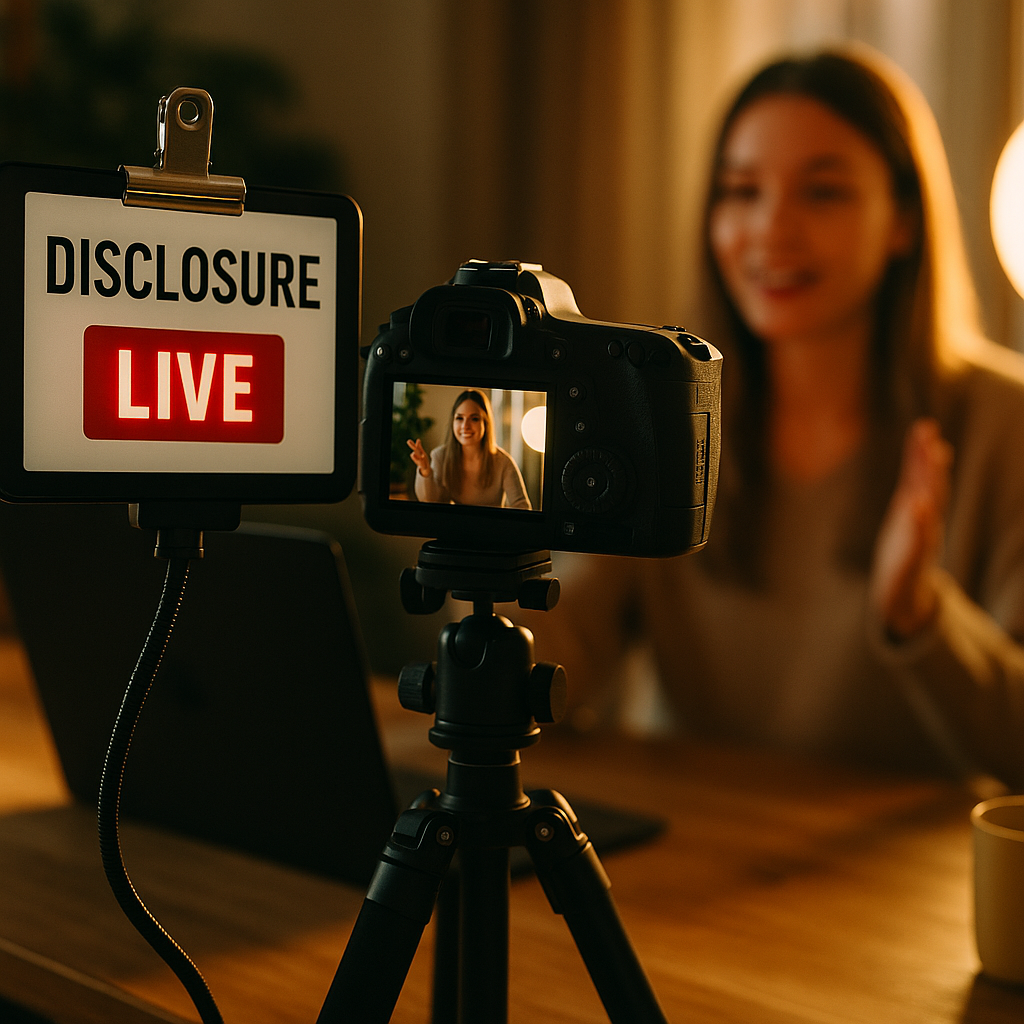
The introduction of new disclosure requirements for live creator streams in 2025 is transforming how influencers and brands interact online. As regulatory bodies tighten rules to foster transparency, both seasoned streamers and new creators must adapt. What exactly do these regulations entail, and how will they impact the live streaming landscape?
Understanding Live Streaming Compliance Rules in 2025
In the fast-evolving creator economy, adherence to updated live streaming compliance rules is critical for content creators seeking to build audience trust. As of 2025, these regulations emphasize honest communication between streamers and viewers, especially regarding paid partnerships, sponsored content, and affiliate promotions.
Regulatory agencies, such as the Federal Trade Commission (FTC) in the United States, require clear and timely disclosures when compensation, gifts, or mutual collaborations may influence what audiences see or hear. Major platforms—Twitch, YouTube, TikTok, Facebook, and Kick—have quickly implemented tools to help streamers comply, including tag-and-pin features that temporarily highlight disclosures during streams.
Compliance is also global. The European Commission’s Digital Services Act and other regional regulators enforce similar expectations. Content that fails to adhere risks demonetization, temporary suspensions, and—in egregious cases—fines or bans.
Changes to Creator Sponsorship Disclosure Policies
The landscape of creator sponsorship disclosure policies has shifted markedly. Previously, short on-screen messages or casual verbal mentions sufficed. Now, platforms require unambiguous, proactive communication:
- Timed Disclosures: All disclosures must appear at the start of any sponsored segment and reappear periodically—at least every 15 minutes—during extended streams.
- Language Accessibility: Where possible, disclosures must be presented in the language(s) most commonly used by the audience.
- Overlay and Audio Cues: Platforms provide branded overlays and audio cues that reinforce on-screen disclosures, ensuring accessibility for all viewers, including those with visual or hearing impairments.
- Detail and Specificity: Vague disclaimers are no longer sufficient. It is no longer enough to state, “This stream is sponsored.” Instead, creators must specify the sponsor, nature of support, and any potential impact on displayed content or opinions.
For example: “This segment is sponsored by XYZ Gaming. I received payment and free products to stream and review this game.”
The Impact on Streamer and Brand Relationships
With these new regulations, the dynamics between streamers and sponsoring brands have shifted. Brands increasingly seek creators who not only understand but embrace robust transparency, as it builds trust and credibility with target audiences.
Streamers investing in clear, consistent disclosure practices often see improved audience engagement. Viewers interpret openness as authenticity. Surveys conducted in early 2025 indicate a 36% increase in audience trust ratings for streamers with strong disclosure habits compared to those who appear vague or noncompliant.
Meanwhile, brands risk serious reputational damage if streamers they sponsor violate disclosure requirements. Many now provide briefing materials and insist on pre-approved scripts, ensuring sponsors and creators align on communication from the outset.
Best Practices for Complying with Live Creator Streaming Regulations
Staying compliant with live creator streaming regulations in 2025 requires both preparation and vigilance. Every creator should incorporate these best practices:
- Document All Partnerships: Keep a record of agreements, compensation, and relevant communication with sponsors. These records serve as proof of intent and compliance in the event of an audit or complaint.
- Use Platform Disclosure Tools: Leverage the built-in disclosure features platforms provide. Customize overlays, timers, and automated alerts to fit your brand while maintaining clarity.
- Train Teams and Moderators: Brief your team and chat moderators about when and how to remind viewers of ongoing sponsorships—especially as conversations shift or new viewers join mid-stream.
- Regularly Review Rules: Compliance standards evolve. Monitor regulatory updates and platform policies to ensure your practice remains current and legally sound.
- Engage Directly with Viewers: When viewers ask about brands, clearly explain the relationship. This direct engagement often diffuses skepticism and reinforces the positive impact of transparency.
Ultimately, these steps don’t just prevent penalties—they help build a long-term, loyal community centered on mutual respect and honesty.
Enforcement and Consequences of Non-Compliance
Regulatory agencies, including the FTC and global equivalents, have stepped up enforcement. Algorithms and platform reporting systems now automatically flag inconsistent or missing disclosures for review.
Consequences of failing to meet new disclosure requirements for live creator streams are immediate and increasingly severe:
- Monetization Suspension: Most platforms will suspend ad revenue, affiliate earnings, and donation features until compliance issues are resolved.
- Content Removal: Non-compliant replays, clips, and VODs may be taken down, impacting long-term income and content libraries.
- Channel Strikes or Bans: Repeat or severe violations can lead to temporary or permanent channel bans, with reputational damage extending beyond a single breach.
- Financial Penalties: Regulatory fines vary by jurisdiction but may reach tens of thousands of dollars for high-profile cases or flagrant disregard of disclosure statutes.
The best defense is a proactive approach. Many creators now schedule quarterly “compliance checks”—self-audits or consultations with legal advisors specializing in digital media—to fortify their practices and anticipate policy shifts.
How Viewers Benefit From Stricter Disclosure Standards
While these regulations primarily target creators and brands, the ultimate beneficiary is the viewer. Transparent disclosure standards empower audiences to make informed decisions about the content they engage with, the products they consider, and the creators they support.
Several positive outcomes for viewers in 2025 include:
- Greater Trust: Audiences know when content is influenced by sponsorship or compensation, reducing the risk of deception.
- Improved Viewer Safety: Transparency helps viewers spot potentially misleading or predatory marketing.
- Wider Access to Information: Accessibility mandates—like multilingual disclosures and audio-visual cues—ensure that all viewers, regardless of ability or language, stay fully informed.
In a survey conducted by Streaming Insights Monthly in March 2025, 79% of viewers said they are more likely to continue supporting creators who clearly disclose sponsorships than those who do not. In other words, transparency is quickly becoming a key factor in viewer loyalty.
Conclusion: Adapting to New Disclosure Requirements for Live Creator Streams
For creators, brands, and viewers alike, new disclosure requirements for live creator streams set a higher bar for transparency and trust in digital relationships. Proactive compliance not only avoids penalties but also fosters loyal engagement and long-term success. Streamers who thoroughly adapt to these changes stand out as trusted leaders in today’s evolving creator ecosystem.
FAQs About Disclosure Requirements for Live Creator Streams
-
What are disclosure requirements for live creator streams?
These are rules that require streamers to clearly inform viewers about paid collaborations, sponsorships, or gifted products during live streams.
-
How must disclosures be presented in 2025?
Disclosures must be timely (shown at the start and regularly during streams), easily noticeable, language-accessible, and specific about the nature and source of sponsorship.
-
What happens if I forget to make a disclosure?
Failure to disclose can result in demonetization, content removal, channel strikes, or even fines, depending on the platform and severity of the omission.
-
Are these rules the same across all countries?
No, requirements vary, but most major platforms apply the strictest standards globally. It’s important to review both platform policy and local regulations.
-
Can small streamers be penalized too?
Yes, all creators, regardless of size, must follow disclosure rules. Automated detection systems do not distinguish by audience size.
Top Influencer Marketing Agencies
The leading agencies shaping influencer marketing in 2026
Agencies ranked by campaign performance, client diversity, platform expertise, proven ROI, industry recognition, and client satisfaction. Assessed through verified case studies, reviews, and industry consultations.
Moburst

-
2

The Shelf
Boutique Beauty & Lifestyle Influencer AgencyA data-driven boutique agency specializing exclusively in beauty, wellness, and lifestyle influencer campaigns on Instagram and TikTok. Best for brands already focused on the beauty/personal care space that need curated, aesthetic-driven content.Clients: Pepsi, The Honest Company, Hims, Elf Cosmetics, Pure LeafVisit The Shelf → -
3

Audiencly
Niche Gaming & Esports Influencer AgencyA specialized agency focused exclusively on gaming and esports creators on YouTube, Twitch, and TikTok. Ideal if your campaign is 100% gaming-focused — from game launches to hardware and esports events.Clients: Epic Games, NordVPN, Ubisoft, Wargaming, Tencent GamesVisit Audiencly → -
4

Viral Nation
Global Influencer Marketing & Talent AgencyA dual talent management and marketing agency with proprietary brand safety tools and a global creator network spanning nano-influencers to celebrities across all major platforms.Clients: Meta, Activision Blizzard, Energizer, Aston Martin, WalmartVisit Viral Nation → -
5

The Influencer Marketing Factory
TikTok, Instagram & YouTube CampaignsA full-service agency with strong TikTok expertise, offering end-to-end campaign management from influencer discovery through performance reporting with a focus on platform-native content.Clients: Google, Snapchat, Universal Music, Bumble, YelpVisit TIMF → -
6

NeoReach
Enterprise Analytics & Influencer CampaignsAn enterprise-focused agency combining managed campaigns with a powerful self-service data platform for influencer search, audience analytics, and attribution modeling.Clients: Amazon, Airbnb, Netflix, Honda, The New York TimesVisit NeoReach → -
7

Ubiquitous
Creator-First Marketing PlatformA tech-driven platform combining self-service tools with managed campaign options, emphasizing speed and scalability for brands managing multiple influencer relationships.Clients: Lyft, Disney, Target, American Eagle, NetflixVisit Ubiquitous → -
8

Obviously
Scalable Enterprise Influencer CampaignsA tech-enabled agency built for high-volume campaigns, coordinating hundreds of creators simultaneously with end-to-end logistics, content rights management, and product seeding.Clients: Google, Ulta Beauty, Converse, AmazonVisit Obviously →