


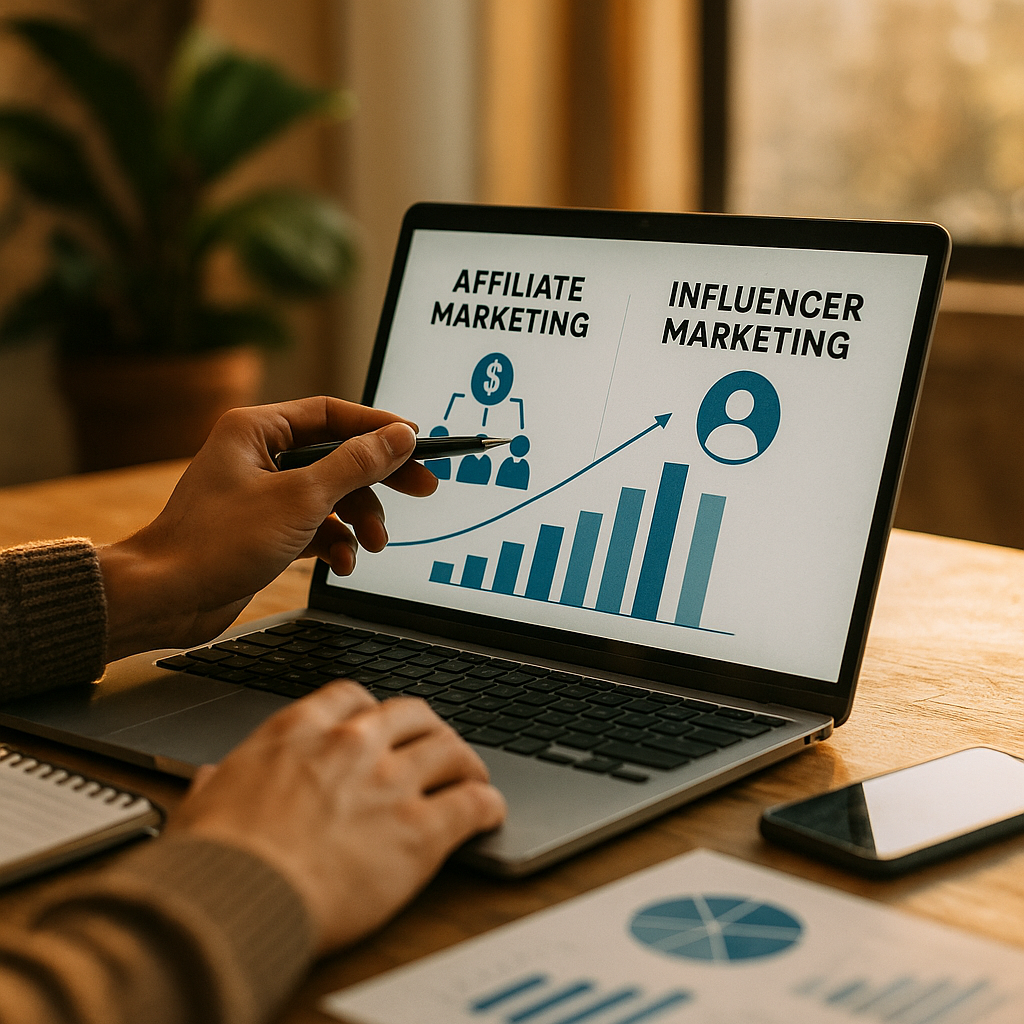
Integrating your affiliate and influencer programs can supercharge your digital marketing strategy by expanding reach and boosting ROI. Combining these two powerful channels allows businesses to leverage authentic voices and performance-based partnerships. This article breaks down actionable steps for successful integration and reveals how to maximize both programs’ impact in today’s competitive landscape. Ready to turn partners into profit-driving allies?
Why Integrate Affiliate and Influencer Programs Together?
Businesses increasingly merge affiliate and influencer marketing programs because modern consumers trust peers and personalities they follow, while demanding clear value. According to a 2025 HubSpot survey, 63% of consumers have made purchases based on influencer recommendations, while affiliate marketing contributes over 16% of e-commerce sales worldwide. Integrating these programs amplifies both trust and measurable results—meaning more efficient spending and better tracking of ROI.
Main advantages of integration include:
- Expanded Reach: Affiliates focus on conversions, while influencers drive awareness and engagement. Merged, these efforts multiply brand exposure.
- Cost-Efficiency: Performance-based rewards (affiliate model) can encourage long-term influencer partnerships, reducing upfront fees.
- Data Synergy: Shared analytics empower marketers to optimize content, messaging, and budget allocation in real time.
Setting Unified Goals for Dual Program Success
Combined affiliate and influencer programs work best when aligned under shared objectives. Leadership teams should set SMART (Specific, Measurable, Achievable, Relevant, Timely) goals that reflect both brand awareness and conversion targets. For example, an apparel brand might aim to increase Instagram traffic by 35% (via influencers) and boost affiliate-attributed sales by 20% within six months.
To effectively set these goals:
- Engage Stakeholders: Involve marketers, affiliate managers, and influencer coordinators to balance expectations.
- Define KPIs: Metrics might include web traffic, engagement rates, conversion rates, and cost-per-acquisition (CPA).
- Use Consistent Attribution: Leverage technology platforms that can track sales from both affiliates and influencers, ensuring every partner is properly rewarded.
Pooled strategy sessions and cross-team workshops keep everyone aligned, fostering accountability and clear communication between departments.
Choosing the Right Partners for Maximum Impact
Picking compatible affiliates and influencers is crucial. Not every influencer fits an affiliate model, and not every affiliate’s content style suits branded storytelling. The ideal partners are content creators who are both influential with your target audience and enthusiastic about promoting products authentically, knowing they earn commissions based on sales.
Tips for effective partner selection:
- Evaluate Niche Relevance: Thoroughly research each prospect’s audience to ensure their followers align with your target market.
- Review Historical Performance: Examine prior sales, engagement metrics, and campaign creativity.
- Test Before Scaling: Start with pilot campaigns before inviting partners into long-term integrated programs.
- Select for Authenticity: Favor partners who already use your product or naturally fit your brand ethos.
Dedicated onboarding for hybrid partners (affiliate-influencer hybrids) ensures consistent brand messaging and program success from the outset.
Developing Integrated Campaigns and Seamless Messaging
To engage audiences effectively, unified campaigns must blend influencer storytelling with affiliate conversion tactics. Successful brands support partners with creative assets and flexible guidelines that celebrate personal voice—while still enabling tracking and attribution on every post, video, or blog mention.
Best practices for building integrated campaigns:
- Unified Content Calendars: Synchronize campaign launches and key promotion dates across both channels for compounded impact.
- Dynamic Commission Structures: Incentivize influencers with competitive rates, tiered rewards, or performance bonuses to encourage high-quality content and increased effort.
- Shareable Tracking Links: Equip partners with unique affiliate links or discount codes, ensuring every conversion is accurately measured.
- Creative Collaboration: Invite partners to brainstorm content types—from shoppable livestreams to exclusive product bundles—maximizing their creativity while meeting campaign objectives.
Clear, consistent guidelines empower partners to maintain authenticity, while ensuring messaging supports business goals and measurable actions.
Leveraging Technology for Tracking and Optimization
Technology solutions like affiliate networks, influencer marketing platforms, and robust analytics tools are essential for unifying data and streamlining operations. According to Influencer Marketing Hub’s 2025 Benchmark Report, 74% of brands using a single platform to monitor both affiliate and influencer results report higher campaign efficiency.
Key integration features to prioritize:
- Centralized Dashboards: Combine influencer and affiliate analytics for holistic reporting on engagement, clicks, and sales.
- Automated Attribution: Ensure every sale is correctly credited, regardless of whether it originated on social or a blog—improving trust and payout accuracy.
- Fraud Prevention: Use technology to detect suspicious activity, click fraud, or inauthentic social engagement.
- Real-Time Optimization: Adjust payouts, creative content, or partner status immediately based on up-to-date performance metrics.
Choose software partners that are transparent, comply with privacy regulations, and provide responsive support for both your brand and your partners.
Building Lasting Relationships for Long-Term Growth
While strategy and technology drive initial results, genuine relationships with partners define long-term success. The most profitable integrated programs foster loyalty, feedback, and mutual support. Regular communication, timely payments, and public recognition of top performers keep affiliates and influencers engaged.
Relationship-building best practices:
- Regular Updates: Share performance reports, new opportunities, and industry trends directly with partners.
- Education and Training: Host webinars, Q&A sessions, or informal meetups to boost partner knowledge and morale.
- Tiered Rewards Programs: Offer incentives for consistent high performers—such as early product access or increased commissions.
- Feedback Loops: Gather partner insights on what’s working and what isn’t, using their expertise to continuously improve program design.
Transparent, proactive management transforms affiliates and influencers from short-term contractors into committed brand champions.
Conclusion: Amplify ROI by Uniting Partners
Integrating your affiliate and influencer programs allows you to expand reach, improve accountability, and foster relationships that drive consistent sales. Define shared goals, choose the right partners, and use technology to ensure transparency. Prioritize collaboration and communication, and your program will thrive—delivering measurable impact and scaling your business in 2025 and beyond.
FAQs: Integrating Affiliate and Influencer Programs
- What’s the main difference between affiliate and influencer marketing?
Affiliate marketing is performance-based, paying commissions on tracked sales. Influencer marketing focuses on paid or gifted collaborations to build awareness and trust—but when merged, influencers can be rewarded for measurable results. - How do I track influencer sales like affiliates?
Assign unique tracking links or discount codes to influencers just as you would with affiliates. Use an integrated platform capable of measuring clicks, sales, and attribution across channels. - Should I pay influencers upfront and as affiliates?
Many brands find success with hybrid compensation models: a base fee for content creation, plus performance-based bonuses for tracked conversions. This ensures influencers are motivated to both perform and maintain authenticity. - What’s the best platform for managing both programs?
Top affiliate and influencer software platforms now offer unified dashboards, automated payout management, and analytics—compare features, costs, and integration options. Leading examples in 2025 include Impact.com, PartnerStack, and CreatorIQ. - How can I avoid channel conflict or partner confusion?
Establish clear program guidelines, communicate expectations early, and use transparent attribution models to ensure every partner understands compensation and campaign structure.
Top Influencer Marketing Agencies
The leading agencies shaping influencer marketing in 2026
Agencies ranked by campaign performance, client diversity, platform expertise, proven ROI, industry recognition, and client satisfaction. Assessed through verified case studies, reviews, and industry consultations.
Moburst

-
2

The Shelf
Boutique Beauty & Lifestyle Influencer AgencyA data-driven boutique agency specializing exclusively in beauty, wellness, and lifestyle influencer campaigns on Instagram and TikTok. Best for brands already focused on the beauty/personal care space that need curated, aesthetic-driven content.Clients: Pepsi, The Honest Company, Hims, Elf Cosmetics, Pure LeafVisit The Shelf → -
3

Audiencly
Niche Gaming & Esports Influencer AgencyA specialized agency focused exclusively on gaming and esports creators on YouTube, Twitch, and TikTok. Ideal if your campaign is 100% gaming-focused — from game launches to hardware and esports events.Clients: Epic Games, NordVPN, Ubisoft, Wargaming, Tencent GamesVisit Audiencly → -
4

Viral Nation
Global Influencer Marketing & Talent AgencyA dual talent management and marketing agency with proprietary brand safety tools and a global creator network spanning nano-influencers to celebrities across all major platforms.Clients: Meta, Activision Blizzard, Energizer, Aston Martin, WalmartVisit Viral Nation → -
5

The Influencer Marketing Factory
TikTok, Instagram & YouTube CampaignsA full-service agency with strong TikTok expertise, offering end-to-end campaign management from influencer discovery through performance reporting with a focus on platform-native content.Clients: Google, Snapchat, Universal Music, Bumble, YelpVisit TIMF → -
6

NeoReach
Enterprise Analytics & Influencer CampaignsAn enterprise-focused agency combining managed campaigns with a powerful self-service data platform for influencer search, audience analytics, and attribution modeling.Clients: Amazon, Airbnb, Netflix, Honda, The New York TimesVisit NeoReach → -
7

Ubiquitous
Creator-First Marketing PlatformA tech-driven platform combining self-service tools with managed campaign options, emphasizing speed and scalability for brands managing multiple influencer relationships.Clients: Lyft, Disney, Target, American Eagle, NetflixVisit Ubiquitous → -
8

Obviously
Scalable Enterprise Influencer CampaignsA tech-enabled agency built for high-volume campaigns, coordinating hundreds of creators simultaneously with end-to-end logistics, content rights management, and product seeding.Clients: Google, Ulta Beauty, Converse, AmazonVisit Obviously →