


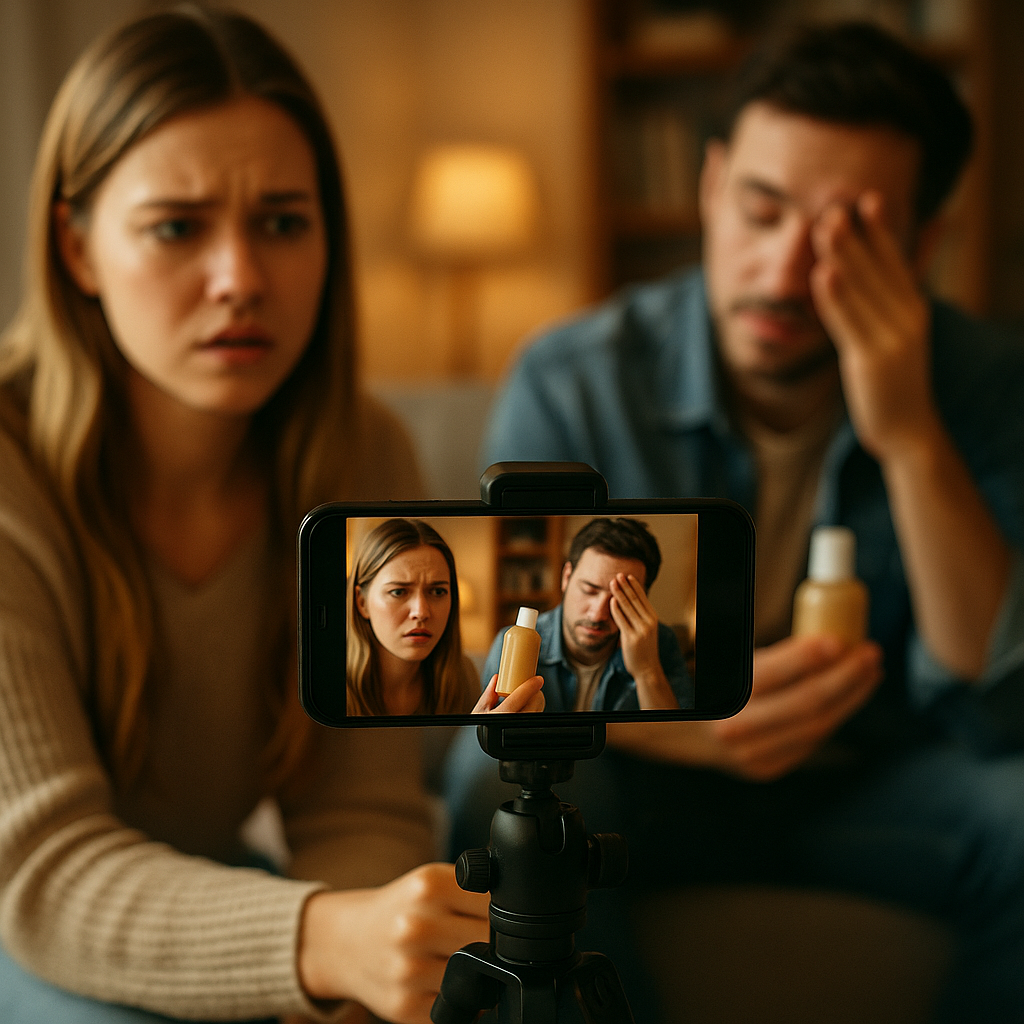
Microdramas pulled in more than $1.5 billion in US consumer spending last year, and brands are now buying their way into these bite-sized vertical soap operas at a pace that’s outrunning compliance teams. Here’s the uncomfortable question nobody in the media plan wants to answer: when a skincare brand’s product sits in the hand of a lead actress mid-plot twist, is that content or is it an ad? The FTC doesn’t really care how you categorize it internally. It cares whether your audience can tell.
The Microdrama Gold Rush Nobody Fully Understands Yet
Apps like ReelShort, DramaBox, and ShortMax have turned 60 to 90 second vertical episodes into a genuine attention economy. Viewers binge entire “seasons” in a single sitting, often paying micro-transactions to unlock the next chapter. For brands, it’s a dream audience: high engagement, repeat viewing, and an emotional hook that traditional pre-roll ads can’t touch.
So naturally, the ad dollars followed. Some brands buy traditional interstitial spots between episodes. Others go further, paying for product placement woven directly into the storyline: a protagonist drinking a specific energy drink during a confrontation scene, or a love interest gifting a particular skincare line. A few have gone all the way and funded entire custom microdrama series built around their product category.
That spectrum, from a 15 second pre-roll to a fully branded storyline, is exactly where the legal ambiguity lives. And ambiguity is not a defense the FTC accepts.
Content or Media? The Distinction That Actually Matters
Marketers love to draw a clean line between “media” (the stuff you pay to run) and “content” (the stuff that feels organic). Microdramas erase that line on purpose. The entire appeal of the format is that it doesn’t feel like advertising, it feels like a show. That’s precisely why the FTC’s endorsement and native advertising guidance treats this category as high risk.
The FTC’s test has never been about format. It’s about whether a “material connection” exists between the brand and the content, and whether a reasonable consumer would recognize the segment as sponsored without a clear disclosure. A paid placement inside a microdrama episode is functionally no different from an influencer holding up a product in a sponsored Reel. The wrapper changed. The legal obligation didn’t.
If a brand paid to influence what appears on screen, the FTC views it as advertising content requiring disclosure, regardless of whether your media plan filed it under “branded entertainment” or “paid social.”
This matters even more when microdrama platforms sell placements programmatically, bundling them with standard media buys. A brand’s media team might think they bought impressions. What they actually bought was a role in a narrative that needs its own disclosure treatment, separate from the banner ad running in the app’s sidebar.
Where Brands Are Getting This Wrong Right Now
Three recurring mistakes show up in microdrama campaigns launched over the past year.
- Treating platform-level disclosure as sufficient. Some apps add a generic “this app contains sponsored content” notice in their terms of service. That’s not a disclosure a reasonable viewer sees at the moment the branded moment appears. The FTC has been explicit, repeatedly, that disclosures buried in app settings or footers don’t satisfy the “clear and conspicuous” standard.
- Assuming fictional characters are exempt. There’s a persistent myth that because a scripted character isn’t a “real” endorser, product placement in fiction sits outside endorsement rules. It doesn’t. If the placement was paid for and designed to influence purchase intent, the connection has to be disclosed to the viewer in that moment, not just acknowledged in a press release.
- Letting the production studio own compliance. Many microdrama placements are brokered through the platform’s in-house studio, which handles scripting and shoots. Brands often assume the studio builds in disclosure language. Frequently, it doesn’t, because the studio’s incentive is narrative immersion, not regulatory defensibility. That’s a liability gap brands need to close in the contract, not assume away.
This pattern should sound familiar. It’s the same dynamic that’s played out with employee advocacy programs and other channels where the “this doesn’t feel like a traditional ad” instinct quietly overrides the legal obligation.
Building a Disclosure Framework That Survives Scrutiny
The fix isn’t complicated, but it does require brands to stop treating microdrama buys as a creative novelty and start treating them like any other paid media relationship with disclosure exposure.
Start with contract language. Every microdrama placement agreement should specify who is responsible for on-screen or in-app disclosure, what format it takes, and when in the episode it appears. Verbal disclaimers that flash for half a second during a fast-paced scene cut rarely meet the “clear and conspicuous” bar the FTC applies, especially for a format already optimized for rapid visual consumption.
Second, map the placement type to a disclosure method before the shoot happens, not after:
- Pre-roll or interstitial ads: standard “Ad” or “Sponsored” labeling, consistent with existing programmatic video norms.
- In-episode product placement: an on-screen disclosure overlay that persists for the duration of the branded moment, not a one-time flash.
- Fully branded microdrama series: disclosure at the series level (title card, description) and reinforced at the episode level, since viewers often jump into mid-season episodes via recommendation feeds without seeing the opening credits.
Third, audit the platform’s recommendation algorithm behavior. If your branded episode gets served to a user who never saw the series opener, your single upfront disclosure is functionally invisible to that viewer. This is a problem unique to algorithmic short-form platforms, and it’s one traditional TV product placement rules never had to solve.
Brands already navigating AI spokesperson disclosure requirements will recognize this challenge: the disclosure has to travel with the content, not just live at its point of origin.
The Material Connection Problem Runs Deeper Than the Episode
There’s a second layer brands tend to miss. Many microdrama platforms pay actors, writers, and even platform “hosts” to promote episodes on their personal social accounts after release, essentially turning the cast into influencers for their own show. If a brand funded the episode and that actor then posts about it on TikTok or Instagram without disclosing the brand relationship, you’ve created a second, independent disclosure failure stacked on top of the first.
This is where the microdrama trend starts to resemble other compliance gaps the industry has already been burned by. It’s structurally similar to the issues raised in promo code material connections, where the paper trail of who-paid-whom matters as much as the on-screen label. Brands need visibility into every downstream promotional touchpoint tied to a placement, not just the episode itself.
It also raises a verification question familiar to anyone who’s dealt with bot follower fraud in influencer deals: platform-reported view counts and engagement metrics for microdrama placements are self-attested in most cases. There’s no independent third-party measurement standard yet, which means brands are negotiating placement value and compliance exposure based on numbers they can’t fully audit.
What Regulators Are Actually Watching
The FTC hasn’t issued microdrama-specific guidance yet, but its enforcement history gives a clear preview. The agency’s approach to native advertising, its 2023 updated Endorsement Guides, and its ongoing scrutiny of in-app purchase flows all point toward the same conclusion: format innovation doesn’t create a compliance exemption. Regulators consistently apply the same reasonable-consumer test regardless of whether the ad lives in a podcast, a livestream, or a 90 second vertical drama.
State attorneys general have also shown increasing appetite for consumer protection actions tied to app-based content, particularly around deceptive monetization and unclear sponsorship. Brands operating in multiple states should assume that state AG influencer enforcement trends will eventually extend to microdrama placements, especially as the category’s ad spend grows large enough to attract attention.
Industry data backs up why that attention is coming. Short-form video ad spend continues to climb according to eMarketer’s forecasts, and platforms are actively courting brand budgets with case studies showing lift rates that rival traditional influencer campaigns. Growth without guardrails is exactly the pattern that invites regulatory correction.
A Practical Checklist Before You Sign the Next Microdrama Deal
- Confirm in writing who is contractually responsible for on-screen disclosure language and timing.
- Require disclosure to appear at the point of branded content, not only in series metadata or app terms.
- Get visibility into any cast or crew social promotion tied to the placement, and require disclosure there too.
- Document the material connection (payment, free product, revenue share) the same way you would for any influencer contract.
- Review placement performance reporting with the same skepticism you’d apply to any unaudited engagement metric.
None of this requires reinventing your compliance process. It requires applying the process you already use for state influencer disclosure laws to a format that’s new in presentation but familiar in legal structure.
Frequently Asked Questions
Are microdrama product placements legally different from influencer sponsored posts?
No. The FTC applies the same material connection and disclosure standard regardless of format. If a brand paid for the placement and it could influence a reasonable viewer’s purchase decision, disclosure is required.
Does a generic “sponsored content” notice in app terms of service satisfy FTC requirements?
Generally, no. The FTC requires disclosures to be clear and conspicuous at the point consumers encounter the sponsored content, not buried in terms of service or app settings that most viewers never read.
Who is liable if a microdrama platform fails to disclose a paid placement?
Both the brand and the platform can face liability. The FTC has pursued advertisers directly even when a third-party publisher or platform handled the content production, so contract language assigning disclosure responsibility doesn’t eliminate brand exposure.
Do fictional characters endorsing products need the same disclosure as real influencers?
Yes. If the placement was paid for and designed to promote the product, the fictional framing doesn’t exempt it from endorsement disclosure requirements.
How should brands disclose placements in fully branded microdrama series?
Disclosure should appear at both the series level (title, description) and reinforced within individual episodes, since algorithmic recommendation feeds often surface episodes out of sequence, bypassing any opening disclosure.
Microdrama ad placements aren’t a loophole, they’re the next test case for rules that have already been through several formats. Treat every paid placement as advertising content first and clever media buy second, and the compliance headaches mostly sort themselves out.
Frequently Asked Questions
Are microdrama product placements legally different from influencer sponsored posts?
No. The FTC applies the same material connection and disclosure standard regardless of format. If a brand paid for the placement and it could influence a reasonable viewer’s purchase decision, disclosure is required.
Does a generic “sponsored content” notice in app terms of service satisfy FTC requirements?
Generally, no. The FTC requires disclosures to be clear and conspicuous at the point consumers encounter the sponsored content, not buried in terms of service or app settings that most viewers never read.
Who is liable if a microdrama platform fails to disclose a paid placement?
Both the brand and the platform can face liability. The FTC has pursued advertisers directly even when a third-party publisher or platform handled the content production, so contract language assigning disclosure responsibility doesn’t eliminate brand exposure.
Do fictional characters endorsing products need the same disclosure as real influencers?
Yes. If the placement was paid for and designed to promote the product, the fictional framing doesn’t exempt it from endorsement disclosure requirements.
How should brands disclose placements in fully branded microdrama series?
Disclosure should appear at both the series level (title, description) and reinforced within individual episodes, since algorithmic recommendation feeds often surface episodes out of sequence, bypassing any opening disclosure.
Top Influencer Marketing Agencies
The leading agencies shaping influencer marketing in 2026
Agencies ranked by campaign performance, client diversity, platform expertise, proven ROI, industry recognition, and client satisfaction. Assessed through verified case studies, reviews, and industry consultations.
Moburst

-
2

The Shelf
Boutique Beauty & Lifestyle Influencer AgencyA data-driven boutique agency specializing exclusively in beauty, wellness, and lifestyle influencer campaigns on Instagram and TikTok. Best for brands already focused on the beauty/personal care space that need curated, aesthetic-driven content.Clients: Pepsi, The Honest Company, Hims, Elf Cosmetics, Pure LeafVisit The Shelf → -
3

Audiencly
Niche Gaming & Esports Influencer AgencyA specialized agency focused exclusively on gaming and esports creators on YouTube, Twitch, and TikTok. Ideal if your campaign is 100% gaming-focused — from game launches to hardware and esports events.Clients: Epic Games, NordVPN, Ubisoft, Wargaming, Tencent GamesVisit Audiencly → -
4

Viral Nation
Global Influencer Marketing & Talent AgencyA dual talent management and marketing agency with proprietary brand safety tools and a global creator network spanning nano-influencers to celebrities across all major platforms.Clients: Meta, Activision Blizzard, Energizer, Aston Martin, WalmartVisit Viral Nation → -
5

The Influencer Marketing Factory
TikTok, Instagram & YouTube CampaignsA full-service agency with strong TikTok expertise, offering end-to-end campaign management from influencer discovery through performance reporting with a focus on platform-native content.Clients: Google, Snapchat, Universal Music, Bumble, YelpVisit TIMF → -
6

NeoReach
Enterprise Analytics & Influencer CampaignsAn enterprise-focused agency combining managed campaigns with a powerful self-service data platform for influencer search, audience analytics, and attribution modeling.Clients: Amazon, Airbnb, Netflix, Honda, The New York TimesVisit NeoReach → -
7

Ubiquitous
Creator-First Marketing PlatformA tech-driven platform combining self-service tools with managed campaign options, emphasizing speed and scalability for brands managing multiple influencer relationships.Clients: Lyft, Disney, Target, American Eagle, NetflixVisit Ubiquitous → -
8

Obviously
Scalable Enterprise Influencer CampaignsA tech-enabled agency built for high-volume campaigns, coordinating hundreds of creators simultaneously with end-to-end logistics, content rights management, and product seeding.Clients: Google, Ulta Beauty, Converse, AmazonVisit Obviously →