


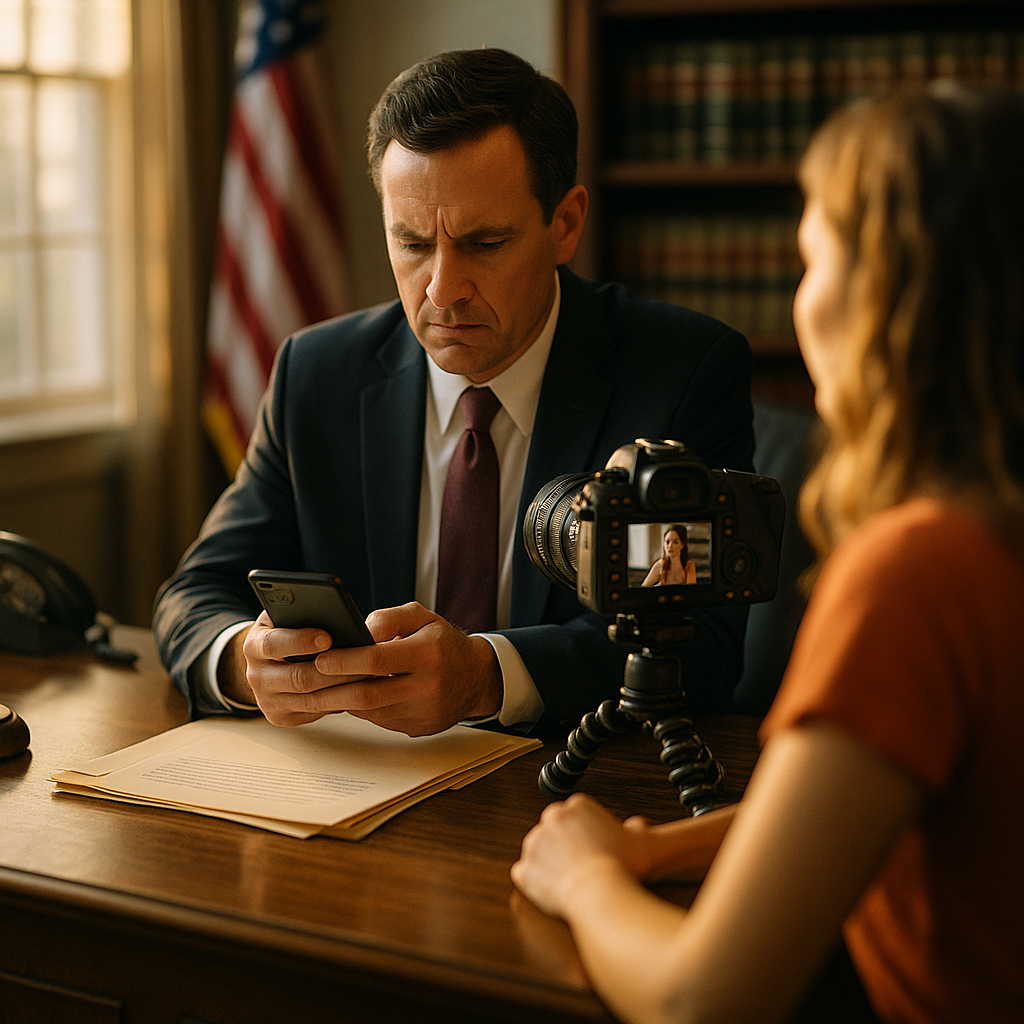
Forty three state attorneys general now have active consumer protection units capable of pursuing deceptive advertising cases, and a growing number are turning that firepower on influencer marketing. If your compliance program only maps to the FTC’s Endorsement Guides, you’re defending against the wrong regulator. State attorneys general enforcing influencer disclosure rules is no longer a theoretical risk. It’s a live enforcement trend, and it changes what brands need to track.
The FTC Isn’t the Only Cop on the Beat Anymore
For years, influencer compliance meant one thing: follow the FTC’s disclosure guidance, slap “#ad” on the post, call it done. That playbook is outdated. State attorneys general have their own consumer protection statutes, often called “little FTC Acts” or UDAP laws (unfair and deceptive acts and practices), and these laws give state regulators independent authority to investigate deceptive endorsements without waiting for federal action.
Why does this matter? Because state AGs move faster, operate with more political incentive, and don’t need to coordinate with Washington. A single viral complaint in Texas or New York can trigger a state-level inquiry while the FTC is still reviewing its backlog. We covered the foundational shift in state influencer disclosure laws, but the enforcement layer on top of those laws is what brands are underestimating now.
State attorneys general don’t need FTC sign-off to open an investigation, and many are using consumer complaint portals as their primary lead source for influencer cases.
Which States Are Actually Enforcing This?
California, New York, Texas, and Washington have the most active consumer protection divisions, and each has pursued advertising-related actions that touch digital endorsements. California’s AG has broad authority under its Unfair Competition Law, which doesn’t require proof of intent, just that a reasonable consumer was misled. New York’s Executive Law gives its AG similarly sweeping power over “repeated fraudulent or illegal acts,” a standard that fits poorly disclosed sponsored content uncomfortably well.
Texas has leaned into its Deceptive Trade Practices Act for digital advertising cases, and its AG’s office has shown particular interest in health, finance, and wellness claims made by creators. Washington state pairs its Consumer Protection Act with an active tech policy team that already scrutinizes platform-level data practices, making influencer disclosure a natural extension of existing casework.
The pattern isn’t random. States with large consumer bases, active AG political ambitions, or existing tech regulatory infrastructure are the ones building influencer enforcement muscle. If your brand runs national campaigns, you’re exposed in all of them simultaneously.
What Triggers an Investigation?
- Consumer complaints filed through state AG portals, often from competitors or disgruntled customers
- Media coverage of a viral “undisclosed ad” callout
- Referrals from state health, finance, or insurance regulators who flag influencer content in their own sector
- Pattern detection from AG offices that monitor high-volume creator accounts tied to specific brands
Notice that none of these require the FTC to act first. A state AG can open a file based purely on a consumer tip, and once they do, discovery can pull in your entire campaign history, not just the one flagged post.
What Counts as a Violation Now?
This is where brands get tripped up. State standards don’t always mirror FTC language exactly, and that gap is where liability hides. The FTC wants disclosures that are “clear and conspicuous.” Some state statutes use broader “likely to mislead a reasonable consumer” language, which can capture things the FTC might let slide, like a disclosure buried in a hashtag string or placed below the “see more” fold on Instagram.
Material connections are the core issue in both frameworks, but states have shown willingness to extend scrutiny to adjacent practices: unverified health claims, undisclosed AI-generated spokespeople, and promo codes used as tracking mechanisms without proper disclosure. If you haven’t audited your promo code programs lately, our breakdown of promo code material connections is worth revisiting, because state AGs are increasingly treating unique codes as de facto proof of a compensated relationship, whether or not the brand labeled it that way.
AI-generated or AI-assisted spokesperson content adds another layer. Several states have started drafting or enforcing rules specific to synthetic endorsers, and the disclosure bar there is often higher than for human creators. If your program uses virtual influencers or AI-voiced content, review the state-by-state nuances in AI content labeling laws before you scale further.
The Tracking Problem Brands Actually Have
Most brands track disclosure compliance the way they track anything they don’t fully own: inconsistently, and usually after a problem surfaces. Agencies run influencer vetting one way, in-house teams run a different checklist, and employee advocacy programs often skip disclosure tracking altogether because nobody thinks of employees as “influencers.” That blind spot is exactly what regulators exploit. We detailed the exposure in employee advocacy programs, and the same logic applies to multi-state AG risk: if your tracking system has gaps, your legal exposure has gaps in the exact same places.
Here’s the uncomfortable truth: a 32% year-over-year rise in creator marketing spend, according to eMarketer’s recent creator economy data, means more campaigns, more creators, and more surface area for a single missed disclosure to become a multi-state problem. Scale without tracking infrastructure is how brands end up facing simultaneous inquiries from three AG offices over the same influencer post.
A disclosure gap that costs nothing in one state can trigger separate investigations, separate fines, and separate consent decrees in three others, because each AG’s office treats your campaign as its own case.
What Brands Must Track Now
- Disclosure placement by platform and state audience: a post compliant in one jurisdiction’s interpretation may fail another’s “clear and conspicuous” standard
- Material connection records: gifting, payment, equity, free product, and promo code commissions all need a documented paper trail tied to each post
- AI-generated content flags: any synthetic voice, likeness, or avatar used in sponsored content, labeled per the applicable state requirement
- Health, finance, and regulated-category claims: these draw disproportionate AG attention and need legal review before publishing, not after
- Complaint monitoring: set up alerts for mentions of your brand alongside “undisclosed ad” or “FTC violation” language across social listening tools
- Contract language: creator agreements should specify disclosure requirements by jurisdiction, not just a generic FTC clause
If your current influencer management platform doesn’t capture all six of these data points per post, you have a tracking gap a state AG can walk through.
Building an Audit Trail That Holds Up
Documentation is your best defense, and it’s also your best offense if a competitor or disgruntled customer files a complaint first. The goal isn’t perfection. Regulators understand that mistakes happen. What they punish is pattern and negligence: repeated violations, no corrective process, no evidence the brand tried to comply.
Build a compliance file for every campaign that includes the brief given to creators, screenshots of disclosures as posted (not just as approved), payment records tied to each piece of content, and a timestamped log of any corrections made. This is the same logic we laid out in promo code attribution tracking: if you can’t produce the record, the regulator assumes the worst version of events.
Tools matter here too. Platforms like Sprout Social and dedicated influencer compliance software can automate disclosure checks before content goes live, flagging missing hashtags or buried disclosure text. That’s not a replacement for legal review, but it catches the volume problem that manual review simply can’t scale to handle. Some brands are also using contract clauses from HubSpot’s marketing operations templates as a starting framework, then layering state-specific disclosure language on top.
Agencies and Vetting: Don’t Outsource the Risk Blindly
If you work through an agency or a premier partner program, your liability doesn’t disappear, it just gets harder to see. State AGs have shown they’re willing to name brands even when an agency executed the campaign. Review how your agency vets creators and documents disclosure compliance, using the framework in agency vetting and liability as a baseline for the questions you should be asking in every vendor contract.
According to Statista’s ongoing influencer marketing research, the global market has grown past $30 billion annually, which means the dollar value of a single non-compliant campaign has grown right alongside it. A six-figure campaign with a disclosure gap isn’t a rounding error anymore. It’s a headline.
What This Means for Budget and Risk Planning
Compliance tracking has a cost, but it’s a fraction of what a multi-state investigation costs in legal fees, settlement terms, and brand reputation damage. Build disclosure audit time into campaign timelines the same way you build in creative review. Treat state-specific requirements as a line item in your legal budget, not an afterthought handled by whoever has time between campaigns.
The brands getting ahead of this aren’t the ones with the biggest legal teams. They’re the ones with the most consistent tracking habits, applied to every campaign, every creator, every state, every time.
Next step: Audit your last three influencer campaigns against the six tracking points above, and if you find gaps in even one, fix your process before your next campaign launches, not after a state AG’s office calls.
FAQs
Can a state attorney general really enforce FTC-style disclosure rules?
Yes. Most states have their own consumer protection statutes, often called UDAP laws, that give the state AG independent authority to pursue deceptive advertising claims, including undisclosed influencer endorsements, without any involvement from the FTC.
What’s the difference between FTC enforcement and state AG enforcement?
The FTC enforces federal Endorsement Guides nationwide but has limited staff and typically pursues high-profile or pattern cases. State AGs enforce their own statutes, can act faster on individual complaints, and sometimes apply broader “likely to mislead” standards than the FTC’s “clear and conspicuous” test.
Which states are most active in pursuing influencer disclosure cases?
California, New York, Texas, and Washington currently have the most active consumer protection divisions handling digital advertising and influencer-related complaints, largely due to statute strength, population size, and existing tech policy infrastructure.
Do promo codes count as a material connection that needs disclosure?
Generally yes. A unique or commission-tied promo code is treated as evidence of a compensated relationship in most state frameworks, which means the disclosure requirement applies even if the brand didn’t separately pay the creator a flat fee.
How should brands prepare for multi-state influencer compliance risk?
Build a documented audit trail for every campaign that includes creator briefs, as-posted disclosure screenshots, payment records, and correction logs, and review creator contracts to ensure disclosure requirements reference state-specific standards, not just the FTC’s general guidance.
Top Influencer Marketing Agencies
The leading agencies shaping influencer marketing in 2026
Agencies ranked by campaign performance, client diversity, platform expertise, proven ROI, industry recognition, and client satisfaction. Assessed through verified case studies, reviews, and industry consultations.
Moburst

-
2

The Shelf
Boutique Beauty & Lifestyle Influencer AgencyA data-driven boutique agency specializing exclusively in beauty, wellness, and lifestyle influencer campaigns on Instagram and TikTok. Best for brands already focused on the beauty/personal care space that need curated, aesthetic-driven content.Clients: Pepsi, The Honest Company, Hims, Elf Cosmetics, Pure LeafVisit The Shelf → -
3

Audiencly
Niche Gaming & Esports Influencer AgencyA specialized agency focused exclusively on gaming and esports creators on YouTube, Twitch, and TikTok. Ideal if your campaign is 100% gaming-focused — from game launches to hardware and esports events.Clients: Epic Games, NordVPN, Ubisoft, Wargaming, Tencent GamesVisit Audiencly → -
4

Viral Nation
Global Influencer Marketing & Talent AgencyA dual talent management and marketing agency with proprietary brand safety tools and a global creator network spanning nano-influencers to celebrities across all major platforms.Clients: Meta, Activision Blizzard, Energizer, Aston Martin, WalmartVisit Viral Nation → -
5

The Influencer Marketing Factory
TikTok, Instagram & YouTube CampaignsA full-service agency with strong TikTok expertise, offering end-to-end campaign management from influencer discovery through performance reporting with a focus on platform-native content.Clients: Google, Snapchat, Universal Music, Bumble, YelpVisit TIMF → -
6

NeoReach
Enterprise Analytics & Influencer CampaignsAn enterprise-focused agency combining managed campaigns with a powerful self-service data platform for influencer search, audience analytics, and attribution modeling.Clients: Amazon, Airbnb, Netflix, Honda, The New York TimesVisit NeoReach → -
7

Ubiquitous
Creator-First Marketing PlatformA tech-driven platform combining self-service tools with managed campaign options, emphasizing speed and scalability for brands managing multiple influencer relationships.Clients: Lyft, Disney, Target, American Eagle, NetflixVisit Ubiquitous → -
8

Obviously
Scalable Enterprise Influencer CampaignsA tech-enabled agency built for high-volume campaigns, coordinating hundreds of creators simultaneously with end-to-end logistics, content rights management, and product seeding.Clients: Google, Ulta Beauty, Converse, AmazonVisit Obviously →