


Your Audience Isn’t Watching One Thing. They’re Watching Everything at Once.
Gen Z and younger Millennials don’t consume sports, culture, or entertainment in sequence. They stack formats. A 22-year-old watching an NBA game is simultaneously scrolling TikTok recaps, half-listening to a pod, and catching live commentary on YouTube. According to eMarketer, over 60% of Gen Z report consuming two or more media formats simultaneously on a daily basis. If your creator program delivers a single content type, you’re reaching a fraction of the room. The bundles and podcasts distribution strategy is how brands close that gap.
Why Single-Format Sponsorships Are Structurally Broken
Most brand teams still brief creators around a deliverable: one integration, one format, one platform. A 60-second YouTube mid-roll. A TikTok sound-on creative. A sponsored Instagram post. That model made sense when audiences had distinct platform behaviors. It doesn’t hold anymore.
The structural problem is that cultural moments now travel across formats in real time. The post-game take becomes a podcast clip becomes a short-form reaction becomes a live stream deep dive. If you only bought the podcast segment, you missed the TikTok clip that got 4 million views. You sponsored the conversation at one table when it was happening across the entire venue.
Compound this with algorithmic reality. Platforms reward native content in every format they offer. A creator posting only long-form video is being disadvantaged by the same platform that’s pushing its Shorts product. Brands that design programs to match how creators actually distribute content earn more surface area per dollar spent.
For context on how budget decisions intersect with format selection, see this analysis on video creator budget allocation by format category — it’s a useful benchmark for structuring multi-format contracts.
The Bundle Architecture: What It Actually Looks Like
A properly structured creator bundle in the sports, culture, and entertainment space typically layers three distribution tiers: anchor content, derivative clips, and real-time activation.
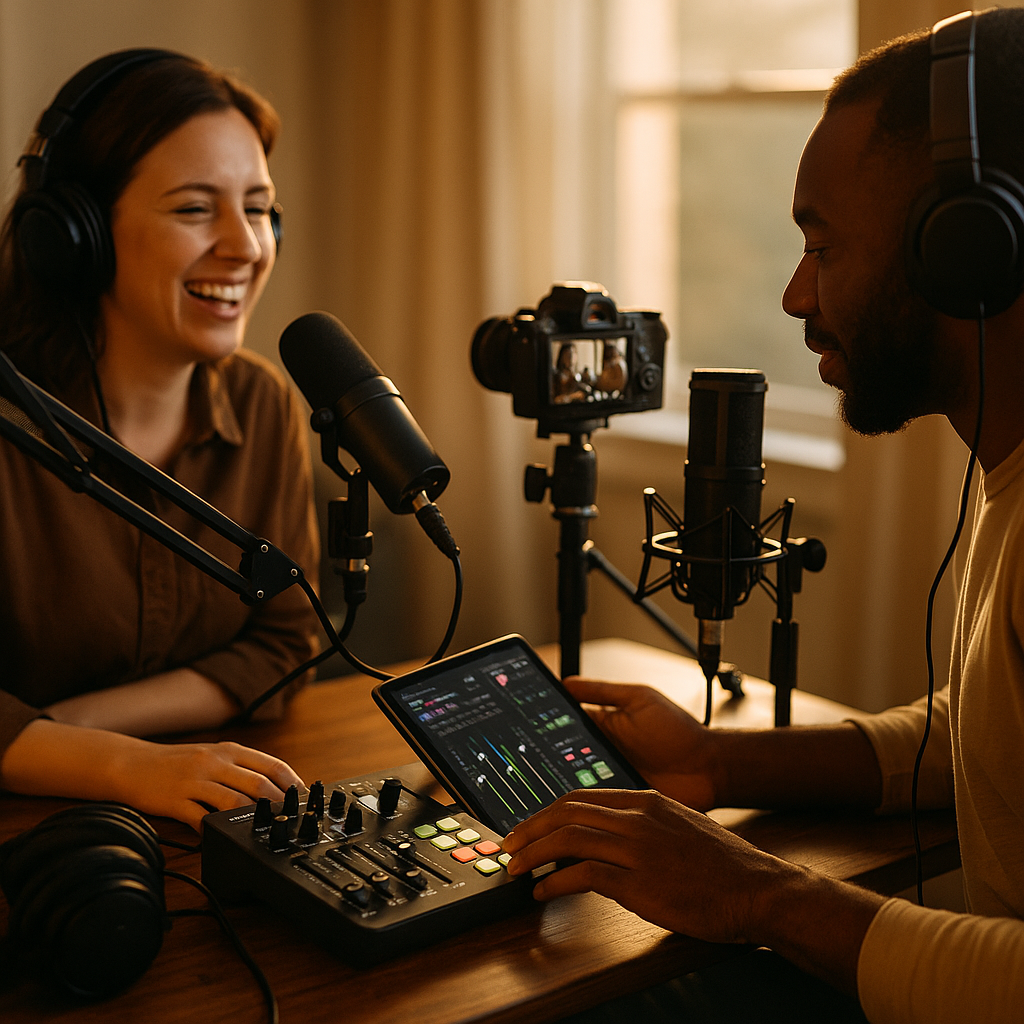
Anchor content is the long-form asset. A full video podcast episode, a YouTube breakdown running 30-60 minutes, a post-game analysis stream. This is where brand messaging lives with context, nuance, and sustained attention from the most engaged viewers. YouTube remains the dominant platform for anchor content with younger audiences around sports and culture, particularly for video-first pods.
Derivative clips are the engine of reach. Every anchor asset should generate 4-8 short-form clips distributed across TikTok, Instagram Reels, and YouTube Shorts. These aren’t repurposed content — they’re purpose-built to hit algorithmic feeds and appear native to each platform. When briefed properly, a creator can extract a brand mention from a 45-minute pod and turn it into a 28-second clip that feels organic rather than ad-adjacent. The bundle deals vs. stand-alone sponsorships comparison makes clear why the economics almost always favor the bundle approach when you account for clip distribution volume.
Real-time activation is where live streams and community platforms come in. Discord communities, Twitch watch parties, YouTube Live watch-alongs tied to cultural events. For brands targeting sports audiences especially, live is where identity and loyalty signals are strongest. This isn’t where you put your product explainer. This is where you show up with utility — a halftime giveaway, a sponsored prediction game, a creator-hosted Q&A.
The brands winning with younger audiences aren’t buying placements. They’re buying participation across the entire content arc — from long-form anchor to real-time moment to clip that lives in algorithmic feeds for weeks.
Designing the Brief for Multi-Format Distribution
Here’s where most programs break down operationally. The media team negotiates a bundle. The brand team sends a single creative brief. The creator delivers a podcast integration and three Reels that look like repurposed ad spots. The short-form clips underperform. Everyone blames the creator.
Multi-format programs require format-specific briefs, even when the campaign message is unified. What works as a mid-pod read is different from what works as a 15-second TikTok hook. The anchor content brief should focus on context-setting and credibility. The clip brief should obsess over the first two seconds and native feel. The live brief should center on creator spontaneity with brand guidelines as guardrails, not scripts.
Practically speaking, the brief should specify: which formats are required per activation, minimum clip count from each anchor asset, platform distribution requirements, and whether the brand will handle paid amplification on the clips or leave organic distribution to the creator. For structured thinking on how to turn creator content into paid amplification, the EGC paid amplification decision framework applies directly to bundle-derived clips.
Sports, Culture, and Entertainment: The Simultaneity Problem Is an Opportunity
Consider how a brand like Celsius or Prime Hydration approaches creator programs in the sports and culture space. They’re not buying single segments. They’re building creator relationships that produce content across the full event arc — pre-game anticipation, live commentary, post-game analysis — each delivered in a format optimized for where the audience is in that moment.
This matters because the cultural conversation around sports and entertainment doesn’t start when the event starts. It starts days before with prediction content and ends weeks after with retrospectives. A single YouTube sponsor placement the week of an event is an efficient media buy against a narrow window. A creator bundle that captures pre, live, and post phases of a cultural moment is a brand presence throughout the entire conversation.
Measurement gets more complex here, but it’s solvable. You’re tracking not just views on the anchor placement but clip reach, live concurrent viewers, search lift triggered by the creator’s coverage, and community engagement signals. This is why measuring brand search lift from creator activity has become an essential complement to impression-based reporting in sports and culture campaigns.
The Platform Stack Worth Building Around
For brands targeting younger audiences around sports and entertainment, the non-negotiable platform stack is currently: YouTube (anchor and Shorts), TikTok (clip distribution), and at least one community/live layer — Discord, Twitch, or YouTube Live depending on the creator’s home base.
Spotify and Apple Podcasts matter for audio-first pods, particularly in culture and entertainment, but they’re passive distribution with limited engagement signal. Build the anchor in video-first environments where clips are extractable and community features exist around the content.
TikTok for Business data consistently shows that content with creator authenticity markers outperforms branded content in the 18-34 demographic. When clips derived from genuine creator conversations — not scripted reads — hit the For You Page, they carry social proof that paid media cannot replicate.
One underused platform worth attention: Twitch watch parties for sports and entertainment events. Creators hosting live reactions with embedded brand moments generate the kind of shared-experience context that post-event content can’t reproduce. The concurrent viewer number is smaller than YouTube VOD, but the engagement intensity is significantly higher.
Measurement Framework for Bundle Programs
Multi-format programs are harder to measure precisely because that’s the right tradeoff. You’re buying coverage across the full content funnel, not a discrete impression count. That said, the measurement framework needs to account for each layer distinctly.
- Anchor content: View-through rate, average watch time, branded segment completion, comment sentiment around the brand mention
- Clips: Organic reach per clip, save and share rate (indicating sustained interest), click-through if linked
- Live/real-time: Concurrent viewers, chat engagement during brand moments, post-stream VOD performance
- Cross-format: Brand search lift in the 72-hour window following major activations, direct traffic attribution where trackable
For brands running incremental lift studies alongside bundle programs, the methodology in holdout testing for influencer lift maps well to multi-format activations — just ensure your holdout geography isn’t overexposed to organic creator content from the same creators across formats.
Multi-format bundle measurement isn’t about finding one clean number. It’s about building a signal stack that tells you whether the brand is present across the full cultural moment — and whether that presence is shifting consideration where it matters.
When structuring contracts for bundle programs, performance-based incentive clauses around clip reach and search lift are increasingly standard. The framework for performance-based influencer contracts provides a solid starting point for aligning creator incentives with multi-format outcomes rather than just anchor deliverable counts.
The actionable next step: Audit your current creator partnerships and identify which ones already produce multi-format content organically. Those creators are your bundle program pilots. Start there, model the economics against your existing CPM benchmarks using bundle CPM negotiation data, and build the brief structure before scaling the spend.
Frequently Asked Questions
What is a bundles and podcasts distribution strategy in creator marketing?
It’s a multi-format creator program structure where brands purchase integrated packages across long-form video podcasts, short-form clips, and live streams rather than single-format placements. The goal is to follow audiences through their entire content consumption pattern, particularly relevant for younger demographics who simultaneously consume sports, culture, and entertainment content across platforms.
How do you brief creators for multi-format bundle campaigns?
You write separate briefs for each format layer even when the campaign message is unified. The anchor content brief focuses on contextual brand integration with room for nuance. The short-form clip brief prioritizes native feel and hook quality in the first two seconds. The live activation brief centers on creator spontaneity with brand guidelines as guardrails. Sending a single universal brief is the most common operational failure in bundle programs.
Which platforms should a bundle program prioritize for sports and entertainment audiences?
The core stack is YouTube for anchor content and Shorts distribution, TikTok for algorithmic clip reach, and a live layer via YouTube Live or Twitch depending on the creator’s audience home base. Audio podcast platforms like Spotify add passive distribution but lack the engagement signals and clip extraction opportunities that video-first platforms offer.
How do you measure ROI across a multi-format creator bundle?
Measure each layer with format-specific metrics: view-through rate and branded segment completion for anchor content; save rate and organic reach per clip for short-form; concurrent viewers and chat engagement for live. Layer in cross-format signals including brand search lift in the 72 hours following activations and direct traffic attribution. Holdout testing methodology can isolate incremental impact when you control geography carefully.
Are bundle deals more cost-efficient than buying single-format sponsorships?
Typically yes, when negotiated correctly. Bundle deals spread fixed creator fees across multiple content outputs, reducing the effective CPM per format compared to buying each format separately. The key variable is whether the contract clearly specifies minimum clip counts and live activation requirements, since vague bundle agreements often default to anchor content only with minimal derivative output.
Top Influencer Marketing Agencies
The leading agencies shaping influencer marketing in 2026
Agencies ranked by campaign performance, client diversity, platform expertise, proven ROI, industry recognition, and client satisfaction. Assessed through verified case studies, reviews, and industry consultations.
Moburst

-
2

The Shelf
Boutique Beauty & Lifestyle Influencer AgencyA data-driven boutique agency specializing exclusively in beauty, wellness, and lifestyle influencer campaigns on Instagram and TikTok. Best for brands already focused on the beauty/personal care space that need curated, aesthetic-driven content.Clients: Pepsi, The Honest Company, Hims, Elf Cosmetics, Pure LeafVisit The Shelf → -
3

Audiencly
Niche Gaming & Esports Influencer AgencyA specialized agency focused exclusively on gaming and esports creators on YouTube, Twitch, and TikTok. Ideal if your campaign is 100% gaming-focused — from game launches to hardware and esports events.Clients: Epic Games, NordVPN, Ubisoft, Wargaming, Tencent GamesVisit Audiencly → -
4

Viral Nation
Global Influencer Marketing & Talent AgencyA dual talent management and marketing agency with proprietary brand safety tools and a global creator network spanning nano-influencers to celebrities across all major platforms.Clients: Meta, Activision Blizzard, Energizer, Aston Martin, WalmartVisit Viral Nation → -
5

The Influencer Marketing Factory
TikTok, Instagram & YouTube CampaignsA full-service agency with strong TikTok expertise, offering end-to-end campaign management from influencer discovery through performance reporting with a focus on platform-native content.Clients: Google, Snapchat, Universal Music, Bumble, YelpVisit TIMF → -
6

NeoReach
Enterprise Analytics & Influencer CampaignsAn enterprise-focused agency combining managed campaigns with a powerful self-service data platform for influencer search, audience analytics, and attribution modeling.Clients: Amazon, Airbnb, Netflix, Honda, The New York TimesVisit NeoReach → -
7

Ubiquitous
Creator-First Marketing PlatformA tech-driven platform combining self-service tools with managed campaign options, emphasizing speed and scalability for brands managing multiple influencer relationships.Clients: Lyft, Disney, Target, American Eagle, NetflixVisit Ubiquitous → -
8

Obviously
Scalable Enterprise Influencer CampaignsA tech-enabled agency built for high-volume campaigns, coordinating hundreds of creators simultaneously with end-to-end logistics, content rights management, and product seeding.Clients: Google, Ulta Beauty, Converse, AmazonVisit Obviously →