


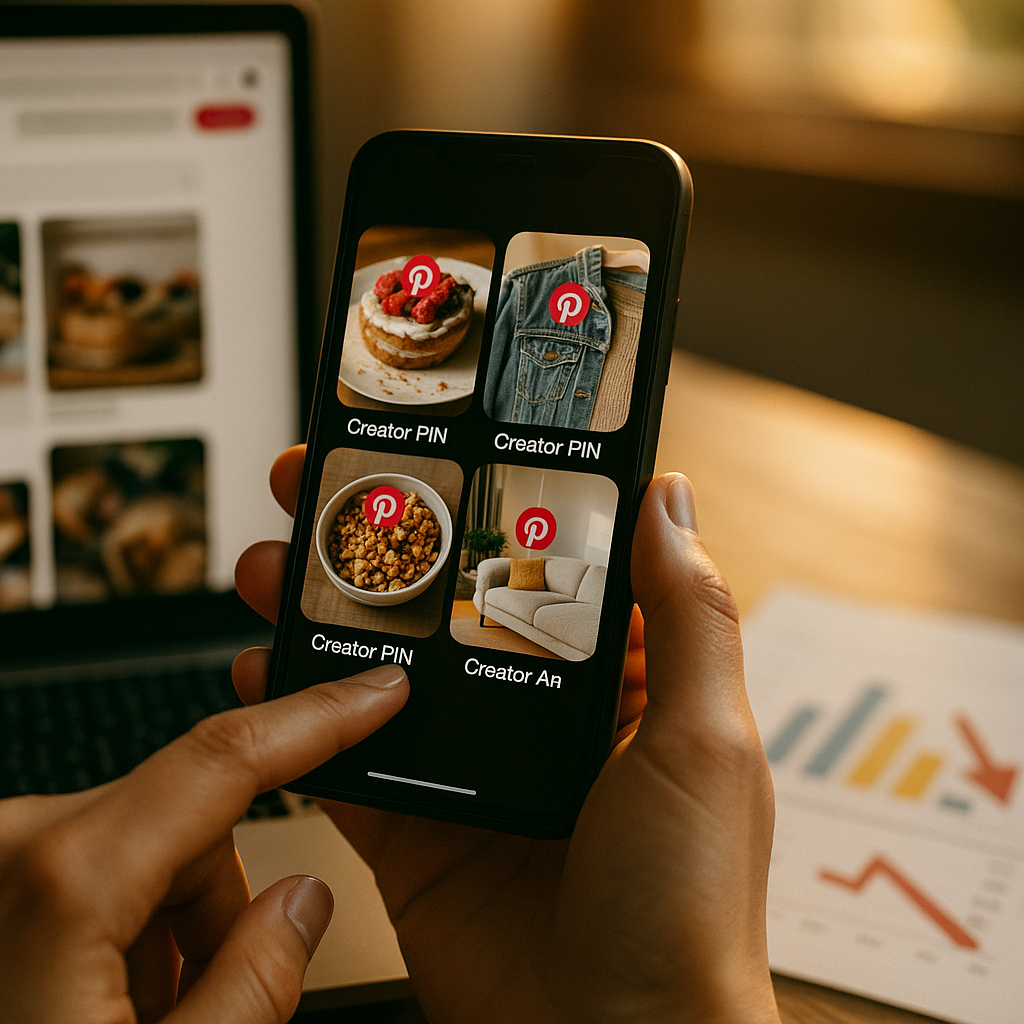
Pinterest ad revenue grew 39% year over year last quarter, according to the company’s own investor disclosures, and yet most brands still treat the platform like a moodboard graveyard for their social budget. That’s a mistake. Pinterest Performance Plus, the platform’s automated bidding and creative optimization suite, is quietly becoming one of the cheapest paths to qualified traffic when it’s fed creator content instead of static product shots. If you’re still running organic-only creator pins and hoping for the best, you’re leaving conversion volume on the table.
Why Pinterest Performance Plus Changes the Math
Performance Plus is Pinterest’s answer to Meta’s Advantage+ and Google’s Performance Max: a machine-learning layer that pulls budget, audience targeting, and creative selection into one automated system. Advertisers feed it a pool of assets and conversion goals, and it decides where to spend. The catch, and the opportunity, is that the algorithm rewards creative diversity and engagement signals more than polished brand messaging.
That’s where creator pins come in. Pinterest’s own benchmarking has shown that pins featuring real people using products outperform studio photography on save rate and outbound click rate, sometimes by double digits. Feed Performance Plus a stack of creator-made pins alongside your branded assets, and the system will naturally shift spend toward whatever resonates, often the creator content.
Brands that paired creator-generated pins with Performance Plus automation saw cost-per-acquisition drop by roughly 20 to 30 percent compared to campaigns running branded creative alone, based on early adopter case studies shared at Pinterest’s advertiser summits.
Why does this happen? Pinterest users are in a planning and purchase-intent mindset far more than on other visual platforms. They’re not scrolling for entertainment, they’re searching for solutions. Creator pins that show a product in context (a kitchen renovation, a skincare routine, a travel packing list) match that search intent better than a hero shot on a white background ever could.
The Creator Pin Sourcing Problem
Here’s the operational headache nobody talks about: Pinterest doesn’t have a native creator marketplace as robust as TikTok’s or Instagram’s. Most brands are still sourcing creator content through existing influencer relationships built for other platforms, then repurposing it for Pinterest, often without checking whether the format actually fits Pinterest’s vertical, idea-pin-adjacent style.
You need a deliberate sourcing strategy, not a leftover-content dumping ground. Some approaches worth testing:
- Commission creators specifically for Pinterest, briefing them on the platform’s aspect ratios and “how to” framing that performs well.
- Repurpose top-performing TikTok Shop or Instagram Reels creator content, but re-edit for Pinterest’s static and short-video pin formats rather than dropping in raw vertical video.
- Mine your existing UGC library for lifestyle shots that were never optimized for feed algorithms elsewhere but fit Pinterest’s search-driven discovery model well.
If your team is already running affiliate-style creator programs on other platforms, the workflow overlaps more than you’d think. Brands managing affiliate recruiting at scale often have a surplus of usable product-in-context footage that just needs a second life on Pinterest.
Setting Up the Pairing: A Practical Workflow
Pairing creator pins with Performance Plus isn’t complicated, but sequencing matters. Get it wrong and you’ll waste budget training the algorithm on weak signals.
- Seed organically first. Publish creator pins organically for one to two weeks before boosting. Pinterest’s algorithm needs baseline engagement data to know what it’s optimizing for.
- Tag and group by theme. Group creator pins by use case or search intent (holiday gifting, home office setup, dinner party ideas) rather than by creator name. Performance Plus optimizes better against intent clusters than personality-driven groupings.
- Feed 8 to 15 creative variants minimum. Pinterest’s own guidance suggests the algorithm needs enough variety to test meaningfully. Fewer than five assets and you’re basically running a manual campaign with extra steps.
- Set conversion goals, not just traffic goals. If you’re optimizing for clicks alone, you’ll get cheap, low-intent traffic. Push toward checkout or add-to-cart events if your pixel supports it.
- Review weekly, not daily. Performance Plus needs a learning window. Constant manual tinkering resets the model and tanks efficiency.
This mirrors what’s worked on other platforms running similar automated boosting models. The logic is nearly identical to what brands have learned boosting creator Reels on Instagram, where organic seeding before paid spend consistently outperforms cold-starting a boosted post.
Budget Allocation That Actually Works
Most brands are overspending on brand awareness campaigns and underspending on the mid-funnel consideration pins that Pinterest users actually engage with before purchase. A reasonable starting split for a Performance Plus creator pin campaign looks like 60% toward consideration and conversion objectives, 25% toward retargeting warm audiences who’ve saved or clicked, and 15% toward broader prospecting to keep the creative pool fresh.
Don’t set it and walk away for a full quarter. Pinterest’s creative fatigue curve is slower than Meta’s, generally three to four weeks before performance dips, but it’s not infinite. Rotate in new creator content on a monthly cadence at minimum.
Rights, Usage, and the Compliance Layer Brands Keep Skipping
Paid amplification changes the legal terms of a creator relationship. A pin that performs fine organically under a standard usage agreement can become a liability once you’re pushing ad dollars behind it, especially if your contract didn’t explicitly grant paid media rights.
This is the single most common compliance gap Influencers Time hears about from brand legal teams. Creators sign organic content agreements, brands assume that covers boosting, and then a dispute surfaces months later when the creator notices their face driving a paid campaign they never approved for ad spend.
Before you push a single dollar behind a creator pin, confirm the usage rights explicitly cover paid amplification, duration of use, and platform scope. Verbal agreements and vague contract language are the fastest way to end up in a costly dispute.
Brands running Meta’s Partnership Ads program have already had to solve this exact problem, and the lessons transfer directly. The same discipline around locking usage rights before spend applies to Pinterest, arguably more so given how underdeveloped the platform’s native creator tools still are. Build a standard rider into every creator contract that explicitly addresses paid boosting, usage duration (30, 60, 90 days), and whether the rights are exclusive to Pinterest or transferable across platforms.
Disclosure compliance matters here too. The FTC’s endorsement guidelines apply regardless of platform, and Pinterest’s paid partnership tagging tools, while less mature than Instagram’s, still require proper disclosure when a pin is sponsored. Skipping this isn’t just a compliance risk, it’s a trust risk with an audience that already skews toward high-intent, high-scrutiny shoppers.
Measurement: What to Actually Track
Pinterest’s attribution windows default to 30-day click and 30-day engaged view, which is generous compared to platforms like TikTok. That’s good news for brands with longer consideration cycles, home goods, travel, and beauty categories especially, but it also means you need patience before judging a campaign’s success.
Track these metrics beyond the standard CPA and ROAS:
- Save rate, Pinterest’s proxy for future purchase intent and a strong predictor of downstream conversion.
- Outbound click rate segmented by creator versus branded creative, so you can see the lift clearly.
- Search term overlap, checking whether your creator pins are surfacing against the search queries you actually care about.
According to eMarketer’s recent social commerce forecasts, Pinterest’s share of social commerce ad spend remains small compared to Meta and TikTok, but its conversion efficiency per dollar is increasingly competitive, particularly in home, fashion, and food categories where visual search intent is naturally high. That efficiency gap is exactly why brands testing creator-plus-automation pairings now have a window to capture cheaper CPAs before competitors catch on and bid up the category.
Common Mistakes That Tank Performance
A few recurring errors show up across brand campaigns worth flagging directly:
- Using vertical video shot for TikTok without re-cropping. Pinterest’s standard pin ratio (2:3) and idea pin format don’t match TikTok’s 9:16 cleanly, and cropped-off text or product shots kill conversion.
- Ignoring seasonal search lead time. Pinterest users search for holiday and seasonal content 30 to 45 days ahead of the actual event, far earlier than Instagram or TikTok. Launching creator pins the week of a sale is too late.
- Treating Performance Plus like a “set and forget” tool. It’s automated, not autonomous. Weekly creative refreshes and budget reviews are still necessary.
- Underinvesting in creator briefs. Generic UGC without a clear product-in-use narrative underperforms even against decent branded photography on Pinterest specifically.
Brands that have run similar automated-plus-creator hybrid models on Google’s ecosystem will recognize the pattern. The overlap with lessons from optimizing creator content for algorithmic feeds is significant: feed the system authentic, high-intent content, give it time to learn, and resist the urge to over-manage it.
Where This Fits in Your Broader Creator Strategy
Pinterest shouldn’t be a standalone line item disconnected from the rest of your influencer program. The creator relationships you’ve already built for shoppable content elsewhere can and should feed your Pinterest pipeline, provided your contracts and briefs account for the platform’s unique format needs. Brands already managing creator storefronts on other platforms, similar to the setup work covered in the direct sales storefront guide, will find Pinterest’s search-driven model complements rather than competes with those efforts. It’s a different intent layer: Pinterest catches shoppers earlier in the funnel, before they’ve committed to a specific product or brand.
For measurement teams building cross-platform attribution models, treat Pinterest as a discovery and consideration channel first, conversion channel second. Layering it into a broader social media analytics framework alongside your other paid social spend will give a clearer picture of where Pinterest’s 30-day attribution window actually contributes incremental value versus simply capturing credit for demand generated elsewhere.
Frequently Asked Questions
What is Pinterest Performance Plus and how does it differ from standard campaigns?
Performance Plus is Pinterest’s automated bidding and creative optimization suite that uses machine learning to allocate budget and select creative across a pool of assets, similar to Meta’s Advantage+ or Google’s Performance Max. Standard campaigns require manual audience and bid management, while Performance Plus automates most of that decision-making based on performance signals.
Do creator pins actually outperform branded creative on Pinterest?
Pinterest’s own benchmarking data has shown creator and lifestyle-style pins generating higher save rates and outbound click rates than studio photography, in some cases by double digits. Performance results vary by category, but home goods, beauty, and fashion tend to see the strongest lift from creator content.
How much creator content do I need to run an effective Performance Plus campaign?
Pinterest’s guidance suggests at least eight to fifteen creative variants for the algorithm to test meaningfully. Fewer assets limit the system’s ability to identify winning combinations and effectively turns automation into a manual campaign.
Does boosting a creator pin require a new usage rights agreement?
In most cases, yes. Standard organic content agreements often don’t cover paid amplification. Brands should include explicit paid usage terms, duration, and platform scope in creator contracts before boosting any pin, to avoid disputes and compliance risk.
How long should I wait before judging campaign performance?
Pinterest’s default attribution window is 30 days for both clicks and engaged views, longer than most platforms. Give campaigns at least three to four weeks of learning time before making major budget or creative decisions.
Start small: pick one product category, source eight creator pins with paid-usage rights locked in, seed them organically for two weeks, then hand the reins to Performance Plus and let it run undisturbed for a full month before you touch a single dial.
Top Influencer Marketing Agencies
The leading agencies shaping influencer marketing in 2026
Agencies ranked by campaign performance, client diversity, platform expertise, proven ROI, industry recognition, and client satisfaction. Assessed through verified case studies, reviews, and industry consultations.
Moburst

-
2

The Shelf
Boutique Beauty & Lifestyle Influencer AgencyA data-driven boutique agency specializing exclusively in beauty, wellness, and lifestyle influencer campaigns on Instagram and TikTok. Best for brands already focused on the beauty/personal care space that need curated, aesthetic-driven content.Clients: Pepsi, The Honest Company, Hims, Elf Cosmetics, Pure LeafVisit The Shelf → -
3

Audiencly
Niche Gaming & Esports Influencer AgencyA specialized agency focused exclusively on gaming and esports creators on YouTube, Twitch, and TikTok. Ideal if your campaign is 100% gaming-focused — from game launches to hardware and esports events.Clients: Epic Games, NordVPN, Ubisoft, Wargaming, Tencent GamesVisit Audiencly → -
4

Viral Nation
Global Influencer Marketing & Talent AgencyA dual talent management and marketing agency with proprietary brand safety tools and a global creator network spanning nano-influencers to celebrities across all major platforms.Clients: Meta, Activision Blizzard, Energizer, Aston Martin, WalmartVisit Viral Nation → -
5

The Influencer Marketing Factory
TikTok, Instagram & YouTube CampaignsA full-service agency with strong TikTok expertise, offering end-to-end campaign management from influencer discovery through performance reporting with a focus on platform-native content.Clients: Google, Snapchat, Universal Music, Bumble, YelpVisit TIMF → -
6

NeoReach
Enterprise Analytics & Influencer CampaignsAn enterprise-focused agency combining managed campaigns with a powerful self-service data platform for influencer search, audience analytics, and attribution modeling.Clients: Amazon, Airbnb, Netflix, Honda, The New York TimesVisit NeoReach → -
7

Ubiquitous
Creator-First Marketing PlatformA tech-driven platform combining self-service tools with managed campaign options, emphasizing speed and scalability for brands managing multiple influencer relationships.Clients: Lyft, Disney, Target, American Eagle, NetflixVisit Ubiquitous → -
8

Obviously
Scalable Enterprise Influencer CampaignsA tech-enabled agency built for high-volume campaigns, coordinating hundreds of creators simultaneously with end-to-end logistics, content rights management, and product seeding.Clients: Google, Ulta Beauty, Converse, AmazonVisit Obviously →