


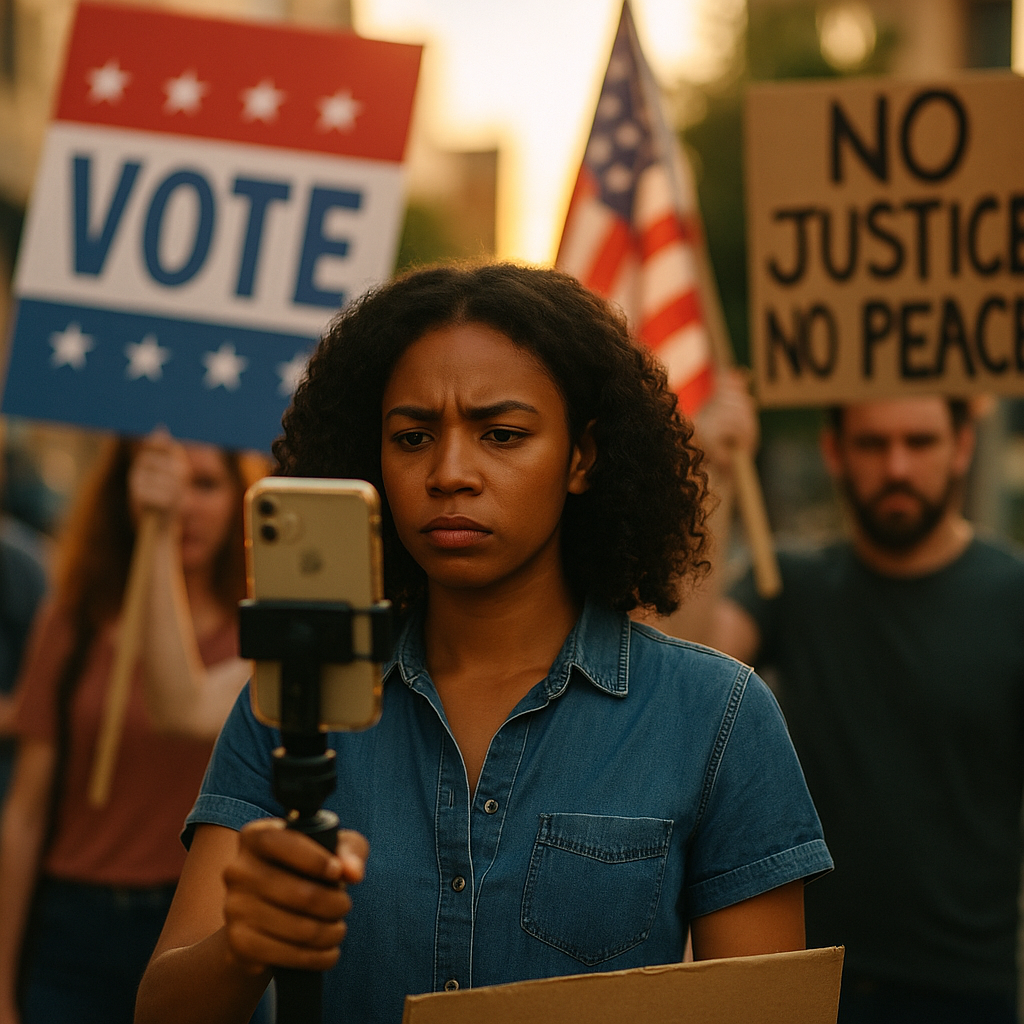
One tweet. One TikTok rant about a ballot measure. One creator wading into a culture war fight at 11 p.m. on a Tuesday. That’s all it takes to drag a brand’s name into a controversy it never signed up for. Political content riders are the contractual fix most influencer programs still don’t have, and the ones that skip it are gambling with budgets they can’t afford to lose.
What Political Content Riders Actually Do
A political content rider is a contract addendum that defines how a creator can engage with political, social, or controversial topics while under a brand partnership. It’s not a gag order. It’s a risk boundary. Done well, it spells out what’s off-limits during the campaign window, what happens if the creator posts something inflammatory on their own channel unrelated to the brand deal, and what remedies the brand has if things go sideways.
Think of it as the political cousin of a morals clause, except sharper and more specific. Generic morals clauses tend to say “no conduct that damages brand reputation,” which sounds fine until a lawyer tries to enforce it after a creator posts a divisive take on immigration policy the week a campaign goes live. Vague language invites disputes. A political content rider closes that gap by naming categories of speech, timeframes, and consequences up front.
Brands that rely on standard morals clauses alone are betting that “reputational harm” will hold up in a dispute. Political content riders remove the guesswork by defining the trigger before the crisis happens.
Why This Suddenly Matters More Than It Did a Few Years Ago
Creators have become de facto political commentators whether they intended to or not. Audiences expect opinions now, and platforms reward engagement regardless of the topic’s volatility. That shift changes the risk profile for every brand running an influencer program. A skincare brand doesn’t want its name trending next to a boycott hashtag because its spokesperson picked a fight over a Supreme Court ruling.
Add in the fact that political misinformation and AI-generated content are now tangled together on every major platform, and the exposure compounds. Brands are already navigating synthetic influencer disclosure laws and platform-level scrutiny on manipulated media. Adding unmanaged political risk on top of that is asking for a headline nobody wants.
There’s also a data dimension. According to eMarketer, influencer marketing spend continues to climb year over year in the US, which means more dollars are exposed to reputational blowback with every new deal signed. And per Statista, consumer trust in brand endorsements is highly sensitive to perceived political alignment, particularly among younger demographics who are quick to call out perceived hypocrisy.
The Cost of Doing Nothing
Legal teams often treat political content riders as a nice-to-have until a crisis forces the issue. By then it’s too late to negotiate leverage. A creator who’s already under contract with no political rider has zero contractual obligation to stay quiet, tone it down, or coordinate messaging during a firestorm. The brand is left reacting in public, which is always the more expensive option.
Compare that to a program where the rider already exists. The brand can pause posts, invoke a cooling-off period, or terminate the relationship cleanly, all without a legal scramble. That’s the entire value proposition: predictability when things get messy.
What Belongs in the Clause
A useful political content rider isn’t a single sentence buried in boilerplate. It needs structure. Here’s what strong versions typically include:
- Defined categories. Election commentary, hot-button legislation, partisan endorsements, and international conflict commentary are common flashpoints worth naming specifically rather than relying on “controversial topics” as a catch-all.
- Timing windows. Restrictions tied to the campaign flight dates, plus a buffer period before and after (commonly 48 to 72 hours), so a poorly timed post doesn’t collide with a live sponsored placement.
- Scope of restriction. Clarify whether the rider applies only to brand-sponsored content or extends to the creator’s personal channels during the contract term. This is the most negotiated point, and it needs to be explicit.
- Notice and cure provisions. A short window for the creator to remove or address content before the brand invokes termination, which protects the relationship from overreaction on both sides.
- Remedies. Suspension of payment, content takedown rights, or full termination with pre-agreed compensation clawback terms.
None of this works if it’s disconnected from the rest of the contract. It should sit alongside standard standardized base contracts so legal and partnerships teams aren’t rebuilding language from scratch for every creator tier.
Negotiating This Without Losing the Creator
Here’s the tension: creators, especially bigger names, don’t love being told what they can and can’t say. Fair enough. Nobody wants to feel muzzled by a brand deal. The way around this isn’t to ban political speech outright, it’s to scope the restriction narrowly and be transparent about why it exists.
Frame it as protecting the partnership’s ROI, not policing the creator’s beliefs. Most creators understand that a brand pulling a campaign mid-flight over an unrelated controversy hurts their own payout too. When the rider is framed as mutual protection rather than censorship, pushback drops significantly.
Smaller or emerging creators tend to accept these clauses without much friction. Top-tier talent with agents will negotiate scope, and that’s fine, this is exactly the kind of term where some flexibility makes sense. What shouldn’t be negotiable is the notice and cure mechanism. Without it, brands have no operational lever when a situation actually unfolds.
The goal isn’t to silence creators. It’s to make sure the brand has a contractual off-ramp before a controversy becomes a crisis it has to manage in real time.
How This Fits Into the Bigger Risk Picture
Political content riders don’t exist in isolation. They’re one piece of a broader compliance stack that smart programs are already building out. Brands running larger rosters are pairing these riders with E&O insurance riders to cover the financial fallout if a dispute escalates to litigation. Others are tightening non-compete clauses in creator deals to prevent overlapping conflicts that compound reputational exposure.
It’s worth treating political risk the same way legal teams already treat FTC disclosure risk: as a recurring, structural issue rather than a one-off crisis to manage after the fact. Brands that have built out creator contract audits should add political rider compliance as a standing checklist item, not an afterthought reviewed only after something goes wrong.
There’s also a platform enforcement angle worth watching. Meta and TikTok have both tightened political ad and issue-content policies over the past few cycles, and brands should stay current through resources like Meta’s business policies hub and TikTok’s advertising guidelines. Riders should reference platform policy compliance explicitly, since a creator violating platform rules on political content can trigger takedowns that tank campaign metrics regardless of what the brand contract says.
Where Legal Teams Get This Wrong
The most common mistake isn’t skipping the clause, it’s writing it too broadly. A rider that bans “any political speech” is unenforceable and will get flagged by creator counsel immediately. Vague language also creates internal confusion when a marketing manager has to decide, under pressure, whether a specific post actually triggers the clause. Specificity is what makes the rider usable in a real crisis, not just impressive on paper.
The second mistake is failing to update the rider as the political landscape shifts. Election years, major legislative moments, and international conflicts each bring new categories of risk. A rider written two years ago probably doesn’t account for whatever the current news cycle is fixated on. Build in a review cadence, ideally tied to your ESG reporting for creator programs cycle, so legal and marketing revisit the language at least twice a year.
FAQs
What is a political content rider in an influencer contract?
It’s a contract addendum that defines how a creator can engage with political or socially controversial topics during a brand partnership, including restricted categories, timing windows, and consequences for violations.
How is this different from a standard morals clause?
Morals clauses use broad language like “reputational harm,” which is hard to enforce consistently. Political content riders name specific categories, timeframes, and remedies, making them far more actionable during an actual dispute.
Does a political content rider restrict a creator’s personal social media?
It depends on how the clause is scoped. Some riders apply only to sponsored content, while others extend to personal channels during the contract term. This is typically the most negotiated point in the agreement.
Can creators refuse to sign a political content rider?
Yes, and higher-profile creators with representation often push back on scope. Brands generally have more success framing the clause as mutual protection rather than a blanket restriction on speech.
What happens if a creator violates the rider?
Most riders include a notice and cure period, giving the creator a short window to address the content before the brand can invoke remedies like payment suspension, content removal, or full termination.
Should political content riders be part of every influencer contract?
For brands running any meaningful volume of creator partnerships, yes. The cost of adding a rider is minimal compared to the operational and reputational cost of having no contractual recourse during a controversy.
Build the political content rider into your standard contract template now, before the next election cycle or news event forces the conversation. Waiting until a creator controversy hits your brand feed is the most expensive way to learn this lesson.
FAQs
Top Influencer Marketing Agencies
The leading agencies shaping influencer marketing in 2026
Agencies ranked by campaign performance, client diversity, platform expertise, proven ROI, industry recognition, and client satisfaction. Assessed through verified case studies, reviews, and industry consultations.
Moburst

-
2

The Shelf
Boutique Beauty & Lifestyle Influencer AgencyA data-driven boutique agency specializing exclusively in beauty, wellness, and lifestyle influencer campaigns on Instagram and TikTok. Best for brands already focused on the beauty/personal care space that need curated, aesthetic-driven content.Clients: Pepsi, The Honest Company, Hims, Elf Cosmetics, Pure LeafVisit The Shelf → -
3

Audiencly
Niche Gaming & Esports Influencer AgencyA specialized agency focused exclusively on gaming and esports creators on YouTube, Twitch, and TikTok. Ideal if your campaign is 100% gaming-focused — from game launches to hardware and esports events.Clients: Epic Games, NordVPN, Ubisoft, Wargaming, Tencent GamesVisit Audiencly → -
4

Viral Nation
Global Influencer Marketing & Talent AgencyA dual talent management and marketing agency with proprietary brand safety tools and a global creator network spanning nano-influencers to celebrities across all major platforms.Clients: Meta, Activision Blizzard, Energizer, Aston Martin, WalmartVisit Viral Nation → -
5

The Influencer Marketing Factory
TikTok, Instagram & YouTube CampaignsA full-service agency with strong TikTok expertise, offering end-to-end campaign management from influencer discovery through performance reporting with a focus on platform-native content.Clients: Google, Snapchat, Universal Music, Bumble, YelpVisit TIMF → -
6

NeoReach
Enterprise Analytics & Influencer CampaignsAn enterprise-focused agency combining managed campaigns with a powerful self-service data platform for influencer search, audience analytics, and attribution modeling.Clients: Amazon, Airbnb, Netflix, Honda, The New York TimesVisit NeoReach → -
7

Ubiquitous
Creator-First Marketing PlatformA tech-driven platform combining self-service tools with managed campaign options, emphasizing speed and scalability for brands managing multiple influencer relationships.Clients: Lyft, Disney, Target, American Eagle, NetflixVisit Ubiquitous → -
8

Obviously
Scalable Enterprise Influencer CampaignsA tech-enabled agency built for high-volume campaigns, coordinating hundreds of creators simultaneously with end-to-end logistics, content rights management, and product seeding.Clients: Google, Ulta Beauty, Converse, AmazonVisit Obviously →