


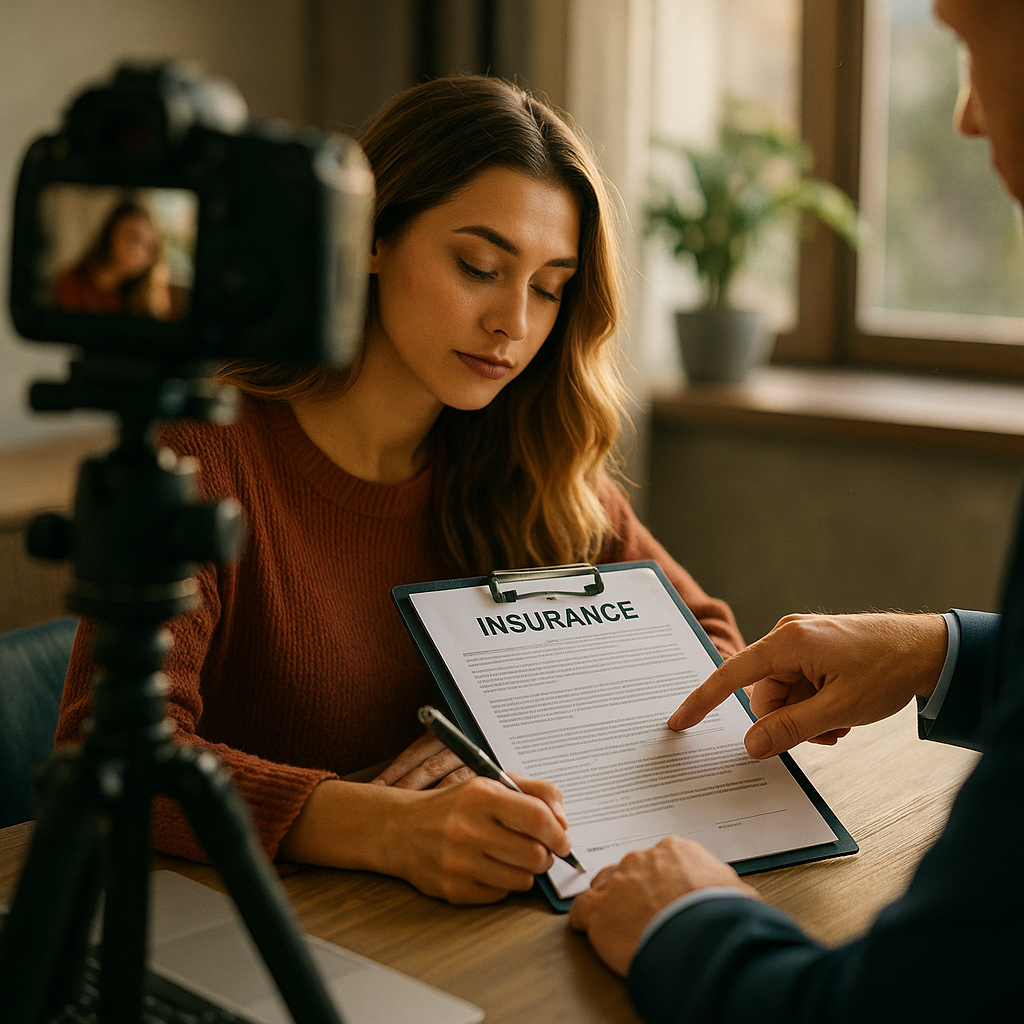
Standard errors and omissions insurance was written for law firms and consultants, not for a 22-year-old with a ring light and 400,000 TikTok followers. That mismatch is why so many brands discover their coverage has a hole exactly where a creator campaign went wrong. E&O insurance riders are the fix, and if your legal team hasn’t reviewed yours since before UGC ads became a media line item, you’re carrying risk you don’t know about.
Why Your Base E&O Policy Wasn’t Built for Influencer Work
Most E&O policies were drafted with a narrow scope: professional negligence, bad advice, missed deadlines. They assume the “professional” is your agency or your internal marketing team. They don’t assume a third-party creator will post an unscripted claim about your supplement’s health benefits, misuse a competitor’s trademark in a comparison video, or forget an FTC disclosure tag on a paid Instagram Reel.
That gap matters because liability doesn’t stop at the creator. Regulators and plaintiffs increasingly treat the brand as the responsible party, regardless of who hit publish. The FTC’s endorsement guidance makes brands and agencies jointly accountable for disclosure failures, not just the influencer who forgot the hashtag.
If your E&O policy still reads like it was written for a management consultancy, it probably excludes the exact scenarios creator campaigns generate most often: endorsement claims, social media content disputes, and third-party IP misuse.
We’ve covered the baseline case for coverage before in our piece on creator liability insurance. This article goes one layer deeper: the specific riders that turn a generic policy into one that actually protects you.
The Riders That Actually Matter for Creator Campaigns
Not every rider is worth the premium bump. But these five show up in claims data often enough that skipping them is a gamble, not a savings.
Advertising Injury and Endorsement Liability Rider
This is the one that covers false advertising claims, misleading endorsements, and product misrepresentation made by a creator on your behalf. Without it, a standard E&O policy may treat a creator’s exaggerated claim (“this serum cured my acne in three days”) as excluded advertising content rather than covered professional error. Given how much influencer content leans on personal testimonial language, this rider is close to non-negotiable.
Intellectual Property and Right of Publicity Rider
Creators borrow music, use trending audio, reference other brands, and occasionally lift visual concepts from other creators without realizing it. When that content runs as paid media, the IP exposure becomes yours. This rider extends coverage to claims involving copyright, trademark, and right of publicity violations embedded in creator content. If your legal team hasn’t already read our breakdown of right of publicity exposure in UGC reuse, that’s a good next stop after this article.
Social Media and Digital Content Liability Rider
Some base policies still define “professional services” narrowly enough to exclude social posts entirely. This rider explicitly names social platforms, livestreams, and short-form video as covered activity. TikTok Shop’s live selling format is a good example of why this matters: real-time commentary during a livestream carries more improvisational risk than a scripted ad, and our analysis of real-time disclosure gaps shows how quickly that risk compounds when disclosure timing is off.
Contractual Liability Rider
If a creator agreement includes indemnification language (and it should), your insurer needs to know that obligation exists before a claim, not during one. This rider ensures the policy responds to liabilities you’ve contractually assumed on behalf of, or alongside, a creator partner. It’s especially relevant for exclusive or ambassador-style deals where the brand carries more of the reputational and financial downside; see our coverage of exclusive creator contract risk for the classification angle that often gets bundled into these disputes.
AI-Generated Content and Synthetic Media Rider
This one didn’t exist five years ago and now it’s arguably the fastest-growing exposure category. Brands running AI-generated ad variations, virtual influencers, or AI voice clones of real creators need coverage that names synthetic media explicitly. Standard policies often exclude “non-human” content generation entirely. Our piece on AI-generated influencer ads walks through why review processes haven’t caught up to the legal exposure here.
How Much Do These Riders Actually Cost?
Pricing varies by carrier, campaign volume, and industry vertical (regulated categories like health, finance, and alcohol pay more), but brands running active creator programs typically see rider premiums add somewhere between 15% and 40% on top of a base E&O policy. That range sounds wide because it is: a beauty brand running 50 micro-influencer posts a month carries different risk than a fintech company doing three paid partnerships a year with mid-tier creators.
Insurers increasingly ask for documentation before quoting these riders: contract templates, disclosure workflows, content approval processes. Brands that can show a standardized base contract structure across their creator roster tend to get better rates, because underwriters read consistency as reduced claims frequency. If your contracts vary creator to creator with no template, expect higher premiums or exclusions carved into the quote.
Where Brands Get Caught Off Guard
A few scenarios come up again and again in claims conversations, and none of them are exotic.
- Sub-affiliate chains. A creator recruits sub-affiliates who post without disclosure training. The brand’s E&O policy may not extend past the primary contracted creator. See our breakdown of sub-affiliate disclosure gaps for how this plays out operationally.
- Cross-border campaigns. A creator posts from a country with different endorsement or tax rules, and coverage territory limits weren’t reviewed before the trip. Our piece on cross-border creator trip exposure covers the adjacent visa and tax risk that often travels alongside insurance gaps.
- Platform-specific liability. Meta’s crypto and financial advertising rules, for instance, create liability brands don’t expect to inherit. Our analysis of Meta crypto ad liability is a useful case study in how platform policy violations become brand-level insurance claims.
None of these are edge cases anymore. They’re Tuesday.
Building Riders Into Vendor and Agency Contracts
A rider is only as good as the paperwork that triggers it. If your influencer agency’s contract doesn’t require them to name your brand as an additional insured, or doesn’t specify minimum coverage limits per campaign, you’re relying on goodwill rather than enforceable protection. Marketing teams should push for three things in every agency or platform vendor agreement:
- Proof of active E&O coverage with the specific riders relevant to the campaign type (endorsement, IP, social media, AI-generated content).
- Additional insured status naming your brand entity, not just a general liability nod.
- A certificate renewal clause so coverage doesn’t lapse mid-campaign without notice.
This is also where creator platform selection matters more than most brands realize. If you’re managing creators through a third-party platform, check what vendor lock-in terms say about liability transfer. Some platforms quietly shift insurance responsibility back to the brand in the fine print.
Marketing and legal teams should also loop in whoever manages sweepstakes or IRL events. Contest liability and venue risk require their own layer of coverage, separate from standard content-related E&O riders, a distinction covered in our piece on event and sweepstakes risk.
Budget conversations around insurance rarely happen in the same meeting as campaign planning, which is part of the problem. According to benchmarking data from eMarketer, influencer marketing spend continues to climb as a share of total media budgets, and that growth curve means the insurance conversation needs to move earlier in the planning cycle, not after a campaign brief is already locked. Platforms like TikTok’s ad platform and Meta Business Suite are adding more creator-content tooling every quarter, which is great for scale and mildly terrifying for anyone tracking liability across dozens of simultaneous partnerships.
Next Step
Pull your current E&O policy this week and check it against the five riders above. If two or more are missing, that’s not a compliance nitpick, it’s an open liability sitting under your next campaign launch.
FAQs
What is an E&O insurance rider in the context of influencer marketing?
It’s an add-on to a standard errors and omissions policy that extends coverage to influencer-specific risks like endorsement claims, social media content disputes, and third-party intellectual property misuse, which base policies often exclude.
Does the brand or the creator need to carry the E&O rider?
Ideally both. Brands should carry their own coverage naming agencies and top creators as additional insureds, while contracts should require creators or their agencies to maintain minimum E&O coverage as well.
Are AI-generated influencer ads covered under standard E&O policies?
Usually not without a specific rider. Many standard policies exclude synthetic or AI-generated media entirely, which means brands running virtual influencer campaigns or AI voice clones need to request that coverage explicitly.
How do FTC disclosure violations affect E&O claims?
Disclosure failures can trigger both regulatory penalties and advertising injury claims. A rider covering endorsement liability helps close the gap, but brands still need documented disclosure training and monitoring to reduce claim frequency in the first place.
Should sub-affiliates and micro-influencers be covered under the same rider as primary creators?
Not automatically. Sub-affiliate networks often fall outside the primary creator contract, so brands need to confirm whether the rider’s coverage extends down the chain or stops at the first-tier partner.
Top Influencer Marketing Agencies
The leading agencies shaping influencer marketing in 2026
Agencies ranked by campaign performance, client diversity, platform expertise, proven ROI, industry recognition, and client satisfaction. Assessed through verified case studies, reviews, and industry consultations.
Moburst

-
2

The Shelf
Boutique Beauty & Lifestyle Influencer AgencyA data-driven boutique agency specializing exclusively in beauty, wellness, and lifestyle influencer campaigns on Instagram and TikTok. Best for brands already focused on the beauty/personal care space that need curated, aesthetic-driven content.Clients: Pepsi, The Honest Company, Hims, Elf Cosmetics, Pure LeafVisit The Shelf → -
3

Audiencly
Niche Gaming & Esports Influencer AgencyA specialized agency focused exclusively on gaming and esports creators on YouTube, Twitch, and TikTok. Ideal if your campaign is 100% gaming-focused — from game launches to hardware and esports events.Clients: Epic Games, NordVPN, Ubisoft, Wargaming, Tencent GamesVisit Audiencly → -
4

Viral Nation
Global Influencer Marketing & Talent AgencyA dual talent management and marketing agency with proprietary brand safety tools and a global creator network spanning nano-influencers to celebrities across all major platforms.Clients: Meta, Activision Blizzard, Energizer, Aston Martin, WalmartVisit Viral Nation → -
5

The Influencer Marketing Factory
TikTok, Instagram & YouTube CampaignsA full-service agency with strong TikTok expertise, offering end-to-end campaign management from influencer discovery through performance reporting with a focus on platform-native content.Clients: Google, Snapchat, Universal Music, Bumble, YelpVisit TIMF → -
6

NeoReach
Enterprise Analytics & Influencer CampaignsAn enterprise-focused agency combining managed campaigns with a powerful self-service data platform for influencer search, audience analytics, and attribution modeling.Clients: Amazon, Airbnb, Netflix, Honda, The New York TimesVisit NeoReach → -
7

Ubiquitous
Creator-First Marketing PlatformA tech-driven platform combining self-service tools with managed campaign options, emphasizing speed and scalability for brands managing multiple influencer relationships.Clients: Lyft, Disney, Target, American Eagle, NetflixVisit Ubiquitous → -
8

Obviously
Scalable Enterprise Influencer CampaignsA tech-enabled agency built for high-volume campaigns, coordinating hundreds of creators simultaneously with end-to-end logistics, content rights management, and product seeding.Clients: Google, Ulta Beauty, Converse, AmazonVisit Obviously →