


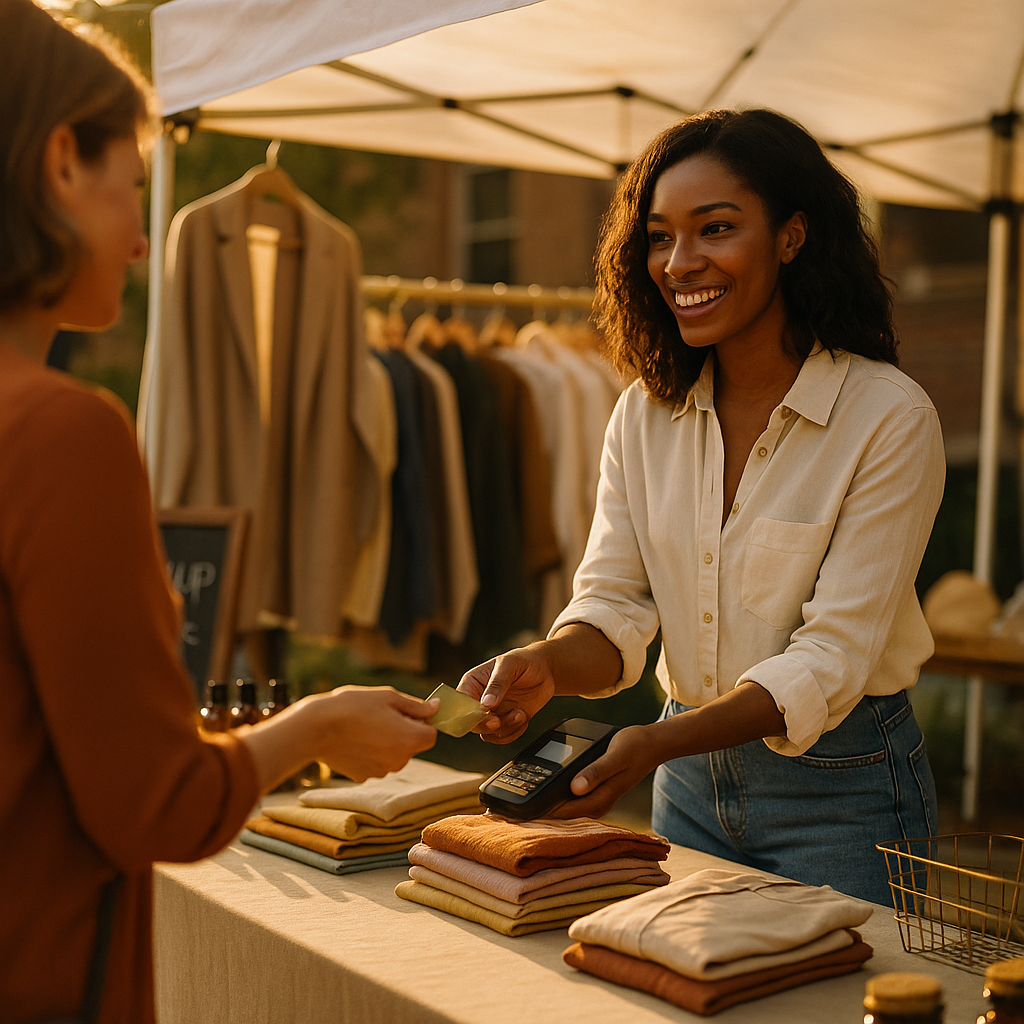
Pop-up shops have redefined retail with their ability to rapidly boost visibility and revenue for brands. In this case study on a successful pop-up shop that drove brand awareness and sales, discover the winning tactics and measurable outcomes behind a standout campaign. Dive in to learn actionable lessons and best practices you can apply to your next experiential retail venture.
Strategic Location: Maximizing Foot Traffic for Brand Awareness
One of the most critical decisions in pop-up shop planning is choosing the right location. In this case, the brand selected a high-traffic urban shopping district in the heart of Chicago, strategically positioned between popular cafes and a bustling transit hub. Recent consumer research from the National Retail Federation in 2025 indicated that 75% of pop-up visitors discover a brand due to visible, walkable locations.
By placing the pop-up where the target audience already frequented, the brand ensured consistent organic exposure. They negotiated a flexible, four-week lease, which allowed for rapid activation without a long-term commitment. This location strategy immediately drew attention from passersby and leveraged the area’s steady flow of local shoppers, commuters, and tourists.
Takeaway: Prioritize proximity to your potential customers’ daily routes. Analyze real-time pedestrian analytics to guide your site selection, ensuring maximum engagement and impulsive visits that spark brand discovery.
Immersive Customer Experience: Driving Engagement and Sales
The pop-up shop’s interior was designed as an immersive, Instagrammable experience, reflecting the brand’s core values of sustainability and innovation. Custom installations showcased new product lines alongside interactive digital displays, allowing visitors to learn about product origins and manufacturing processes.
In-store events amplified excitement. Workshops, influencer meet-and-greets, and exclusive product launches kept energy levels high and encouraged social sharing. According to a 2025 Event Marketing Institute survey, brands hosting interactive events in pop-ups see a 32% increase in dwell time and a 17% uptick in direct sales.
- Personalized service: Staff trained as brand ambassadors offered one-on-one consultations.
- Tactile sampling: Customers could touch and test products before purchase.
- Shareable moments: Eye-catching displays and selfie stations spurred user-generated content.
This customer-centric setup fostered emotional connection and encouraged customers to become brand advocates both in-person and online.
Data-Driven Marketing: Amplifying Outreach and Awareness
Pre-launch promotions focused on building momentum across multiple channels, including geo-targeted Google Ads, organic social media campaigns, and strategic collaborations with local micro-influencers. Marketing teams tracked digital engagement using unique QR codes displayed in-store and on teaser posters.
The brand’s investment in real-time analytics paid off significantly. They monitored:
- Foot traffic conversions: Ratio of passersby to visitors and visitors to paying customers.
- Engagement metrics: Social mentions, branded hashtag usage, and email sign-ups.
- Sales analytics: SKUs sold, average transaction value, and product preferences.
By the conclusion of the pop-up, the brand reported a 49% lift in social media followers, a 28% increase in overall website traffic, and a 20% boost in first-time customer conversions—directly attributable to the campaign. The ability to gather granular, actionable insights empowered continuous improvements and future event planning.
Collaborative Partnerships: Leveraging Local and Influencer Networks
A key driver of the pop-up shop’s success was its approach to partnerships. The brand reached out to local artisans and sustainable food vendors, co-hosting weekly events and offering guest product showcases. This collaborative model attracted new visitors, diversified the store’s product mix, and fostered a sense of community.
Strategic influencer partnerships further amplified reach. By inviting micro-influencers aligned with the brand’s values for exclusive previews and live coverage, the pop-up generated authentic buzz in real-time. According to a 2025 Social Commerce Trends report, campaigns involving local collaborators and influencers deliver a 45% higher engagement rate versus isolated brand activities.
- Cultural alignment: Partnerships reflected the interests and lifestyle of the local target audience.
- Authenticity: Guest partners shared behind-the-scenes content, driving credibility and trust.
- Cross-promotion: All collaborators promoted the pop-up to their own audiences, exponentially expanding awareness.
These synergistic relationships seeded lasting goodwill, cementing the brand as an active participant in the local ecosystem.
Long-Term Impact: Sustaining Sales and Building Brand Loyalty
A successful pop-up is not just a spike in short-term revenue, but a catalyst for long-term brand growth. Post-event surveys and purchase tracking revealed that over 60% of visitors signed up for the brand’s loyalty program, and 36% made repeat purchases online within six months after the pop-up concluded.
The shop also served as a valuable testbed for new products, with real-world customer feedback leading to informed adjustments before nationwide releases. The insights gathered helped refine the brand’s omnichannel strategy, blending in-store intimacy with digital convenience. Many surveyed customers cited the pop-up as the reason for their increased trust in the brand, demonstrating a direct link between experiential retail and improved brand sentiment.
According to recent data from eMarketer in 2025, brands combining physical touchpoints with digital personalization experience customer retention rates 27% higher than strictly online competitors. This pop-up’s measured follow-ups—targeted offers, personalized emails, and community-building events—transformed a momentary encounter into lasting loyalty.
Lessons Learned: Pop-Up Shop Best Practices for Success
Reflecting on this case study, several key best practices emerged for brands considering a pop-up strategy:
- Prioritize location selection based on pedestrian analytics and target demographic insights.
- Design immersive, interactive experiences that foster emotional connections and encourage social sharing.
- Leverage real-time data to optimize marketing spend, track conversions, and personalize outreach.
- Build collaborative partnerships with local businesses, artisans, and influencers to drive authenticity and expand your reach.
- Plan for post-event engagement, nurturing visitors into repeat customers through tailored communication and loyalty incentives.
Each step in this process, underpinned by a commitment to customer satisfaction and authenticity, contributed to the pop-up’s resounding success.
Conclusion
This case study on a successful pop-up shop that drove brand awareness and sales demonstrates that experiential retail, combined with smart data strategies and community collaboration, is a powerful formula for modern growth. Brands that invest in memorable customer experiences and sustained engagement will continue to thrive in the evolving market landscape of 2025.
FAQs
-
What is a pop-up shop and how does it help drive brand awareness?
A pop-up shop is a temporary retail space designed to showcase products or services, creating a unique brand experience. It helps drive brand awareness by placing the brand in strategic, high-traffic locations and fostering direct, memorable interactions with target audiences that go beyond digital engagement.
-
How do you measure the success of a pop-up shop?
Success is measured through a combination of metrics including foot traffic, conversion rates, sales, social media engagement, brand mentions, and post-event customer retention. Many brands also track loyalty sign-ups, survey feedback, and word-of-mouth reach generated during and after the event.
-
What are some common challenges in running a pop-up shop?
Brands often face challenges such as finding the ideal location, managing short set-up timelines, optimizing staff training, and driving consistent foot traffic. Solving logistical hurdles, ensuring immersive customer experiences, and capturing actionable data are also key for maximizing the pop-up’s impact.
-
Can pop-up shops build long-term customer loyalty?
Yes, when executed thoughtfully. Pop-up shops allow brands to create real-world touchpoints that build trust, enable hands-on product testing, and deliver personalized experiences—all of which nurture deeper customer relationships that persist long after the event concludes.
-
What marketing strategies work best for promoting a pop-up shop?
Successful strategies include geo-targeted digital ads, influencer partnerships, community event marketing, and leveraging social media. Integrated use of QR codes and audience segmentation enables brands to track engagement and ROI, while collaborations with local businesses and artists help drive authentic buzz.
Top Influencer Marketing Agencies
The leading agencies shaping influencer marketing in 2026
Agencies ranked by campaign performance, client diversity, platform expertise, proven ROI, industry recognition, and client satisfaction. Assessed through verified case studies, reviews, and industry consultations.
Moburst

-
2

The Shelf
Boutique Beauty & Lifestyle Influencer AgencyA data-driven boutique agency specializing exclusively in beauty, wellness, and lifestyle influencer campaigns on Instagram and TikTok. Best for brands already focused on the beauty/personal care space that need curated, aesthetic-driven content.Clients: Pepsi, The Honest Company, Hims, Elf Cosmetics, Pure LeafVisit The Shelf → -
3

Audiencly
Niche Gaming & Esports Influencer AgencyA specialized agency focused exclusively on gaming and esports creators on YouTube, Twitch, and TikTok. Ideal if your campaign is 100% gaming-focused — from game launches to hardware and esports events.Clients: Epic Games, NordVPN, Ubisoft, Wargaming, Tencent GamesVisit Audiencly → -
4

Viral Nation
Global Influencer Marketing & Talent AgencyA dual talent management and marketing agency with proprietary brand safety tools and a global creator network spanning nano-influencers to celebrities across all major platforms.Clients: Meta, Activision Blizzard, Energizer, Aston Martin, WalmartVisit Viral Nation → -
5

The Influencer Marketing Factory
TikTok, Instagram & YouTube CampaignsA full-service agency with strong TikTok expertise, offering end-to-end campaign management from influencer discovery through performance reporting with a focus on platform-native content.Clients: Google, Snapchat, Universal Music, Bumble, YelpVisit TIMF → -
6

NeoReach
Enterprise Analytics & Influencer CampaignsAn enterprise-focused agency combining managed campaigns with a powerful self-service data platform for influencer search, audience analytics, and attribution modeling.Clients: Amazon, Airbnb, Netflix, Honda, The New York TimesVisit NeoReach → -
7

Ubiquitous
Creator-First Marketing PlatformA tech-driven platform combining self-service tools with managed campaign options, emphasizing speed and scalability for brands managing multiple influencer relationships.Clients: Lyft, Disney, Target, American Eagle, NetflixVisit Ubiquitous → -
8

Obviously
Scalable Enterprise Influencer CampaignsA tech-enabled agency built for high-volume campaigns, coordinating hundreds of creators simultaneously with end-to-end logistics, content rights management, and product seeding.Clients: Google, Ulta Beauty, Converse, AmazonVisit Obviously →