


The QSR Brand That Stopped Renting Audiences and Started Owning Them
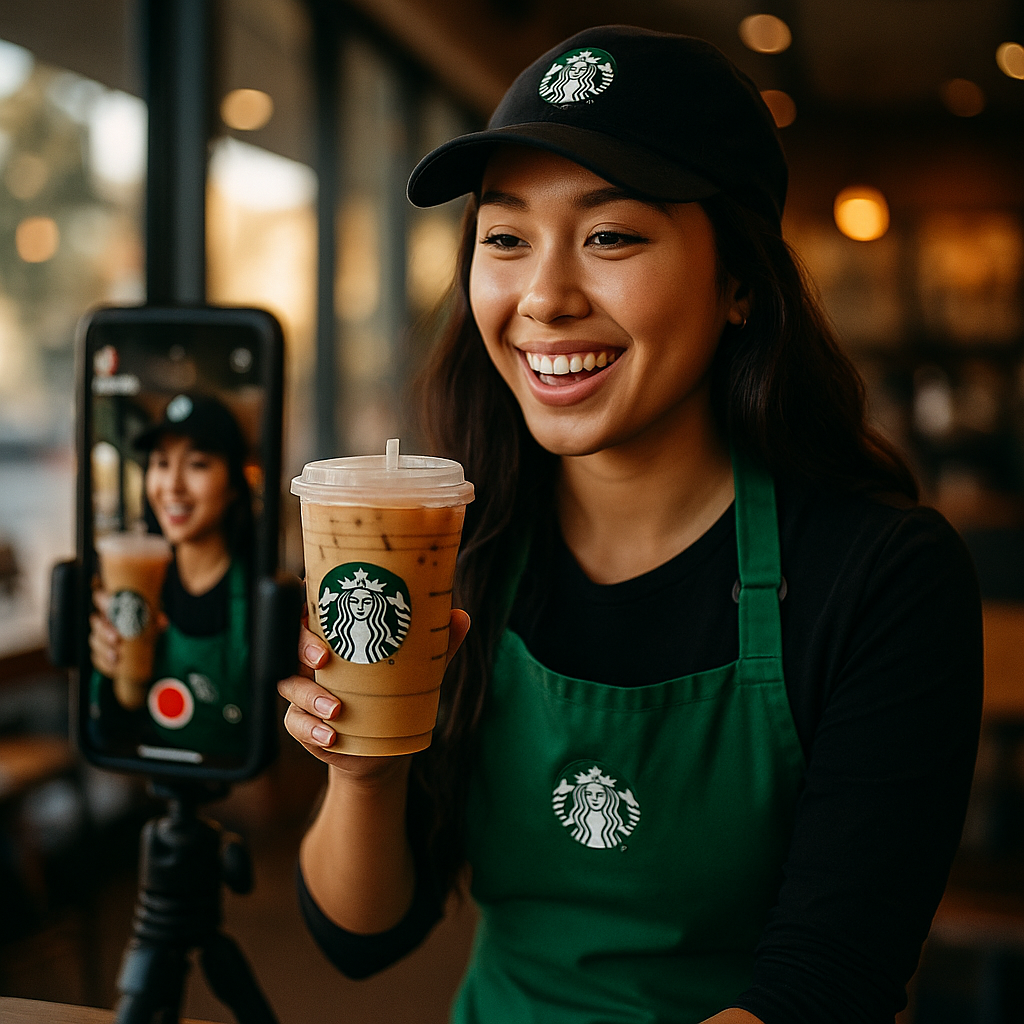
What happens when a brand with 16,000 U.S. locations decides to turn its own workforce into a structured creator network? Starbucks’ Green Apron Creator Program is one of the most operationally sophisticated branded creator programs on TikTok right now, and most brand strategists are only seeing the surface of what makes it work.
This is not a brand ambassador program dressed up in new language. The architecture underneath it — creator tiering, brief distribution, commerce attribution, and compliance scaffolding — is closer to what you’d expect from a mid-sized agency’s proprietary tech stack than a traditional corporate social initiative.
Why Employee-Creator Networks Hit Differently Than Paid Rosters
The default play for most enterprise brands is a paid roster: identify creators with the right audience overlap, negotiate rates, brief them, ship product. That model has real value, but it comes with structural limitations. Audience trust scores for paid partnerships have been declining. eMarketer data consistently shows that disclosed sponsorships on TikTok generate lower organic reach multipliers than content perceived as genuine opinion.
The Green Apron program sidesteps this by activating creators who already have an authentic, lived relationship with the brand. Starbucks partners don’t need to be briefed on what the brand feels like. They know how the oat milk steams, they know which seasonal drinks cause a line out the door, and they know how to film a shift in a way that reads as real to their followers. That credibility is not purchasable at any CPM.
Employee-creator programs can generate 3-5x higher trust signals on TikTok compared to standard paid partnerships, according to internal benchmarks cited by enterprise brands using proprietary creator networks — because the creator’s relationship with the product predates the content brief.
The operational challenge, of course, is that managing 16,000 potential creators is nothing like managing a roster of 50. That scale gap is exactly where the architecture becomes important.
Activation Architecture: How the Tiering Actually Works
Not every Starbucks partner is an active Green Apron creator. The program uses a tiered opt-in model. Partners register their social handles, platform preferences, and estimated audience size through an internal portal. From there, Starbucks segments creators into tiers based on a combination of reach, engagement rate, content consistency, and geographic market relevance.
Tier structure matters here. A barista in Seattle with 4,200 TikTok followers and a 9% engagement rate is more valuable for a Pacific Northwest seasonal launch than a creator with 200,000 followers and a diffuse national audience. Geographic precision is something most paid creator rosters genuinely struggle to deliver. This is one reason niche creator strategies are consistently outperforming broadcast-style influencer plays for QSR and retail brands.
Briefs are distributed through the same internal system, with creators receiving tiered access to campaign assets, talking points, and compliance guidance. Higher-tier creators get earlier access to product launches and more creative latitude. Lower-tier creators operate with tighter guardrails but are given templated content structures that still allow for personal voice.
This is not a “post what you want” program. There are brand safety checkpoints and disclosure requirements baked directly into the brief flow, which matters enormously from a compliance standpoint. The FTC’s endorsement guidelines apply to employee creators just as they apply to paid external influencers, and getting this wrong at scale is a legal and reputational liability most brands underestimate.
Creator Matching Logic: More Than Audience Demographics
The matching layer is where most branded creator programs lose efficiency. Brands default to demographic overlap: if your target is women 18-34 who drink coffee, you find creators whose audience skews that way. That’s a reasonable starting point. It is not a sophisticated one.
Starbucks appears to use a multi-signal matching model that layers content affinity on top of demographics. A partner who regularly posts about wellness routines is matched to campaigns featuring nutritional transparency or new lighter-calorie beverage lines. A partner who posts gaming or late-night content gets matched to cold brew and Refreshers campaigns targeting a different behavioral segment. The product is the same company, but the content environment shifts to match the creator’s existing audience contract.
This approach mirrors what Canva has been building on the software side, where AI-powered creator community models are being used to optimize brief matching at volume without sacrificing content relevance. The underlying logic is similar: don’t just match on who a creator reaches. Match on what context they create in.
The result is content that fits natively into a creator’s existing TikTok identity rather than interrupting it. That native fit is directly correlated with higher view completion rates and lower skip rates, which flow through to better algorithmic distribution.
Commerce Attribution: The Hard Problem, Mostly Solved
Attribution in TikTok creator programs is genuinely difficult. The platform’s attribution window, cookie limitations, and in-app browsing behavior create gaps between content exposure and measurable purchase action. This is especially complex for a brand like Starbucks where the conversion happens in-store, not through a direct checkout link.
The Green Apron program addresses this through a layered attribution stack:
- Promo code tracking: Creator-specific codes tied to the Starbucks app unlock a small discount or bonus star reward. Every redemption is a direct, attributed conversion signal.
- App install and session lift: Campaigns are measured against Starbucks app installs and session frequency in the 72 hours following content publication, segmented by the creator’s DMA (designated market area).
- In-store foot traffic correlation: Using location data partnerships, Starbucks can measure incremental foot traffic to specific stores in a creator’s geographic market against a baseline week.
- TikTok Shop integration for CPG SKUs: For packaged products like Starbucks coffee sold at retail, TikTok Shop’s native attribution handles direct-to-checkout tracking with the same precision any DTC brand would use.
This multi-signal approach is significantly more robust than most branded creator programs, which still rely almost entirely on promo codes or last-click UTM parameters. For a comparable breakdown of how QSR brands are closing the attribution gap, the Benihana reservation lift case is instructive — it uses a similar DMA-level measurement methodology.
Attribution for physical-location brands is not a single-signal problem. The brands winning on TikTok in QSR and retail are layering promo codes, app behavior, location data, and TikTok Shop together. Any single signal alone will undercount impact by 40-60%.
What Sets This Apart From Generic Employee Advocacy Programs
Most employee advocacy programs are essentially content amplification tools. The company posts something, employees share it, reach expands. That’s a repurposing play, not a creator program.
The Green Apron structure inverts that model. Creators are generating original content rooted in their own perspective and platform identity. The brand provides guardrails, assets, and incentive structures, but the content itself originates with the creator. That’s the distinction that drives performance. It’s also what makes this program genuinely replicable for other enterprise brands — provided they have both the internal portal infrastructure to manage brief distribution and the compliance scaffolding to handle disclosure at scale.
Compare this to how Rhode’s creator camp model functions for a DTC brand: different scale, same philosophical foundation. Original creator voice, brand-provided context, commerce infrastructure underneath. The size of the company changes. The underlying architecture logic does not.
For brands considering replication, the prerequisite is an internal content operations system capable of handling brief delivery, asset management, compliance review, and performance reporting across a large creator pool. Platforms like GRIN and Aspire offer infrastructure that can handle portions of this workflow for brands that don’t want to build internally. The TikTok Creator Marketplace also provides a baseline layer for discovery and campaign management that can anchor a broader stack.
The Real Takeaway for Brand Strategists
If you’re running an influencer program at enterprise scale and you’re not auditing your employee creator potential, you’re leaving a structurally superior audience pool untouched. The Green Apron program is worth studying not because Starbucks is exceptional, but because the architecture it uses is transferable. Build the portal. Define your tiers. Layer your attribution signals. And treat compliance as infrastructure, not an afterthought.
Start by mapping which of your employees are already creating content about your brand organically. That list is your waitlist for a program that no paid roster can fully replicate.
Frequently Asked Questions
What is the Starbucks Green Apron Creator Program?
The Starbucks Green Apron Creator Program is a proprietary TikTok creator network built from Starbucks’ own employee base, referred to internally as “partners.” Employees opt into the program, register their social handles, and receive tiered access to brand campaign briefs, product launch assets, and talking points. They create original TikTok content based on their own experience and audience identity, with brand-provided guardrails and FTC-compliant disclosure requirements built into the brief workflow.
How does Starbucks attribute sales from TikTok creator content?
Starbucks uses a multi-signal attribution stack that includes creator-specific promo codes tied to app rewards, Starbucks app install and session lift data, DMA-level in-store foot traffic measurement via location data partnerships, and TikTok Shop native attribution for CPG retail SKUs. Relying on any single signal typically undercounts the true impact by a significant margin, which is why layered attribution is essential for physical-location brands.
Can other brands replicate this creator network model?
Yes. The underlying architecture — tiered creator opt-in, brief distribution infrastructure, multi-signal attribution, and compliance scaffolding — is replicable for any enterprise brand with an existing employee base that has a meaningful relationship with the product. Brands can use platforms like GRIN or Aspire to manage brief distribution and performance reporting without building a custom internal portal from scratch. The key prerequisite is having a compliance review process that handles FTC disclosure requirements at volume.
How does creator matching work in branded employee creator programs?
Effective creator matching goes beyond audience demographics. The Green Apron model layers content affinity signals on top of reach and engagement metrics, matching creators to campaigns based on the type of content they already produce and the behavioral identity of their existing audience. A creator who posts wellness content gets matched to nutrition-forward campaigns. A creator with a late-night entertainment audience gets matched to cold beverage or energy-focused SKUs. This native-fit matching improves view completion rates and algorithmic distribution.
What are the FTC compliance requirements for employee-creator programs?
The FTC’s endorsement and testimonial guidelines apply to employee creators in the same way they apply to paid external influencers. Any creator who has a material relationship with a brand — including employment — must clearly disclose that relationship in their content. For TikTok, this typically means using on-screen text disclosure, in-caption language, and TikTok’s own paid partnership tag where applicable. Brands are responsible for ensuring their creator programs have disclosure requirements built into brief workflows, not left to individual creator judgment.
Top Influencer Marketing Agencies
The leading agencies shaping influencer marketing in 2026
Agencies ranked by campaign performance, client diversity, platform expertise, proven ROI, industry recognition, and client satisfaction. Assessed through verified case studies, reviews, and industry consultations.
Moburst

-
2

The Shelf
Boutique Beauty & Lifestyle Influencer AgencyA data-driven boutique agency specializing exclusively in beauty, wellness, and lifestyle influencer campaigns on Instagram and TikTok. Best for brands already focused on the beauty/personal care space that need curated, aesthetic-driven content.Clients: Pepsi, The Honest Company, Hims, Elf Cosmetics, Pure LeafVisit The Shelf → -
3

Audiencly
Niche Gaming & Esports Influencer AgencyA specialized agency focused exclusively on gaming and esports creators on YouTube, Twitch, and TikTok. Ideal if your campaign is 100% gaming-focused — from game launches to hardware and esports events.Clients: Epic Games, NordVPN, Ubisoft, Wargaming, Tencent GamesVisit Audiencly → -
4

Viral Nation
Global Influencer Marketing & Talent AgencyA dual talent management and marketing agency with proprietary brand safety tools and a global creator network spanning nano-influencers to celebrities across all major platforms.Clients: Meta, Activision Blizzard, Energizer, Aston Martin, WalmartVisit Viral Nation → -
5

The Influencer Marketing Factory
TikTok, Instagram & YouTube CampaignsA full-service agency with strong TikTok expertise, offering end-to-end campaign management from influencer discovery through performance reporting with a focus on platform-native content.Clients: Google, Snapchat, Universal Music, Bumble, YelpVisit TIMF → -
6

NeoReach
Enterprise Analytics & Influencer CampaignsAn enterprise-focused agency combining managed campaigns with a powerful self-service data platform for influencer search, audience analytics, and attribution modeling.Clients: Amazon, Airbnb, Netflix, Honda, The New York TimesVisit NeoReach → -
7

Ubiquitous
Creator-First Marketing PlatformA tech-driven platform combining self-service tools with managed campaign options, emphasizing speed and scalability for brands managing multiple influencer relationships.Clients: Lyft, Disney, Target, American Eagle, NetflixVisit Ubiquitous → -
8

Obviously
Scalable Enterprise Influencer CampaignsA tech-enabled agency built for high-volume campaigns, coordinating hundreds of creators simultaneously with end-to-end logistics, content rights management, and product seeding.Clients: Google, Ulta Beauty, Converse, AmazonVisit Obviously →