


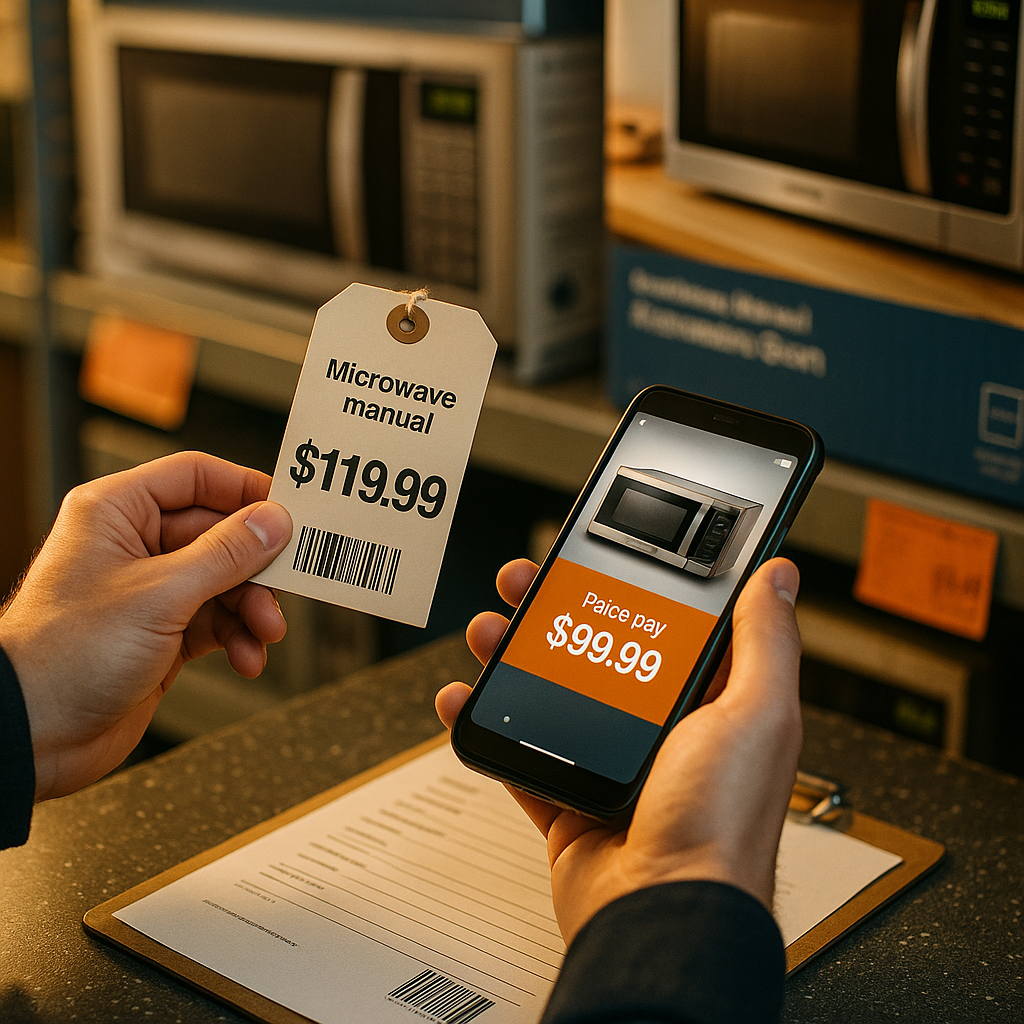
Seventy-one percent of consumers say they trust influencer recommendations more when the creator shows honest comparisons, not just praise. That’s exactly why the price-match challenge format has exploded across TikTok and YouTube Shorts: put your product next to a cheaper competitor, film the side-by-side, let the audience decide. It’s compelling television. It’s also a compliance minefield if brands don’t brief it properly.
Why This Format Is Suddenly Everywhere
Comparison content isn’t new. Consumer Reports built an empire on it. What’s changed is who’s doing the comparing and how fast it spreads. A single creator with a ring light and two products can generate more purchase intent in ninety seconds than a full-page magazine ad ever did.
The price-match challenge specifically pits a brand’s product against a dupe, a store-brand alternative, or a viral budget competitor. Think skincare serums against drugstore ringers, or a $40 kitchen gadget against a $12 knockoff from a marketplace app. The creator tests both, often blind, and reveals which one performed better relative to cost.
Brands love it because skepticism sells. Audiences have grown numb to polished endorsements. A creator willing to say “the cheaper one actually wasn’t bad, but here’s why I’d still pay more” reads as credible in a way that scripted praise never will. It’s the same psychological mechanism behind the skeptic-to-convert format — doubt, then resolution, builds more trust than certainty from the first frame.
A comparison video only builds trust if the outcome feels uncertain. The moment audiences sense the fix is in, the format’s core asset — credibility — collapses.
The ROI Case, and Where It Breaks
Done well, price-match content converts because it answers the exact objection a shopper is already forming in their head: “why not just buy the cheap one?” You’re pre-empting the price comparison they’d do on Amazon anyway, except now it happens inside branded content with your product positioned to win.
Sprout Social’s research on social commerce behavior consistently shows that trust signals outperform discount signals for repeat purchase intent. A price-match video, framed honestly, gives you both: a trust signal and an implicit discount argument (cost-per-use, durability, results-per-dollar).
But the format breaks in three predictable ways:
- The comparison isn’t fair. Rigged tests get called out fast, and the backlash is louder than the original video’s reach.
- The cheaper product wins on camera. If you haven’t stress-tested your own product against the alternative beforehand, you’re gambling with a live audience.
- Disclosure gets skipped in the excitement of the “reveal” moment. Comparison formats tend to bury the paid partnership disclosure under the drama of the results.
Brief the Comparison Like a Scientist, Not a Salesperson
The single biggest mistake brands make is briefing creators to “show why ours is better.” That’s not a comparison, that’s an ad with extra steps, and audiences can smell it. Instead, brief the testing methodology, not the conclusion.
Specify: what’s being tested (texture, performance, longevity, taste, results after X uses), how it’s measured (visually, functionally, via a specific benchmark), and what happens if the cheaper product performs comparably on one metric. Let the creator say so. Your product’s win should come from a metric where you’re genuinely strong, not from editing around the metrics where you’re not.
This mirrors the discipline brands are learning to apply in silent comparison formats, where the absence of narration forces the product to prove itself visually. Price-match challenges need the same rigor, just with dialogue attached.
Legal and Compliance: The Part Brands Skip
The FTC has been explicit that comparative advertising claims made by influencers carry the same substantiation requirements as claims made directly by the brand. If a creator says “this lasted twice as long,” you need data to back that, whether the creator said it spontaneously or you fed them the line. The FTC’s endorsement guidance doesn’t distinguish between brand-scripted and creator-improvised claims once the content is sponsored.
That means legal review isn’t optional for price-match content. It’s structurally different from a standard unboxing or haul video because you’re making an active, on-camera claim against a named or visually identifiable competitor. A few practical rules:
- Never let a creator name a specific competitor brand unless legal has cleared the comparison claim.
- Require #ad or #partner disclosure to appear before the comparison reveal, not buried in a description box.
- Keep raw footage of the actual test. If a claim gets challenged, you need proof the comparison wasn’t staged.
- Avoid superlative claims (“the best,” “nothing beats it”) unless you can substantiate them against every reasonable competitor, not just the one in the video.
This overlaps heavily with lessons from FTC compliance frameworks built for other trust-forward formats. The compliance logic is portable, but comparison content raises the stakes because a competitor could plausibly take legal action, not just the FTC.
What Good Direction Actually Looks Like
Directing a price-match challenge well means giving creators structure without scripting their opinion. Here’s a framework that’s worked across CPG, beauty, and home goods campaigns:
- Pre-brief the test criteria. Agree in advance on 3-4 measurable dimensions (price per use, performance, ingredient quality, customer-reported durability).
- Let the creator source the comparison product themselves. This avoids any appearance that the brand rigged the matchup, and it’s more authentic to how the creator’s audience actually shops.
- Film both tests under identical conditions. Same lighting, same timeframe, same usage pattern. Inconsistency here is the first thing skeptical viewers flag in comments.
- Build in a “surprise allowance.” Brief creators to acknowledge if the cheaper product does something well. Counterintuitively, this increases trust in the final recommendation.
- Require disclosure language on-screen, not just spoken. Verbal disclosures get cut in editing more often than brands realize.
Notice what’s missing from that list: a required conclusion. You’re briefing the process, not the punchline. If your product is genuinely competitive, a fair test gets you there most of the time. If it isn’t, you’ve learned something more valuable than a piece of content — you’ve learned where your product actually stands against the market your customers are already comparing you to.
Where This Format Fits in a Broader Content Mix
Price-match challenges shouldn’t be a standalone tactic. They work best layered into a broader creator content strategy alongside formats that build different trust signals. A price-per-use breakdown format, for instance, handles the value argument without the adversarial framing of a head-to-head test. A silent skill demo can reinforce product quality without naming a competitor at all, reducing legal exposure while still showing performance.
Brands running multiple formats simultaneously should think about this the way they’d think about content format diversification: comparison content earns attention and conversion, lower-risk formats sustain volume and consistency. Don’t put your entire creator budget into price-match videos. Use them as a sharp, occasional tool, not the whole toolkit.
Measuring Whether It’s Actually Working
Standard engagement metrics undersell this format’s real value. Comments matter more than likes here, specifically comments debating the outcome or asking follow-up questions about the test methodology. That’s a signal the comparison felt real enough to argue about.
Track:
- Click-through rate on the “why we still recommend X” moment (usually the back half of the video, so retention to that point matters).
- Sentiment in comments specifically addressing the comparison’s fairness.
- Post-purchase return rates for customers who converted via this content (a high return rate suggests the comparison oversold the win).
- Share rate relative to other creator formats. Comparison content tends to get shared into group chats and forums as “proof,” which extends reach beyond the platform algorithm.
eMarketer’s data on creator content performance has repeatedly shown that comparison and review-style formats hold attention longer than straight product demos, precisely because the outcome feels unresolved until the end. Use retention curves, not just completion rate, to see where viewers actually engage with the comparison itself.
Next step: before greenlighting a price-match challenge, run the comparison test in-house first, with the same criteria you’ll hand the creator. If your product doesn’t win on the metrics that matter to your audience, fix the product or change the metric — don’t fix the edit.
FAQs
Is the price-match challenge format legally risky for brands?
Yes, more than standard sponsored content. Naming a specific competitor and making comparative claims triggers stricter substantiation requirements under FTC guidance. Brands should route any comparison script or claim through legal review before filming.
Should creators be allowed to pick the competitor product themselves?
Generally, yes. Letting creators source the comparison independently makes the test feel more authentic and reduces the appearance that the brand rigged the outcome. Brands should still approve the specific product before filming to avoid unexpected legal or claims issues.
What happens if the cheaper product wins the comparison on camera?
This is a real risk, which is why brands should run the same test internally before briefing a creator. If a fair test shows the competitor winning on a key metric, that’s valuable product intelligence, not just a failed piece of content.
How is this different from a standard unboxing or review video?
Price-match content makes an active comparative claim against a named or visually identifiable competitor, which carries higher legal exposure than a standalone review. It requires tighter methodology, documented testing, and stricter disclosure placement.
How much of a creator content budget should go toward comparison formats?
Most brands treat price-match content as a high-impact, lower-frequency tactic rather than a primary content pillar. Pairing it with steadier, lower-risk formats keeps overall creator output consistent while reserving comparison content for moments with strong data behind the product.
FAQs
Is the price-match challenge format legally risky for brands?
Yes, more than standard sponsored content. Naming a specific competitor and making comparative claims triggers stricter substantiation requirements under FTC guidance. Brands should route any comparison script or claim through legal review before filming.
Should creators be allowed to pick the competitor product themselves?
Generally, yes. Letting creators source the comparison independently makes the test feel more authentic and reduces the appearance that the brand rigged the outcome. Brands should still approve the specific product before filming to avoid unexpected legal or claims issues.
What happens if the cheaper product wins the comparison on camera?
This is a real risk, which is why brands should run the same test internally before briefing a creator. If a fair test shows the competitor winning on a key metric, that’s valuable product intelligence, not just a failed piece of content.
How is this different from a standard unboxing or review video?
Price-match content makes an active comparative claim against a named or visually identifiable competitor, which carries higher legal exposure than a standalone review. It requires tighter methodology, documented testing, and stricter disclosure placement.
How much of a creator content budget should go toward comparison formats?
Most brands treat price-match content as a high-impact, lower-frequency tactic rather than a primary content pillar. Pairing it with steadier, lower-risk formats keeps overall creator output consistent while reserving comparison content for moments with strong data behind the product.
Top Influencer Marketing Agencies
The leading agencies shaping influencer marketing in 2026
Agencies ranked by campaign performance, client diversity, platform expertise, proven ROI, industry recognition, and client satisfaction. Assessed through verified case studies, reviews, and industry consultations.
Moburst

-
2

The Shelf
Boutique Beauty & Lifestyle Influencer AgencyA data-driven boutique agency specializing exclusively in beauty, wellness, and lifestyle influencer campaigns on Instagram and TikTok. Best for brands already focused on the beauty/personal care space that need curated, aesthetic-driven content.Clients: Pepsi, The Honest Company, Hims, Elf Cosmetics, Pure LeafVisit The Shelf → -
3

Audiencly
Niche Gaming & Esports Influencer AgencyA specialized agency focused exclusively on gaming and esports creators on YouTube, Twitch, and TikTok. Ideal if your campaign is 100% gaming-focused — from game launches to hardware and esports events.Clients: Epic Games, NordVPN, Ubisoft, Wargaming, Tencent GamesVisit Audiencly → -
4

Viral Nation
Global Influencer Marketing & Talent AgencyA dual talent management and marketing agency with proprietary brand safety tools and a global creator network spanning nano-influencers to celebrities across all major platforms.Clients: Meta, Activision Blizzard, Energizer, Aston Martin, WalmartVisit Viral Nation → -
5

The Influencer Marketing Factory
TikTok, Instagram & YouTube CampaignsA full-service agency with strong TikTok expertise, offering end-to-end campaign management from influencer discovery through performance reporting with a focus on platform-native content.Clients: Google, Snapchat, Universal Music, Bumble, YelpVisit TIMF → -
6

NeoReach
Enterprise Analytics & Influencer CampaignsAn enterprise-focused agency combining managed campaigns with a powerful self-service data platform for influencer search, audience analytics, and attribution modeling.Clients: Amazon, Airbnb, Netflix, Honda, The New York TimesVisit NeoReach → -
7

Ubiquitous
Creator-First Marketing PlatformA tech-driven platform combining self-service tools with managed campaign options, emphasizing speed and scalability for brands managing multiple influencer relationships.Clients: Lyft, Disney, Target, American Eagle, NetflixVisit Ubiquitous → -
8

Obviously
Scalable Enterprise Influencer CampaignsA tech-enabled agency built for high-volume campaigns, coordinating hundreds of creators simultaneously with end-to-end logistics, content rights management, and product seeding.Clients: Google, Ulta Beauty, Converse, AmazonVisit Obviously →