


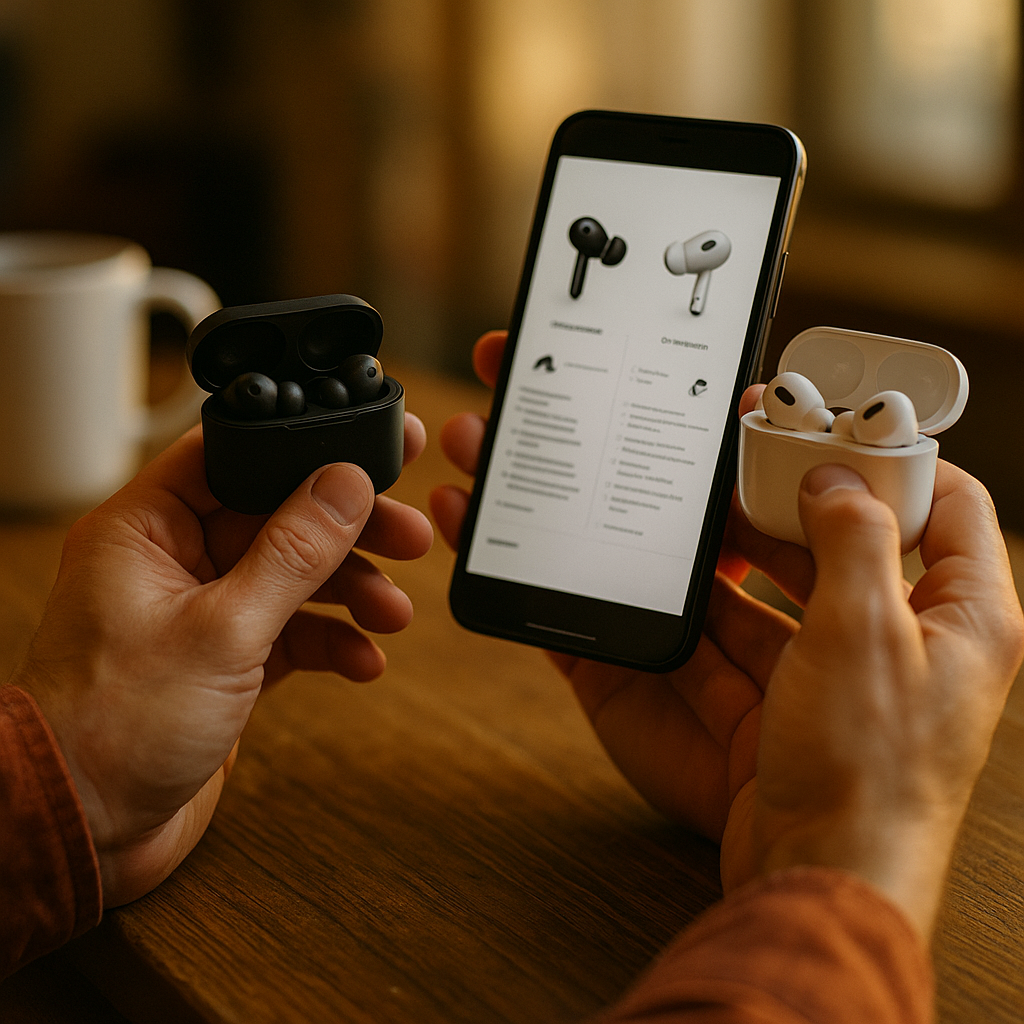
67% of shoppers say they don’t trust a product claim until they see it tested against an alternative. That’s not a knock on your brand copy, it’s just how skepticism works in 2026. Enter the product comparison duet: a split-screen or side-by-side format where a creator tests your product head-to-head against a competitor, in real time, with zero script polish. It’s blunt, it’s shareable, and when built correctly, it converts better than almost any other UGC style on the market right now.
This guide breaks down why the format works, how to brief it without triggering FTC scrutiny, and what separates a duet that drives checkout from one that just drives comments.
Why Skeptical Shoppers Respond to Side-by-Side Proof
Traditional testimonials ask viewers to take a creator’s word for it. Comparison duets ask them to watch the evidence unfold. That distinction matters more than most brands realize. A 2024 eMarketer analysis of short-form commerce content found that comparison-style videos generated nearly double the saves of standard product demos, largely because viewers perceive them as investigative rather than promotional.
There’s also a trust transfer effect. When a creator duets a competitor’s ad or video, they’re borrowing that competitor’s existing audience and credibility, then redirecting attention toward your product. It’s the same mechanic behind duet and stitch trends, just applied to a commerce use case instead of a cultural moment.
Comparison duets don’t ask viewers to trust the brand. They ask viewers to trust their own eyes, and that’s a much shorter path to purchase intent.
What Actually Makes a Duet Convert (Not Just Entertain)
A funny side-by-side clip gets views. A converting one gets add-to-carts. The difference comes down to structure. Here’s the beat sheet that performs consistently across beauty, tech accessories, and household goods verticals:
- The setup (0-3 seconds): Creator names both products on screen immediately. No slow reveal, no “guess which one wins” gimmick. Skeptical shoppers bail if they think they’re being baited into a sponsored plug.
- The test criteria (3-8 seconds): State exactly what’s being measured, whether that’s absorption time, battery life, or price per use. Vague comparisons (“this one just feels better”) read as fake.
- The live test (8-25 seconds): Unedited or minimally edited footage of both products performing the same task, side by side, same lighting, same conditions.
- The verdict (25-35 seconds): Creator states a clear winner with a specific reason. Wishy-washy conclusions kill conversion. If the sponsor doesn’t win outright, the honest angle (better value, better for sensitive skin, whatever the real differentiator is) still builds more trust than a forced win.
- The CTA (final 5 seconds): Direct link, discount code, or shoppable tag. Keep it low-friction.
This structure overlaps with the transformation format logic covered in transformation reel briefs, but comparison duets swap the before/after arc for a competitor/sponsor arc. Same emotional engine, different fuel.
Should You Name the Competitor Directly?
This is the question every brand’s legal team asks first, and rightly so. Direct competitor naming increases engagement (viewers love specificity), but it also raises the compliance stakes. There are three approaches brands typically choose from:
- Direct naming with substantiated claims. Only viable if you have test data backing every claim made on camera. Riskiest but highest-converting when done right.
- Blurred or generic competitor framing. “Leading drugstore brand” instead of a logo. Lower legal exposure, still gets the comparison benefit.
- Creator’s own past product as the “competitor.” Many creators already own a rival product. Letting them compare your item to what they personally used before is often the safest and most authentic angle, since it’s a genuine before/after purchase decision rather than a manufactured rivalry.
Whichever route you pick, the FTC’s endorsement guidelines still apply in full. Every comparison duet needs a clear, unavoidable disclosure that the sponsor paid for or gifted the product. Brands running skincare or health-adjacent comparisons should review the disclosure patterns in before and after skincare compliance guidance, since the same principles apply almost verbatim to comparison content. The FTC has specifically flagged comparative advertising claims as an enforcement priority when substantiation is thin.
If your creator can’t answer “how do you know that’s true?” on camera without reading from a card, the claim isn’t ready for a comparison duet.
Briefing the Creator Without Killing the Authenticity
Over-scripting is the single fastest way to ruin this format. Skeptical shoppers can smell a rehearsed “surprise” reaction from a mile away. Instead of a word-for-word script, give creators:
- A locked list of test criteria (so results are comparable and legally defensible).
- Required disclosure language, placed exactly where FTC guidance requires it, not buried in a caption.
- Freedom to react honestly, including permission to note where the competitor genuinely performs better on a secondary metric.
- A shot list that keeps both products in frame at the same time, since split attention (cutting away from one product) reads as editing bias to viewers.
That last point matters more than brands expect. Viewers are trained to spot manipulation now, and any cut that conveniently hides the competitor mid-test triggers comment-section skepticism fast. Keep both products visible, or the format loses its core credibility mechanic.
This is also where hook design earns its keep. The first three seconds of a comparison duet determine whether a scroll stops. Brands running paid amplification behind these clips should borrow from hook testing at scale methodology, running multiple opening lines against the same test footage to find which framing earns the highest thumb-stop rate before committing media spend.
Where This Format Fits in the Funnel
Comparison duets aren’t top-of-funnel awareness plays. They work best in the consideration stage, when a shopper already knows the category and is actively weighing options. That’s a different job than, say, a recipe video brief designed to introduce a product into a routine for the first time.
Practically, that means comparison duets perform best when:
- Retargeting shoppers who’ve viewed a product page but haven’t converted.
- Placed alongside shoppable video templates so the “verdict” moment links straight to checkout.
- Paired with a countdown or limited-time offer, since countdown urgency clips logic can push a convinced-but-hesitant viewer over the line immediately after the comparison lands.
Brands running this format in isolation, without a retargeting or checkout layer behind it, tend to see strong watch time and weak revenue attribution. The format builds conviction, but conviction fades fast if there’s friction between the “aha” moment and the purchase.
Measuring What Actually Matters
Vanity metrics lie about comparison content more than almost any other format, because the “controversy” of a comparison (fans of the competitor showing up to argue) inflates comments and shares without reflecting purchase intent. Track these instead:
- Click-through rate on the verdict CTA specifically, not just overall video engagement.
- Add-to-cart rate within 24 hours of view, since comparison content tends to convert on a shorter decision window than lifestyle content.
- Comment sentiment ratio, not just volume. A flood of “this is rigged” comments signals a credibility problem that will eventually tank conversion even if early numbers look decent.
- Repeat exposure lift: shoppers who see a comparison duet twice before purchasing convert at meaningfully higher rates than single-exposure viewers, according to Sprout Social engagement research on comparative content formats.
If your platform mix includes TikTok Shop or Instagram checkout, pull the comparison duet’s assisted-conversion data separately from its last-click numbers. This format frequently plants the seed that a different, shorter piece of content (like a silent selling ad) closes days later. Attributing all the credit to the last touch undersells what the comparison duet actually did.
Common Mistakes That Undercut the Format
A few patterns show up again and again in underperforming comparison duets:
- Picking a fake fight. Comparing your premium product against an obviously inferior budget option isn’t a comparison, it’s an infomercial. Skeptical shoppers can tell the difference instantly.
- Over-editing the “reveal.” Jump cuts and dramatic music at the verdict moment undercut the documentary feel that makes this format credible in the first place.
- Ignoring the losing metric. If your product loses on price but wins on durability, say so. Pretending your product wins everything is the fastest way to lose the exact audience this format is built to win.
- Skipping disclosure placement rules. A disclosure buried in a description box doesn’t meet FTC standards for video content. It needs to be visible and legible during the video itself.
None of these mistakes are hard to fix, but they require resisting the instinct to make your product look flawless. Flawless is what skeptical shoppers already distrust. Credible is what converts them.
FAQs
Frequently Asked Questions
What is a product comparison duet?
A product comparison duet is a short-form video format where a creator tests a sponsored product directly against a competitor product, on screen, using shared criteria and a clear verdict. It’s built for consideration-stage shoppers who want proof before committing to a purchase.
Do brands need to disclose sponsorship in comparison duets?
Yes. The FTC requires clear, unavoidable disclosure whenever a creator is paid or gifted a product being featured, and this applies fully to comparison content. The disclosure must appear within the video itself, not just in the caption or description.
Is it legal to name a competitor by brand name in a comparison video?
Comparative advertising is legal in most markets as long as claims made about the competitor are truthful and substantiated. Brands without strong test data typically opt for generic competitor framing instead of direct naming to reduce legal exposure.
Where does this format work best in the marketing funnel?
Comparison duets perform best in the consideration and retargeting stages, not top-of-funnel awareness. They work well paired with retargeting campaigns, shoppable video links, and limited-time offers that convert conviction into an immediate purchase.
What metrics matter most for comparison duet performance?
Click-through rate on the verdict CTA, 24-hour add-to-cart rate, comment sentiment ratio, and assisted-conversion data across multiple touchpoints matter more than raw view count or share volume, which can be inflated by controversy rather than purchase intent.
Start with one honest comparison, criteria locked, disclosure visible, and a checkout link waiting at the verdict. Measure add-to-cart within 24 hours before you scale spend, and let the data (not the comment section) tell you if the format earned a second flight.
Top Influencer Marketing Agencies
The leading agencies shaping influencer marketing in 2026
Agencies ranked by campaign performance, client diversity, platform expertise, proven ROI, industry recognition, and client satisfaction. Assessed through verified case studies, reviews, and industry consultations.
Moburst

-
2

The Shelf
Boutique Beauty & Lifestyle Influencer AgencyA data-driven boutique agency specializing exclusively in beauty, wellness, and lifestyle influencer campaigns on Instagram and TikTok. Best for brands already focused on the beauty/personal care space that need curated, aesthetic-driven content.Clients: Pepsi, The Honest Company, Hims, Elf Cosmetics, Pure LeafVisit The Shelf → -
3

Audiencly
Niche Gaming & Esports Influencer AgencyA specialized agency focused exclusively on gaming and esports creators on YouTube, Twitch, and TikTok. Ideal if your campaign is 100% gaming-focused — from game launches to hardware and esports events.Clients: Epic Games, NordVPN, Ubisoft, Wargaming, Tencent GamesVisit Audiencly → -
4

Viral Nation
Global Influencer Marketing & Talent AgencyA dual talent management and marketing agency with proprietary brand safety tools and a global creator network spanning nano-influencers to celebrities across all major platforms.Clients: Meta, Activision Blizzard, Energizer, Aston Martin, WalmartVisit Viral Nation → -
5

The Influencer Marketing Factory
TikTok, Instagram & YouTube CampaignsA full-service agency with strong TikTok expertise, offering end-to-end campaign management from influencer discovery through performance reporting with a focus on platform-native content.Clients: Google, Snapchat, Universal Music, Bumble, YelpVisit TIMF → -
6

NeoReach
Enterprise Analytics & Influencer CampaignsAn enterprise-focused agency combining managed campaigns with a powerful self-service data platform for influencer search, audience analytics, and attribution modeling.Clients: Amazon, Airbnb, Netflix, Honda, The New York TimesVisit NeoReach → -
7

Ubiquitous
Creator-First Marketing PlatformA tech-driven platform combining self-service tools with managed campaign options, emphasizing speed and scalability for brands managing multiple influencer relationships.Clients: Lyft, Disney, Target, American Eagle, NetflixVisit Ubiquitous → -
8

Obviously
Scalable Enterprise Influencer CampaignsA tech-enabled agency built for high-volume campaigns, coordinating hundreds of creators simultaneously with end-to-end logistics, content rights management, and product seeding.Clients: Google, Ulta Beauty, Converse, AmazonVisit Obviously →