


One TikTok creator turned a $2 can of chickpeas into 4 million views and a documented 38% sales spike for the brand that sent it. That is the promise of the recipe remix series, a UGC format quietly outperforming polished food ads across grocery, CPG, and DTC pantry categories. If your influencer program still leans on glossy recipe shoots, you are leaving reach and revenue on the table.
What Is the Recipe Remix Format, and Why Is It Working Now?
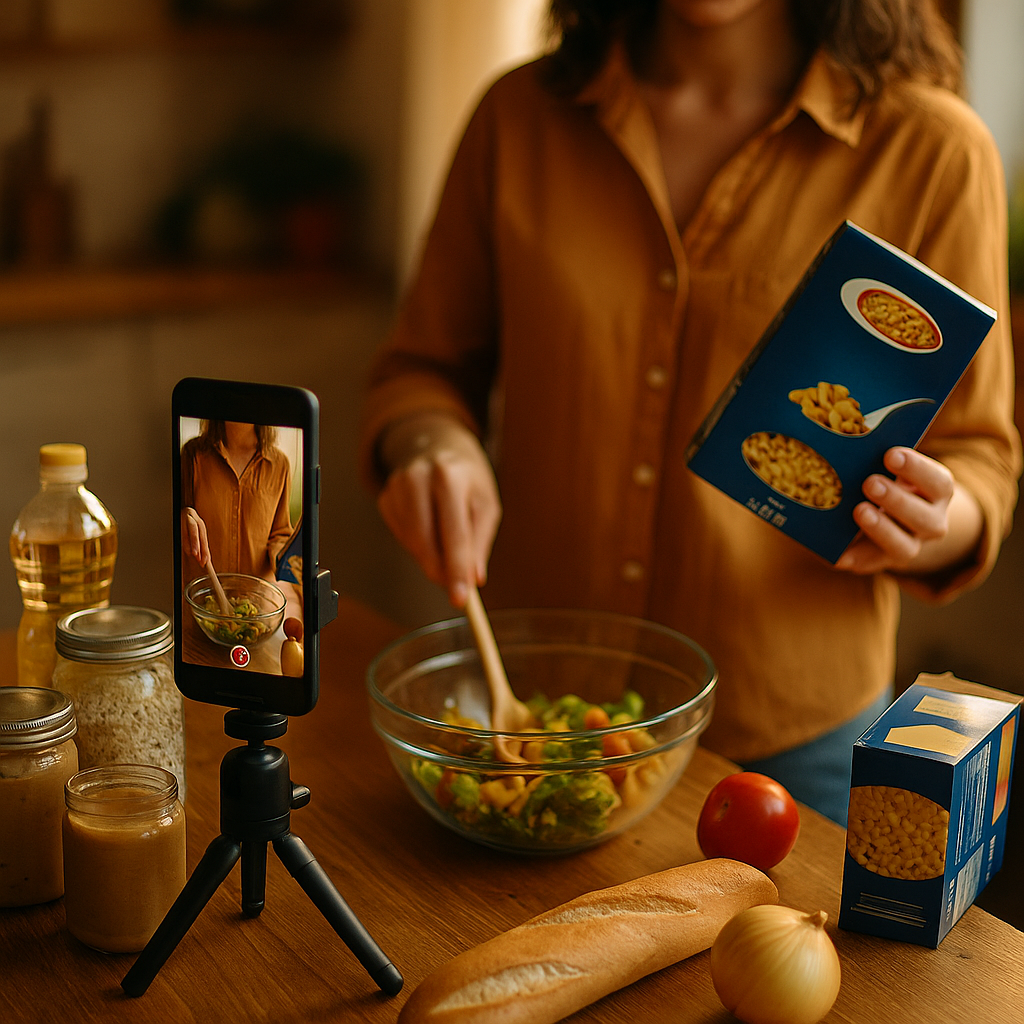
The format is simple on the surface. A creator takes one pantry staple, usually something a brand already sells at scale (canned beans, pasta, hot sauce, a spice blend), and reimagines it into three, five, or ten unexpected dishes across a short video series. Think “10 things I made with one jar of chili crisp” or “I only cooked with pantry cans for a week.” No studio lighting. No food stylist. Just a phone, a stove, and a hook.
Why now? Grocery inflation has made pantry cooking aspirational again, not a last resort. Audiences are actively searching for ways to stretch a budget without eating boring food, and the remix format answers that directly. It also solves a production problem brands have wrestled with for years: how do you generate a high volume of food content without a six-figure shoot day? Recipe remix series are cheap to produce, easy to batch, and built for the algorithm’s appetite for series-style, binge-friendly content.
A Format Built for Series Consumption, Not One-Off Views
Unlike a single sponsored recipe post, the remix series structure encourages repeat viewership. Viewers come back for “part 3” the way they’d come back for a show. That serialized hook mirrors what we’ve covered in serialized creator content, where episodic structure keeps completion rates and return visits high. Pair that with the fact that food content already over-indexes on saves and shares, and you get a compounding distribution effect that a single hero asset simply can’t replicate.
The Economics: Why Pantry Staples Outperform Polished Food Ads
Here is the uncomfortable truth for brand marketing teams who still budget six figures for a “hero” food campaign: unscripted, low-fi recipe content is consistently beating it on cost-per-engagement. According to eMarketer, food and beverage brands running creator-led UGC saw engagement rates two to three times higher than branded video across major platforms in the past year. Sprout Social data has pointed to a similar trend, with authenticity and relatability ranking above production value as the top driver of purchase consideration among younger grocery shoppers.
A single creator can produce five recipe remix videos for the cost of one traditional food commercial shoot day, and the UGC versions routinely outperform the polished asset on watch time and saves.
This isn’t a knock on high-production food advertising, which still has its place for brand awareness campaigns. But for bottom-funnel, sales-driving content, the recipe remix format wins because it feels discovered rather than sold. That perception shift is worth real money. Brands report lower cost-per-acquisition when the shoppable link sits inside a creator’s kitchen chaos rather than a stylized flat lay.
Building a Recipe Remix Brief That Doesn’t Collapse Into Chaos
Loose does not mean lawless. The biggest mistake brands make with this format is over-scripting it, which kills the very authenticity that makes it work. The second biggest mistake is under-briefing it, which leads to off-brand messaging, inconsistent product placement, or worse, a creator using a competitor’s ingredient by accident on camera.
A working brief for a recipe remix series should specify:
- The single pantry item that must appear and be visibly used in every video
- A minimum number of distinct recipes per series (three to five is the sweet spot for completion rates)
- Required brand mentions or on-screen product shots, without dictating exact wording
- A tone guardrail (budget-friendly, indulgent, quick-fix) so creators stay aligned without sounding scripted
- Where the shoppable link or discount code should appear in caption or on-screen text
This approach echoes what we’ve seen work in creator choice narrative briefs, where giving performers freedom inside a defined structure boosts both completion rate and creative quality. Recipe remix series thrive under that same logic: fixed inputs, flexible execution.
Batch Production Without Sacrificing Novelty
One underrated operational win here: a single filming session can produce an entire series. Brands running efficient influencer programs are briefing creators to shoot three to five recipes in one afternoon, then release them weekly to sustain algorithmic momentum. That approach mirrors the efficiency gains covered in one-shoot content distribution, where a single production day feeds multiple weeks of publishing.
Don’t Skip the Compliance Layer
Food content carries risk that lifestyle content doesn’t. Allergen claims, nutrition statements, and health benefit language can turn a fun recipe video into a legal headache fast. Before a series goes live, brands need creators to avoid unverified health claims (“this cures bloating”) and to disclose the partnership clearly, per FTC guidelines on material connections. This applies even when the content feels casual and unpolished. Regulators don’t grade on production value.
It’s also worth briefing creators on ingredient substitutions. If someone swaps your product for a “healthier” alternative mid-video, that undercuts the entire partnership. A short compliance checklist attached to the creative brief solves most of this before it becomes a problem.
Measuring What Matters: From Views to Basket Lifts
Views are vanity here. The metrics that matter for a recipe remix series are saves, shares, and, most importantly, attributable sales lift. Brands running retail media partnerships alongside their influencer program can often tie recipe remix content directly to basket data through platforms like Instacart or Kroger’s retail media network, giving a much clearer ROI picture than reach alone.
Shoppable overlays are non-negotiable for this format. If a viewer is hooked by minute two of a chickpea transformation, the path to purchase needs to be one tap away, not buried in a bio link. This is exactly the gap covered in shoppable video overlay timing, and it applies directly to recipe content where the “aha, I need this” moment hits mid-recipe, not at the end.
Subtitles matter more than most food brands realize, too. A huge share of recipe content is watched muted, in a kitchen, with hands busy. Following the principles in subtitle-first video design, briefs should require on-screen ingredient callouts and measurements, not just voiceover. Miss that step and you lose half your audience’s comprehension before they ever reach the shoppable link.
What Brands Get Wrong (and How to Fix It Fast)
The most common failure point isn’t the creative, it’s the follow-through. Brands greenlight one great remix series, see strong numbers, then fail to build a repeatable pipeline. Treat this like an always-on content lane, not a one-off campaign. Rotate creators quarterly, refresh the pantry item seasonally, and keep a lightweight brief template on hand so onboarding a new creator takes hours, not weeks.
Track performance benchmarks against industry data where you can. HubSpot’s content marketing benchmarks and Statista’s creator economy figures are useful for setting realistic engagement and conversion targets before you pitch this internally to finance or leadership.
FAQs
What makes the recipe remix format different from standard influencer food content?
It centers on one pantry staple reimagined across multiple recipes in a series, rather than a single polished recipe post. The serialized structure drives repeat viewership and typically costs far less to produce than traditional food advertising.
Which brands benefit most from a recipe remix series?
Grocery, CPG pantry brands, spice and condiment companies, and DTC food startups see the strongest results, since the format relies on a single, affordable, widely available product as the anchor ingredient.
How many recipes should a single remix series include?
Three to five recipes per series tends to balance production efficiency with audience retention. Fewer feels thin, more risks diluting focus on the core product.
What compliance issues should brands watch for in recipe content?
Unverified health or nutrition claims, unclear sponsorship disclosure, and undisclosed ingredient substitutions are the biggest risks. Brief creators clearly on FTC disclosure requirements before filming begins.
How do brands measure ROI on a recipe remix series?
Track saves, shares, and shoppable link conversions rather than raw views. Where possible, tie performance to retail media or basket data for a direct sales attribution.
Start small: brief one creator for a three-recipe series built around a single pantry item, add a shoppable overlay, and measure basket lift before scaling the format across your influencer roster.
FAQs
What makes the recipe remix format different from standard influencer food content?
It centers on one pantry staple reimagined across multiple recipes in a series, rather than a single polished recipe post. The serialized structure drives repeat viewership and typically costs far less to produce than traditional food advertising.
Which brands benefit most from a recipe remix series?
Grocery, CPG pantry brands, spice and condiment companies, and DTC food startups see the strongest results, since the format relies on a single, affordable, widely available product as the anchor ingredient.
How many recipes should a single remix series include?
Three to five recipes per series tends to balance production efficiency with audience retention. Fewer feels thin, more risks diluting focus on the core product.
What compliance issues should brands watch for in recipe content?
Unverified health or nutrition claims, unclear sponsorship disclosure, and undisclosed ingredient substitutions are the biggest risks. Brief creators clearly on FTC disclosure requirements before filming begins.
How do brands measure ROI on a recipe remix series?
Track saves, shares, and shoppable link conversions rather than raw views. Where possible, tie performance to retail media or basket data for a direct sales attribution.
Top Influencer Marketing Agencies
The leading agencies shaping influencer marketing in 2026
Agencies ranked by campaign performance, client diversity, platform expertise, proven ROI, industry recognition, and client satisfaction. Assessed through verified case studies, reviews, and industry consultations.
Moburst

-
2

The Shelf
Boutique Beauty & Lifestyle Influencer AgencyA data-driven boutique agency specializing exclusively in beauty, wellness, and lifestyle influencer campaigns on Instagram and TikTok. Best for brands already focused on the beauty/personal care space that need curated, aesthetic-driven content.Clients: Pepsi, The Honest Company, Hims, Elf Cosmetics, Pure LeafVisit The Shelf → -
3

Audiencly
Niche Gaming & Esports Influencer AgencyA specialized agency focused exclusively on gaming and esports creators on YouTube, Twitch, and TikTok. Ideal if your campaign is 100% gaming-focused — from game launches to hardware and esports events.Clients: Epic Games, NordVPN, Ubisoft, Wargaming, Tencent GamesVisit Audiencly → -
4

Viral Nation
Global Influencer Marketing & Talent AgencyA dual talent management and marketing agency with proprietary brand safety tools and a global creator network spanning nano-influencers to celebrities across all major platforms.Clients: Meta, Activision Blizzard, Energizer, Aston Martin, WalmartVisit Viral Nation → -
5

The Influencer Marketing Factory
TikTok, Instagram & YouTube CampaignsA full-service agency with strong TikTok expertise, offering end-to-end campaign management from influencer discovery through performance reporting with a focus on platform-native content.Clients: Google, Snapchat, Universal Music, Bumble, YelpVisit TIMF → -
6

NeoReach
Enterprise Analytics & Influencer CampaignsAn enterprise-focused agency combining managed campaigns with a powerful self-service data platform for influencer search, audience analytics, and attribution modeling.Clients: Amazon, Airbnb, Netflix, Honda, The New York TimesVisit NeoReach → -
7

Ubiquitous
Creator-First Marketing PlatformA tech-driven platform combining self-service tools with managed campaign options, emphasizing speed and scalability for brands managing multiple influencer relationships.Clients: Lyft, Disney, Target, American Eagle, NetflixVisit Ubiquitous → -
8

Obviously
Scalable Enterprise Influencer CampaignsA tech-enabled agency built for high-volume campaigns, coordinating hundreds of creators simultaneously with end-to-end logistics, content rights management, and product seeding.Clients: Google, Ulta Beauty, Converse, AmazonVisit Obviously →