


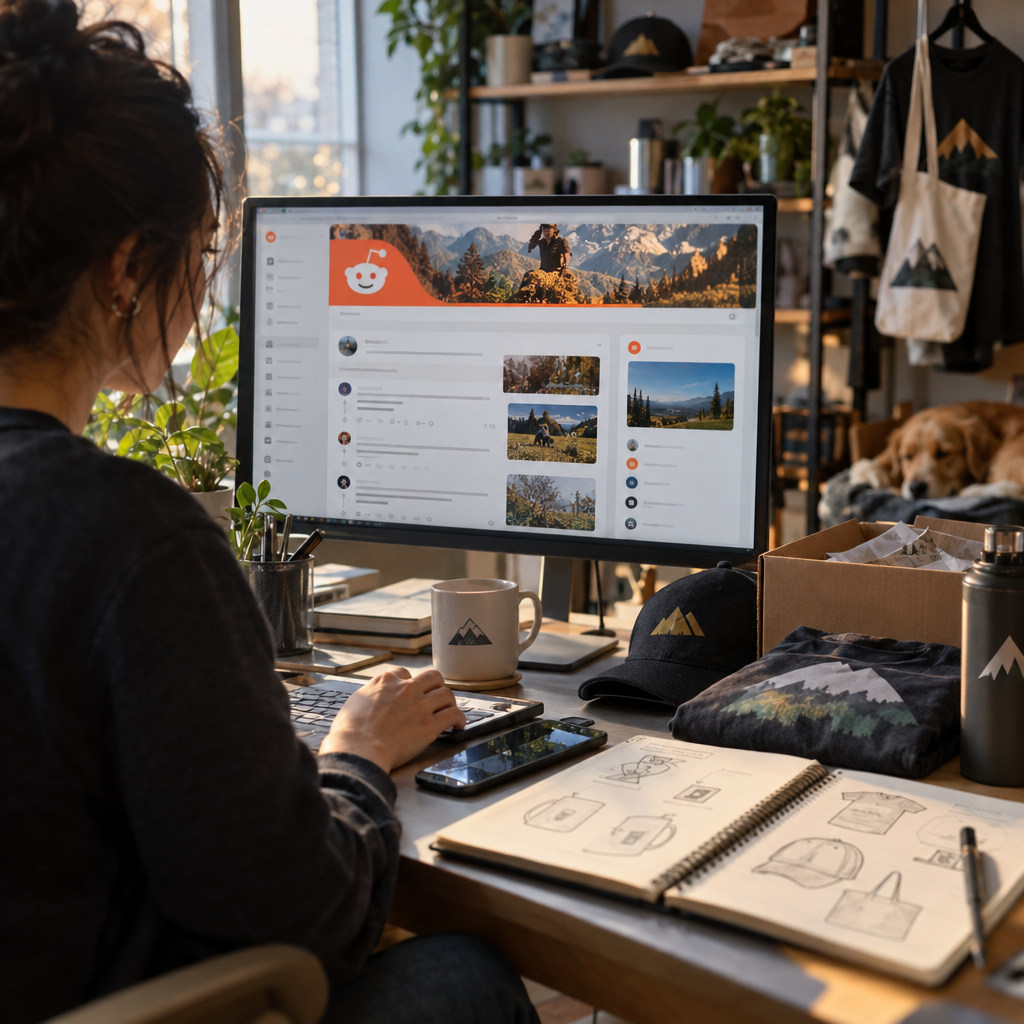
Reddit now pays creators directly, and most brands still treat the platform like a dark forest they only enter for sentiment research. That gap is the opportunity. Reddit’s creator monetization rollout, which ties payouts to karma, awards, and subreddit-level ad revenue share, is quietly building the infrastructure for brand and subreddit partnerships that didn’t exist a year ago. Here’s how to pilot it before your competitors figure out the playbook.
Why This Rollout Actually Matters for Brands
Reddit has spent years resisting the influencer model that took over Instagram, TikTok, and YouTube. Its culture punishes anything that smells like an ad, and mods have historically nuked branded content on sight. But the platform’s creator monetization program, expanded across more subreddit categories and contributor tiers, changes the calculus. Top contributors in gaming, personal finance, and tech subreddits are now earning real money from Reddit directly, which means they have incentive to professionalize their output rather than post and disappear.
That professionalization is the signal brands should care about. A creator who’s being paid to post consistently, respond to comments, and build a recognizable voice inside a subreddit is a different kind of partner than an anonymous poster with 40,000 karma. They have something to protect now: a payout, a reputation, a seat at the table with mods. That makes them far more reliable for structured brand work than the old “find a power user and DM them” approach.
The Subreddit Is the New Channel, Not the Creator
This is the part most marketers will get wrong initially. On TikTok or Instagram, the creator is the unit of distribution. On Reddit, the subreddit is. A top contributor in r/personalfinance has influence because of the community’s trust in the sub’s norms, not because of a personal brand that travels with them elsewhere. Reddit’s monetization structure reinforces this: payouts are tied to subreddit-specific engagement and mod-sanctioned contribution, not follower counts.
Brands that port over an influencer brief built for Instagram or TikTok will fail on Reddit. The unit of value here is community trust, and community trust is governed by mods, not creators.
Practically, this means your vetting process needs to add a layer: evaluate the subreddit’s moderation culture before you evaluate the creator. Is self-promotion tolerated with disclosure? Does the sub have a history of banning brand-adjacent content? What’s the mod team’s relationship with the top contributors you want to work with? Skip this step and you risk a partnership that gets nuked within hours of going live, taking your brand’s reputation in that community with it.
What an Early Playbook Looks Like
There’s no established agency category for “Reddit influencer marketing” yet, which means the brands moving now are writing their own rules. A few principles are emerging from early pilots in gaming, tech, and finance verticals.
- Start with disclosure-first content. Reddit communities are allergic to anything that feels hidden. Partnerships that lead with “this is sponsored, here’s why I still think it’s useful” consistently outperform anything resembling native ad mimicry.
- Co-fund AMAs instead of buying posts. Ask Me Anything threads hosted by monetized contributors, with a brand sponsoring the thread transparently, have shown far better sentiment outcomes than boosted posts.
- Treat mods as a stakeholder group, not a gatekeeper to route around. Some brands are now paying mod teams for sanctioned “verified partner” flair programs, similar in spirit to how brands work with Discord server admins.
- Measure sentiment delta, not just reach. Reddit’s value is qualitative trust, so a spike in negative comment ratio after a sponsored post is a bigger red flag than it would be on other platforms.
None of this is revolutionary marketing theory. It’s the same community-first thinking that worked on Discord and early TikTok, applied to a platform whose userbase is famously hostile to anything that smells like ad spend. The difference now is that Reddit’s own payout infrastructure gives brands a legitimate entry point that doesn’t require pretending the partnership isn’t a partnership.
Budget Allocation: Pilot Small, Scale by Subreddit Vertical
Most brands testing Reddit monetization partnerships are allocating a small, separate test budget rather than folding it into existing creator spend. That’s the right instinct. Reddit’s audience behavior doesn’t map cleanly onto TikTok or Instagram benchmarks, so CPM and engagement comparisons will mislead you if you’re not careful.
A reasonable starting allocation looks like 3 to 5 percent of quarterly influencer budget, split across two or three subreddit verticals relevant to your category. Gaming and tech brands have the clearest early use cases because those communities already have active monetized contributor pools. CPG and beauty brands will need to work harder, since the relevant subreddits (skincare, personal finance adjacent to budgeting beauty routines) are smaller and more sentiment-sensitive.
If you’re already running tiered creator programs elsewhere, the framework translates well. The same logic brands use for tiered whitelisting budgets on other platforms applies here: small test tier, mid tier for proven performers, and a top tier reserved for sanctioned, long-term subreddit partnerships once trust is established.
Compliance Is Different Here, and It’s Not Optional
Reddit’s community norms create a compliance layer that doesn’t exist on other platforms: mod approval. The FTC’s disclosure requirements still apply in full, and the FTC’s endorsement guidance doesn’t care that you’re posting in a niche subreddit instead of on Instagram. But Reddit adds a second compliance layer on top: subreddit-specific rules that can be stricter than federal law, and mods that enforce them with bans, not warnings.
Build a two-step compliance check into every Reddit creator brief: standard FTC disclosure language, plus a sign-off from the subreddit’s mod team confirming the content format is allowed. Skipping the second step is how brands end up as a cautionary case study on r/marketing within a week.
This is also where measurement gets tricky. Reddit doesn’t offer the granular attribution tooling that Meta or TikTok provide through their ads platforms. Brands running these pilots are leaning on UTM-tagged links, promo codes unique to each subreddit partnership, and manual sentiment tracking through tools like Sprout Social to approximate ROI. It’s less precise than what performance marketers are used to, and you should set expectations with stakeholders accordingly before the campaign launches, not after.
How This Compares to Other Platform Monetization Pushes
Reddit isn’t the first platform to roll out creator payouts as a way of professionalizing its content ecosystem, and brands that have been paying attention to similar shifts elsewhere have a head start. Threads rolled out its own monetization tied to reply engagement, which changed how brands should think about budget allocation for creator partnerships on that platform. LinkedIn’s creator hub shift similarly forced a rethink of ROI measurement for professional content. The pattern across all of these: when a platform starts paying creators directly, it also starts demanding more structured, disclosed, compliant content from brands that want in.
Reddit’s version is more community-gated than any of these. There’s no algorithmic feed to game the way there is on Instagram or TikTok; a bad-faith partnership gets caught by actual humans who moderate for a living, often unpaid, and who have zero patience for brand intrusion. That’s a feature for brands willing to do this properly, because it filters out the lowest-effort competitors before they even get a foothold.
Data from eMarketer and Statista on platform ad revenue growth consistently shows Reddit as a smaller but fast-growing share of social ad spend, which tracks with what agencies are reporting anecdotally: budgets are modest, but testing appetite is high because the downside risk per dollar spent is low compared to a failed influencer campaign on a bigger platform.
What to Watch Before You Commit Real Budget
A few open questions should keep your Reddit pilot modest for now, not because the opportunity isn’t real, but because the infrastructure is young.
- Payout thresholds and eligibility criteria for contributors are still evolving, which means the creator pool you’re vetting today may look different in two quarters.
- There’s no standardized rate card yet. Expect to negotiate case by case, and expect wide variance in what creators think their influence is worth.
- Cross-posting and content syndication rules vary by subreddit, so a partnership that works in one community may violate the rules in an adjacent one with a near-identical audience.
None of this should scare you off. It should just keep your first quarter of spend experimental, documented, and small enough that a misstep doesn’t become a budget-review conversation you dread.
Bottom Line for Brand Teams
Treat Reddit’s creator monetization rollout the way you’d treat any new ad inventory type: pilot with disclosed test budget, measure sentiment as closely as conversion, and let subreddit mod relationships do as much vetting work as the creator’s own track record. Start with one vertical where your brand already has organic community presence, run it for a full quarter, and build your internal rate benchmarks before you scale spend further.
Frequently Asked Questions
Is Reddit’s creator monetization program open to all subreddits?
No. Eligibility is tied to specific contributor programs and subreddit categories that Reddit has approved, and mod teams retain significant control over what content is allowed even within monetized communities.
How is Reddit creator monetization different from YouTube or TikTok creator funds?
Reddit ties payouts to subreddit-specific engagement like karma and awards rather than raw view counts, which means influence is community-bound and doesn’t transfer the way a TikTok or YouTube following does.
Do brands need mod approval to run sponsored content in a subreddit?
Not legally, but practically yes. Mod teams can remove content or ban accounts that violate subreddit rules regardless of FTC disclosure compliance, so sign-off from mods is a critical risk mitigation step.
What budget should brands allocate to a first Reddit creator pilot?
Most early adopters are testing with 3 to 5 percent of quarterly influencer budget across two or three relevant subreddit verticals before deciding whether to scale.
How do you measure ROI on Reddit creator partnerships?
Expect to rely on UTM-tagged links, unique promo codes, and manual sentiment tracking rather than the granular attribution available on platforms like Meta or TikTok, since Reddit’s ad measurement tooling is less mature.
Top Influencer Marketing Agencies
The leading agencies shaping influencer marketing in 2026
Agencies ranked by campaign performance, client diversity, platform expertise, proven ROI, industry recognition, and client satisfaction. Assessed through verified case studies, reviews, and industry consultations.
Moburst

-
2

The Shelf
Boutique Beauty & Lifestyle Influencer AgencyA data-driven boutique agency specializing exclusively in beauty, wellness, and lifestyle influencer campaigns on Instagram and TikTok. Best for brands already focused on the beauty/personal care space that need curated, aesthetic-driven content.Clients: Pepsi, The Honest Company, Hims, Elf Cosmetics, Pure LeafVisit The Shelf → -
3

Audiencly
Niche Gaming & Esports Influencer AgencyA specialized agency focused exclusively on gaming and esports creators on YouTube, Twitch, and TikTok. Ideal if your campaign is 100% gaming-focused — from game launches to hardware and esports events.Clients: Epic Games, NordVPN, Ubisoft, Wargaming, Tencent GamesVisit Audiencly → -
4

Viral Nation
Global Influencer Marketing & Talent AgencyA dual talent management and marketing agency with proprietary brand safety tools and a global creator network spanning nano-influencers to celebrities across all major platforms.Clients: Meta, Activision Blizzard, Energizer, Aston Martin, WalmartVisit Viral Nation → -
5

The Influencer Marketing Factory
TikTok, Instagram & YouTube CampaignsA full-service agency with strong TikTok expertise, offering end-to-end campaign management from influencer discovery through performance reporting with a focus on platform-native content.Clients: Google, Snapchat, Universal Music, Bumble, YelpVisit TIMF → -
6

NeoReach
Enterprise Analytics & Influencer CampaignsAn enterprise-focused agency combining managed campaigns with a powerful self-service data platform for influencer search, audience analytics, and attribution modeling.Clients: Amazon, Airbnb, Netflix, Honda, The New York TimesVisit NeoReach → -
7

Ubiquitous
Creator-First Marketing PlatformA tech-driven platform combining self-service tools with managed campaign options, emphasizing speed and scalability for brands managing multiple influencer relationships.Clients: Lyft, Disney, Target, American Eagle, NetflixVisit Ubiquitous → -
8

Obviously
Scalable Enterprise Influencer CampaignsA tech-enabled agency built for high-volume campaigns, coordinating hundreds of creators simultaneously with end-to-end logistics, content rights management, and product seeding.Clients: Google, Ulta Beauty, Converse, AmazonVisit Obviously →