


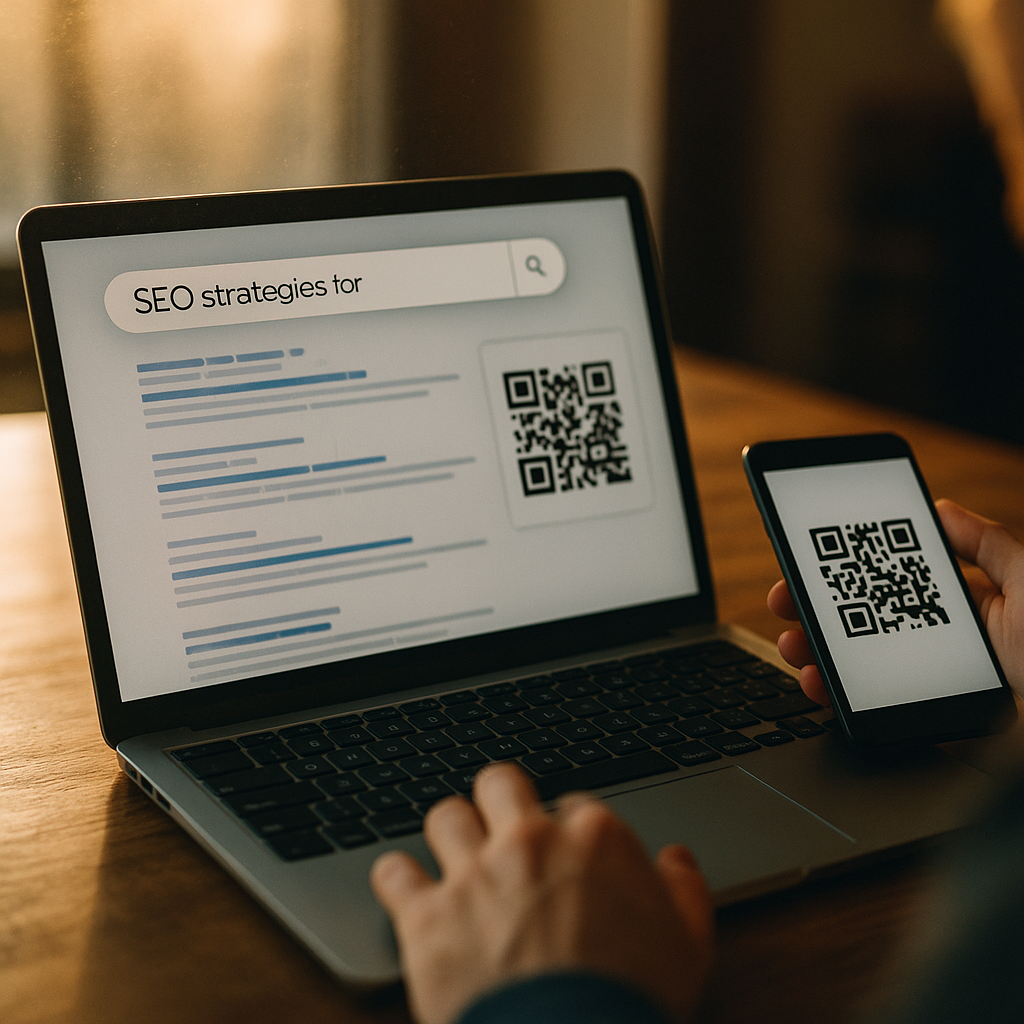
Designing scannable content is no longer a nice-to-have in 2026. As search results answer more questions directly, brands must earn visibility through clarity, structure, and usefulness. Readers skim before they commit, and search systems reward pages that make key information instantly accessible. If your content cannot be understood in seconds, why would users or search engines stay?
Zero click search strategy starts with user intent
A strong zero click search strategy begins with a simple reality: many users now get what they need directly from search features, AI summaries, featured snippets, knowledge panels, local packs, and product modules. That does not mean content has lost value. It means content must be built to serve two audiences at once: the person scanning quickly and the search system extracting answers.
To do this well, align every page with a clear search intent. Ask what the user wants in the first ten seconds. Are they looking for a definition, a step-by-step process, a comparison, a quick fact, or a decision aid? Once you identify that intent, place the answer near the top of the page in plain language. Then support it with deeper context for readers who continue.
Helpful content in 2026 follows EEAT principles by showing:
- Experience: practical insight from real execution, testing, and observation
- Expertise: accurate terminology, sound recommendations, and clear explanations
- Authoritativeness: depth, consistency, and topical relevance across your site
- Trustworthiness: honest claims, transparent guidance, and no manipulative formatting
If a page tries to force engagement through fluff, inflated intros, or vague claims, users leave. If it gives a direct answer and organizes the rest clearly, users stay longer, click deeper, and remember the source. In a zero-click environment, visibility often starts before the click. The click is earned by usefulness.
Content readability matters more in AI search optimization
AI search optimization depends heavily on readability because machine-driven search features favor content that is easy to parse. Dense paragraphs, unclear hierarchy, and buried answers make extraction harder. Scannable design helps both humans and systems identify what matters quickly.
Start with front-loaded writing. Put the key point at the beginning of each paragraph. Avoid winding setups. Readers scanning on mobile screens want the answer before the explanation. Search engines and AI systems also respond well to concise, direct phrasing because it reduces ambiguity.
Here are practical readability rules that improve scannability:
- Keep paragraphs short and focused on one idea
- Use meaningful headings that match the user’s question
- Prefer simple sentence construction over layered phrasing
- Define terms quickly when technical language is necessary
- Use lists for processes, comparisons, criteria, and takeaways
- Repeat core concepts naturally so context stays clear
Readability is not the same as oversimplification. Serious topics still need depth. The goal is to make complexity easier to navigate, not to remove nuance. For example, if you explain how zero-click behavior affects traffic, include the immediate answer first: visibility can increase while clicks decline. Then explain what to measure instead, such as branded searches, assisted conversions, page engagement, and on-SERP exposure.
This structure answers likely follow-up questions without forcing the reader to hunt. That is one of the clearest signals of helpful content: it anticipates the next question and resolves it smoothly.
Featured snippet optimization relies on strong page structure
Featured snippet optimization and broader answer extraction depend on page structure more than many teams realize. Search systems often pull concise definitions, ordered steps, and direct comparisons from pages that make those elements obvious.
Good structure starts with a heading that promises a specific answer. The paragraph that follows should deliver that answer in two to three sentences. If the topic involves a process or ranking, use an ordered list. If it involves options, benefits, or criteria, use an unordered list. This is not about writing for robots. It is about making information easier to consume.
Use these structural patterns often:
- Definition block: explain the concept immediately after the heading
- Step list: break a process into a logical sequence
- Criteria list: show how to evaluate tools, vendors, or tactics
- Comparison format: explain differences in short, parallel paragraphs
- FAQ style answers: answer natural-language questions directly
A common mistake is writing headings that sound clever but reveal nothing. A heading should help both users and search systems predict the content underneath it. “What this means in practice” is weak. “How to format content for answer extraction” is clear.
Another mistake is hiding the answer beneath long brand messaging. Search visibility in 2026 rewards immediate value. If you want your page to appear in snippets or AI-generated overviews, format the answer where it can be found fast, then use the rest of the page to deepen trust through examples, context, and evidence of first-hand experience.
On-page SEO for scannable content improves engagement signals
Effective on-page SEO for scannable content is not just about keywords. It is about reducing friction. A page that loads a wall of text, vague subheads, and repetitive filler tells the user that finding value will take work. Most users will not invest that effort, especially from mobile search.
Scannable on-page design includes:
- Clear opening summary: answer the primary question early
- Logical heading hierarchy: group related ideas in a predictable order
- Short paragraphs: improve visual comfort and reading speed
- Informative lists: surface key points without burying them
- Consistent terminology: avoid switching labels for the same concept
- Strong topical relevance: keep every section tied to the search intent
Keyword placement still matters, but forced repetition undermines trust. Use your primary and secondary phrases where they genuinely fit: in headings, in the introduction, and in key explanatory paragraphs. Then support them with semantically related language such as answer engine visibility, search intent, content hierarchy, excerpt-ready formatting, and mobile reading behavior.
Also consider how people visually scan. They notice headings, the first line of a paragraph, highlighted terms, and list items first. That means your most important points should appear in those places. If every paragraph begins with throat-clearing language, your page looks longer and says less.
Engagement signals are a byproduct of usefulness. Better scannability often improves dwell time, scroll depth, return visits, and internal navigation because readers can quickly decide that the page is worth their attention. In a search landscape where clicks are harder to win, that efficiency becomes a competitive advantage.
Answer engine optimization needs proof, clarity, and trust
Answer engine optimization is not just formatting. It also requires credibility. Search systems increasingly evaluate whether content appears dependable, current, and aligned with user needs. That is where EEAT becomes practical, not theoretical.
To make your content more trustworthy, show evidence of real experience. If you advise teams on scannable content, explain what has worked in audits, content refreshes, or template redesigns. Mention patterns you have observed, such as how pages with direct summaries and cleaner headings often outperform pages with long intros and weak structure. Specificity increases trust.
You should also be careful with claims. Do not suggest that formatting alone guarantees AI overview inclusion or snippet visibility. It does not. Strong formatting improves eligibility, but search systems consider relevance, authority, freshness, and competition too. Balanced guidance is more credible than absolute promises.
Trust also grows when content answers practical questions users will naturally ask, such as:
- Will zero-click search kill organic traffic entirely?
- How do I measure success if fewer users click?
- Should every article be written in FAQ format?
- How short should paragraphs be for mobile readers?
- What content types are easiest for search systems to extract?
When you answer these questions within the article, you reduce pogo-sticking and make the page more complete. Comprehensive does not mean bloated. It means the reader leaves with fewer unresolved questions.
Finally, keep content current. In 2026, search behavior changes fast. Review pages regularly for outdated language, weak examples, and missing context. Freshness alone is not enough, but accuracy and relevance are essential to long-term authority.
SEO content design should balance search visibility and human value
The best SEO content design balances machine readability with human usefulness. That means creating pages that can be excerpted easily without becoming shallow. A strong page gives immediate answers, then offers enough substance that readers still want the full experience.
Think of your content in layers:
- Layer one: instant answer for searchers who need speed
- Layer two: structured explanation for readers who want context
- Layer three: practical guidance for users ready to act
- Layer four: proof and nuance for users comparing sources
This layered model is especially useful in a zero-click environment. If part of your content appears directly in search, you still benefit when users recognize your brand as the source of a clear answer. Then, when they need deeper information, they are more likely to choose your page over a competitor’s.
To apply this, audit existing pages and ask:
- Does the page answer the main question in the first 100 words?
- Do headings reflect actual user queries?
- Can key takeaways be understood by skimming only headings and lists?
- Is the writing concise without losing accuracy?
- Does the page demonstrate real expertise and trustworthy guidance?
If the answer is no to several of these, revise before publishing more content. In 2026, content volume alone will not create search visibility. Precision, structure, and trust are what scale.
FAQs about designing scannable content for zero-click search
What is scannable content?
Scannable content is content organized so users can quickly identify the main points without reading every word. It uses clear headings, short paragraphs, direct answers, and lists to make important information easy to find.
Why is scannable content important in zero-click search?
It helps search systems extract useful answers and helps users decide quickly whether your page is worth visiting. As more search journeys end on the results page, clarity becomes essential for both visibility and engagement.
How do I optimize content for AI overviews and answer engines?
Start with direct answers near the top, use descriptive headings, structure processes and comparisons with lists, and maintain high trust through accurate, experience-based guidance. Good formatting helps, but authority and relevance still matter.
Should every article include FAQs?
Not always, but FAQs are useful when the topic triggers predictable follow-up questions. They can improve scannability and increase the chances of matching conversational queries, especially when answers are concise and specific.
How long should paragraphs be for scannable SEO content?
Most paragraphs should cover one idea in a few sentences. On mobile, shorter is usually better. The right length is the shortest version that remains clear, accurate, and complete.
Does zero-click search mean organic traffic will keep dropping?
Not necessarily across every query type, but click patterns are changing. Informational searches may produce fewer visits while still increasing brand exposure. Measure success more broadly, including visibility, assisted conversions, and downstream engagement.
What types of content perform best in a zero-click environment?
Definition pages, how-to content, comparisons, checklists, FAQs, and pages with concise summaries often perform well because they are easy to scan and easy for search systems to interpret.
Can scannable content still be in-depth?
Yes. Scannable content is about structure, not lack of substance. The strongest pages combine quick answers with deeper explanation, practical examples, and trustworthy context.
Designing for zero-click search does not mean giving away all your value. It means presenting value faster, more clearly, and with stronger structure. The pages that win in 2026 are easy to scan, easy to trust, and easy for search systems to interpret. If readers can grasp your message in seconds and find depth when they want it, your content is built for what comes next.
Top Influencer Marketing Agencies
The leading agencies shaping influencer marketing in 2026
Agencies ranked by campaign performance, client diversity, platform expertise, proven ROI, industry recognition, and client satisfaction. Assessed through verified case studies, reviews, and industry consultations.
Moburst

-
2

The Shelf
Boutique Beauty & Lifestyle Influencer AgencyA data-driven boutique agency specializing exclusively in beauty, wellness, and lifestyle influencer campaigns on Instagram and TikTok. Best for brands already focused on the beauty/personal care space that need curated, aesthetic-driven content.Clients: Pepsi, The Honest Company, Hims, Elf Cosmetics, Pure LeafVisit The Shelf → -
3

Audiencly
Niche Gaming & Esports Influencer AgencyA specialized agency focused exclusively on gaming and esports creators on YouTube, Twitch, and TikTok. Ideal if your campaign is 100% gaming-focused — from game launches to hardware and esports events.Clients: Epic Games, NordVPN, Ubisoft, Wargaming, Tencent GamesVisit Audiencly → -
4

Viral Nation
Global Influencer Marketing & Talent AgencyA dual talent management and marketing agency with proprietary brand safety tools and a global creator network spanning nano-influencers to celebrities across all major platforms.Clients: Meta, Activision Blizzard, Energizer, Aston Martin, WalmartVisit Viral Nation → -
5

The Influencer Marketing Factory
TikTok, Instagram & YouTube CampaignsA full-service agency with strong TikTok expertise, offering end-to-end campaign management from influencer discovery through performance reporting with a focus on platform-native content.Clients: Google, Snapchat, Universal Music, Bumble, YelpVisit TIMF → -
6

NeoReach
Enterprise Analytics & Influencer CampaignsAn enterprise-focused agency combining managed campaigns with a powerful self-service data platform for influencer search, audience analytics, and attribution modeling.Clients: Amazon, Airbnb, Netflix, Honda, The New York TimesVisit NeoReach → -
7

Ubiquitous
Creator-First Marketing PlatformA tech-driven platform combining self-service tools with managed campaign options, emphasizing speed and scalability for brands managing multiple influencer relationships.Clients: Lyft, Disney, Target, American Eagle, NetflixVisit Ubiquitous → -
8

Obviously
Scalable Enterprise Influencer CampaignsA tech-enabled agency built for high-volume campaigns, coordinating hundreds of creators simultaneously with end-to-end logistics, content rights management, and product seeding.Clients: Google, Ulta Beauty, Converse, AmazonVisit Obviously →