


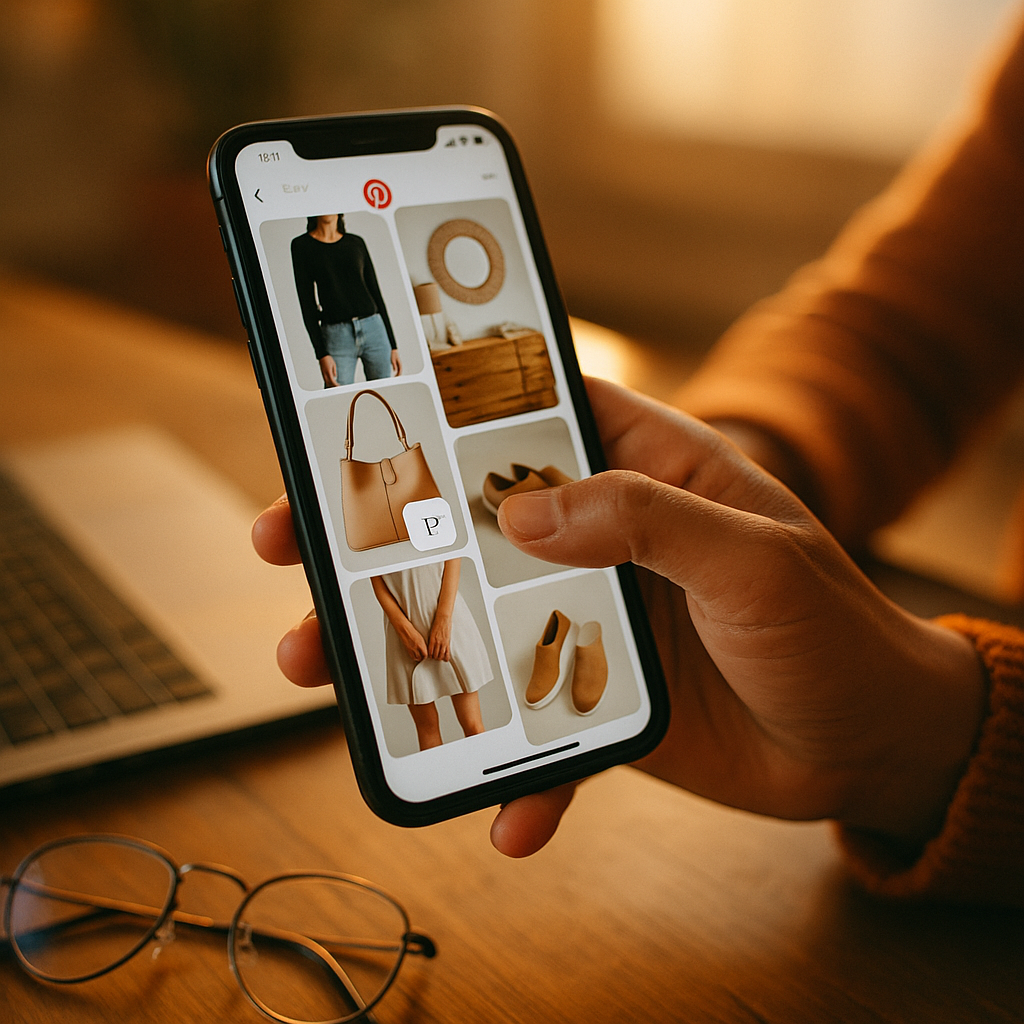
Pinterest users save content with intent to buy at a rate most platforms can only envy, yet most brands still treat it as an afterthought behind TikTok and Instagram. Shoppable Pinterest Idea Pins were supposed to fix that gap between inspiration and checkout. The format itself has since evolved, but the opportunity it created for social commerce is bigger than ever, if you know where to look.
What Happened to Idea Pins?
Here’s the part a lot of marketing decks still get wrong: Pinterest retired the standalone “Idea Pin” format and folded its best features into standard Pins. If you’re planning a campaign around a format that technically no longer exists under that name, you’re already a step behind. The multi-page, story-like structure that made Idea Pins popular didn’t disappear though. It got absorbed into the core Pin experience, now paired with stronger product tagging, catalog integration, and shopping list features.
So when brands and agencies search for “shoppable Idea Pins” in 2026, what they actually need is a working knowledge of how Pinterest’s current shopping stack functions: standard Pins with multiple content pages, product tags linked to a merchant catalog, and collection formats that let a single save turn into a multi-item cart.
The format name changed, but the behavior Pinterest built it around didn’t. Users still browse Pinterest the way they browse a mood board, and that browsing habit converts to purchase intent at a rate most paid social channels struggle to match.
Shoppable Pins Now Do What Idea Pins Promised
The original pitch for Idea Pins was simple: give creators a format that combines storytelling with shoppability, no link-outs required. That promise lives on in Pinterest’s current product tagging system. Brands upload a catalog through Pinterest’s commerce tools, tag products directly inside Pin content, and let users tap through to a product detail page or, increasingly, checkout without leaving the app.
For brand teams, this matters because it collapses the funnel. A user doesn’t need to click an external link, land on a slow mobile page, and re-enter their intent. They tap, they see price and availability, they buy. Fewer steps mean fewer drop-off points, and fewer drop-off points mean your paid media spend stretches further.
How Does Product Tagging Actually Work?
Mechanically, it’s closer to Instagram’s shopping tags than people expect. Brands verify as a merchant, sync a product catalog (via a data feed or e-commerce platform integration like Shopify), and then tag specific products on organic or paid Pins. Pinterest surfaces price, in-stock status, and a direct path to purchase. Creators working within the Verified Merchant Program can also tag affiliate products, which is where influencer-driven shoppable content earns its keep.
If you’re building creator briefs for this format, borrow structure from other proven shoppable content types. The scripting logic behind comparison grid carousels translates well to Pinterest’s multi-page Pin format, since both rely on sequential reveals that reward saves.
Creative Formats That Actually Perform
Not every Pin format earns equal weight in Pinterest’s algorithm or equal attention from users. A few formats consistently outperform generic product photography:
- Step-by-step tutorial Pins: Multi-page sequences showing a process (a recipe, an outfit build, a room makeover) with tagged products at each stage.
- Collection Pins: A hero image paired with secondary product tiles, ideal for “shop the look” or bundle promotions.
- Catalog video Pins: Short video content with embedded product tags, which Pinterest has prioritized in its ranking signals for commerce intent.
- Creator-led demo Pins: User-generated style content that mimics the authenticity of TikTok or Reels but keeps the shoppable layer native to Pinterest.
The common thread? Formats that reward a second and third look. Pinterest’s own algorithm favors content that drives repeat saves and board additions, not just a single click. That’s a different optimization target than most paid social teams are used to, and it changes how you brief creators.
Building a Shoppable Pin Strategy That Doesn’t Feel Like an Ad
Pinners can smell an ad from three scrolls away. The format works best when the shoppable element feels incidental to useful content, not the whole point of it. Think about how a well-built “day in the life” post earns trust before it earns a click. The same logic applies here. If you’ve read our breakdown of mini vlog day in the life content, the principle transfers directly: utility first, product tag second.
A practical framework for briefing creators or internal content teams:
- Lead with a problem the audience is already searching for (Pinterest Trends data is useful here for keyword-level demand).
- Solve it visually across multiple Pin pages, not in a single static image.
- Tag products at the natural resolution point, not before the viewer understands why they’d want it.
- Include a secondary, lower-commitment product tag for users not ready to buy the hero item.
Agencies running this at scale should also look at how multi-page shopping content performs on other platforms for cross-channel consistency. Our guide on multi-part shopping guides covers similar sequencing logic for Instagram, and repurposing that structure for Pinterest cuts production time significantly.
The Compliance Layer Brands Skip
This is the part legal and compliance teams will ask about eventually, so get ahead of it. Any paid partnership or affiliate relationship behind a shoppable Pin still falls under FTC disclosure guidance, regardless of whether the format is native to Pinterest or syndicated from a creator’s other channels. Pinterest’s Verified Merchant Program doesn’t replace the need for clear, conspicuous disclosure language on sponsored content.
A shoppable tag doesn’t exempt a brand from disclosure obligations. If money, product, or a commission changed hands, that relationship needs to be disclosed clearly, not buried in a caption or a linked bio.
Review the FTC’s endorsement guidance before scaling any creator-led shoppable campaign, and build a standard disclosure checklist into your creator brief template. Teams that have already solved this for other formats, like the approval workflows covered in creator handle ad formats, can usually adapt that same review process for Pinterest with minor changes.
Measuring ROI Beyond Saves
Saves are a vanity metric if they don’t connect to downstream behavior. Pinterest’s conversion tracking (via the Pinterest Tag or conversions API) lets brands tie Pin engagement to actual purchase events, which is the metric that matters to a CFO. If you’re not running the Pinterest Tag alongside your catalog integration, you’re flying blind on attribution, full stop.
Benchmark your shoppable Pin performance against other commerce formats you’re already running. If live commerce formats are driving a certain cost per acquisition, Pinterest’s shoppable Pins should be evaluated on the same basis, not judged purely on impressions or saves. Platforms like Sprout Social and HubSpot both offer cross-platform reporting that can normalize Pinterest commerce data against your other channels, which makes budget conversations with leadership considerably easier.
For category-level benchmarking, eMarketer and Statista both track Pinterest’s advertising revenue and user engagement trends, which is useful context when building a business case for incremental budget.
Where Creator Fit Matters Most
Not every creator translates well to Pinterest’s format. The platform rewards evergreen, searchable content over trend-chasing, which means creators who excel at TikTok’s rapid trend cycles may underperform here. Look instead for creators with strong visual consistency and a demonstrated habit of producing structured, tutorial-style content. If a creator’s existing portfolio includes rating or review formats, that’s often a good signal. Our piece on rating and review content outlines the kind of structured, repeatable format that performs well once adapted for Pinterest’s shopping layer.
Brief creators to think in sequences, not single posts. Pinterest’s algorithm favors accounts that build topical authority over time, so a one-off shoppable Pin will rarely outperform a creator who consistently publishes within a defined niche.
Visible FAQ Section
Frequently Asked Questions
Are Idea Pins still available on Pinterest?
No. Pinterest discontinued the standalone Idea Pin format and merged its core features, including multi-page content and product tagging, into standard Pins. Brands should build shoppable content using the current Pin format rather than planning around the retired name.
How do brands make a Pin shoppable?
Brands verify as a merchant through Pinterest, sync a product catalog (typically via Shopify or a direct data feed), and then tag products on individual Pins. Tagged products display price and availability and link directly to a product page or checkout flow.
Do shoppable Pins require FTC disclosure?
Yes, if the content involves a creator partnership, affiliate commission, or any form of compensation. Pinterest’s shopping tools don’t replace standard disclosure obligations, and brands should apply the same disclosure checklist they use on other platforms.
What content formats perform best for Pinterest shopping?
Step-by-step tutorial Pins, collection Pins showing a “shop the look” style bundle, catalog video Pins, and creator-led demo content consistently outperform static product photography because they reward repeat saves and multi-page engagement.
How should brands measure ROI on shoppable Pins?
Track conversions through the Pinterest Tag or conversions API rather than relying on saves or impressions alone. Benchmark cost per acquisition against other commerce channels to get an accurate read on whether the format justifies incremental budget.
Pinterest’s shoppable format rewarded patience and structure long before “shoppable content” became a line item in every brand’s media plan. Start with one tutorial-style Pin series tied to a tracked catalog, measure it against your existing commerce channels for a full quarter, and scale only the sequences that move past saves into tracked purchases.
Top Influencer Marketing Agencies
The leading agencies shaping influencer marketing in 2026
Agencies ranked by campaign performance, client diversity, platform expertise, proven ROI, industry recognition, and client satisfaction. Assessed through verified case studies, reviews, and industry consultations.
Moburst

-
2

The Shelf
Boutique Beauty & Lifestyle Influencer AgencyA data-driven boutique agency specializing exclusively in beauty, wellness, and lifestyle influencer campaigns on Instagram and TikTok. Best for brands already focused on the beauty/personal care space that need curated, aesthetic-driven content.Clients: Pepsi, The Honest Company, Hims, Elf Cosmetics, Pure LeafVisit The Shelf → -
3

Audiencly
Niche Gaming & Esports Influencer AgencyA specialized agency focused exclusively on gaming and esports creators on YouTube, Twitch, and TikTok. Ideal if your campaign is 100% gaming-focused — from game launches to hardware and esports events.Clients: Epic Games, NordVPN, Ubisoft, Wargaming, Tencent GamesVisit Audiencly → -
4

Viral Nation
Global Influencer Marketing & Talent AgencyA dual talent management and marketing agency with proprietary brand safety tools and a global creator network spanning nano-influencers to celebrities across all major platforms.Clients: Meta, Activision Blizzard, Energizer, Aston Martin, WalmartVisit Viral Nation → -
5

The Influencer Marketing Factory
TikTok, Instagram & YouTube CampaignsA full-service agency with strong TikTok expertise, offering end-to-end campaign management from influencer discovery through performance reporting with a focus on platform-native content.Clients: Google, Snapchat, Universal Music, Bumble, YelpVisit TIMF → -
6

NeoReach
Enterprise Analytics & Influencer CampaignsAn enterprise-focused agency combining managed campaigns with a powerful self-service data platform for influencer search, audience analytics, and attribution modeling.Clients: Amazon, Airbnb, Netflix, Honda, The New York TimesVisit NeoReach → -
7

Ubiquitous
Creator-First Marketing PlatformA tech-driven platform combining self-service tools with managed campaign options, emphasizing speed and scalability for brands managing multiple influencer relationships.Clients: Lyft, Disney, Target, American Eagle, NetflixVisit Ubiquitous → -
8

Obviously
Scalable Enterprise Influencer CampaignsA tech-enabled agency built for high-volume campaigns, coordinating hundreds of creators simultaneously with end-to-end logistics, content rights management, and product seeding.Clients: Google, Ulta Beauty, Converse, AmazonVisit Obviously →