


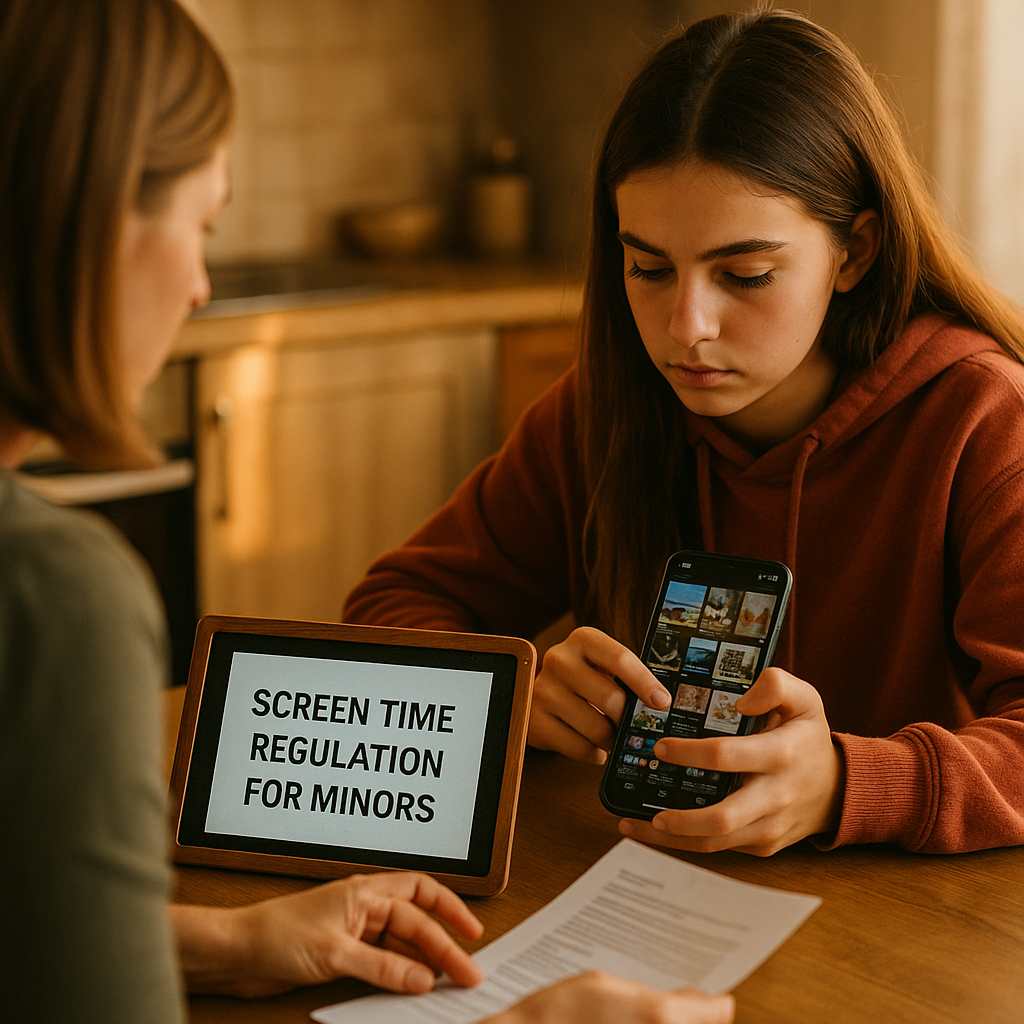
Alabama grabbed headlines with its TikTok teen safety settlement, but that’s one data point in a fifty-state puzzle. At least 20 states have passed or advanced teen screen time laws since 2023, and no two define “minor,” “consent,” or “harmful design” the same way. If your influencer program runs national campaigns, you’re already out of compliance somewhere. The question is whether you know it yet.
The Patchwork Problem: More Than a Dozen States, Zero Uniformity
Utah started the wave with the Minor Protections in Social Media Act, requiring age verification and default privacy settings for under-18 accounts. Texas followed with HB 18, its SCOPE Act targeting algorithmic feeds shown to minors. Louisiana, Arkansas, and Ohio each added their own age-verification mandates, several of which got tangled in First Amendment litigation before ever taking effect. California’s Age-Appropriate Design Code sits in its own lane, borrowing heavily from the UK’s approach to default privacy for young users.
Here’s the part that should worry brand teams more than the headlines: these laws don’t just regulate platforms. Several extend obligations to anyone designing “features likely to be accessed by minors,” a phrase broad enough to pull in branded AR filters, gamified loyalty programs, and influencer-run giveaways that collect entry data from followers who happen to be teenagers.
A campaign compliant in New York can trigger civil penalties in Texas purely because the landing page lacks an age gate. State law, not platform policy, is now the binding constraint.
We’ve covered the mechanics of one high-profile example in our breakdown of the Alabama teen safety deal, but that settlement addressed platform-level defaults, not advertiser conduct. Brands assumed the platform absorbed the risk. It didn’t.
Where the Laws Actually Bite Brand Campaigns
Three mechanisms show up again and again across state statutes, and each one maps directly to something your influencer team does every week.
- Age verification triggers: Several states require “commercially reasonable” age verification before collecting data from users under 18, which includes email captures, sweepstakes entries, and app downloads promoted by creators.
- Curfew and notification restrictions: Laws modeled on Utah and New York’s SAFE for Kids Act limit push notifications and algorithmic recommendations to minors during overnight hours, directly affecting when sponsored content actually reaches teen audiences.
- Design feature liability: Autoplay, infinite scroll, and streak mechanics built into branded apps or microsites can be classified as “addictive design,” opening brands to the same scrutiny platforms face.
None of this is theoretical. The FTC has signaled it views state consumer protection statutes as complementary to federal enforcement, not competing with it. That means a state attorney general action and an FTC inquiry can run in parallel, each citing the other’s findings as evidence.
Age Verification Is Becoming a Media Buying Variable
Media planners used to treat age targeting as a platform setting. Pick 18+, move on. That’s no longer sufficient. Several states now require affirmative verification, not just self-reported birthdates, for any service “reasonably likely” to be used by minors. TikTok’s own teen time limit features, which we detailed in our analysis of TikTok’s teen time limits, already restrict when and how long under-18 users can engage, which compresses the effective reach window for any campaign targeting that demographic, intentionally or not.
Brands running influencer content that skews young (beauty, gaming, fast fashion, snack brands) need to ask a blunt question: does our creator’s actual audience composition match what our media plan assumes? Statista’s platform demographic data consistently shows significant under-18 penetration on platforms brands often model as 18-34 audiences. If your legal team is relying on platform-reported age brackets without independent verification, that’s a gap an aggressive state AG will find.
What Alabama Got Right, and Where Its Playbook Stops
Alabama’s settlement forced default privacy protections and limited algorithmic targeting for minor accounts. It’s a reasonable template for platform behavior. But it’s narrow. It doesn’t touch advertiser conduct, doesn’t address influencer disclosure specifically for teen-facing content, and doesn’t harmonize with the growing number of state AI disclosure statutes now layering on top.
That last point matters more than brands realize. If a creator uses an AI-generated voiceover or synthetic avatar in content that reaches a teen audience, you’re now stacking two compliance regimes: teen screen time rules and state AI disclosure laws. A single piece of branded content can trigger obligations under both frameworks simultaneously, and the penalty structures don’t offset each other. They add up.
Treating Alabama as the finish line is the single most common mistake brand legal teams make right now. It’s the opening chapter, not the resolution.
Building a Compliance Map Instead of Reacting State by State
Chasing each new state bill as it passes is exhausting and reactive. A smarter approach: build a living risk map tied to where your campaigns actually run and where your creator audiences actually live, not just where your brand is headquartered.
- Pull audience geography data for every creator in your roster, not just aggregate platform demographics.
- Cross-reference against the states with active age-verification or design-liability statutes.
- Flag campaigns with sweepstakes, data capture, or gamified elements for additional legal review before launch.
- Build contract language that shifts verification responsibility appropriately between brand, agency, and creator.
This is the same discipline we recommend in our guide to state privacy law audits, and it applies almost identically here. The states driving privacy enforcement (California, Colorado, Virginia) overlap heavily with the states leading teen screen time legislation. One audit framework can cover both if you build it that way from the start.
What This Means for Influencer Contracts and Creator Vetting
Standard influencer agreements rarely mention minor audience composition at all. That has to change. Contracts should now require creators to disclose known audience age breakdowns where platform analytics make that visible, and should include indemnification language specific to teen-targeted design features, not just general FTC disclosure compliance.
Vetting processes need an upgrade too. If a creator’s historical content performs well with under-18 audiences, even unintentionally, that’s a data point your legal team needs before signing, not after a state inquiry lands. eMarketer’s creator economy research has repeatedly flagged audience age mismatch as an underreported risk category in influencer marketing, and state legislators are now effectively forcing brands to quantify what they used to estimate.
This also intersects with likeness and content reuse. If a teen appears in UGC a brand later repurposes in paid media, right of publicity rules by state add another layer of consent requirements that most repurposing workflows simply don’t check for.
FAQs
Which states currently have active teen screen time laws affecting advertisers?
Utah, Texas, Louisiana, Arkansas, California, and New York all have statutes in effect or in active enforcement that touch age verification, algorithmic design, or notification restrictions for minors, with several more states advancing similar bills.
Do these laws apply to brands or only to social media platforms?
Most laws primarily target platforms, but provisions around data collection, design features, and age-appropriate content can extend liability to brands and agencies running campaigns, sweepstakes, or branded apps accessed by minors.
How is this different from the Alabama TikTok settlement?
The Alabama settlement addressed platform-level defaults and algorithmic protections for minor accounts. State screen time laws are broader statutory frameworks that can apply to advertiser conduct directly, independent of any platform-specific agreement.
What’s the biggest compliance gap brands overlook?
Audience age verification. Brands often rely on platform-reported demographics instead of independently confirming that campaign audiences match the age brackets assumed in media planning and consent documentation.
Should influencer contracts change because of these laws?
Yes. Contracts should now include audience age disclosure requirements, indemnification language tied to minor-facing design features, and clear allocation of verification responsibility between brand, agency, and creator.
FAQs
The next step isn’t waiting for your state to pass a bill. Build the audience-age and verification audit now, align it with your existing privacy compliance work, and update creator contracts before the next campaign launches, not after a regulator asks why you didn’t.
Top Influencer Marketing Agencies
The leading agencies shaping influencer marketing in 2026
Agencies ranked by campaign performance, client diversity, platform expertise, proven ROI, industry recognition, and client satisfaction. Assessed through verified case studies, reviews, and industry consultations.
Moburst

-
2

The Shelf
Boutique Beauty & Lifestyle Influencer AgencyA data-driven boutique agency specializing exclusively in beauty, wellness, and lifestyle influencer campaigns on Instagram and TikTok. Best for brands already focused on the beauty/personal care space that need curated, aesthetic-driven content.Clients: Pepsi, The Honest Company, Hims, Elf Cosmetics, Pure LeafVisit The Shelf → -
3

Audiencly
Niche Gaming & Esports Influencer AgencyA specialized agency focused exclusively on gaming and esports creators on YouTube, Twitch, and TikTok. Ideal if your campaign is 100% gaming-focused — from game launches to hardware and esports events.Clients: Epic Games, NordVPN, Ubisoft, Wargaming, Tencent GamesVisit Audiencly → -
4

Viral Nation
Global Influencer Marketing & Talent AgencyA dual talent management and marketing agency with proprietary brand safety tools and a global creator network spanning nano-influencers to celebrities across all major platforms.Clients: Meta, Activision Blizzard, Energizer, Aston Martin, WalmartVisit Viral Nation → -
5

The Influencer Marketing Factory
TikTok, Instagram & YouTube CampaignsA full-service agency with strong TikTok expertise, offering end-to-end campaign management from influencer discovery through performance reporting with a focus on platform-native content.Clients: Google, Snapchat, Universal Music, Bumble, YelpVisit TIMF → -
6

NeoReach
Enterprise Analytics & Influencer CampaignsAn enterprise-focused agency combining managed campaigns with a powerful self-service data platform for influencer search, audience analytics, and attribution modeling.Clients: Amazon, Airbnb, Netflix, Honda, The New York TimesVisit NeoReach → -
7

Ubiquitous
Creator-First Marketing PlatformA tech-driven platform combining self-service tools with managed campaign options, emphasizing speed and scalability for brands managing multiple influencer relationships.Clients: Lyft, Disney, Target, American Eagle, NetflixVisit Ubiquitous → -
8

Obviously
Scalable Enterprise Influencer CampaignsA tech-enabled agency built for high-volume campaigns, coordinating hundreds of creators simultaneously with end-to-end logistics, content rights management, and product seeding.Clients: Google, Ulta Beauty, Converse, AmazonVisit Obviously →