


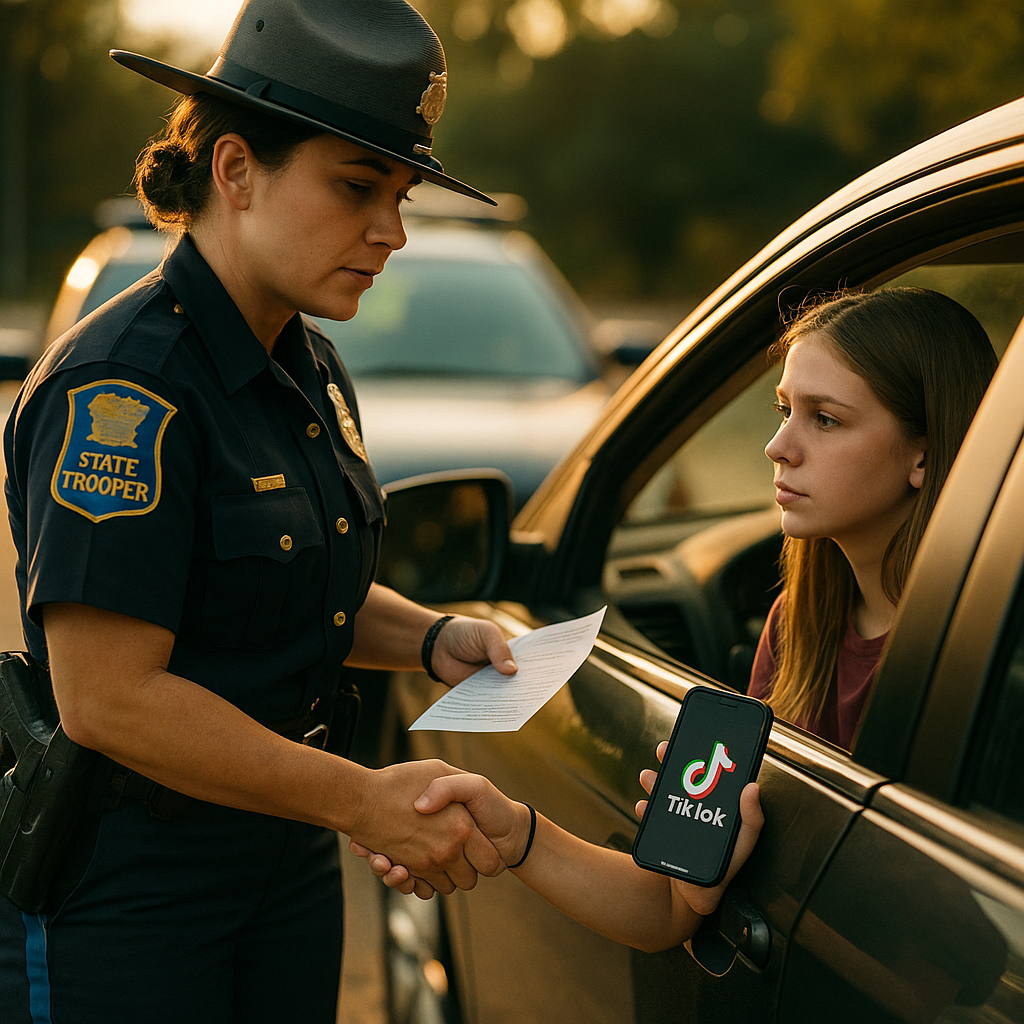
Forty-one state attorneys general. One settlement. A compliance framework that’s about to become the industry baseline. The TikTok Alabama teen safety deal isn’t a regional footnote, it’s a preview of what every platform operating in the United States will soon be required to do. If your brand runs influencer campaigns targeting anyone under 18, or even campaigns that simply attract a teen audience you didn’t ask for, the rules just changed underneath you.
Alabama led the charge, but the settlement terms read like a national playbook: mandatory age verification improvements, default privacy settings for minors, restricted algorithmic targeting, and third-party audits of enforcement. Other states are watching closely, and several have already signaled they’ll push for identical or stricter terms. For brands and agencies running influencer programs, this is the moment to stop treating teen safety compliance as a platform problem and start treating it as a brand liability problem.
What the Alabama Settlement Actually Requires
The deal isn’t vague. It compels TikTok to tighten default settings for accounts believed to belong to minors, restrict certain ad targeting categories, and submit to independent monitoring of how well those protections actually function in practice. That last part matters most. Promises without audits are just press releases. Audits create paper trails, and paper trails create liability for everyone touched by the data, including brands running campaigns on the platform.
This mirrors what happened with Meta earlier, where a parallel settlement pushed platform-side protections that quietly reshaped how brands had to document their influencer vetting. We covered the fallout in detail in our breakdown of the teen safety settlement liability gap, and the parallels here are hard to ignore. Platforms settle, brands inherit the operational burden. That’s the pattern, and it’s repeating.
Platform settlements create the legal floor. Brands that wait for enforcement to trickle down are the ones who get caught flat-footed when state regulators start asking for campaign-level proof.
Why This Isn’t Just Alabama’s Problem
Settlements like this rarely stay contained to one state. Attorneys general coordinate, and consent decrees get copied almost verbatim across jurisdictions once one state proves the legal theory holds. We’ve already seen this dynamic play out with state-level AI disclosure rules, where a handful of early movers set the template and the rest followed within a budget cycle. Our analysis of state AI disclosure compliance risk maps a nearly identical spread pattern.
Expect the same here. A national rollout of teen safety requirements, whether through additional state settlements, FTC rulemaking, or Congressional action, is no longer a hypothetical. It’s a timeline question, not an “if” question.
Marketers who run influencer campaigns with any teen reach (and let’s be honest, most lifestyle, beauty, gaming, and fashion verticals do) need to assume these standards will apply to their programs within the next few reporting cycles. Waiting for a federal mandate to force your hand is a slow way to get blindsided by a state investigation first.
The Compliance Gaps Brands Will Inherit
Here’s where it gets operationally messy. The settlement obligates TikTok to change platform behavior, but brands are the ones who signed influencer contracts, approved content briefs, and ran paid partnership campaigns that may have reached minors without anyone flagging it. Three gaps show up consistently in audits we’ve reviewed:
- Audience verification blind spots. Most brands rely on platform-reported audience demographics, which are self-attested and notoriously unreliable for teen segments.
- Disclosure labeling inconsistency. Paid partnership tags that satisfy FTC rules don’t automatically satisfy state-level unfair and deceptive practices statutes, a gap we detailed in our piece on TikTok paid partnership labeling.
- Creator vetting that stops at follower count. Brands often never check whether a creator’s content historically skews toward a younger audience, even when the brief explicitly targets adults.
None of these gaps are new. What’s new is the enforcement appetite. According to FTC guidance, children’s online privacy enforcement has become a stated priority area, and state regulators are now moving in parallel rather than waiting on federal action. That coordination is exactly what makes this moment different from previous privacy scares that fizzled out after a news cycle.
Building an Audit Trail Before Regulators Ask
If there’s one lesson from every platform settlement over the past two years, it’s this: the brands that survive scrutiny are the ones who can produce documentation on demand. Not after a subpoena. Before anyone asks.
That means campaign-level records showing audience age estimates, creator vetting criteria, disclosure compliance checks, and a dated history of policy updates applied to live campaigns. It sounds tedious because it is. But compare that tedium to the alternative: a state AG request for records your team can’t produce, during a public enforcement wave that’s already generating headlines.
Agencies running multi-platform programs should also look at how these obligations interact with existing privacy frameworks. Our guide to state privacy law audits walks through the contract language brands need baked into creator agreements now, not retroactively once a regulator comes calling.
A compliance program that only exists on paper isn’t a compliance program, it’s a liability waiting for discovery.
Instagram and Snap Already Showed the Pattern
TikTok isn’t operating in a vacuum here. Meta rolled out PG-13 style teen filters and reach restrictions, a shift our team covered in depth in the piece on Instagram’s teen filter rollout. The short version: when a major platform tightens teen protections, brand reach into younger demographics contracts fast, and campaigns built around assumed reach numbers suddenly underperform.
Expect the same contraction on TikTok once the Alabama settlement terms get implemented at scale. If your media plan assumes current reach and targeting capability, rebuild that assumption now. According to eMarketer estimates, platforms adjusting algorithmic targeting for minors have historically seen double-digit percentage shifts in reported teen-segment reach within two quarters of enforcement. That’s not a rounding error for media planners.
What Smart Brands Are Doing Right Now
The brands handling this well aren’t waiting for a national mandate. They’re running internal audits of every active influencer campaign against a simple checklist: does this creator’s historical audience data suggest meaningful teen reach, does the disclosure labeling meet both FTC and state standards (see our breakdown of disclosure rules across regulators), and is there a dated record showing when compliance checks happened.
Agencies are also renegotiating creator contracts to shift some verification burden onto the creator, with indemnification clauses tied specifically to age-targeting misrepresentation. It’s a small contractual tweak, but it matters enormously if a campaign gets flagged months after it ran.
Social listening and campaign monitoring tools are stepping up too. Platforms like Sprout Social now offer audience composition reporting that goes beyond platform self-reporting, giving brands an independent data point to cite if a regulator questions audience targeting decisions. That independent verification layer is quickly becoming table stakes rather than a nice-to-have.
What Happens If Brands Do Nothing
Inaction has a cost, and it’s not abstract. State attorneys general have shown they’re willing to name brands, not just platforms, in enforcement actions tied to minor-targeted advertising. The Statista trendlines on state-level consumer protection filings show a steady rise in actions naming advertisers directly, not just the platforms hosting the content. That shift alone should reorder budget priorities for any brand running influencer programs at scale.
Doing nothing also means your competitors who move early get a quiet advantage: cleaner audit trails, fewer campaign pauses, and credibility with platforms that increasingly reward brands with documented compliance histories during partnership reviews.
Last point worth flagging: this settlement pattern will keep repeating across other risk categories too, from AI disclosure to creator tax compliance. If your team hasn’t already built a repeatable audit process, start with the frameworks in our AI creator vetting scores piece, since the documentation logic transfers directly to teen safety compliance.
Frequently Asked Questions
What does the TikTok Alabama teen safety deal require?
The settlement requires TikTok to strengthen default privacy and safety settings for accounts believed to belong to minors, restrict certain ad targeting practices aimed at that age group, and submit to independent monitoring to verify those protections function as promised.
Will other states follow Alabama’s settlement terms?
Very likely. State attorneys general frequently coordinate on consumer protection theories, and once one state secures a settlement, others often pursue matching or stricter terms. Brands should plan for a broader rollout rather than treating this as isolated to one state.
How does this settlement affect brands running influencer campaigns?
Brands inherit operational responsibility even though the platform signed the settlement. That includes verifying audience age estimates, ensuring disclosure labeling meets both FTC and state standards, and maintaining documentation that proves compliance checks happened before and during a campaign.
What should brands do to prepare for a national rollout of teen safety rules?
Start building a campaign-level audit trail now: creator vetting records, audience composition data from independent tools, disclosure compliance logs, and contract language that shifts some verification responsibility onto creators through indemnification clauses.
Does this settlement apply only to campaigns explicitly targeting teens?
No. Many campaigns not designed for teen audiences still reach significant numbers of minors due to platform algorithm behavior. Regulators have shown willingness to scrutinize unintentional reach, not just deliberate targeting, which raises the compliance bar for nearly every influencer program.
The brands that build their audit trail before the next state settlement lands will spend their time running campaigns, not defending them. Start with one campaign, document it fully, and use that as your template before the national rollout forces the issue.
Top Influencer Marketing Agencies
The leading agencies shaping influencer marketing in 2026
Agencies ranked by campaign performance, client diversity, platform expertise, proven ROI, industry recognition, and client satisfaction. Assessed through verified case studies, reviews, and industry consultations.
Moburst

-
2

The Shelf
Boutique Beauty & Lifestyle Influencer AgencyA data-driven boutique agency specializing exclusively in beauty, wellness, and lifestyle influencer campaigns on Instagram and TikTok. Best for brands already focused on the beauty/personal care space that need curated, aesthetic-driven content.Clients: Pepsi, The Honest Company, Hims, Elf Cosmetics, Pure LeafVisit The Shelf → -
3

Audiencly
Niche Gaming & Esports Influencer AgencyA specialized agency focused exclusively on gaming and esports creators on YouTube, Twitch, and TikTok. Ideal if your campaign is 100% gaming-focused — from game launches to hardware and esports events.Clients: Epic Games, NordVPN, Ubisoft, Wargaming, Tencent GamesVisit Audiencly → -
4

Viral Nation
Global Influencer Marketing & Talent AgencyA dual talent management and marketing agency with proprietary brand safety tools and a global creator network spanning nano-influencers to celebrities across all major platforms.Clients: Meta, Activision Blizzard, Energizer, Aston Martin, WalmartVisit Viral Nation → -
5

The Influencer Marketing Factory
TikTok, Instagram & YouTube CampaignsA full-service agency with strong TikTok expertise, offering end-to-end campaign management from influencer discovery through performance reporting with a focus on platform-native content.Clients: Google, Snapchat, Universal Music, Bumble, YelpVisit TIMF → -
6

NeoReach
Enterprise Analytics & Influencer CampaignsAn enterprise-focused agency combining managed campaigns with a powerful self-service data platform for influencer search, audience analytics, and attribution modeling.Clients: Amazon, Airbnb, Netflix, Honda, The New York TimesVisit NeoReach → -
7

Ubiquitous
Creator-First Marketing PlatformA tech-driven platform combining self-service tools with managed campaign options, emphasizing speed and scalability for brands managing multiple influencer relationships.Clients: Lyft, Disney, Target, American Eagle, NetflixVisit Ubiquitous → -
8

Obviously
Scalable Enterprise Influencer CampaignsA tech-enabled agency built for high-volume campaigns, coordinating hundreds of creators simultaneously with end-to-end logistics, content rights management, and product seeding.Clients: Google, Ulta Beauty, Converse, AmazonVisit Obviously →