


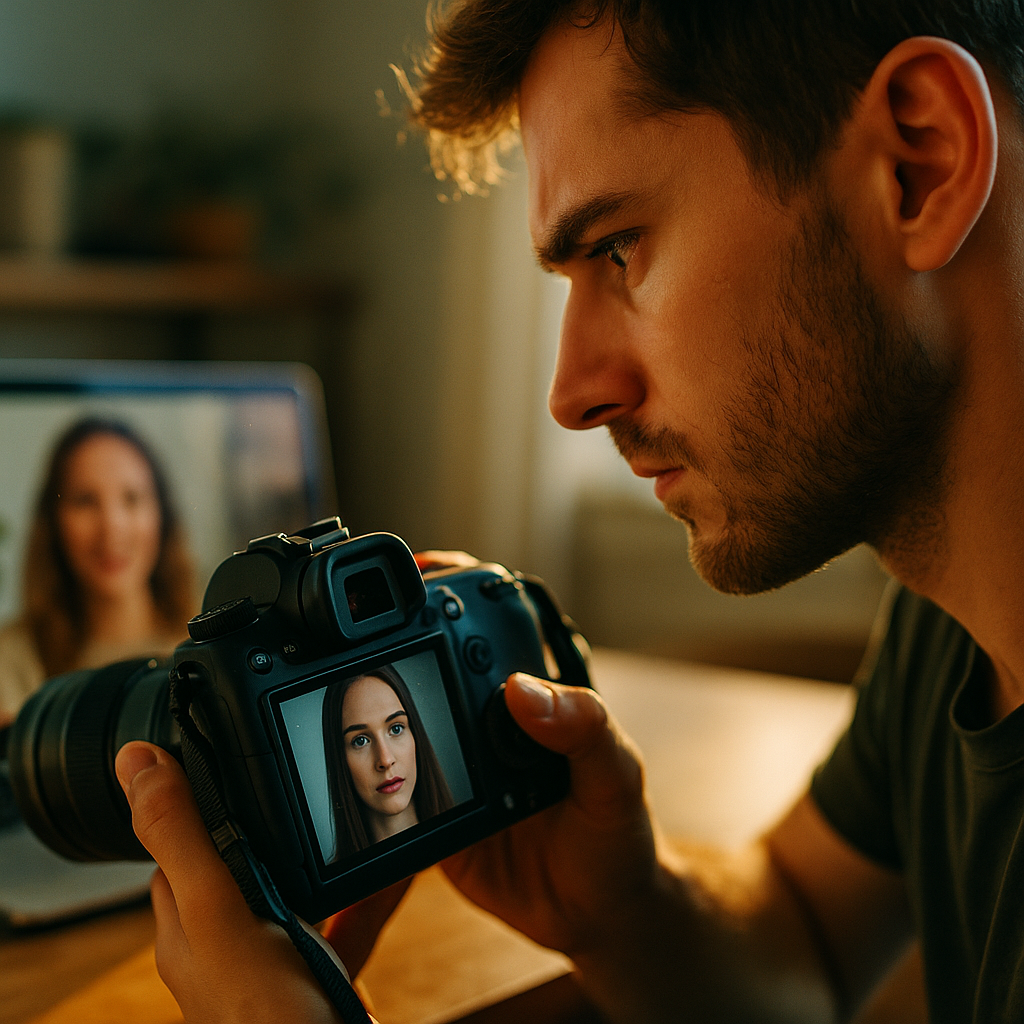
63% of consumers say they trust a synthetic avatar less than a human creator, even when they can’t tell the difference in a blind test. That gap is not a production quality problem. It’s a relatability problem, and no amount of rendering budget fixes it. As brands pour money into AI-generated spokespeople, new consumer data suggests the synthetic avatars still underperform human creators where it matters most: purchase intent.
The Numbers Behind the Trust Gap
Marketing teams love the pitch. Synthetic avatars never age out of a demo, never post something embarrassing at 2 a.m., never ask for a renegotiated rate mid-campaign. On paper, they look like the ultimate risk mitigation tool. In practice, consumers keep telling researchers the same thing: something feels off, and they can’t fully articulate why.
Recent consumer sentiment surveys put a number on that unease. Across multiple studies referenced by eMarketer, synthetic and AI-generated spokespeople consistently score lower on relatability, warmth, and perceived honesty than human creators, even when the avatar is photorealistic. The deficit isn’t about visual fidelity anymore. It’s about the absence of lived experience, and audiences seem to sense that absence even when they can’t name it.
Consumers rate synthetic avatars as more “polished” but less “believable,” a split that directly predicts lower purchase intent regardless of production quality.
This matters because relatability isn’t a soft metric anymore. It’s a leading indicator of conversion. Our earlier coverage of trust scores beating reach in purchase intent modeling showed that audiences buy from people they believe, not just people they can see clearly. Synthetic avatars, however well-rendered, still fall on the wrong side of that belief threshold.
Why Photorealism Doesn’t Buy Trust
Here’s the counterintuitive part: making avatars more human-looking often makes the trust gap worse, not better. This is the uncanny valley effect showing up in commercial data instead of academic papers. When an avatar looks almost perfectly human, small imperfections in movement, timing, or emotional response become more jarring, not less.
Human creators earn trust through visible imperfection. A slightly awkward pause, a genuine laugh that doesn’t land on cue, an unscripted aside about a product that didn’t work as expected. These are the exact signals that make content feel authentic, and they’re precisely what synthetic avatars struggle to replicate convincingly. You can script spontaneity. You can’t fake the audience’s belief in it.
There’s also a disclosure problem lurking underneath. Regulators are paying closer attention to AI-generated endorsements, and the FTC has already signaled that synthetic spokespeople fall under the same disclosure obligations as any other paid endorsement. Brands that skip clear labeling risk both the trust penalty and a compliance headache. Our piece on AI content trust falling to 34 percent covers how quickly audiences penalize brands that get caught blurring that line.
The Cost Math Still Doesn’t Favor Avatars
Set aside relatability for a second. Even on pure economics, synthetic avatars aren’t the bargain they were pitched as. Building a high-fidelity avatar with licensed voice, motion capture, and ongoing content generation frequently costs more over a 12-month campaign cycle than retaining a mid-tier human creator with an engaged niche audience.
We’ve tracked this in detail before: virtual influencer costs still outpace human creator ROI once you account for licensing, technical maintenance, and the content refresh cycles needed to keep an avatar feeling current. Brands budgeting for avatars as a “set it and forget it” cost saver are often surprised by the ongoing production overhead required just to keep the avatar relevant across platform algorithm shifts.
- Avatar development and licensing: often a six-figure upfront investment before a single post goes live.
- Ongoing motion and voice updates: required every time platform norms or trends shift.
- Lower conversion per impression: meaning the cost-per-acquisition math rarely closes in the avatar’s favor.
- Human creators, by contrast, bring an existing trust reservoir the brand doesn’t have to build from zero.
This is the part CFOs care about. It’s not just a brand safety argument. It’s a straightforward ROI comparison, and right now the data keeps landing on the side of human creators.
Where Synthetic Avatars Actually Make Sense
None of this means avatars are a dead end. There are use cases where synthetic spokespeople genuinely outperform, and smart brands are learning to segment accordingly rather than treating avatars as a blanket replacement strategy.
Product explainer content, internal training videos, and localized dubbing for global campaigns are areas where consumers care less about emotional authenticity and more about clarity and consistency. Nobody expects a warranty explainer to feel like a heartfelt confession. In these low-emotional-stakes contexts, synthetic avatars close the gap with human creators almost entirely, and the cost efficiency argument actually holds up.
The pattern that keeps showing up: the higher the emotional stakes of the purchase decision, the wider the relatability gap becomes. Skincare, wellness, financial products, anything tied to identity or trust, human creators dominate. Utility products with straightforward functional claims are far more forgiving of synthetic delivery.
What This Means for Budget Allocation
Marketing leads reading this data shouldn’t interpret it as “avoid AI avatars entirely.” That’s the wrong takeaway. The right takeaway is segmentation: match the creator format to the emotional weight of the message.
Brands are already adjusting KPI frameworks to reflect this shift. Our coverage of teams that ditch reach for margin based creator KPIs found that once teams start measuring margin contribution instead of impressions, the human creator premium becomes easier to justify internally. Reach-based reporting hides the relatability gap. Margin-based and conversion-based reporting exposes it immediately.
There’s also an operational efficiency angle worth flagging. Human creator content, especially UGC style content, tends to have longer shelf life and better repurposing value across paid channels. Programs built around dark posting creator content into paid ad units depend on that authentic feel translating into ad performance, something synthetic content still struggles to replicate at scale. If the underlying asset doesn’t feel human, the paid media lift tends to underperform too, even with strong targeting.
For teams weighing platform-level decisions, it’s worth checking how creator content is licensed and disclosed before scaling any AI-assisted format. Reference guidance from Meta Business and TikTok Ads on synthetic media labeling requirements, since platform policy is tightening faster than most brand guidelines are updating.
The Practical Test Before You Greenlight an Avatar Campaign
Before committing budget to a synthetic avatar campaign, run a simple gut check: would this message land better coming from someone who has actually used the product? If the answer is yes, and it usually is for anything involving personal transformation, health, finance, or identity, the relatability data says stick with a human creator. If the message is purely functional (how to assemble something, how a feature works, a multilingual product tour) an avatar can carry it without a measurable trust penalty.
Run a small A/B test before scaling either direction. Compare conversion, not just engagement, between a human creator asset and a synthetic version of the same message. The gap, if there is one, usually shows up in the first 48 hours of paid amplification.
Frequently Asked Questions
FAQs
Do synthetic avatars perform worse than human creators across all industries?
No. The relatability gap is widest in emotionally driven categories like beauty, wellness, and finance. It narrows significantly in functional or instructional content where consumers care more about clarity than authenticity.
Is it legally required to disclose when a spokesperson is AI-generated?
Disclosure expectations are tightening. The FTC has signaled that synthetic endorsements fall under existing endorsement guideline principles, meaning brands should label AI-generated spokespeople clearly to avoid deceptive advertising claims.
Are synthetic avatars actually cheaper than hiring human creators?
Not always. Once you factor in licensing, motion capture updates, and ongoing content refresh cycles, many avatar programs cost more over a full campaign year than retaining a mid-tier human creator with an engaged audience.
Why do consumers distrust avatars even when they look completely realistic?
Photorealism doesn’t equal believability. Small inconsistencies in emotional timing or reaction trigger the uncanny valley effect, and consumers report lower trust even when they can’t consciously identify what feels wrong.
Where should brands prioritize synthetic avatars right now?
Low-emotional-stakes use cases: product explainers, internal training, multilingual dubbing, and repetitive instructional content where consistency matters more than perceived authenticity.
Next step: Before your next campaign brief defaults to “AI avatar” for cost savings, run a side-by-side conversion test against a human creator asset on the same message. Let the data, not the production budget, decide which format earns the placement.
Top Influencer Marketing Agencies
The leading agencies shaping influencer marketing in 2026
Agencies ranked by campaign performance, client diversity, platform expertise, proven ROI, industry recognition, and client satisfaction. Assessed through verified case studies, reviews, and industry consultations.
Moburst

-
2

The Shelf
Boutique Beauty & Lifestyle Influencer AgencyA data-driven boutique agency specializing exclusively in beauty, wellness, and lifestyle influencer campaigns on Instagram and TikTok. Best for brands already focused on the beauty/personal care space that need curated, aesthetic-driven content.Clients: Pepsi, The Honest Company, Hims, Elf Cosmetics, Pure LeafVisit The Shelf → -
3

Audiencly
Niche Gaming & Esports Influencer AgencyA specialized agency focused exclusively on gaming and esports creators on YouTube, Twitch, and TikTok. Ideal if your campaign is 100% gaming-focused — from game launches to hardware and esports events.Clients: Epic Games, NordVPN, Ubisoft, Wargaming, Tencent GamesVisit Audiencly → -
4

Viral Nation
Global Influencer Marketing & Talent AgencyA dual talent management and marketing agency with proprietary brand safety tools and a global creator network spanning nano-influencers to celebrities across all major platforms.Clients: Meta, Activision Blizzard, Energizer, Aston Martin, WalmartVisit Viral Nation → -
5

The Influencer Marketing Factory
TikTok, Instagram & YouTube CampaignsA full-service agency with strong TikTok expertise, offering end-to-end campaign management from influencer discovery through performance reporting with a focus on platform-native content.Clients: Google, Snapchat, Universal Music, Bumble, YelpVisit TIMF → -
6

NeoReach
Enterprise Analytics & Influencer CampaignsAn enterprise-focused agency combining managed campaigns with a powerful self-service data platform for influencer search, audience analytics, and attribution modeling.Clients: Amazon, Airbnb, Netflix, Honda, The New York TimesVisit NeoReach → -
7

Ubiquitous
Creator-First Marketing PlatformA tech-driven platform combining self-service tools with managed campaign options, emphasizing speed and scalability for brands managing multiple influencer relationships.Clients: Lyft, Disney, Target, American Eagle, NetflixVisit Ubiquitous → -
8

Obviously
Scalable Enterprise Influencer CampaignsA tech-enabled agency built for high-volume campaigns, coordinating hundreds of creators simultaneously with end-to-end logistics, content rights management, and product seeding.Clients: Google, Ulta Beauty, Converse, AmazonVisit Obviously →