


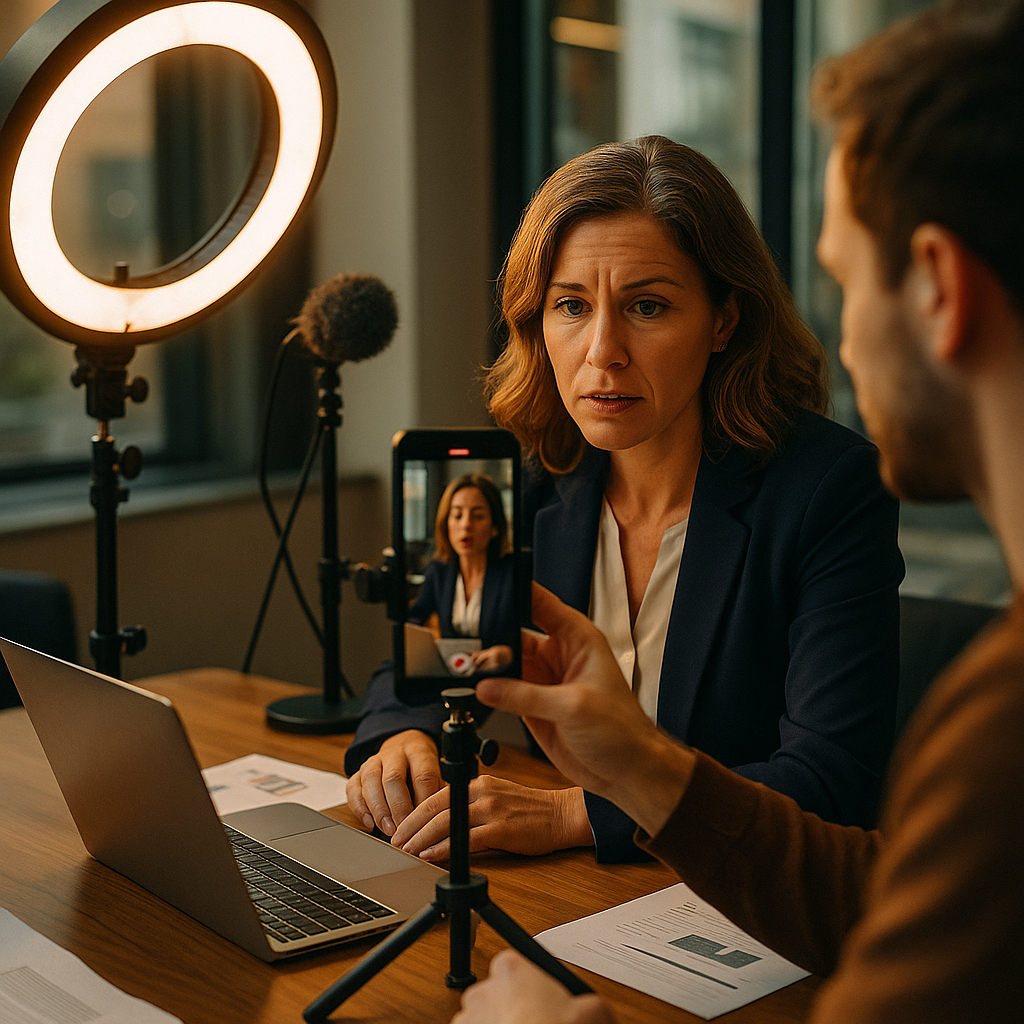
Seventy four percent of B2B buyers say they watched creator or influencer content before shortlisting a vendor this year, according to recent buyer behavior research. That number should stop procurement and marketing leaders cold. B2B buyers used to trust analyst reports and case studies. Now they trust a person on LinkedIn breaking down your product in a fifteen minute video. The shift is real, it’s measurable, and most B2B marketing teams are still budgeting like it’s not happening.
The Research Habits Nobody Budgeted For
Enterprise buying committees don’t move fast. They never have. But somewhere between the first Google search and the final vendor call, something changed: buyers now spend meaningful research time inside creator content rather than gated whitepapers.
Recent data from B2B research firms shows a pattern that mirrors consumer behavior almost exactly. Decision makers watch product walkthroughs from independent creators, follow niche LinkedIn voices who cover their category, and cross reference vendor claims against what those creators say. It’s not a fringe habit anymore. It’s the default research path for a growing share of mid-market and enterprise buyers, especially those under forty five who grew up trusting peer voices over branded messaging.
Buyers under forty five are now more likely to trust an independent creator’s product breakdown than a vendor’s own case study, a reversal that most B2B content strategies haven’t caught up to.
This isn’t just about SaaS either. Manufacturing, logistics, fintech, and professional services buyers all show similar creator engagement patterns. The category doesn’t matter as much as the trust gap creators fill.
Why Trust Beats Reach in Enterprise Sales Cycles
Reach was always the wrong metric for B2B. A creator with eighty thousand followers who happens to be a respected voice among procurement directors will outperform a million follower lifestyle influencer every single time, because the buying committee isn’t shopping for entertainment. They’re shopping for risk reduction.
This tracks with broader creator economy data. Trust scores now outperform reach by more than two to one when it comes to actual purchase intent, and B2B buying committees are arguably even more trust sensitive than consumer shoppers because the financial and reputational stakes of a bad vendor choice are so much higher. Nobody gets fired for picking the vendor everyone trusts. Plenty of people get fired for picking the one nobody vetted.
Marketing teams chasing follower counts in their B2B creator partnerships are optimizing for the wrong outcome. The metric that actually predicts pipeline movement looks a lot more like revenue per follower than raw audience size, and buyer behavior data backs that up.
Who Are These “B2B Creators,” Anyway?
They’re not TikTok dancers. B2B creators tend to fall into a few recognizable categories:
- Former operators turned commentators (ex-CFOs, ex-VPs of sales who now review tools publicly)
- Independent analysts who built a following by being blunt about vendor claims
- Practitioner creators who document their own workflows and tool stacks
- Finance and ops focused finfluencers who increasingly cover B2B software spend
What they share is credibility earned outside a brand’s control. That’s exactly why buyers trust them, and exactly why brands find them hard to manage. You can’t brief a creator into sounding independent. If you try, buyers usually notice, and the trust evaporates fast.
The Compliance Question Every Legal Team Is Asking
Here’s where it gets uncomfortable for risk averse B2B marketing orgs. Creator partnerships in the consumer world have well established disclosure norms, largely shaped by FTC guidance on sponsored content. B2B hasn’t caught up. Plenty of “independent” software reviews on LinkedIn and YouTube are quietly sponsored, and buyers are starting to notice the gap between disclosed and undisclosed content.
That erosion of trust is already showing up in the data. Trust in undisclosed or AI generated content has dropped sharply, and B2B buyers, who tend to be more skeptical by profession, are quick to punish brands that blur the line. If your creator program isn’t disclosing partnerships clearly, you’re not just risking an FTC letter. You’re risking the exact trust advantage the partnership was supposed to buy you.
Vendor due diligence is tightening too. Procurement teams increasingly research not just the product but the financial stability of the platforms and agencies powering a brand’s creator content, a trend covered in depth around vendor financial health due diligence. If your creator agency’s own house isn’t in order, that’s now a buyer risk signal too.
Attribution Is Still the Hard Part
Every CMO wants to know one thing: did the creator content actually move a deal forward? B2B sales cycles run long, sometimes six to eighteen months, which makes clean attribution nearly impossible with last click models. A buyer might watch a creator’s product comparison video in month two and not sign a contract until month eleven.
Frameworks built for consumer creator ROI are starting to get adapted for this longer cycle. The IAB’s push to unify brand lift and sales data into one scorecard is a useful model, since B2B marketers need something similar: a way to credit creator touchpoints that happen months before a deal closes without pretending it’s the only variable.
Tools like HubSpot’s multi touch attribution features and LinkedIn’s conversion tracking are being stretched to cover creator influenced pipeline, but most B2B marketing stacks weren’t built with this in mind. Expect that to change fast over the next few budget cycles as CFOs start asking harder questions about where creator spend actually lands in the funnel.
Budget Reallocation Is Already Happening
Here’s the part that should get finance’s attention: B2B marketing budgets historically allocated almost nothing to creator partnerships, treating them as a consumer marketing line item. That’s shifting. Analyst data from eMarketer shows B2B specific creator spend growing faster than overall B2B content budgets, even as total marketing budgets stay flat or shrink.
Part of this is defensive. Marketing leaders have watched what happened when flat budget planning collided with fast moving channel growth in consumer social commerce, and nobody wants to be the B2B CMO caught flat footed when the board asks why competitors are dominating creator search results and category conversations while your brand sits on the sidelines.
There’s also an AI visibility angle nobody saw coming a couple years ago. As buyers increasingly research vendors through AI assistants and generative search, the content those systems pull from matters enormously, and creator content indexes differently than branded content does. That’s part of why generative engine optimization reporting has reached board decks, with CFOs now tracking whether their brand even shows up in AI generated buyer research summaries.
What This Means For Your Team, Practically
Don’t panic buy creator partnerships to check a box. That’s the fastest way to waste budget and trigger the exact skepticism that made buyers turn to creators in the first place. Instead:
- Audit which creators your actual buyer personas already follow, using social listening tools like Sprout Social rather than guessing
- Prioritize disclosure and transparency in every partnership, no exceptions
- Build attribution windows that match your real sales cycle length, not a thirty day default
- Staff internal oversight for AI assisted creator content review, a growing need as agencies restaff around AI habit oversight
The brands winning this shift aren’t the ones spending the most. They’re the ones treating creator trust as a compliance and credibility asset, not a media buy.
FAQs
Do B2B buyers really trust creators over vendor content?
Recent buyer research shows a majority of B2B decision makers now consult independent creator content before shortlisting vendors, often trusting it more than branded case studies or sales collateral.
What kind of creators influence B2B buying decisions?
Former operators, independent industry analysts, practitioner creators who document real workflows, and finance focused voices covering software and vendor spend all show measurable influence on B2B purchase research.
How should B2B marketers measure creator ROI given long sales cycles?
Extend attribution windows to match actual deal cycles, track creator touchpoints as influenced pipeline rather than last click conversions, and pair brand lift data with closed revenue over a longer timeframe.
Are sponsored B2B creator partnerships subject to FTC disclosure rules?
Yes. The same disclosure expectations that apply to consumer influencer marketing apply to B2B creator partnerships, and buyers are increasingly skeptical of undisclosed sponsored content.
Is creator marketing budget growing faster than the rest of B2B marketing?
Industry data suggests B2B specific creator spend is outpacing overall B2B content budget growth, as marketing leaders reallocate funds toward channels buyers actually trust.
The takeaway is simple: treat your first B2B creator partnership as a trust audit, not a media buy, and require disclosure and attribution clarity before a single dollar moves. Start by identifying the three creators your actual buyer committee already follows, then build from there.
Top Influencer Marketing Agencies
The leading agencies shaping influencer marketing in 2026
Agencies ranked by campaign performance, client diversity, platform expertise, proven ROI, industry recognition, and client satisfaction. Assessed through verified case studies, reviews, and industry consultations.
Moburst

-
2

The Shelf
Boutique Beauty & Lifestyle Influencer AgencyA data-driven boutique agency specializing exclusively in beauty, wellness, and lifestyle influencer campaigns on Instagram and TikTok. Best for brands already focused on the beauty/personal care space that need curated, aesthetic-driven content.Clients: Pepsi, The Honest Company, Hims, Elf Cosmetics, Pure LeafVisit The Shelf → -
3

Audiencly
Niche Gaming & Esports Influencer AgencyA specialized agency focused exclusively on gaming and esports creators on YouTube, Twitch, and TikTok. Ideal if your campaign is 100% gaming-focused — from game launches to hardware and esports events.Clients: Epic Games, NordVPN, Ubisoft, Wargaming, Tencent GamesVisit Audiencly → -
4

Viral Nation
Global Influencer Marketing & Talent AgencyA dual talent management and marketing agency with proprietary brand safety tools and a global creator network spanning nano-influencers to celebrities across all major platforms.Clients: Meta, Activision Blizzard, Energizer, Aston Martin, WalmartVisit Viral Nation → -
5

The Influencer Marketing Factory
TikTok, Instagram & YouTube CampaignsA full-service agency with strong TikTok expertise, offering end-to-end campaign management from influencer discovery through performance reporting with a focus on platform-native content.Clients: Google, Snapchat, Universal Music, Bumble, YelpVisit TIMF → -
6

NeoReach
Enterprise Analytics & Influencer CampaignsAn enterprise-focused agency combining managed campaigns with a powerful self-service data platform for influencer search, audience analytics, and attribution modeling.Clients: Amazon, Airbnb, Netflix, Honda, The New York TimesVisit NeoReach → -
7

Ubiquitous
Creator-First Marketing PlatformA tech-driven platform combining self-service tools with managed campaign options, emphasizing speed and scalability for brands managing multiple influencer relationships.Clients: Lyft, Disney, Target, American Eagle, NetflixVisit Ubiquitous → -
8

Obviously
Scalable Enterprise Influencer CampaignsA tech-enabled agency built for high-volume campaigns, coordinating hundreds of creators simultaneously with end-to-end logistics, content rights management, and product seeding.Clients: Google, Ulta Beauty, Converse, AmazonVisit Obviously →