


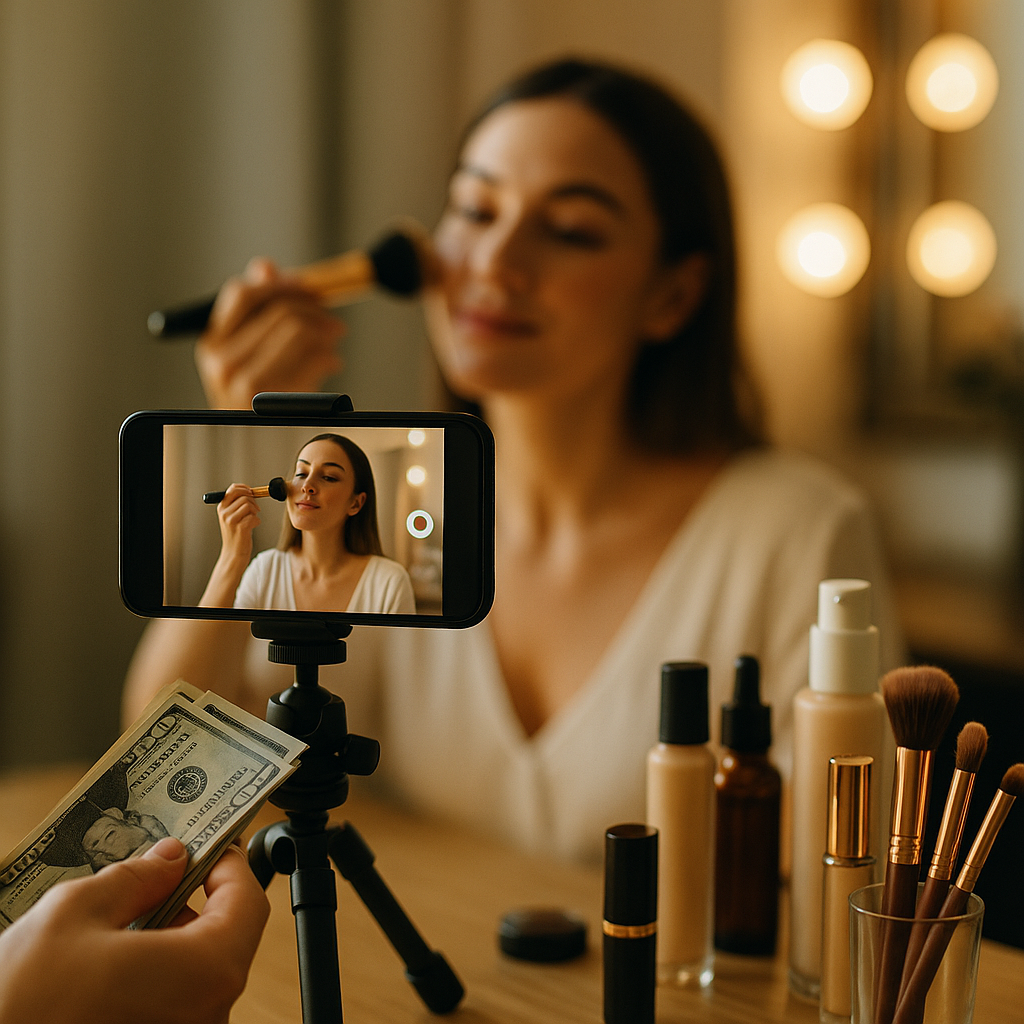
Nano and micro-creator rates in beauty and fitness have jumped as much as 40% over the past two years, even as engagement rates in those same verticals have flattened or declined. That’s not a healthy market, that’s a bubble showing early cracks. Micro-influencer saturation isn’t a theoretical risk anymore. In a handful of categories, brands are paying premium prices for a shrinking pool of creators whose audiences increasingly resemble each other. The question isn’t whether the well is drying up. It’s which wells, and what you do about it before your Q3 budget gets locked in.
The Numbers Behind the Squeeze
Rate cards don’t lie, and neither do agency media buyers who’ve watched CPMs creep upward while impressions stay flat. Beauty and skincare, personal finance, and fitness/wellness are the three verticals where practitioners report the tightest supply of nano-creators (typically defined as 1,000 to 10,000 followers) who haven’t already worked with three competing brands in the same category within the last quarter.
Part of this is structural. creator economy growth forecasts have been trimmed as the market matures, which means fewer new entrants are flooding in to replace the creators who’ve aged out, gone pro, or simply burned out on brand deals. Supply growth is slowing right as demand from performance marketing teams keeps climbing.
When three competing skincare brands are bidding on the same 200 nano-creators in a metro market, you’re not running an influencer program anymore. You’re running an auction with worse reporting.
According to industry benchmarking from eMarketer, influencer marketing spend continues to outpace overall digital ad growth, and a disproportionate share of that budget is still chasing the same crowded micro and nano tier that dominated brand strategy decks five years ago. Everyone read the same playbook. Now everyone’s fishing the same pond.
Which Verticals Are Actually Tapped Out?
Not all categories are equally squeezed. Beauty and personal care sit at the top of the saturation list, largely because the barrier to entry (a ring light and a skincare fridge) is low and the brand deal density is high. Fitness and wellness follow closely, driven by the post-pandemic surge in home workout content that’s never really tapered off.
Personal finance and fintech are a quieter but real problem. Compliance-heavy categories need creators who understand disclosure rules, and that shrinks the usable pool fast. The FTC’s endorsement guidelines already narrow who’s willing to take these deals seriously, and the creators who do it well get booked out months in advance.
- Beauty and skincare: highest saturation, rate inflation outpacing engagement
- Fitness and wellness: heavy overlap between brand rosters, audience fatigue setting in
- Personal finance: small compliant pool, long booking lead times
- Parenting and family: moderate saturation, regional pockets still underserved
Meanwhile, categories like B2B software, industrial services, and niche hobbyist communities remain relatively untouched. That tracks with what we’ve seen elsewhere: 74 percent of B2B buyers now vet vendors through creators, yet most brands in that space still haven’t built a creator program at all. The gap between where saturation is worst and where opportunity is best is wider than most media plans reflect.
Is This a Pricing Problem or a Discovery Problem?
Here’s the uncomfortable truth: a lot of what looks like saturation is actually a discovery failure. Brands keep sourcing from the same three platforms, the same hashtag searches, the same “top 50 micro-influencers in skincare” listicles that everyone else is reading. You’re not out of nano-creators. You’re out of the ones you know how to find.
Tools that surface creators through affinity data rather than follower count help, but adoption is uneven. Platforms tracked by HubSpot and Sprout Social increasingly offer audience overlap analysis, which lets media buyers spot when they’re about to book a creator whose followers already saw the same product from a competitor last month. Few brands actually use this feature before signing contracts.
That’s a real efficiency leak. It also explains why revenue per follower has overtaken engagement as the top creator metric for sophisticated buyers. If you’re measuring engagement rate alone, you’ll keep bidding up the same visible, “discoverable” creators and missing the long tail that’s actually still fresh.
Why the Well Looks Dry (But Isn’t Everywhere)
Saturation is a distribution problem dressed up as a scarcity problem. Follower count as a discovery filter is broken. It rewards creators who’ve already been found, which means the same names surface again and again across brand shortlists.
Geographic saturation matters too. A nano-creator in Los Angeles or New York has likely already worked with a dozen DTC brands. A comparable creator in a tier-two metro, or in a non-English-speaking market with strong purchase intent, probably hasn’t heard from a single brand rep. Gen Z shoppers favor purchase intent over follower counts anyway, so chasing the “known” names for vanity reach is arguably the wrong strategy even where supply is thin.
The nano-creator well isn’t dry. It’s just been fished with the same net in the same three spots for five straight years.
What Smart Brands Are Doing Instead
The practitioners navigating this well aren’t abandoning micro and nano tiers. They’re changing how they source, contract, and measure them.
- Widen geographic sourcing. Regional and international nano-creator pools remain underpriced relative to demand.
- Shift budget toward trust signals, not just reach. Data shows trust scores beating reach 2.3 to 1 in purchase intent, which means a smaller, more credible creator often outperforms a saturated big-name nano-influencer.
- Vet platforms as rigorously as creators. As sourcing shifts to newer discovery tools, vendor financial health has become new creator platform due diligence, since a platform collapse mid-campaign is its own kind of saturation risk.
- Build long-term relationships instead of one-off bookings. Retainer-based creator partnerships reduce the constant scramble to find “fresh” faces every quarter.
None of this eliminates saturation in the worst-hit verticals. But it shrinks the practical impact by expanding where and how you look, and by measuring value in a way that doesn’t just reward whoever has the biggest, most-bid-on audience.
Where to Look Next
If beauty, fitness, and finance are crowded, where’s the whitespace? B2B remains dramatically underdeveloped relative to buyer behavior. Regional creators outside major metros are underpriced. And niche verticals like home improvement, pet care specialty, and outdoor/adventure still have deep nano-creator benches that most brand media plans haven’t touched. The fix for micro-influencer saturation usually isn’t more budget. It’s better targeting of where that budget goes.
Frequently Asked Questions
What does micro-influencer saturation actually mean?
It refers to a shrinking effective supply of nano and micro-tier creators in specific verticals, driven by rising demand, repeat bookings by competing brands, and limited new creator entry. The result is rate inflation without corresponding gains in engagement or reach.
Which verticals are most affected right now?
Beauty and skincare, fitness and wellness, and personal finance show the clearest signs of saturation, with rising rate cards and heavy overlap in brand rosters. B2B, regional markets, and niche hobbyist categories remain comparatively underserved.
Should brands stop using nano-creators in saturated categories?
Not necessarily. It means widening sourcing beyond the usual discovery channels, prioritizing trust and purchase intent metrics over raw follower count, and considering regional or adjacent-niche creators who haven’t been tapped by three competitors already.
How can brands tell if a creator is oversaturated with brand deals?
Check posting history for frequency and diversity of sponsored content, review audience overlap data if your platform offers it, and look at engagement trends over time rather than a single snapshot metric.
Is saturation likely to ease as the creator economy grows?
Growth is slowing in absolute terms, so saturation in the most crowded verticals probably won’t resolve on its own. Brands that diversify sourcing now will be better positioned than those waiting for supply to loosen.
Next step: audit your current creator roster for category and geographic overlap this quarter, then reallocate at least 15% of nano-tier budget toward an underserved vertical or region before your next campaign cycle locks in.
Top Influencer Marketing Agencies
The leading agencies shaping influencer marketing in 2026
Agencies ranked by campaign performance, client diversity, platform expertise, proven ROI, industry recognition, and client satisfaction. Assessed through verified case studies, reviews, and industry consultations.
Moburst

-
2

The Shelf
Boutique Beauty & Lifestyle Influencer AgencyA data-driven boutique agency specializing exclusively in beauty, wellness, and lifestyle influencer campaigns on Instagram and TikTok. Best for brands already focused on the beauty/personal care space that need curated, aesthetic-driven content.Clients: Pepsi, The Honest Company, Hims, Elf Cosmetics, Pure LeafVisit The Shelf → -
3

Audiencly
Niche Gaming & Esports Influencer AgencyA specialized agency focused exclusively on gaming and esports creators on YouTube, Twitch, and TikTok. Ideal if your campaign is 100% gaming-focused — from game launches to hardware and esports events.Clients: Epic Games, NordVPN, Ubisoft, Wargaming, Tencent GamesVisit Audiencly → -
4

Viral Nation
Global Influencer Marketing & Talent AgencyA dual talent management and marketing agency with proprietary brand safety tools and a global creator network spanning nano-influencers to celebrities across all major platforms.Clients: Meta, Activision Blizzard, Energizer, Aston Martin, WalmartVisit Viral Nation → -
5

The Influencer Marketing Factory
TikTok, Instagram & YouTube CampaignsA full-service agency with strong TikTok expertise, offering end-to-end campaign management from influencer discovery through performance reporting with a focus on platform-native content.Clients: Google, Snapchat, Universal Music, Bumble, YelpVisit TIMF → -
6

NeoReach
Enterprise Analytics & Influencer CampaignsAn enterprise-focused agency combining managed campaigns with a powerful self-service data platform for influencer search, audience analytics, and attribution modeling.Clients: Amazon, Airbnb, Netflix, Honda, The New York TimesVisit NeoReach → -
7

Ubiquitous
Creator-First Marketing PlatformA tech-driven platform combining self-service tools with managed campaign options, emphasizing speed and scalability for brands managing multiple influencer relationships.Clients: Lyft, Disney, Target, American Eagle, NetflixVisit Ubiquitous → -
8

Obviously
Scalable Enterprise Influencer CampaignsA tech-enabled agency built for high-volume campaigns, coordinating hundreds of creators simultaneously with end-to-end logistics, content rights management, and product seeding.Clients: Google, Ulta Beauty, Converse, AmazonVisit Obviously →