


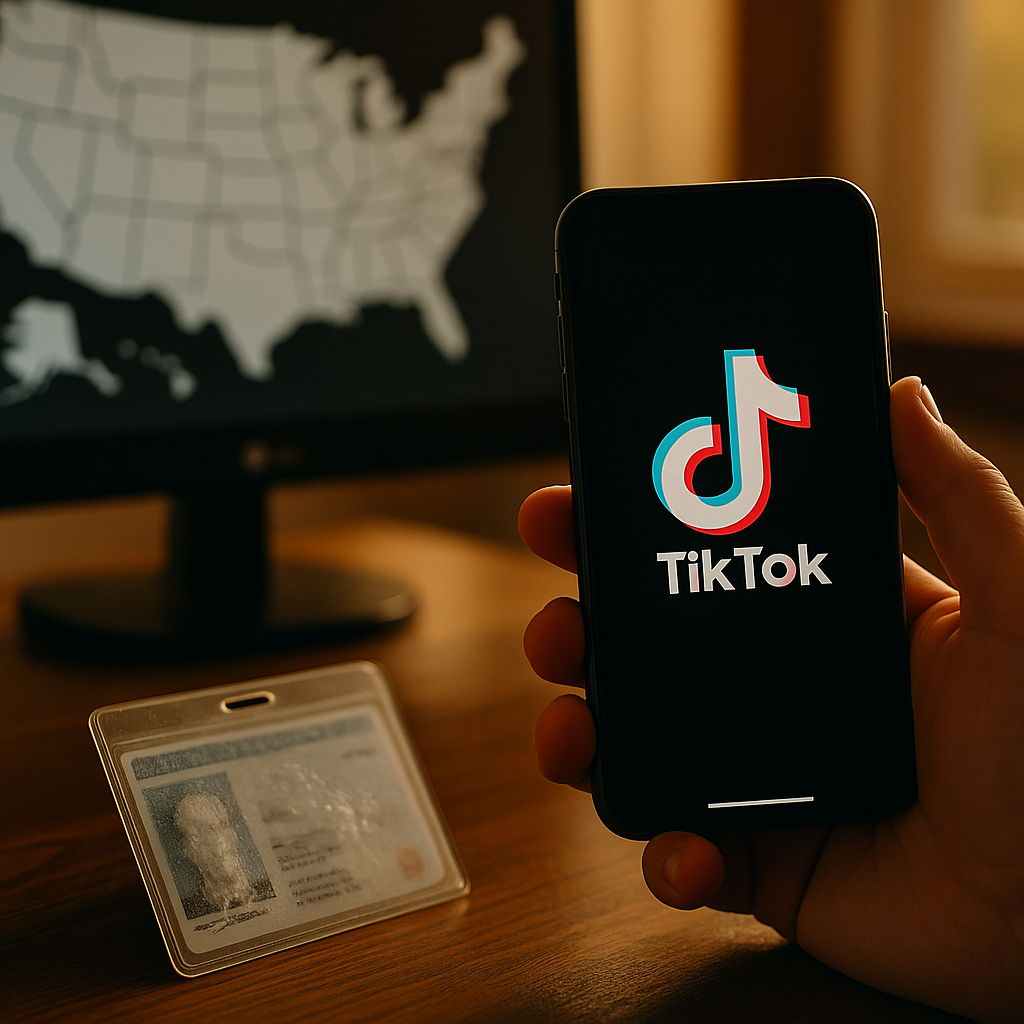
Roughly 1 in 5 verified brand accounts on TikTok carry a legal entity name that no longer matches their state registration, according to internal audits circulating among agency compliance teams this quarter. Add TikTok’s ongoing freeze on real IP verification, and you get a collision most brands haven’t planned for. TikTok real IP verification now sits at the center of a naming-convention mess that could strand thousands of business accounts right as Q1 2027 enforcement windows open.
This isn’t a hypothetical compliance footnote. It’s an operational landmine for any brand running paid creator programs, TikTok Shop storefronts, or multi-entity account structures.
Why the Freeze and the Naming Problem Are Now the Same Problem
TikTok paused real IP address verification for business accounts amid its ownership restructuring and ongoing data-localization commitments tied to the Oracle-hosted U.S. entity. That freeze was meant to be a technical pause. In practice, it stalled a huge batch of verification requests mid-cycle — including name-change requests submitted by brands that had reincorporated, rebranded, or merged entities at the state level.
Here’s the friction: state business registration systems (Delaware, California, Texas, and increasingly states with stricter DBA rules) require a legal name that exactly matches filed articles of incorporation or a registered “doing business as” name. TikTok’s verification system, when it resumes, checks account ownership against document-based ID rather than live state registry lookups. If your state filing changed since your last TikTok verification and the freeze prevented you from updating it, you now have two records that don’t agree with each other.
A mismatched legal name between your state registration and your TikTok business account isn’t a cosmetic issue — it’s a documentation gap that auditors, platforms, and regulators all read as a red flag.
Multiply that across a portfolio of sub-brands, shell entities for tax purposes, or newly spun-off DTC lines, and the reconciliation task becomes genuinely complex. Legal teams that treated verification as a “set it and forget it” checkbox are now scrambling.
What Actually Triggers the Mismatch
- Rebrands where the consumer-facing name diverges from the legal entity name (common in multi-brand portfolio companies)
- Mergers or acquisitions that changed the registered agent or state of incorporation
- DBA filings added or dropped at the state level without a corresponding platform update
- Entity conversions (LLC to C-corp, or vice versa) ahead of funding rounds
- International brands establishing a new U.S. subsidiary specifically to satisfy TikTok’s data-localization and ownership requirements
Any one of these, left unreconciled, can trigger a verification hold once TikTok lifts the freeze. And TikTok has signaled — through partner communications, not a formal public timeline — that verification processing will restart in phases ahead of Q1 2027, prioritizing accounts with active TikTok Shop storefronts and paid ad spend above a certain threshold.
The Compliance Stakes Are Higher Than a Blue Checkmark
Losing verified status isn’t just a vanity metric hit. It cascades:
- TikTok Shop eligibility can be suspended for unverified business accounts, cutting off checkout and creator affiliate links overnight.
- Ad account trust signals drop, which can trigger manual review on campaigns already in flight.
- Creator partnership contracts often reference the verified legal entity name explicitly — a mismatch can void indemnification clauses or complicate FTC-required disclosure attribution.
- State regulators reviewing consumer complaints (particularly around youth data or shop transactions) will cross-check the legal name on file, and discrepancies invite deeper scrutiny.
This lands squarely in territory Influencers Time has covered before: the TikTok Shop compliance checklist published after the $400M settlement already flagged entity documentation as an under-audited risk area. The verification freeze just made that risk acute and time-bound.
Q1 Isn’t a Deadline. It’s a Bottleneck.
Brands keep asking, “what’s the actual deadline?” Wrong question. There isn’t a single hard date — there’s a processing bottleneck. When TikTok resumes full verification, every backlogged request, name-change submission, and new entity registration will hit the queue simultaneously. First-in, first-verified is the informal rule agency partners are hearing from TikTok’s business support channels.
That means brands who reconcile their naming discrepancies now, before the floodgates open, get processed faster. Brands who wait will sit in a queue behind thousands of others doing the same last-minute cleanup. If your Q1 campaign calendar depends on Shop functionality or verified-badge trust signals for a product launch, a two-to-six-week processing delay is not a rounding error — it’s a missed launch window.
Treat the freeze’s end not as a compliance deadline but as a capacity constraint — the brands that submit clean, reconciled documentation first will clear the backlog fastest.
A Practical Reconciliation Sequence
- Pull current state registration records for every entity operating a TikTok business or Shop account. Confirm exact legal name, registered agent, and DBA filings.
- Cross-reference against TikTok’s last verified record. Most brands can request an export of verification metadata through their business account dashboard or agency partner manager.
- Flag every mismatch, however minor — punctuation, “Inc.” vs “LLC,” abbreviated vs full name.
- File corrective paperwork at the state level first if the state registration is the outdated record, not the platform record.
- Prepare a documentation packet (articles of incorporation, EIN letter, DBA certificate) ready to submit the moment verification resumes.
- Loop in legal counsel on any entity that changed structure in the past eighteen months — conversions and M&A activity are the highest-risk category.
This is essentially a lightweight version of the audit discipline brands already apply to data processing agreements. If your team has been through the exercise described in identity resolution DPA governance work, the documentation muscle transfers directly here — it’s the same instinct of matching legal paper trails to platform-facing claims.
Multi-Entity Brands Face a Sharper Version of This Problem
Portfolio companies running several DTC brands under one parent entity face a specific trap: TikTok’s system sometimes verifies at the parent level, while state filings register each sub-brand as a separate DBA. If your TikTok ad accounts were originally set up brand-by-brand but your legal structure consolidated for tax efficiency, you may have five TikTok accounts referencing four different legal names, none of which matches your current master registration.
The fix isn’t glamorous. It’s a spreadsheet: every account, every entity name, every state filing date, cross-checked line by line. Agencies managing multi-brand TikTok Shop programs should be building this matrix now, the same way they’d build a data localization compliance matrix for cross-border data flows.
Don’t underestimate how often this gets missed because “the brand still works fine on the app.” Verification issues are often invisible until they aren’t — until a Shop payout gets held, or a creator’s affiliate link breaks, or an ad account gets flagged for manual review during a peak sales window.
What Legal and Marketing Teams Should Be Doing Together, Starting Now
This is not solely a legal problem or solely a marketing operations problem. It sits at the intersection, and treating it as one team’s job is exactly how these mismatches happen in the first place.
- Marketing ops should own the TikTok-side documentation and platform relationship.
- Legal should own the state registration accuracy and entity structure clarity.
- Finance should flag any recent entity restructuring tied to tax or M&A activity that marketing might not know about.
- Agency partners managing paid media should be looped in early, since ad account holds during verification review can silently pause active campaigns.
For brands that have already been through FTC-adjacent scrutiny — say, around personalized pricing disclosures or creator code compliance — this reconciliation exercise should feel familiar. It’s the same discipline covered in creator code compliance work: match what’s disclosed publicly to what’s filed legally, and close the gap before a regulator or platform does it for you.
Industry data reinforces the urgency. eMarketer’s platform commerce research continues to show TikTok Shop as one of the fastest-growing social commerce channels in the U.S., which means the operational cost of a verification suspension scales with exactly the revenue brands are trying to protect. Meanwhile, Statista’s social commerce data shows brand reliance on TikTok Shop checkout infrastructure growing quarter over quarter — infrastructure that depends entirely on verified account status staying intact.
For general guidance on business identity verification and registration requirements, TikTok’s own TikTok for Business resources remain the first stop, though brands should treat platform guidance as a starting point, not a substitute for state-level legal review.
The Takeaway
Audit your legal entity names against your TikTok business account records this quarter, not next. Build the reconciliation packet before the verification queue reopens, and assign clear ownership across legal, marketing, and finance so nothing falls through the cracks when TikTok resumes processing at scale.
Frequently Asked Questions
What is TikTok’s real IP verification freeze?
It’s a pause TikTok placed on processing business account identity verification requests, tied to its broader data-localization and ownership restructuring. During the freeze, name changes, entity updates, and new verification submissions have been stalled or queued rather than processed in real time.
Why does state business registration matter for TikTok verification?
TikTok’s verification process checks a business account against legal documentation, including the registered entity name. If your state filing (articles of incorporation, DBA certificate, or entity conversion paperwork) doesn’t match what TikTok has on file, the account can be flagged, delayed, or suspended once verification processing resumes.
What happens if my TikTok business account name doesn’t match my state registration?
You risk a verification hold, potential TikTok Shop checkout suspension, ad account manual review, and complications with creator contracts that reference your legal entity name. It can also raise flags during any regulatory review of consumer complaints tied to your account.
Is there a hard deadline before Q1?
Not a single formal deadline. It’s better understood as a processing bottleneck: when TikTok lifts the freeze, backlogged requests will be processed in order, and brands with clean, reconciled documentation submitted early will clear faster than those scrambling later.
Should legal or marketing own this reconciliation process?
Both. Legal should confirm entity accuracy at the state level, marketing ops should manage the TikTok-side documentation and platform relationship, and finance should flag any recent restructuring. Agencies running paid campaigns should be looped in early to avoid mid-campaign account holds.
What documentation should brands prepare in advance?
Current articles of incorporation, EIN confirmation letter, DBA certificates for any trade names, and a record of any entity conversions or mergers in the past eighteen months. Having this packet ready before verification resumes shortens processing time significantly.
Frequently Asked Questions
What is TikTok’s real IP verification freeze?
It’s a pause TikTok placed on processing business account identity verification requests, tied to its broader data-localization and ownership restructuring. During the freeze, name changes, entity updates, and new verification submissions have been stalled or queued rather than processed in real time.
Why does state business registration matter for TikTok verification?
TikTok’s verification process checks a business account against legal documentation, including the registered entity name. If your state filing doesn’t match what TikTok has on file, the account can be flagged, delayed, or suspended once verification processing resumes.
What happens if my TikTok business account name doesn’t match my state registration?
You risk a verification hold, potential TikTok Shop checkout suspension, ad account manual review, and complications with creator contracts that reference your legal entity name.
Is there a hard deadline before Q1?
Not a single formal deadline. It’s a processing bottleneck: brands with clean, reconciled documentation submitted early will clear the queue faster than those scrambling later.
Should legal or marketing own this reconciliation process?
Both. Legal should confirm entity accuracy at the state level, marketing ops should manage TikTok-side documentation, and finance should flag any recent restructuring.
What documentation should brands prepare in advance?
Current articles of incorporation, EIN confirmation letter, DBA certificates, and records of any entity conversions or mergers in the past eighteen months.
Top Influencer Marketing Agencies
The leading agencies shaping influencer marketing in 2026
Agencies ranked by campaign performance, client diversity, platform expertise, proven ROI, industry recognition, and client satisfaction. Assessed through verified case studies, reviews, and industry consultations.
Moburst

-
2

The Shelf
Boutique Beauty & Lifestyle Influencer AgencyA data-driven boutique agency specializing exclusively in beauty, wellness, and lifestyle influencer campaigns on Instagram and TikTok. Best for brands already focused on the beauty/personal care space that need curated, aesthetic-driven content.Clients: Pepsi, The Honest Company, Hims, Elf Cosmetics, Pure LeafVisit The Shelf → -
3

Audiencly
Niche Gaming & Esports Influencer AgencyA specialized agency focused exclusively on gaming and esports creators on YouTube, Twitch, and TikTok. Ideal if your campaign is 100% gaming-focused — from game launches to hardware and esports events.Clients: Epic Games, NordVPN, Ubisoft, Wargaming, Tencent GamesVisit Audiencly → -
4

Viral Nation
Global Influencer Marketing & Talent AgencyA dual talent management and marketing agency with proprietary brand safety tools and a global creator network spanning nano-influencers to celebrities across all major platforms.Clients: Meta, Activision Blizzard, Energizer, Aston Martin, WalmartVisit Viral Nation → -
5

The Influencer Marketing Factory
TikTok, Instagram & YouTube CampaignsA full-service agency with strong TikTok expertise, offering end-to-end campaign management from influencer discovery through performance reporting with a focus on platform-native content.Clients: Google, Snapchat, Universal Music, Bumble, YelpVisit TIMF → -
6

NeoReach
Enterprise Analytics & Influencer CampaignsAn enterprise-focused agency combining managed campaigns with a powerful self-service data platform for influencer search, audience analytics, and attribution modeling.Clients: Amazon, Airbnb, Netflix, Honda, The New York TimesVisit NeoReach → -
7

Ubiquitous
Creator-First Marketing PlatformA tech-driven platform combining self-service tools with managed campaign options, emphasizing speed and scalability for brands managing multiple influencer relationships.Clients: Lyft, Disney, Target, American Eagle, NetflixVisit Ubiquitous → -
8

Obviously
Scalable Enterprise Influencer CampaignsA tech-enabled agency built for high-volume campaigns, coordinating hundreds of creators simultaneously with end-to-end logistics, content rights management, and product seeding.Clients: Google, Ulta Beauty, Converse, AmazonVisit Obviously →