


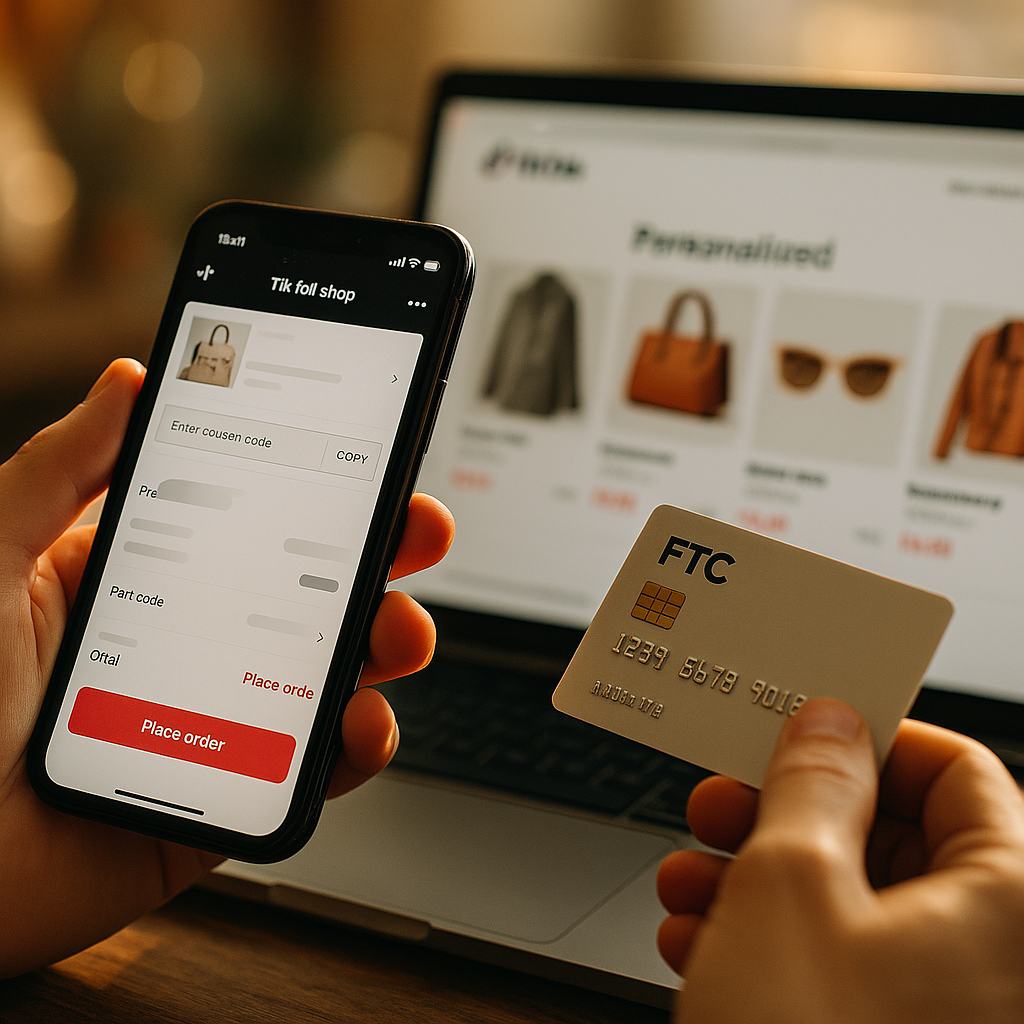
Ninety-four percent of TikTok Shop’s top-performing campaigns now run through creator-generated discount codes, and almost none of them account for the FTC’s personalized pricing policy statement. That gap isn’t an oversight — it’s a liability sitting in plain sight. If your brand is issuing dynamic codes through creators that vary by follower behavior, purchase history, or algorithmic segmentation, you’re already inside the scope of federal scrutiny.
Why This Collision Was Inevitable
Dynamic discounting and personalized pricing were built for two different worlds. Retail pricing teams built dynamic discounts to move inventory and reward loyalty. The FTC built its personalized pricing framework to stop companies from using behavioral and surveillance data to charge different people different prices without disclosure. TikTok Shop smashed these two worlds together the moment it let creators generate unique, trackable discount codes tied to individual audience segments.
Here’s the uncomfortable part: most brands didn’t design this collision on purpose. It emerged from a stack of well-intentioned tools — affiliate tracking, TikTok’s own pricing algorithms, creator-specific promo codes — that quietly became a personalized pricing engine. Nobody flagged it because nobody was looking for it.
A discount code isn’t just a marketing asset anymore. On TikTok Shop, it’s a pricing decision, and pricing decisions are exactly what the FTC’s policy statement is watching.
The FTC’s policy statement on surveillance pricing makes clear that using consumer data to set differentiated prices, even through third-party intermediaries like creators, triggers disclosure obligations. TikTok Shop’s creator-code infrastructure is a textbook third-party intermediary. Brands that treat these codes as “just marketing” rather than “pricing mechanisms” are misclassifying the risk internally, which is usually the first step toward an FTC inquiry nobody saw coming.
What Counts as “Personalized” in a Creator Code Context?
Not every discount code is a personalized pricing problem. A flat 15% off code that any follower can use isn’t discriminatory pricing — it’s just a promotion. The trouble starts when the code’s value, eligibility, or redemption terms shift based on data about the specific consumer redeeming it.
- Behavioral targeting: Codes that surface different discount tiers depending on a viewer’s watch history, cart abandonment, or prior purchase frequency.
- Algorithmic segmentation: TikTok’s recommendation engine serving different creators — and therefore different codes — to users based on inferred spending capacity or purchase intent.
- Tiered loyalty triggers: Codes that unlock better rates for users flagged as high-value based on TikTok Shop purchase data shared back with the brand.
- Geographic or device-based variance: Discounts that change based on inferred income signals tied to location or device type, a pattern regulators have specifically called out.
If any of these apply to your program, you’re not running a promotion anymore. You’re running a pricing model, and it needs the same disclosure rigor as any other personalized pricing structure. Our FTC personalized pricing policy breakdown covers the baseline disclosure standard every brand should already be applying.
The Creator Layer Makes This Harder, Not Easier
Brands love to assume that because a creator is technically an independent contractor, the FTC’s pricing disclosure burden shifts to them. It doesn’t. The FTC has been unambiguous for years that brands remain responsible for material connection disclosures made by creators on their behalf, and personalized pricing sits squarely in that same enforcement logic.
Creators, meanwhile, have zero visibility into the backend logic determining why their code shows a 20% discount to one viewer and 10% to another. They just post the code. That information asymmetry is exactly the kind of blind spot regulators exploit in enforcement actions — the brand knew, or should have known, and failed to disclose.
This is where most compliance programs fall apart. Legal teams draft disclosure language for standard affiliate relationships. Marketing teams deploy dynamic pricing logic through TikTok Shop’s backend. The two groups rarely talk, and the creator sits in the middle, unknowingly distributing a pricing mechanism neither team fully documented.
Building the Reconciliation Framework
Reconciling these two regulatory pressures doesn’t require abandoning dynamic discounting. It requires building a framework that treats creator codes as regulated pricing artifacts from the moment they’re generated, not after a complaint lands.
1. Classify Every Code Before It Ships
Build a simple triage system: static promotional codes versus dynamic/personalized codes. Anything touching TikTok Shop’s audience segmentation, purchase history data, or algorithmic delivery gets flagged as personalized and routed through a stricter review path. This single step eliminates most of the accidental exposure brands carry today.
2. Map the Data Inputs
You can’t disclose what you haven’t documented. Pull together every data source feeding your dynamic discount logic — TikTok Shop analytics, first-party CRM data, creator platform insights, third-party audience data providers. Our data disclosure audit for pricing models is a useful starting template for this mapping exercise, and it pairs well with the algorithm-specific review in our TikTok Shop algorithm audit.
3. Standardize Creator-Facing Disclosure Language
Creators need a plain-language disclosure they can drop into captions or pinned comments when a code is personalized. Something like: “Discount amount may vary by viewer based on your TikTok activity.” It’s not glamorous copy, but it satisfies the core FTC expectation that consumers understand pricing may differ. Use our personalized pricing disclosure template as the base document, then localize it per creator tier.
4. Contractually Lock the Disclosure Requirement
Creator agreements need an explicit clause requiring disclosure language whenever a brand-issued code is dynamic. This isn’t optional boilerplate — it’s the mechanism that shifts documented responsibility onto a shared compliance record rather than leaving it as an informal understanding.
5. Build an Escalation Path Before You Need One
When a discrepancy surfaces (a customer notices a friend got a better rate, screenshots it, and posts about it), you need a pre-built response path, not an improvised one. Model this after the structure in our compliance escalation matrix, which was designed for exactly this kind of consumer-triggered complaint before it becomes a formal referral.
The brands getting burned aren’t the ones running personalized pricing. They’re the ones who didn’t know they were running it until a customer complaint forced the question.
Where State Law Adds Another Layer
The FTC’s policy statement is the floor, not the ceiling. California, Colorado, and a handful of other states have layered their own algorithmic pricing transparency requirements on top of federal guidance, and TikTok Shop doesn’t segment its infrastructure by jurisdiction. A dynamic code deployed nationally could satisfy FTC expectations while violating a state-specific disclosure threshold.
Our FTC vs. state law comparison is worth running against your current program, especially if your creator roster skews toward audiences concentrated in stricter states. Ignoring this layer is how a technically FTC-compliant program still ends up facing a state attorney general inquiry.
Operationalizing Without Killing Performance
Compliance teams often assume disclosure requirements will tank conversion. In practice, transparent pricing language rarely moves the needle on purchase intent — consumers have gotten used to seeing “prices may vary” disclaimers across travel, ride-share, and now social commerce. According to eMarketer, social commerce transparency measures have shown minimal impact on conversion when disclosure language is concise and placed near the offer itself, not buried in a linked terms page.
The bigger performance risk isn’t the disclosure. It’s the platform enforcement action or FTC inquiry that shuts a program down entirely. Build the guardrails now, and TikTok Shop’s dynamic code infrastructure remains a growth lever instead of a liability.
Brands running high-volume creator programs should also revisit how TikTok’s broader compliance posture affects this specific pricing question. The platform’s recent regulatory history, including its $400M privacy settlement and subsequent underage data enforcement actions, signals a platform under sustained regulatory pressure. Personalized pricing sits adjacent to those same data practices, and enforcement agencies rarely investigate one issue in isolation.
A Quick Gut-Check for Your Program
- Do your dynamic codes vary based on any data point beyond a simple time-limited or first-purchase trigger?
- Have your top 20 creators received disclosure language specific to personalized pricing, not just standard #ad tags?
- Does legal have visibility into the technical logic your growth team uses to segment discount tiers?
- Is there a documented escalation path if a consumer flags a pricing discrepancy publicly?
If you answered “no” or “not sure” to more than one of these, your program has exposure right now, not hypothetically.
The reconciliation framework above isn’t a one-time audit. It’s an operating model. Assign a single owner — legal, compliance, or a hybrid role — to review every new dynamic code campaign before launch, and revisit the framework quarterly as TikTok Shop’s algorithm and FTC guidance both continue to evolve.
Frequently Asked Questions
Does the FTC’s personalized pricing policy apply to discount codes issued by creators, not the brand directly?
Yes. The FTC holds brands responsible for pricing practices executed through third parties, including creators, when the brand controls or benefits from the underlying pricing logic.
What’s the difference between a promotional code and a personalized pricing mechanism?
A promotional code offers the same terms to everyone who uses it. A personalized pricing mechanism varies the discount or eligibility based on data about the individual consumer, such as browsing behavior or purchase history.
Can a brand avoid FTC scrutiny by having TikTok, not the brand, control the discount logic?
No. Regulators look at who benefits from and directs the pricing outcome, not just who technically operates the backend system. Brands using TikTok Shop’s segmentation tools still carry disclosure responsibility.
Do micro-influencers carry the same compliance risk as large creators?
Yes, in principle. Enforcement risk often scales with reach and complaint volume, but the disclosure obligation itself doesn’t change based on follower count.
How often should brands audit their dynamic discount code programs?
Quarterly, at minimum, and immediately after any change to TikTok Shop’s algorithm, discount infrastructure, or relevant FTC guidance updates.
Start by classifying every active creator discount code this week. If it’s dynamic and undocumented, pause it, disclose it, or kill it — before a customer screenshot does that work for you.
Top Influencer Marketing Agencies
The leading agencies shaping influencer marketing in 2026
Agencies ranked by campaign performance, client diversity, platform expertise, proven ROI, industry recognition, and client satisfaction. Assessed through verified case studies, reviews, and industry consultations.
Moburst

-
2

The Shelf
Boutique Beauty & Lifestyle Influencer AgencyA data-driven boutique agency specializing exclusively in beauty, wellness, and lifestyle influencer campaigns on Instagram and TikTok. Best for brands already focused on the beauty/personal care space that need curated, aesthetic-driven content.Clients: Pepsi, The Honest Company, Hims, Elf Cosmetics, Pure LeafVisit The Shelf → -
3

Audiencly
Niche Gaming & Esports Influencer AgencyA specialized agency focused exclusively on gaming and esports creators on YouTube, Twitch, and TikTok. Ideal if your campaign is 100% gaming-focused — from game launches to hardware and esports events.Clients: Epic Games, NordVPN, Ubisoft, Wargaming, Tencent GamesVisit Audiencly → -
4

Viral Nation
Global Influencer Marketing & Talent AgencyA dual talent management and marketing agency with proprietary brand safety tools and a global creator network spanning nano-influencers to celebrities across all major platforms.Clients: Meta, Activision Blizzard, Energizer, Aston Martin, WalmartVisit Viral Nation → -
5

The Influencer Marketing Factory
TikTok, Instagram & YouTube CampaignsA full-service agency with strong TikTok expertise, offering end-to-end campaign management from influencer discovery through performance reporting with a focus on platform-native content.Clients: Google, Snapchat, Universal Music, Bumble, YelpVisit TIMF → -
6

NeoReach
Enterprise Analytics & Influencer CampaignsAn enterprise-focused agency combining managed campaigns with a powerful self-service data platform for influencer search, audience analytics, and attribution modeling.Clients: Amazon, Airbnb, Netflix, Honda, The New York TimesVisit NeoReach → -
7

Ubiquitous
Creator-First Marketing PlatformA tech-driven platform combining self-service tools with managed campaign options, emphasizing speed and scalability for brands managing multiple influencer relationships.Clients: Lyft, Disney, Target, American Eagle, NetflixVisit Ubiquitous → -
8

Obviously
Scalable Enterprise Influencer CampaignsA tech-enabled agency built for high-volume campaigns, coordinating hundreds of creators simultaneously with end-to-end logistics, content rights management, and product seeding.Clients: Google, Ulta Beauty, Converse, AmazonVisit Obviously →