


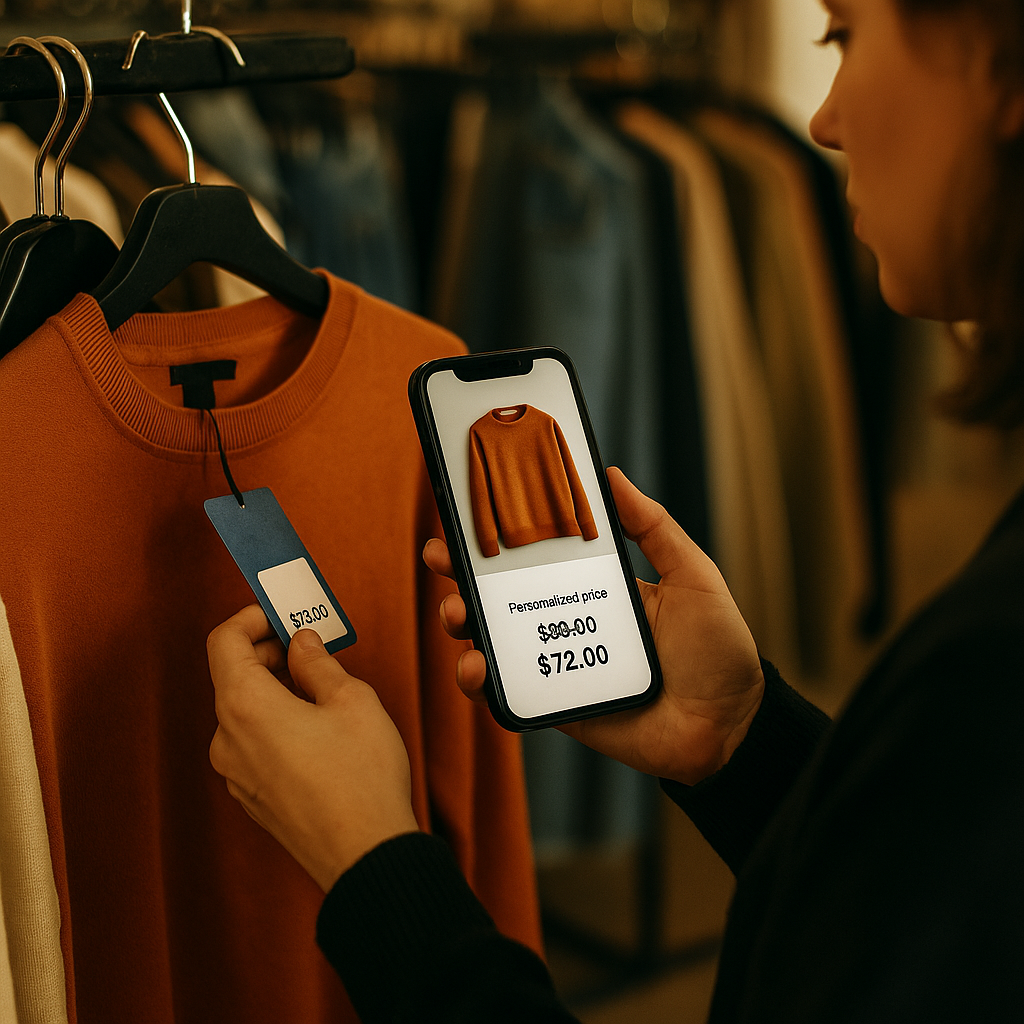
Seventy-six percent of retailers already use some form of dynamic pricing, and most consumers have no idea which price they’re seeing versus the person next to them. That gap just became a regulatory problem. The FTC personalized pricing policy statement puts brands on notice: if your AI decides what a customer pays, you’d better be able to explain how, and disclose it clearly.
This isn’t a rule with fines attached yet. But policy statements from the FTC have a way of becoming enforcement roadmaps within a year or two. If you’re running dynamic offers through creator campaigns, retail media, or app-based pricing engines, this is the moment to build your disclosure framework, not wait for the consent decree.
What the Policy Statement Actually Says
The FTC’s statement doesn’t ban personalized pricing outright. It couldn’t, even if it wanted to; charging different customers different prices has existed since the first bazaar haggle. What the Commission is targeting is opacity: pricing decisions driven by opaque algorithms that use behavioral, locational, or demographic surveillance data without the consumer knowing it’s happening.
The core concerns break down into three buckets:
- Surveillance-based inputs — using browsing history, device type, location, or purchase patterns to set a price the consumer never sees a “standard” version of.
- Discriminatory effects — even unintentional, if pricing algorithms correlate with protected classes or vulnerable populations (elderly shoppers, for instance) paying more.
- Disclosure failures — consumers not being told that the price they see is personalized rather than universal.
The agency has been building toward this for a while. Its earlier work on surveillance pricing studies pulled data from major retailers and pricing-technology vendors, and the findings weren’t flattering. Some tools were explicitly marketed as able to predict the maximum a shopper would tolerate paying, in real time, based on scraped behavioral signals.
If your pricing algorithm can explain a discount but not a markup, you have a disclosure problem, not just a PR problem.
Why This Matters for Brands Running AI-Driven Offers
Here’s the uncomfortable part for marketing teams: personalized pricing rarely lives in a single, clean system anymore. It’s stitched across retail media platforms, TikTok Shop promotions, app-based loyalty tiers, and creator-exclusive discount codes generated dynamically by an AI agent. Each of those touchpoints is a potential disclosure gap.
Think about a beauty brand running TikTok Shop livestreams where the checkout price shifts based on a viewer’s device, prior purchase history, or even how long they’ve been watching. That’s a personalized offer. If the livestream doesn’t disclose that the price is individualized, and the underlying model uses non-obvious data, you’re squarely in the FTC’s crosshairs. We’ve covered how this plays out mechanically in TikTok Shop algorithm audits, and the pattern repeats across most livestream commerce formats.
Retail and DTC brands aren’t exempt just because they skip social commerce. Any e-commerce site using session-based dynamic pricing, cart-abandonment discount triggers, or geo-based price variation needs the same scrutiny. The FTC doesn’t care whether the algorithm lives in a TikTok Shop plugin or your own Shopify backend.
The Disclosure Framework, Piece by Piece
The policy statement doesn’t hand brands a checklist, but reading it alongside recent FTC enforcement actions and state-level personalized pricing laws (California and New York have both moved on this), a practical framework emerges.
Four components matter most.
1. Plain-language notice at the point of price display
Consumers need to know, at the moment they see a price, that it may differ from what another shopper sees. Not buried in a terms-of-service link. Not a footnote. A visible, legible statement near the price itself: “This offer is personalized based on your shopping activity.”
2. Data-source transparency
What inputs feed the pricing model? Location, browsing history, loyalty tier, device type, purchase frequency? Brands should document this internally even if they don’t publish the full list, because regulators will ask. This connects directly to broader data-mapping work we outlined in auditing content data disclosures for pricing models.
3. Opt-out or standard-price access
Some emerging state rules require that consumers be able to access a non-personalized “standard” price on request. Even where not legally mandated yet, offering this builds goodwill and reduces litigation exposure. It also gives your legal team a defensible position if a state AG comes knocking.
4. Algorithmic accountability documentation
This is the piece most marketing teams skip. If your pricing engine is built or licensed from a third-party vendor, you need a data processing addendum that spells out how the model uses consumer data and who’s liable if it produces discriminatory outcomes. We’ve written about this specifically in data processing addendums for AI decision engines, and it’s not optional paperwork. It’s the document that protects you when a vendor’s model does something you didn’t authorize.
Where Brands Are Getting This Wrong Right Now
Most marketing teams treat pricing disclosure as a legal department problem, separate from creator briefs, ad creative, and campaign ops. That separation is exactly where the risk lives.
A creator posting a “special price just for my followers” link might be triggering a personalized pricing algorithm they know nothing about. If that creator doesn’t disclose the personalization, and the brand didn’t brief them on it, liability doesn’t magically transfer to the influencer. The FTC has made clear in prior actions that brands retain responsibility for downstream disclosure failures, similar to how material connection disclosure works under existing endorsement guides, which we’ve broken down in the FTC personalized pricing rule creator compliance checklist.
There’s also a technical failure mode worth flagging: auto-cropping and platform formatting tools that strip disclosure text from video creative. If your pricing disclosure lives in an on-screen graphic that gets cut by Performance Max auto-crop or a similar reformatting tool, the disclosure legally doesn’t exist anymore, no matter how carefully your team wrote it.
A disclosure that gets cropped, hidden, or buried in a link-in-bio isn’t a disclosure. Regulators evaluate what the consumer actually saw, not what your creative team intended.
State Law Is Moving Faster Than the FTC
Here’s a wrinkle that trips up a lot of national brands: state legislatures aren’t waiting on Washington. California’s privacy apparatus already touches personalized pricing through its broader data-use restrictions, and several other states have introduced bills requiring explicit disclosure of algorithmic price differentiation.
That means a single national campaign might need three different disclosure treatments depending on where the consumer is browsing from. We’ve mapped the overlap and conflict points in personalized pricing disclosure: FTC vs state law rules, and the short version is: build to the strictest state standard, then layer FTC compliance on top. It’s less expensive than maintaining fifty different disclosure templates.
For brands already navigating California’s data restrictions on ad targeting, this is one more compliance layer stacking on an already complex state patchwork.
Building the Compliance Workflow, Not Just the Policy
A policy statement sitting in a shared drive doesn’t protect anyone. What actually reduces risk is an operational workflow that catches personalized pricing before it ships.
A few things worth putting in place this quarter:
- Add a pricing-disclosure review step to your creative approval process, alongside existing FTC material-connection checks.
- Require vendors and MMPs (marketing measurement platforms) supplying dynamic pricing tech to provide documentation on data inputs and decisioning logic.
- Brief creators explicitly when a campaign involves personalized or algorithmically generated discount codes, not just standard affiliate links.
- Set up an internal escalation path so legal sees pricing-tech vendor contracts before campaigns launch, not after a complaint arrives. This mirrors the escalation logic in our compliance escalation matrix for NAD referrals.
- Audit existing retail media and app pricing tools for surveillance-style inputs, similar to the audit approach in TikTok Shop’s surveillance pricing disclosure framework.
Marketing ops teams should treat this the way they treat data privacy compliance: not a one-time project, but a recurring audit built into campaign launch checklists. According to eMarketer research on retail media growth, personalization-driven commerce is only accelerating, which means the volume of pricing decisions running through opaque models is growing faster than most legal teams can review them manually.
The ROI Argument for Getting Ahead of This
Compliance teams often lose the budget argument because disclosure frameworks feel like cost centers. Flip that framing. Clear, upfront pricing disclosure correlates with higher trust scores and lower cart abandonment in the same way that transparent shipping costs do. HubSpot’s research on consumer trust consistently shows that perceived transparency drives conversion, not just risk avoidance.
There’s also the litigation math. A class action alleging discriminatory pricing costs vastly more than the engineering hours needed to add a disclosure banner and an opt-out link. Brands that build this now, while enforcement is still developing, get to design the framework on their own timeline rather than under a consent decree’s deadline.
FAQs
Frequently Asked Questions
What is the FTC’s personalized pricing policy statement?
It’s a formal statement from the FTC outlining concerns about AI-driven, surveillance-based pricing that varies by consumer without clear disclosure. It signals enforcement priorities rather than establishing a new binding rule, but it strongly influences how existing consumer protection laws get applied to dynamic pricing.
Does personalized pricing violate the law right now?
Not automatically. Personalized pricing itself isn’t illegal. What creates legal risk is using deceptive or opaque methods, failing to disclose personalization, or producing discriminatory outcomes tied to protected characteristics.
Do influencer and creator campaigns fall under this policy?
Yes. If a creator promotes a dynamically generated discount code or a “personalized” offer link, the brand behind that campaign is responsible for ensuring proper disclosure, just as it would be for material connection disclosures under existing endorsement guidelines.
How is this different from standard FTC endorsement disclosure rules?
Endorsement guides govern disclosure of paid relationships between brands and creators. The personalized pricing framework governs disclosure of how a price was determined and whether it’s individualized. Campaigns using both influencer partnerships and dynamic offers need to satisfy both frameworks simultaneously.
What should brands do first to reduce risk?
Start by mapping every pricing touchpoint that uses algorithmic or behavioral inputs, then document data sources for each. Add a disclosure review step to creative approval workflows and require vendor documentation on pricing logic before launch.
Are state laws stricter than the FTC statement?
In several cases, yes. States including California have moved faster with specific disclosure and opt-out requirements. National brands should generally build to the strictest applicable state standard and layer FTC compliance on top.
The safest move right now isn’t waiting for a final rule. Map your dynamic pricing touchpoints, document your data inputs, and put a disclosure line in front of every personalized price before enforcement forces your hand.
FAQs
What is the FTC’s personalized pricing policy statement?
It’s a formal statement from the FTC outlining concerns about AI-driven, surveillance-based pricing that varies by consumer without clear disclosure. It signals enforcement priorities rather than establishing a new binding rule, but it strongly influences how existing consumer protection laws get applied to dynamic pricing.
Does personalized pricing violate the law right now?
Not automatically. Personalized pricing itself isn’t illegal. What creates legal risk is using deceptive or opaque methods, failing to disclose personalization, or producing discriminatory outcomes tied to protected characteristics.
Do influencer and creator campaigns fall under this policy?
Yes. If a creator promotes a dynamically generated discount code or a “personalized” offer link, the brand behind that campaign is responsible for ensuring proper disclosure, just as it would be for material connection disclosures under existing endorsement guidelines.
How is this different from standard FTC endorsement disclosure rules?
Endorsement guides govern disclosure of paid relationships between brands and creators. The personalized pricing framework governs disclosure of how a price was determined and whether it’s individualized. Campaigns using both influencer partnerships and dynamic offers need to satisfy both frameworks simultaneously.
What should brands do first to reduce risk?
Start by mapping every pricing touchpoint that uses algorithmic or behavioral inputs, then document data sources for each. Add a disclosure review step to creative approval workflows and require vendor documentation on pricing logic before launch.
Are state laws stricter than the FTC statement?
In several cases, yes. States including California have moved faster with specific disclosure and opt-out requirements. National brands should generally build to the strictest applicable state standard and layer FTC compliance on top.
Top Influencer Marketing Agencies
The leading agencies shaping influencer marketing in 2026
Agencies ranked by campaign performance, client diversity, platform expertise, proven ROI, industry recognition, and client satisfaction. Assessed through verified case studies, reviews, and industry consultations.
Moburst

-
2

The Shelf
Boutique Beauty & Lifestyle Influencer AgencyA data-driven boutique agency specializing exclusively in beauty, wellness, and lifestyle influencer campaigns on Instagram and TikTok. Best for brands already focused on the beauty/personal care space that need curated, aesthetic-driven content.Clients: Pepsi, The Honest Company, Hims, Elf Cosmetics, Pure LeafVisit The Shelf → -
3

Audiencly
Niche Gaming & Esports Influencer AgencyA specialized agency focused exclusively on gaming and esports creators on YouTube, Twitch, and TikTok. Ideal if your campaign is 100% gaming-focused — from game launches to hardware and esports events.Clients: Epic Games, NordVPN, Ubisoft, Wargaming, Tencent GamesVisit Audiencly → -
4

Viral Nation
Global Influencer Marketing & Talent AgencyA dual talent management and marketing agency with proprietary brand safety tools and a global creator network spanning nano-influencers to celebrities across all major platforms.Clients: Meta, Activision Blizzard, Energizer, Aston Martin, WalmartVisit Viral Nation → -
5

The Influencer Marketing Factory
TikTok, Instagram & YouTube CampaignsA full-service agency with strong TikTok expertise, offering end-to-end campaign management from influencer discovery through performance reporting with a focus on platform-native content.Clients: Google, Snapchat, Universal Music, Bumble, YelpVisit TIMF → -
6

NeoReach
Enterprise Analytics & Influencer CampaignsAn enterprise-focused agency combining managed campaigns with a powerful self-service data platform for influencer search, audience analytics, and attribution modeling.Clients: Amazon, Airbnb, Netflix, Honda, The New York TimesVisit NeoReach → -
7

Ubiquitous
Creator-First Marketing PlatformA tech-driven platform combining self-service tools with managed campaign options, emphasizing speed and scalability for brands managing multiple influencer relationships.Clients: Lyft, Disney, Target, American Eagle, NetflixVisit Ubiquitous → -
8

Obviously
Scalable Enterprise Influencer CampaignsA tech-enabled agency built for high-volume campaigns, coordinating hundreds of creators simultaneously with end-to-end logistics, content rights management, and product seeding.Clients: Google, Ulta Beauty, Converse, AmazonVisit Obviously →