


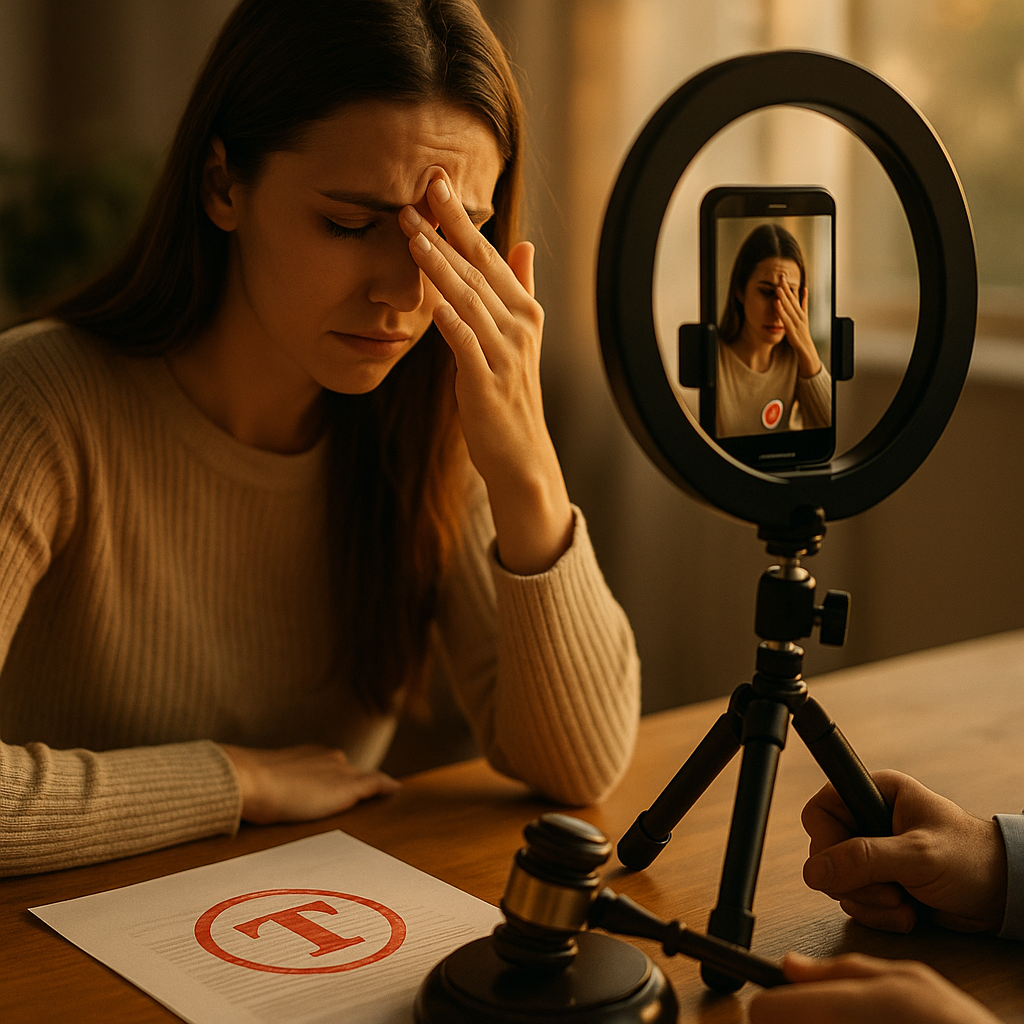
When an influencer campaign crosses legal boundaries, the consequences can be costly and far-reaching. In this post-mortem analysis, we examine a real-world influencer campaign that violated a competitor’s trademark, highlighting key lessons and preventative strategies. Discover how brands can protect themselves and avoid similar missteps in the ever-evolving landscape of influencer marketing.
Understanding Trademark Infringement in Marketing Campaigns
Trademark infringement occurs when a business uses a protected mark—such as a logo, brand name, slogan, or even a specific color scheme—without permission, leading to confusion among consumers. With influencer marketing now a core strategy for brand growth in 2025, it’s more important than ever to ensure all campaign content respects competitors’ intellectual property rights.
According to the 2025 World Intellectual Property Organization (WIPO) report, trademark disputes in digital and social marketing have surged by over 30% in the past two years. This trend can be traced directly to the fast-paced nature of influencer partnerships and the pressure to create viral content quickly, sometimes at the expense of thorough legal review.
Case Overview: Breakdown of the Influencer Campaign
The campaign in question involved a popular beverage brand that partnered with high-profile lifestyle influencers. The influencers promoted a new product by using a catchy slogan and logo design similar to an established competitor’s trademarked branding. The content appeared across Instagram, TikTok, and YouTube over a one-month period, amassing millions of views before legal action was initiated.
- Trademark Violation: The competitor’s trademark was replicated closely enough to cause confusion among consumers.
- Influencer Participation: Each influencer received a detailed brief but was not informed of potential legal risks related to trademark usage.
- Immediate Response: Once the campaign went live, social media users pointed out the similarities, escalating the issue to both brands’ legal teams within days.
Legal Repercussions and Financial Impact
Trademark violations carry significant risks, from injunctions to expensive settlements and mandatory product recalls. In this case, the affected competitor filed a cease-and-desist, quickly followed by a trademark infringement lawsuit. The offending brand was forced to:
- Halt all campaign activity and remove infringing content within 48 hours.
- Pay a seven-figure settlement, as confirmed by the parties’ joint public statement.
- Rethink their influencer partnerships and implement stricter creative review processes.
According to a 2025 survey by Marketing Law Insights, 71% of marketing executives rank trademark compliance as one of their top concerns due to the rising cost of infringement cases. For influencer-centric campaigns, the financial burden may extend beyond settlements to lost sales, damage control public relations, and sunk influencer fees.
Lessons Learned: Influencer Selection and Briefing for Brand Protection
The post-mortem analysis revealed several areas where the campaign team could have mitigated risk:
- Influencer Education: Influencers were not trained to recognize potential intellectual property conflicts. Briefings should now include explicit trademark guidelines and legal dos and don’ts.
- Legal Collaboration: The campaign team did not involve legal counsel in content approval. By 2025, industry-best practices require legal review as standard for user-facing creative assets, especially those referencing market competitors.
- Content Checks: Automated trademark detection tools, powered by AI, are increasingly used to flag similarities before campaigns go live. The campaign failed to leverage such tools, which could have raised a red flag earlier.
The lesson is clear: A properly briefed and ethically guided influencer is critical to campaign success and risk mitigation.
Best Practices for Avoiding Trademark Disputes in Influencer Marketing
Brands and agencies must set, communicate, and enforce rigorous trademark compliance practices—especially when working with third parties or public personalities. The following strategies can help:
- Implement Legal Pre-Screening: Always submit campaign assets and scripts to trademark attorneys well in advance of publication.
- Develop Clear Brand Guidelines: Share explicit do’s and don’ts with influencers, including visual and textual references to competitors’ marks.
- Use Technology to Monitor Content: AI-powered review platforms can scan influencer content for accidental references to protected marks.
- Institute Ongoing Legal Training: Offer routine IP training for marketing teams, influencers, and agency partners to keep compliance knowledge fresh and actionable.
Over 85% of top-performing marketers surveyed in 2025 indicate that robust legal checks and influencer education are now non-negotiable parts of their process, reducing campaign risks and strengthening brand reputation.
The Road Ahead: Balancing Creativity and Compliance
While influencer marketing continues to foster brand innovation and awareness, the stakes for compliance have never been higher. Brands must balance the creative agility influencers offer with diligent legal oversight. Those who ignore this balance risk legal disputes, financial loss, and permanent reputation damage. Forward-thinking marketing leaders view compliance as an enabler—not a barrier—of successful, sustainable influencer partnerships.
In summary, trademark mistakes in influencer campaigns can be costly and damaging. Careful planning, comprehensive influencer training, and legal rigor are essential to avoid repeating these missteps and to ensure lasting brand trust and growth.
FAQs: Influencer Campaigns and Trademark Infringement
-
What counts as trademark infringement in an influencer campaign?
Any unauthorized use of a brand’s registered trademark—such as names, logos, taglines, or trade dress—that could confuse consumers may be considered infringement.
-
How can brands protect themselves from accidental trademark misuse by influencers?
Brands should provide influencers with clear guidelines, involve legal teams in the creative review, and use AI tools to pre-screen campaign content for IP issues before publication.
-
What are the penalties for violating a competitor’s trademark in a marketing campaign?
Penalties may include cease-and-desist orders, financial settlements, damages, product recalls, and reputational harm. Legal costs and influencer fees may also be unrecoverable.
-
Should influencers receive legal training before campaigns?
Yes. Leading brands increasingly offer IP compliance training to their influencer partners to minimize risks and foster ethical, informed collaboration.
-
What steps can marketers take if their campaign is accused of trademark infringement?
First, consult legal counsel, halt the campaign if warranted, and document all communications. Be responsive, honest, and cooperative with the affected party and take immediate corrective action.
Top Influencer Marketing Agencies
The leading agencies shaping influencer marketing in 2026
Agencies ranked by campaign performance, client diversity, platform expertise, proven ROI, industry recognition, and client satisfaction. Assessed through verified case studies, reviews, and industry consultations.
Moburst

-
2

The Shelf
Boutique Beauty & Lifestyle Influencer AgencyA data-driven boutique agency specializing exclusively in beauty, wellness, and lifestyle influencer campaigns on Instagram and TikTok. Best for brands already focused on the beauty/personal care space that need curated, aesthetic-driven content.Clients: Pepsi, The Honest Company, Hims, Elf Cosmetics, Pure LeafVisit The Shelf → -
3

Audiencly
Niche Gaming & Esports Influencer AgencyA specialized agency focused exclusively on gaming and esports creators on YouTube, Twitch, and TikTok. Ideal if your campaign is 100% gaming-focused — from game launches to hardware and esports events.Clients: Epic Games, NordVPN, Ubisoft, Wargaming, Tencent GamesVisit Audiencly → -
4

Viral Nation
Global Influencer Marketing & Talent AgencyA dual talent management and marketing agency with proprietary brand safety tools and a global creator network spanning nano-influencers to celebrities across all major platforms.Clients: Meta, Activision Blizzard, Energizer, Aston Martin, WalmartVisit Viral Nation → -
5

The Influencer Marketing Factory
TikTok, Instagram & YouTube CampaignsA full-service agency with strong TikTok expertise, offering end-to-end campaign management from influencer discovery through performance reporting with a focus on platform-native content.Clients: Google, Snapchat, Universal Music, Bumble, YelpVisit TIMF → -
6

NeoReach
Enterprise Analytics & Influencer CampaignsAn enterprise-focused agency combining managed campaigns with a powerful self-service data platform for influencer search, audience analytics, and attribution modeling.Clients: Amazon, Airbnb, Netflix, Honda, The New York TimesVisit NeoReach → -
7

Ubiquitous
Creator-First Marketing PlatformA tech-driven platform combining self-service tools with managed campaign options, emphasizing speed and scalability for brands managing multiple influencer relationships.Clients: Lyft, Disney, Target, American Eagle, NetflixVisit Ubiquitous → -
8

Obviously
Scalable Enterprise Influencer CampaignsA tech-enabled agency built for high-volume campaigns, coordinating hundreds of creators simultaneously with end-to-end logistics, content rights management, and product seeding.Clients: Google, Ulta Beauty, Converse, AmazonVisit Obviously →