


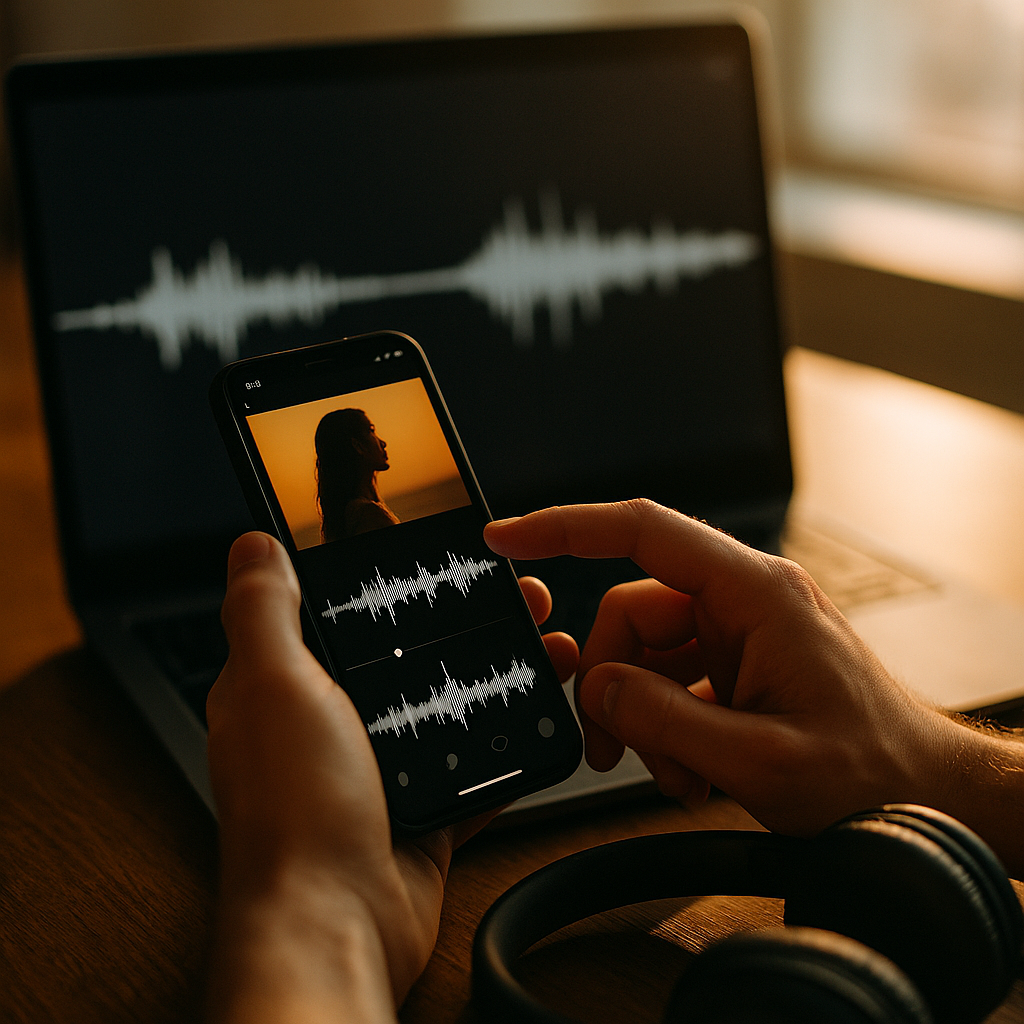
By the time a sound hits TikTok’s official “trending” tag, it’s often already dying. Trend audio hijacking is the practice of identifying rising sounds in their early growth window, usually 48 to 96 hours after an initial spike, and getting branded or creator content onto them before the algorithm deprioritizes the track. Brands that nail this timing see reach multiples that paid media can’t touch. Miss the window, and you’re just another late post nobody’s feed wants to serve.
Why Timing Beats Budget on Audio Trends
Here’s the uncomfortable truth for anyone running a paid-heavy influencer strategy: platform algorithms reward novelty in sound usage far more than they reward production value or spend. TikTok’s recommendation system, and increasingly Instagram Reels’, weights audio freshness as a discovery signal. A sound used by 200 creators gets more algorithmic curiosity than one used by 200,000. Once saturation hits, the platform assumes you’re late to a party everyone already left.
That’s the core tension brands face. Legal and compliance teams want briefs locked a week out. Creative wants polish. But the sounds that actually move the needle are often identified, scripted, filmed, and posted within a 72-hour window. Marketing teams built for quarterly planning cycles are structurally mismatched with a discovery mechanic that rewards same-day reaction.
Sounds typically peak in discoverability within 5 to 9 days of initial velocity. After that, the same audio clip becomes a signal of lateness rather than relevance.
Spotting a Sound Before It Saturates
You don’t need a crystal ball. You need a monitoring habit and a willingness to act on incomplete information. A few practical signals separate an early-stage trend from background noise:
- Velocity over volume. A sound with 400 uses that doubled in 24 hours matters more than one sitting flat at 50,000 uses.
- Creator tier diversity. When nano and micro creators across unrelated niches start using the same audio independently, that’s a stronger early signal than a single viral post.
- Audio-to-visual decoupling. Sounds that work across multiple content formats (comedy, product demo, storytime) tend to have longer discoverability runways than single-use-case audio.
- Platform-native tools. TikTok’s Creative Center shows trending sounds with growth trajectories, and agencies increasingly pair that with third-party social listening dashboards to catch cross-platform spillover before it’s obvious.
Most brands check trending audio once a week during content planning. That’s already too slow. Teams that win this game check daily, sometimes twice daily, and keep a standing list of “watch” sounds that haven’t peaked yet.
The Operational Bottleneck Nobody Talks About
Spotting a trend early is the easy part. The hard part is brand approval. Most influencer programs route creative through a chain: creator pitch, brand marketing review, legal check, sometimes a client sign-off if you’re agency-side. That chain can take five to ten business days. The sound you flagged on Monday is dead by the time anyone signs off.
The fix isn’t more approvals, it’s fewer, pre-cleared parameters. Smart brands build a “trend response framework” in advance: approved tone guidelines, pre-vetted creator pools, and a standing legal green light for a defined content category (say, lighthearted product reactions) that doesn’t require fresh sign-off every time. This is the same operational logic behind low cost UGC briefs that prioritize speed over elaborate production. You’re trading control for velocity, and on audio trends, velocity wins almost every time.
Agencies that run retainer-based influencer programs often carve out a small “rapid response” budget separate from the main campaign spend, specifically for trend-jacking content that doesn’t fit the standard planning cycle. It’s usually 10 to 15% of total influencer budget, and it’s the highest-ROI line item most clients have, precisely because it isn’t overthought.
Matching Creator Content to the Right Sound (Not Just Any Sound)
Hijacking a trend doesn’t mean slapping a product into whatever audio is rising. Mismatched content, where the sound’s original context clashes with the brand message, reads as desperate and gets called out in comments fast. The internet has a long memory for brands that “tried to be relatable” and missed badly.
The better approach treats trending audio as a creative constraint, not a content plan. Ask: does this sound’s emotional register (sarcastic, sincere, chaotic, nostalgic) actually fit something true about the product or creator? If a sound is built for a plot twist reveal, it pairs naturally with formats like expectation vs reality edits, where the audio’s rhythm does narrative work the brand doesn’t have to script from scratch. If the sound carries a comedic beat, it might work better paired with myth busting reels than a straight product demo.
Creators themselves are often the best filter here. A creator who’s been on the platform daily for years has better instinct for “does this sound fit my audience” than a brand manager scrolling trends from a desktop. Briefs that give creators latitude to swap in their own trending audio discovery, rather than mandating a specific sound chosen three days earlier by committee, tend to outperform rigid top-down trend assignments.
Risk Mitigation: What Can Go Wrong
Trend audio hijacking carries real risk, and brands that ignore it get burned publicly. A few recurring failure modes:
- Copyright and licensing gaps. Not every trending sound is cleared for commercial use, even if it’s freely available in-app. Branded content using unlicensed music has triggered takedowns and, in some cases, legal disputes. Check platform commercial-use libraries (TikTok and Meta both maintain separate music libraries for branded content) before greenlighting a paid partnership post.
- Context collapse. A sound tied to a meme with a problematic origin, or a joke that ages into controversy, can attach reputational risk to the brand retroactively. Fast-moving teams sometimes skip the “what does this sound actually originate from” check. Don’t.
- Disclosure gaps. Rapid-turnaround content is where FTC disclosure requirements get forgotten most often, because teams are optimizing for speed. The FTC’s endorsement guidelines apply regardless of how fast content gets made. Build disclosure language into your rapid-response templates so it’s never an afterthought.
- Brand voice drift. Chasing every trend erodes a distinct brand identity. Not every rising sound deserves a brand response. Selectivity is still a strategy.
According to eMarketer, short-form video continues to capture a growing share of social ad spend, which means more brands are competing for the same trending slots. That competition raises the stakes on both speed and risk management simultaneously.
Measuring Whether It Actually Worked
Trend-jacked content behaves differently from evergreen content in your analytics, and treating it the same way skews your read on performance. Reach and impressions often spike fast and decay fast, sometimes within 48 hours. That’s not a failure, it’s the nature of the format. The metrics that matter more are:
- Share rate and send rate (a strong signal the content resonated beyond passive viewing)
- Comment sentiment, specifically whether comments reference the sound itself or the brand message
- Follower growth attributable to the specific post, trackable via platform-native analytics or tools referenced in Sprout Social’s reporting suite
- Click-through on any pinned comment or bio link, similar to tracking methods used in shoppable pinned comments
Don’t judge trend-jacking content against your always-on content benchmarks. It’s a different muscle, with a different risk-reward curve, and conflating the two in a quarterly report leads to bad budget decisions.
Building This Into a Repeatable Process
One-off trend wins feel good but don’t scale a program. The brands getting consistent lift from this tactic have built it into a repeatable weekly cadence: a small team (sometimes just one social manager and one creator liaison) scanning trending audio daily, a pre-approved creator roster who can turn content same-day, and loose but clear brand guardrails that don’t require full legal review for low-risk, lighthearted content. It resembles the operational rhythm behind stitch and reply formats, where speed and reactivity are the entire value proposition, not an afterthought bolted onto a slower process.
Platforms themselves are nudging brands this direction. TikTok’s advertising resources increasingly highlight trend-responsive creative as a performance lever, not just a brand awareness play. The infrastructure for speed exists. The bottleneck is almost always internal process, not platform capability.
Next step: audit your current approval chain for trend-responsive content, time how long it actually takes from sound discovery to published post, and if that number is over 48 hours, fix the process before you spend another dollar chasing a trend you’ll always arrive at too late.
FAQs
What is trend audio hijacking in influencer marketing?
Trend audio hijacking means identifying a rising sound or song on platforms like TikTok or Instagram Reels early in its growth cycle and quickly producing creator content around it, before the audio becomes oversaturated and loses algorithmic favor.
How early do brands need to act on a trending sound?
Most trending sounds reach peak discoverability within 5 to 9 days of initial velocity. Brands typically need to identify, approve, and publish content within 48 to 96 hours of spotting early growth signals to benefit from the algorithmic lift.
What tools help identify rising audio trends early?
TikTok’s Creative Center shows trending sounds with growth data, and many teams pair that with third-party social listening tools for cross-platform signals. Daily or twice-daily manual checks remain common because automated trend alerts often lag behind real creator behavior.
Is it legal to use trending sounds in branded content?
Not always. Many trending sounds aren’t cleared for commercial use even when freely available in-app. Brands should check platform-specific commercial music libraries before using a sound in sponsored or branded content, and ensure disclosure requirements under FTC guidelines are met.
How should brands measure trend-jacked content performance?
Judge it on share rate, comment sentiment, and short-term follower growth rather than standard reach benchmarks, since trend-responsive content tends to spike and decay faster than evergreen content.
FAQs
What is trend audio hijacking in influencer marketing?
Trend audio hijacking means identifying a rising sound or song on platforms like TikTok or Instagram Reels early in its growth cycle and quickly producing creator content around it, before the audio becomes oversaturated and loses algorithmic favor.
How early do brands need to act on a trending sound?
Most trending sounds reach peak discoverability within 5 to 9 days of initial velocity. Brands typically need to identify, approve, and publish content within 48 to 96 hours of spotting early growth signals to benefit from the algorithmic lift.
What tools help identify rising audio trends early?
TikTok’s Creative Center shows trending sounds with growth data, and many teams pair that with third-party social listening tools for cross-platform signals. Daily or twice-daily manual checks remain common because automated trend alerts often lag behind real creator behavior.
Is it legal to use trending sounds in branded content?
Not always. Many trending sounds aren’t cleared for commercial use even when freely available in-app. Brands should check platform-specific commercial music libraries before using a sound in sponsored or branded content, and ensure disclosure requirements under FTC guidelines are met.
How should brands measure trend-jacked content performance?
Judge it on share rate, comment sentiment, and short-term follower growth rather than standard reach benchmarks, since trend-responsive content tends to spike and decay faster than evergreen content.
Top Influencer Marketing Agencies
The leading agencies shaping influencer marketing in 2026
Agencies ranked by campaign performance, client diversity, platform expertise, proven ROI, industry recognition, and client satisfaction. Assessed through verified case studies, reviews, and industry consultations.
Moburst

-
2

The Shelf
Boutique Beauty & Lifestyle Influencer AgencyA data-driven boutique agency specializing exclusively in beauty, wellness, and lifestyle influencer campaigns on Instagram and TikTok. Best for brands already focused on the beauty/personal care space that need curated, aesthetic-driven content.Clients: Pepsi, The Honest Company, Hims, Elf Cosmetics, Pure LeafVisit The Shelf → -
3

Audiencly
Niche Gaming & Esports Influencer AgencyA specialized agency focused exclusively on gaming and esports creators on YouTube, Twitch, and TikTok. Ideal if your campaign is 100% gaming-focused — from game launches to hardware and esports events.Clients: Epic Games, NordVPN, Ubisoft, Wargaming, Tencent GamesVisit Audiencly → -
4

Viral Nation
Global Influencer Marketing & Talent AgencyA dual talent management and marketing agency with proprietary brand safety tools and a global creator network spanning nano-influencers to celebrities across all major platforms.Clients: Meta, Activision Blizzard, Energizer, Aston Martin, WalmartVisit Viral Nation → -
5

The Influencer Marketing Factory
TikTok, Instagram & YouTube CampaignsA full-service agency with strong TikTok expertise, offering end-to-end campaign management from influencer discovery through performance reporting with a focus on platform-native content.Clients: Google, Snapchat, Universal Music, Bumble, YelpVisit TIMF → -
6

NeoReach
Enterprise Analytics & Influencer CampaignsAn enterprise-focused agency combining managed campaigns with a powerful self-service data platform for influencer search, audience analytics, and attribution modeling.Clients: Amazon, Airbnb, Netflix, Honda, The New York TimesVisit NeoReach → -
7

Ubiquitous
Creator-First Marketing PlatformA tech-driven platform combining self-service tools with managed campaign options, emphasizing speed and scalability for brands managing multiple influencer relationships.Clients: Lyft, Disney, Target, American Eagle, NetflixVisit Ubiquitous → -
8

Obviously
Scalable Enterprise Influencer CampaignsA tech-enabled agency built for high-volume campaigns, coordinating hundreds of creators simultaneously with end-to-end logistics, content rights management, and product seeding.Clients: Google, Ulta Beauty, Converse, AmazonVisit Obviously →