


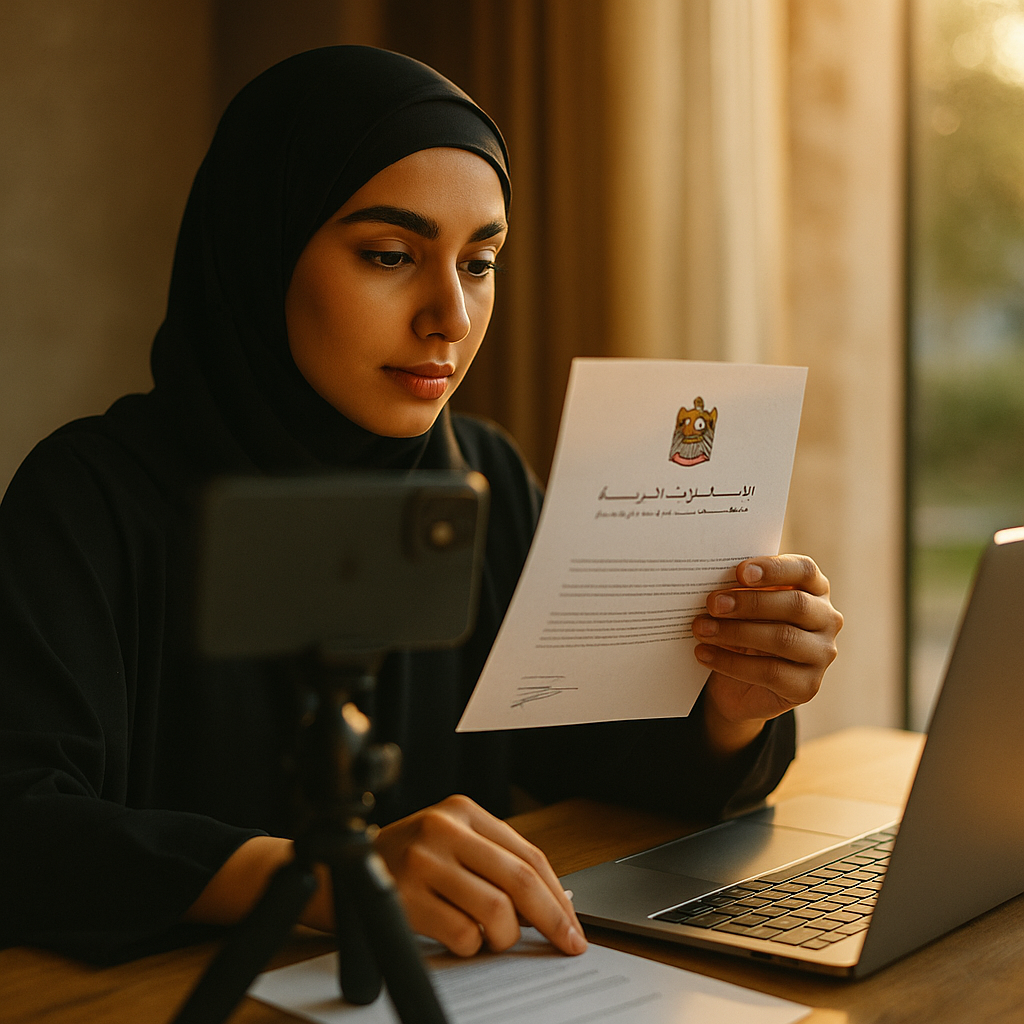
Understanding influencer disclosure rules in the United Arab Emirates (UAE) is essential for marketers, content creators, and agencies operating in this dynamic region. Knowing how to remain compliant with local advertising and social media guidelines protects brands and influencers alike from hefty penalties. Let’s explore the UAE’s unique influencer disclosure landscape and how to ensure your campaigns remain above board.
Overview of UAE Influencer Advertising Regulations
The UAE has rapidly positioned itself as a regional hub for digital marketing, and its influencer disclosure rules are reflective of this maturation. The National Media Council (NMC), now a part of the UAE Media Regulatory Office, oversees advertising standards and influencer activity—requiring clear disclosures for all paid and sponsored content. Influencers must hold valid e-media licenses and adhere to strict guidelines ensuring transparency with their audiences.
Failure to follow these standards can result in significant fines or even deportation. UAE authorities frequently update policies to keep up with evolving platforms. Regular compliance checks, content monitoring, and periodic guidance are now standard in 2025, reinforcing the UAE’s commitment to ethical and transparent marketing practices.
Obtaining the UAE Influencer License
The cornerstone of legal influencer activity is obtaining an official influencer license in the UAE. This secondary keyword, UAE influencer license, is central to compliant content creation. Any influencer—be it a resident or non-resident, individual, or agency—promoting products or services for monetary or in-kind compensation must secure this license from the UAE’s Media Regulatory Office.
- Application Process: Applicants must provide a passport copy, Emirates ID, proof of business, and other supporting documents.
- Annual Fees: Standard rates apply, typically ranging from AED 10,000 to AED 15,000 annually, though group and agency licensing options may differ.
- Renewal: Licenses must be renewed annually, with non-compliance resulting in penalties, suspensions, or blacklisting.
Unlicensed promotional activity can attract fines of up to AED 5,000 for first-time offenders, escalating for repeat violations. Brands are equally liable when partnering with unlicensed influencers, emphasizing the need for both parties to verify compliance before collaboration.
Disclosure Requirements for Sponsored Content
Transparency is a foundational EEAT (Experience, Expertise, Authoritativeness, Trustworthiness) principle and a strict regulatory requirement in the UAE influencer marketing industry. All paid, sponsored, or gifted collaborations require clear, visible, and unambiguous disclosure to followers in both written and audio-visual formats.
- Hashtag Use: Mandatory tags such as #ad, #paidpartnership, or #sponsored—in Arabic and/or English—must appear prominently at the beginning of the post description or video.
- Visual Clarity: If the content is a video or story, verbal and on-screen disclosures should be obvious and sustained for several seconds to eliminate ambiguity.
- Gifted Content: Even non-financial collaborations (such as gifted products) require disclosure, as do affiliate marketing arrangements.
Authorities actively monitor popular platforms—Instagram, TikTok, YouTube, and emerging ones—to ensure authenticity and transparency. Automated flagging and public reporting support their efforts. Always err on the side of clarity; vague language, hidden hashtags, or segregated disclosure sections violate local rules and can trigger enforcement actions.
Content Limitations and Ethical Standards
The UAE maintains firm boundaries on what is permissible for influencer promotions. Advertisers and influencers must avoid content that infringes on cultural or religious values, spreads misinformation, or makes unverified health or financial claims. The influencer content guidelines UAE are detailed in the Media Regulatory Office’s policy documents, and compliance is strictly monitored.
- Prohibited categories include tobacco, certain health supplements, and cryptocurrency promotions without prior approval.
- False claims about a product’s efficacy or “miracle cures” can invite fines and legal proceedings.
- Respect for public decency is paramount; content breaches—nudity, defamatory remarks, or offensive humor—result in immediate takedowns and possible license revocation.
Influencers are advised to conduct due diligence on advertised products and maintain accurate records of their paid partnerships to provide to authorities if requested. The emphasis is on authenticity, accuracy, and compliance at every step of the content creation journey.
Brand and Influencer Collaboration Best Practices
For brands and influencers engaging in the UAE market, understanding and aligning on collaboration best practices is critical to campaign success. The keyword brand-influencer partnerships UAE is gaining prominence as companies recognize the value of transparent, mutually beneficial alliances.
- Due Diligence: Prior to finalizing partnerships, verify the influencer’s license status and track record. Brands can request a copy of the influencer’s license and official NMC/Media Regulatory Office confirmation.
- Contractual Clarity: Agreements should specify disclosure protocols, content approval processes, and contingency measures for non-compliance.
- Continuous Training: Both parties should stay updated on regulatory changes through seminars, official updates, and media law workshops to avoid policy misunderstandings.
- Content Auditing: Regularly review live and archived posts to ensure ongoing compliance and make immediate corrections if discrepancies are found.
Effective partnerships are built on trust and transparency. Establishing open lines of communication about compliance requirements ensures brand safety and long-term influencer viability.
Staying Updated with UAE Social Media Laws
Social media laws and influencer disclosure rules in the UAE are subject to regular updates, reflecting the country’s commitment to responsible digital communication as it cements its position as a regional trendsetter. In 2025, the Media Regulatory Office actively collaborates with social platforms, advertising agencies, and legal experts to maintain up-to-date guidance tailored to emerging platforms and promotional trends.
Influencers and brands should subscribe to official bulletins, attend regulatory webinars, and consult with legal professionals specializing in UAE media law. Participating in influencer organizations such as the UAE Influencer Council provides early insights into proposed changes and enforcement patterns.
Ignorance of the law is not accepted as an excuse for non-compliance. Proactivity and ongoing education are essential to avoid costly penalties and reputational damage in this rapidly evolving regulatory environment.
FAQs About Influencer Disclosure Rules in the UAE
-
Do all influencers in the UAE need a license?
Yes. Any individual or entity profiting from influencer activities—regardless of follower count or compensation type—must have a valid UAE influencer license from the Media Regulatory Office.
-
What qualifies as a “paid partnership”?
Any arrangement where an influencer receives compensation—money, gifts, products, travel, or experiences—in return for promotional content is classed as a paid partnership and requires clear disclosure.
-
Can I use only English for my disclosures?
While English is widely accepted, brands and influencers are advised to include Arabic disclosures to cater to the broader UAE audience and avoid ambiguities, especially on mainstream platforms.
-
What are the penalties for non-compliance?
Penalties range from fines of AED 5,000 for first-time offenses up to potential license revocation, platform bans, or even legal action and deportation in severe cases.
-
How can I stay updated with changes in influencer regulations?
Subscribe to the UAE Media Regulatory Office’s updates, attend industry webinars, and join local influencer syndicates or legal advisory groups specializing in digital marketing law.
The UAE’s influencer disclosure rules demand diligence, transparency, and ongoing education. By securing the proper licensing, following explicit disclosure protocols, and maintaining ethical content standards, influencers and brands can thrive while building genuine trust with audiences and regulatory authorities in this fast-growing market.
Top Influencer Marketing Agencies
The leading agencies shaping influencer marketing in 2026
Agencies ranked by campaign performance, client diversity, platform expertise, proven ROI, industry recognition, and client satisfaction. Assessed through verified case studies, reviews, and industry consultations.
Moburst

-
2

The Shelf
Boutique Beauty & Lifestyle Influencer AgencyA data-driven boutique agency specializing exclusively in beauty, wellness, and lifestyle influencer campaigns on Instagram and TikTok. Best for brands already focused on the beauty/personal care space that need curated, aesthetic-driven content.Clients: Pepsi, The Honest Company, Hims, Elf Cosmetics, Pure LeafVisit The Shelf → -
3

Audiencly
Niche Gaming & Esports Influencer AgencyA specialized agency focused exclusively on gaming and esports creators on YouTube, Twitch, and TikTok. Ideal if your campaign is 100% gaming-focused — from game launches to hardware and esports events.Clients: Epic Games, NordVPN, Ubisoft, Wargaming, Tencent GamesVisit Audiencly → -
4

Viral Nation
Global Influencer Marketing & Talent AgencyA dual talent management and marketing agency with proprietary brand safety tools and a global creator network spanning nano-influencers to celebrities across all major platforms.Clients: Meta, Activision Blizzard, Energizer, Aston Martin, WalmartVisit Viral Nation → -
5

The Influencer Marketing Factory
TikTok, Instagram & YouTube CampaignsA full-service agency with strong TikTok expertise, offering end-to-end campaign management from influencer discovery through performance reporting with a focus on platform-native content.Clients: Google, Snapchat, Universal Music, Bumble, YelpVisit TIMF → -
6

NeoReach
Enterprise Analytics & Influencer CampaignsAn enterprise-focused agency combining managed campaigns with a powerful self-service data platform for influencer search, audience analytics, and attribution modeling.Clients: Amazon, Airbnb, Netflix, Honda, The New York TimesVisit NeoReach → -
7

Ubiquitous
Creator-First Marketing PlatformA tech-driven platform combining self-service tools with managed campaign options, emphasizing speed and scalability for brands managing multiple influencer relationships.Clients: Lyft, Disney, Target, American Eagle, NetflixVisit Ubiquitous → -
8

Obviously
Scalable Enterprise Influencer CampaignsA tech-enabled agency built for high-volume campaigns, coordinating hundreds of creators simultaneously with end-to-end logistics, content rights management, and product seeding.Clients: Google, Ulta Beauty, Converse, AmazonVisit Obviously →