


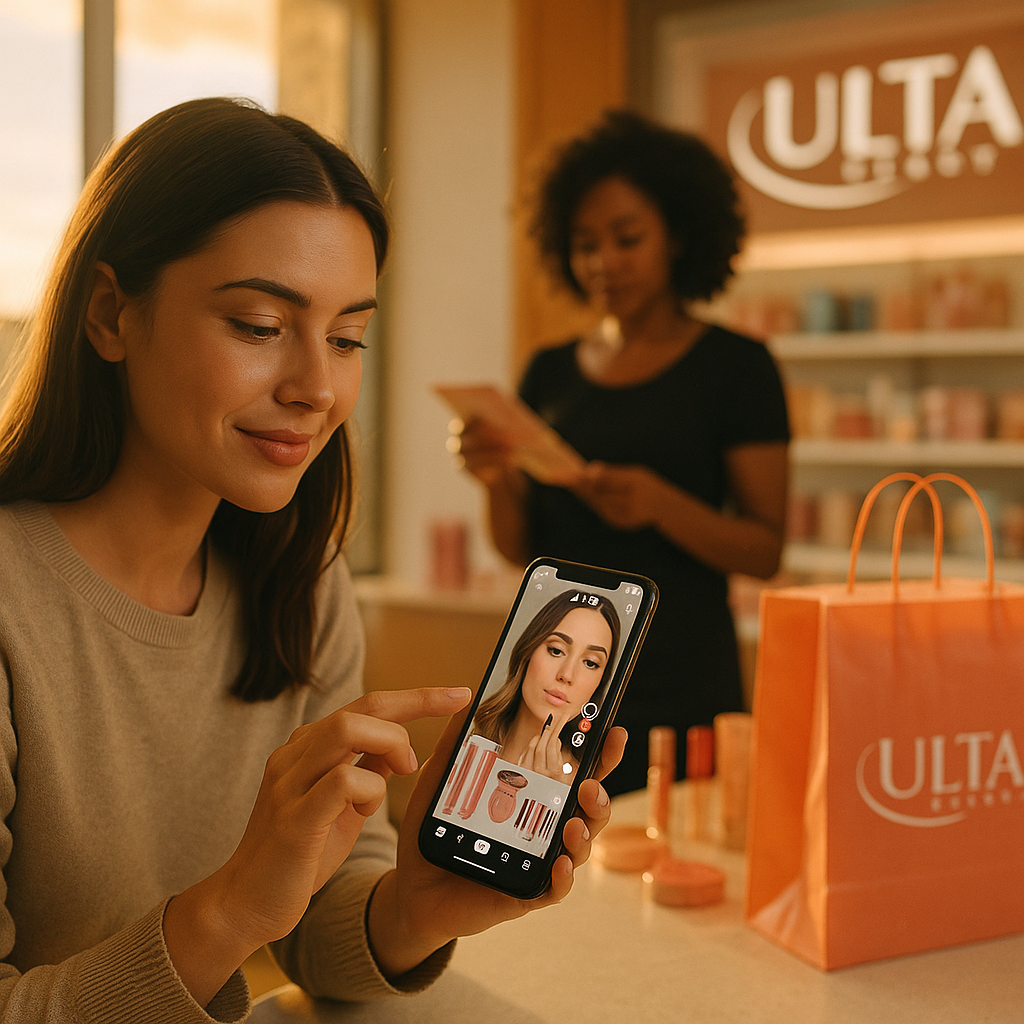
Ulta Beauty moved roughly $100M+ in GMV through TikTok Shop within its first year as a verified merchant partner. That figure isn’t a vanity metric. It’s evidence that treating a social platform as a genuine commerce infrastructure, rather than a brand awareness play, changes every downstream decision about creator selection, storefront design, and how you measure what’s actually working.
The Platform-as-Competitor Trap
Most beauty retailers hesitated when TikTok Shop launched its U.S. affiliate and merchant programs. The concern was rational: why drive purchase intent on a platform that hosts your competitors’ storefronts, runs its own promotional mechanics, and controls the discovery algorithm? For brands with significant DTC revenue, that felt like feeding a rival’s ecosystem.
Ulta reframed the question entirely. Instead of asking “will TikTok Shop cannibalize our .com traffic?” they asked “where is our customer already deciding what to buy?” The answer, backed by TikTok’s own data showing high purchase intent among beauty audiences, was unambiguous. The customer was on TikTok. The transaction needed to meet her there.
This mindset shift is the foundation of everything else. Without it, you end up with a half-committed TikTok presence that generates views but not revenue.
Storefront Architecture: More Than a Product Catalog
Ulta’s TikTok Shop storefront is structured less like a digital shelf and more like a curated editorial experience. That distinction matters for conversion. A flat product dump signals brand indifference; a merchandised storefront signals that someone thought about the customer’s journey inside the platform.
Key structural decisions that separate Ulta’s approach from a basic merchant setup:
- Category clustering by occasion, not product type. Instead of organizing by SKU taxonomy (foundation, blush, primer), collections are grouped around use cases: “going out,” “skincare starter kits,” “viral from your FYP.” This mirrors how FYP content surfaces products contextually.
- Flash deal integration tied to creator posting schedules. Promotional windows are coordinated with creator content drops, so the storefront’s featured section reflects what creators are talking about in real time. Scarcity mechanics land harder when the content and the offer arrive together.
- Affiliate-first product prioritization. Products with active creator affiliate links get prominent placement. This creates a reinforcing loop: creators drive traffic to specific SKUs, those SKUs get more visibility, which incentivizes more creators to pick them up.
Storefront architecture on TikTok Shop isn’t a one-time setup task. It requires the same ongoing merchandising attention you’d give a high-traffic physical end cap. Brands that treat it as a “launch and leave” asset consistently underperform on conversion.
The practical operational implication: Ulta maintains a dedicated TikTok Shop merchandising function, separate from its broader social team. That staffing decision alone signals organizational commitment to the channel.
Creator Incentive Design That Actually Motivates
Ulta’s affiliate program through TikTok Shop uses a tiered commission structure, but the architecture goes deeper than percentage splits. Understanding how they structured creator incentives explains why their GMV scales while many brand affiliate programs plateau.
Three mechanics worth examining:
Tiered performance bonuses above baseline commission. Creators who hit defined GMV thresholds in a 30-day window unlock higher commission rates for the following period. This creates compounding motivation: once a creator crosses a tier, they have structural incentive to maintain or grow their output. Flat-rate affiliate programs don’t generate this behavior.
First-mover bonuses on new product launches. When Ulta introduces a new SKU to TikTok Shop, the first cohort of creators to generate verified sales on that product receives a launch bonus on top of standard commissions. This solves a real problem: getting creators to take a risk on an untested product when they could just keep posting about proven bestsellers.
Access as currency. Beyond cash commissions, Ulta offers early access to new launches, invitations to brand events, and co-branded visibility to high-performing creators. For creators building a beauty niche, that access has genuine career value. It also deepens creator loyalty in ways that a 5% commission bump alone won’t.
For context on how other retailers are solving similar creator incentive problems, the Shoezone TikTok Shop approach offers a useful comparison point, particularly around how smaller-budget brands can layer non-cash incentives to compete for creator attention.
Who Actually Gets Into the Program
Creator selection is where many TikTok Shop programs make expensive mistakes. The temptation is to recruit on follower count, which optimizes for reach and not for purchase conversion. Ulta’s selection framework weights differently.
Their recruitment criteria prioritizes: comment-to-view ratio (a proxy for engaged community vs. passive audience), historical click-through on product links (available through TikTok’s affiliate reporting dashboard), and niche alignment at the sub-category level. A creator with 80,000 followers who consistently drives skincare purchases outperforms a 500,000-follower lifestyle generalist in their program data.
This mirrors what e.l.f. Beauty’s mid-tier creator model demonstrated: audience specificity and purchase intent alignment drive ROI in ways that raw reach simply doesn’t. The beauty vertical has been one of the clearest proving grounds for this thesis.
Ulta also actively recruits through TikTok’s own affiliate marketplace rather than relying solely on outbound outreach. This surfaces creators who are already generating organic beauty content, reducing onboarding friction and improving content-brand fit from the start.
Attribution: The Hardest Problem in the Stack
TikTok Shop’s closed-loop attribution is genuinely one of its structural advantages over standard social commerce. Because the transaction completes inside the platform, Ulta can connect a specific creator’s video to a specific sale without relying on UTM parameters, pixel fires, or third-party attribution modeling. That’s a significant operational simplification compared to running affiliate programs through traditional link-tracking infrastructure.
But Ulta doesn’t stop at platform-native attribution. Their measurement stack addresses two known gaps in TikTok Shop’s reporting:
Halo effect on DTC: A customer who sees a creator’s TikTok Shop video, doesn’t buy in-app, but converts on Ulta.com two days later won’t appear in TikTok Shop’s attribution. Ulta uses post-purchase surveys and incrementality testing to estimate this lift. Early internal data suggested platform-native attribution was undercounting TikTok’s total revenue contribution by a meaningful margin.
In-store attribution: Ulta’s loyalty program (Ultamate Rewards, with over 40 million active members according to company filings) creates a matching opportunity. When a loyalty member makes an in-store purchase following TikTok Shop exposure, the loyalty ID can theoretically close that loop. This is still an emerging capability, but it positions Ulta to eventually argue for TikTok’s role in full-funnel conversion, not just last-click digital sales.
For brands building similar multi-touch measurement frameworks, Target’s dual creator program structure illustrates how large retailers are bridging online-to-offline attribution gaps in practice.
Platform-native attribution tells you what TikTok Shop directly closed. It doesn’t tell you what it influenced. Building the measurement infrastructure to capture both is what separates a mature social commerce program from a channel that always looks undervalued in the budget conversation.
Risk Considerations Brands Can’t Ignore
Ulta’s TikTok Shop success doesn’t mean the strategy is risk-free. Three operational risks any brand replicating this model should build contingency plans around:
- Platform dependency. TikTok’s regulatory environment in the U.S. remains unsettled. A brand that has built significant GMV infrastructure on TikTok Shop needs a migration plan, whether that’s accelerating its own DTC social commerce capability or maintaining parallel programs on Meta’s social commerce tools.
- Creator compliance at scale. FTC disclosure requirements apply to TikTok Shop affiliate content exactly as they do to standard sponsored posts. At scale, with hundreds of affiliate creators posting independently, compliance monitoring becomes a real operational burden. FTC guidelines on endorsements have become more specific about affiliate disclosure language, and enforcement actions against brands (not just creators) are increasing.
- Price parity and brand equity. TikTok Shop’s promotional mechanics can push brands toward aggressive discounting. Ulta has managed this partly through exclusive bundles and gift-with-purchase offers rather than straight price cuts, preserving brand positioning while still participating in platform promotions.
Brands in adjacent categories navigating similar compliance and brand equity tensions can find relevant context in how La Roche-Posay structured its creator program to maintain clinical brand credibility while scaling creator volume.
The TikTok Shop opportunity for beauty and adjacent retail categories is real, and Ulta’s infrastructure choices demonstrate what it takes to operationalize it at enterprise scale. For brand and agency teams evaluating their own social commerce roadmap, the immediate action is straightforward: audit your current storefront structure, your creator incentive mechanics, and your attribution stack against each of the three layers Ulta has built. Identify which layer has the widest gap, and close that one first. Trying to fix all three simultaneously is how programs stall before they scale.
Frequently Asked Questions
How does Ulta Beauty’s TikTok Shop storefront differ from a standard merchant setup?
Ulta’s TikTok Shop storefront uses occasion-based product clustering, coordinates flash deals with creator posting schedules, and prioritizes affiliate-linked SKUs for featured placement. This creates a dynamic, merchandised experience rather than a static catalog, which improves both discovery and conversion inside the platform.
What commission structure does Ulta use for TikTok Shop creators?
Ulta uses a tiered commission model with performance bonuses for creators who hit GMV thresholds in 30-day windows, first-mover launch bonuses for new SKUs, and non-cash incentives including early product access and event invitations. This structure creates compounding motivation that flat-rate affiliate programs typically don’t generate.
How does TikTok Shop attribution work for brands like Ulta?
TikTok Shop provides closed-loop attribution because transactions complete inside the platform, linking specific creator videos to specific sales without relying on external pixel tracking. However, brands like Ulta supplement this with post-purchase surveys and loyalty data matching to capture halo effects on DTC and in-store purchases that platform-native attribution misses.
What are the biggest risks of building a TikTok Shop commerce program?
The three primary risks are platform dependency (TikTok’s regulatory situation in the U.S. remains uncertain), creator compliance at scale (FTC disclosure requirements apply to all affiliate content), and brand equity erosion through aggressive platform discounting. Brands can mitigate these through parallel channel investment, automated compliance monitoring, and exclusive bundle offers instead of straight price cuts.
What creator selection criteria matter most for TikTok Shop performance?
Comment-to-view ratio, historical product link click-through rates, and sub-category niche alignment are more predictive of TikTok Shop performance than follower count. Creators with smaller but highly engaged, purchase-intent audiences in relevant beauty sub-niches consistently outperform high-reach generalist creators on GMV metrics.
Top Influencer Marketing Agencies
The leading agencies shaping influencer marketing in 2026
Agencies ranked by campaign performance, client diversity, platform expertise, proven ROI, industry recognition, and client satisfaction. Assessed through verified case studies, reviews, and industry consultations.
Moburst

-
2

The Shelf
Boutique Beauty & Lifestyle Influencer AgencyA data-driven boutique agency specializing exclusively in beauty, wellness, and lifestyle influencer campaigns on Instagram and TikTok. Best for brands already focused on the beauty/personal care space that need curated, aesthetic-driven content.Clients: Pepsi, The Honest Company, Hims, Elf Cosmetics, Pure LeafVisit The Shelf → -
3

Audiencly
Niche Gaming & Esports Influencer AgencyA specialized agency focused exclusively on gaming and esports creators on YouTube, Twitch, and TikTok. Ideal if your campaign is 100% gaming-focused — from game launches to hardware and esports events.Clients: Epic Games, NordVPN, Ubisoft, Wargaming, Tencent GamesVisit Audiencly → -
4

Viral Nation
Global Influencer Marketing & Talent AgencyA dual talent management and marketing agency with proprietary brand safety tools and a global creator network spanning nano-influencers to celebrities across all major platforms.Clients: Meta, Activision Blizzard, Energizer, Aston Martin, WalmartVisit Viral Nation → -
5

The Influencer Marketing Factory
TikTok, Instagram & YouTube CampaignsA full-service agency with strong TikTok expertise, offering end-to-end campaign management from influencer discovery through performance reporting with a focus on platform-native content.Clients: Google, Snapchat, Universal Music, Bumble, YelpVisit TIMF → -
6

NeoReach
Enterprise Analytics & Influencer CampaignsAn enterprise-focused agency combining managed campaigns with a powerful self-service data platform for influencer search, audience analytics, and attribution modeling.Clients: Amazon, Airbnb, Netflix, Honda, The New York TimesVisit NeoReach → -
7

Ubiquitous
Creator-First Marketing PlatformA tech-driven platform combining self-service tools with managed campaign options, emphasizing speed and scalability for brands managing multiple influencer relationships.Clients: Lyft, Disney, Target, American Eagle, NetflixVisit Ubiquitous → -
8

Obviously
Scalable Enterprise Influencer CampaignsA tech-enabled agency built for high-volume campaigns, coordinating hundreds of creators simultaneously with end-to-end logistics, content rights management, and product seeding.Clients: Google, Ulta Beauty, Converse, AmazonVisit Obviously →