


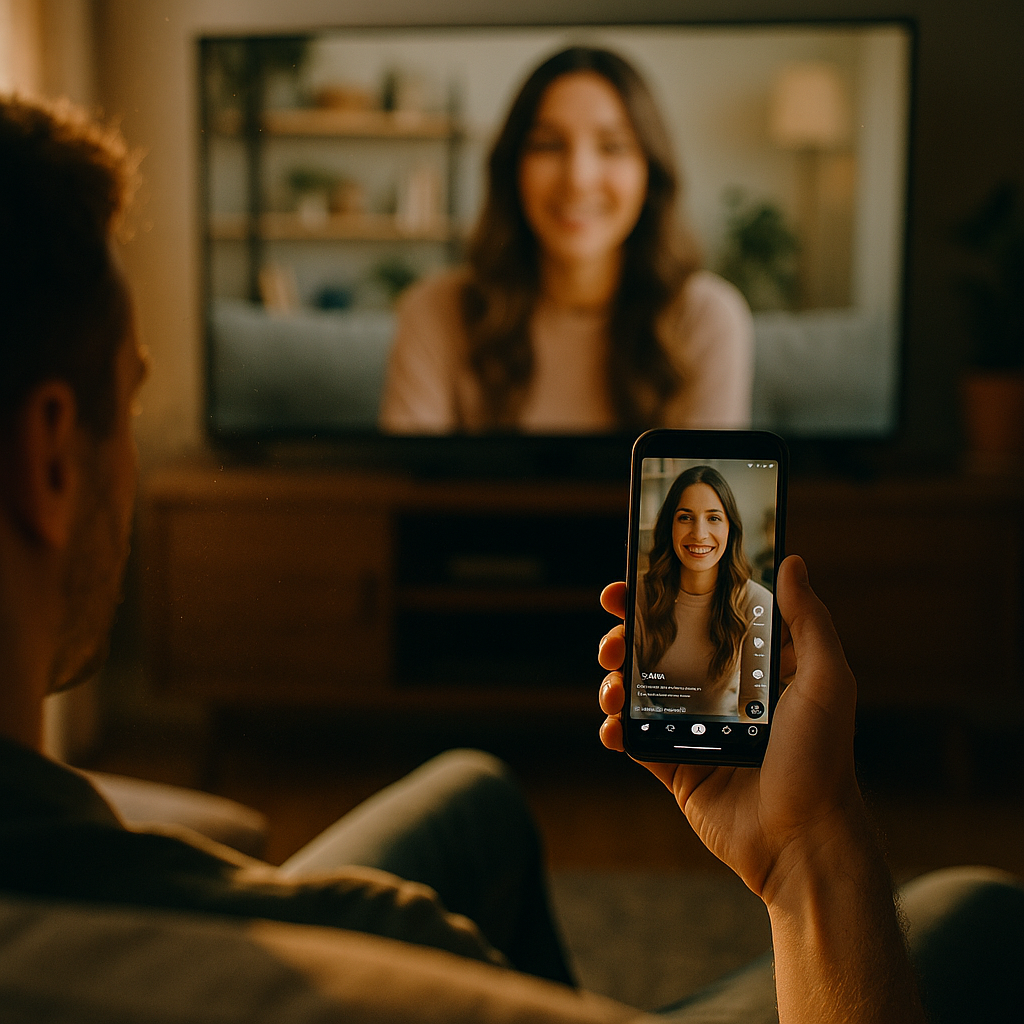
Brands running creator content and TV spots as separate line items are leaving measurable reach on the table. According to eMarketer, cross-channel campaigns that synchronize digital and broadcast touchpoints drive purchase intent lift 2-3x higher than single-channel activations. The strategic question is no longer social or TV — it’s how to architect a unified distribution plan that treats both as one amplification engine for creator assets.
Why the Channel Silo Is a Budget Problem, Not Just a Strategy Problem
Most marketing organizations still fund TV and social through separate budget owners. The media team buys broadcast. The influencer team books creators. Neither group optimizes for the other’s timing, creative format, or performance signals. The result is redundant spend and diluted message frequency at exactly the wrong moments.
The financial cost of that misalignment is concrete. When a creator asset goes live on TikTok or Instagram two weeks before or after a TV flight, brands lose the compounding effect of synchronized recall. Consumers who see a brand in two environments within a 48-72 hour window are significantly more likely to convert than those who see it in one. Synchronization isn’t a creative preference. It’s a revenue lever.
Brands that align creator content drops with broadcast air dates inside a 72-hour window can generate significantly higher aided recall than campaigns where the same creative runs on separate schedules. Timing IS the strategy.
If your influencer program and your media agency aren’t in the same weekly planning call, start there. You can read more about how ending the silo problem between creator spend and media budgets is a prerequisite for any unified distribution model.
What “Unified Distribution” Actually Means in Practice
Unified distribution doesn’t mean running the same 30-second TVC on Instagram Reels. That’s lazy repurposing and audiences punish it with skip rates. Genuine unification means designing a content architecture where creator assets and broadcast assets are conceived together from a single creative brief, then formatted and timed for their respective environments.
Here’s what that looks like operationally:
- Shared creative brief: The brand narrative, key message, and call-to-action are set once. Creators interpret that brief natively for social; broadcast executes it through production-grade storytelling.
- Air date alignment: Creator content drops within a 48-72 hour window of the broadcast premiere, either simultaneously or in a deliberate sequence (social tease, then TV reveal, or TV launch then creator amplification wave).
- Platform-native formatting: Vertical 9:16 for TikTok/Reels/Shorts. Horizontal or square for connected TV pre-rolls. Six-second cutdowns for YouTube bumpers. Each asset is built for its context, not adapted after the fact.
- Unified UTM and attribution tagging: Every social asset carries tracking that feeds into the same measurement stack as broadcast attribution, enabling cross-channel contribution modeling.
The operational infrastructure to support this requires closer alignment between your creator workflow and distribution planning than most teams currently have. Build that infrastructure before you pitch the strategy to leadership.
Designing the Sequence: Social Tease vs TV Launch
There are two dominant sequencing models, and each serves different campaign objectives.
The social-first model uses creator content to build anticipation before broadcast. Think of it as earned pre-awareness. Creators post organic content, spark conversation, drive search behavior, and by the time the TV spot airs, audiences already have a frame of reference. This model works well for product launches, cultural moments, and campaigns targeting younger demographics who are light TV viewers but heavy social users.
The broadcast-first model uses TV to establish authority and scale, then deploys creators to deepen engagement, answer questions, and drive conversion in social environments. This model suits categories where TV still commands trust (financial services, healthcare, CPG) and where social is the action layer rather than the awareness layer.
A hybrid approach, running both simultaneously with platform-specific creative, is viable for brands with budgets and operational maturity to support it. But most teams should pick a primary sequence and execute it cleanly rather than half-executing both.
For brands weighing budget allocation between these approaches, the always-on vs episodic budget split framework provides a useful starting structure for thinking about how continuous creator activity and broadcast flights can be financially separated and tracked.
Measurement Architecture: The Part Most Teams Skip
Reach is not the goal. Measurable commercial reach is. There’s a material difference.
Measuring unified campaigns requires three things that are operationally non-trivial: a clean data layer, cross-channel attribution logic, and executive alignment on what “success” means before the campaign launches. Most brands nail none of these.
Start with the data layer. Creator social posts, paid social amplification, broadcast TV, and connected TV (CTV) need to feed into a single measurement environment. Sprout Social handles social performance data. Platforms like iSpot.tv or EDO handle TV attribution. The connection between those environments typically requires a clean customer data platform (CDP) or, at minimum, consistent UTM conventions and a media mix modeling (MMM) framework.
Attribution models for unified campaigns should account for both upper-funnel lift (brand awareness, aided recall, search volume lift) and lower-funnel performance (site visits, conversions, revenue). If you’re only reporting social engagement and TV GRPs separately, you’re not measuring the unified campaign. You’re measuring two separate campaigns that happen to share a creative theme.
Deeper thinking on how to connect creator activity to commercial outcomes lives in our guide on creator revenue attribution beyond reach and engagement.
If your TV team reports GRPs and your social team reports CPE and nobody converts those metrics into a shared commercial outcome, you don’t have a unified campaign. You have two campaigns with the same logo.
The Paid Amplification Layer
Organic creator content, even from high-reach creators, rarely delivers the frequency needed to compound with broadcast. That’s where paid social amplification turns creator assets into a genuine media channel rather than a PR moment.
Meta’s Partnership Ads (formerly Branded Content Ads) allow brands to amplify creator posts as paid media, targeting specific audience segments with the creator’s authentic account as the sender. TikTok’s Spark Ads work similarly. When these paid social placements are scheduled to coincide with broadcast air dates, brands can manufacture the multi-touchpoint exposure that drives recall lift without relying solely on organic reach.
The budget architecture for this layer matters. Paid amplification of creator content should be a separate line in your media plan, not pulled from the creator production fee or the TV buy. Teams that conflate those budget lines lose visibility into which element of the campaign is actually driving results. For a framework on structuring these budget lines correctly, see our resource on paid amplification budget planning.
Compliance and Brand Safety at Scale
Running creator content across social and broadcast simultaneously creates disclosure complexity. The FTC’s endorsement guidelines require clear material connection disclosures for paid creator content regardless of format. When that same creator content is amplified as paid social media, the disclosure requirement persists. When creator imagery or voiceover appears in broadcast, separate talent agreements and usage rights negotiations apply.
Legal review of creator contracts should happen before creative development, not after distribution plans are locked. Usage rights for broadcast, connected TV, and paid social are distinct from organic posting rights. Most standard creator contracts don’t cover broadcast usage by default, and the rate differential is significant.
Breaking down organizational silos between legal, media, and creator teams is as operationally critical as the channel strategy itself. Compliance failures in unified campaigns are expensive and public.
Making It Repeatable
One synchronized campaign is a proof of concept. A repeatable operating model is a competitive advantage.
Brands that have successfully unified social and TV distribution share a few structural habits: they co-brief media agencies and creator teams on the same timeline, they agree on shared KPIs before any asset is produced, and they run post-campaign attribution reviews that feed directly back into the next brief. This closed feedback loop is what separates brands that occasionally run smart campaigns from those that consistently outperform on commercial reach.
Map your current process against those three habits. If you’re missing two of them, you have your roadmap.
Frequently Asked Questions
What is a unified social and TV distribution plan for creator content?
A unified distribution plan coordinates the timing, creative brief, and measurement of creator social content and broadcast TV assets so both channels launch within the same campaign window. Rather than running creator and TV content independently, brands design a single content architecture where platform-native creator formats and broadcast formats are timed to compound awareness and recall simultaneously.
How should brands sequence creator content and TV spots for maximum impact?
Brands can choose a social-first model (creator content builds anticipation before the TV flight) or a broadcast-first model (TV establishes authority, then creators deepen engagement and drive conversion). The right choice depends on the target audience’s media consumption habits, the campaign objective, and the brand’s category. Products targeting younger demographics often benefit from social-first sequencing; categories where TV commands trust typically perform better with broadcast-first models.
What measurement tools are needed to track unified social and TV campaigns?
Unified measurement requires a clean data environment connecting social performance platforms (such as Sprout Social or native platform analytics) with TV attribution tools (such as iSpot.tv or EDO). A customer data platform or consistent UTM framework bridges those environments. Brands should track both upper-funnel metrics (aided recall, search lift) and lower-funnel metrics (conversions, revenue) and report them against shared commercial KPIs rather than channel-specific metrics in isolation.
Do creator contracts need to be different for unified TV and social campaigns?
Yes. Standard creator contracts typically cover organic social posting and sometimes paid social amplification, but broadcast usage rights require separate negotiation and are priced significantly higher. Brands must secure broadcast, connected TV, and paid social usage rights before distribution plans are finalized. Legal review should occur at the contract stage, not after creative is produced, to avoid costly renegotiations or compliance failures.
How much budget should brands allocate to paid social amplification in a unified campaign?
Paid social amplification of creator content should be a dedicated line item in the media plan, separate from both the creator production fee and the TV buy. The ratio depends on campaign goals, but brands typically allocate 20-40% of total campaign media spend to paid social amplification of creator assets when running synchronized TV and social campaigns. Keeping these budget lines distinct is essential for accurate attribution and performance optimization across channels.
Top Influencer Marketing Agencies
The leading agencies shaping influencer marketing in 2026
Agencies ranked by campaign performance, client diversity, platform expertise, proven ROI, industry recognition, and client satisfaction. Assessed through verified case studies, reviews, and industry consultations.
Moburst

-
2

The Shelf
Boutique Beauty & Lifestyle Influencer AgencyA data-driven boutique agency specializing exclusively in beauty, wellness, and lifestyle influencer campaigns on Instagram and TikTok. Best for brands already focused on the beauty/personal care space that need curated, aesthetic-driven content.Clients: Pepsi, The Honest Company, Hims, Elf Cosmetics, Pure LeafVisit The Shelf → -
3

Audiencly
Niche Gaming & Esports Influencer AgencyA specialized agency focused exclusively on gaming and esports creators on YouTube, Twitch, and TikTok. Ideal if your campaign is 100% gaming-focused — from game launches to hardware and esports events.Clients: Epic Games, NordVPN, Ubisoft, Wargaming, Tencent GamesVisit Audiencly → -
4

Viral Nation
Global Influencer Marketing & Talent AgencyA dual talent management and marketing agency with proprietary brand safety tools and a global creator network spanning nano-influencers to celebrities across all major platforms.Clients: Meta, Activision Blizzard, Energizer, Aston Martin, WalmartVisit Viral Nation → -
5

The Influencer Marketing Factory
TikTok, Instagram & YouTube CampaignsA full-service agency with strong TikTok expertise, offering end-to-end campaign management from influencer discovery through performance reporting with a focus on platform-native content.Clients: Google, Snapchat, Universal Music, Bumble, YelpVisit TIMF → -
6

NeoReach
Enterprise Analytics & Influencer CampaignsAn enterprise-focused agency combining managed campaigns with a powerful self-service data platform for influencer search, audience analytics, and attribution modeling.Clients: Amazon, Airbnb, Netflix, Honda, The New York TimesVisit NeoReach → -
7

Ubiquitous
Creator-First Marketing PlatformA tech-driven platform combining self-service tools with managed campaign options, emphasizing speed and scalability for brands managing multiple influencer relationships.Clients: Lyft, Disney, Target, American Eagle, NetflixVisit Ubiquitous → -
8

Obviously
Scalable Enterprise Influencer CampaignsA tech-enabled agency built for high-volume campaigns, coordinating hundreds of creators simultaneously with end-to-end logistics, content rights management, and product seeding.Clients: Google, Ulta Beauty, Converse, AmazonVisit Obviously →