


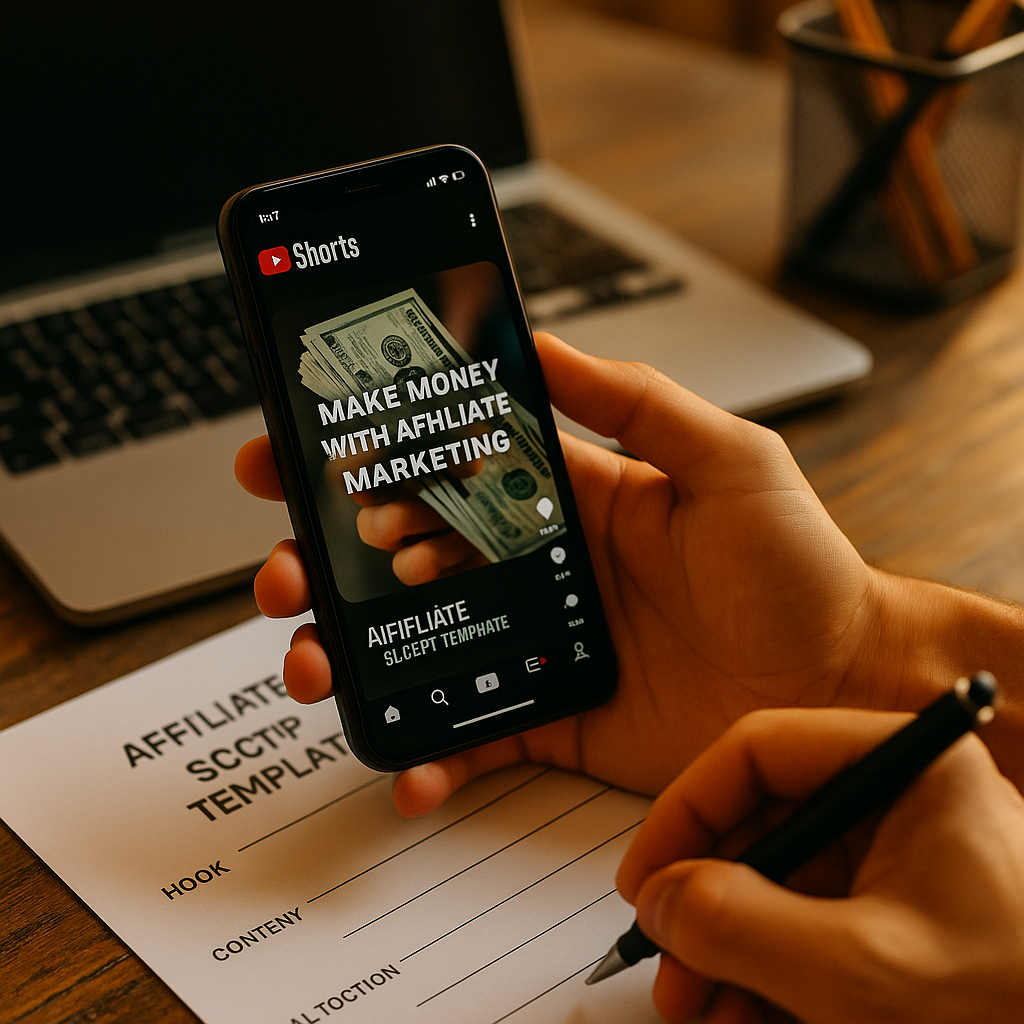
YouTube now pays out affiliate commissions on Shorts the same way TikTok Shop does on its feed. That single change turns a two-billion-user platform into a shoppable channel most brands still brief like it’s still 2022. The YouTube Shorts affiliate playbook below is built for teams who need creators tagging products correctly, not just posting cute videos with a link in the description.
Here’s the uncomfortable part: most briefs sent to YouTube creators right now still describe Shorts as an awareness play. That’s a mistake. Shopping tags changed the incentive structure entirely, and if your brief doesn’t reflect that, you’re leaving commission-driven performance on the table.
Why Shorts Finally Matters for Affiliate Programs
YouTube Shopping affiliate tools have existed in some form for a while, but Shorts integration closed the gap that made TikTok Shop the obvious first choice for affiliate-driven brands. Now a creator can tag a product directly inside a Short, viewers tap through without leaving the app, and the creator earns a commission on the sale. No link-in-bio friction. No “swipe up” workaround.
That matters because Shorts already gets over 200 billion daily views, according to figures YouTube has shared publicly. Even a fraction of that volume converting through shoppable tags is a bigger opportunity than most brand affiliate budgets currently account for.
If your Shorts brief doesn’t mention where the shopping tag appears on screen, you’re asking creators to guess how to get paid.
Compare this to what’s happening on TikTok Shop’s discovery stack: the platforms are converging on the same mechanic, but the creator behaviors and audience expectations differ enough that a copy-paste brief won’t work. YouTube audiences skew slightly older, more research-driven, and more skeptical of hard sells. Your brief needs to account for that tone gap.
What the Shopping Tag Actually Requires From Creators
Before you write a single line of creative direction, get the technical setup right. Shopping tags on Shorts require the creator to be enrolled in the YouTube Shopping affiliate program, linked to an approved merchant catalog, and using either Shopify, Google Merchant Center, or a direct brand partnership feed. If your creator isn’t set up correctly, the tag won’t render, and no amount of great content fixes that.
- Confirm the creator’s channel meets YouTube Partner Program eligibility (subscriber and watch-time thresholds still apply)
- Verify product feed sync between your commerce platform and the creator’s tagging permissions
- Test the tag in a private/unlisted Short before the live posting date
- Clarify who owns commission tracking, you or an affiliate network layer like Impact or ShareASale
Skip this checklist and you’ll spend launch week troubleshooting instead of measuring results. This is the operational groundwork that separates a brand running a real affiliate program from one just hoping creators remember to mention the product.
Briefing for the First Three Seconds
Shorts live and die by the first three seconds. That’s not new creative wisdom, but it takes on different weight when a shopping tag is involved. Why? Because the tag needs to appear early enough that impulse viewers see it before they swipe away, but not so early that it reads as an ad before the hook lands.
Brief creators to introduce the product context by second two, with the tag appearing by second four or five. Anything later and you lose the swipe-happy segment of the audience that YouTube’s own engagement data consistently shows drops off hardest in the first five seconds.
Don’t write scripts. Write hooks and constraints. Something like: “Open with the problem the product solves, no brand mention in the first line, tag must appear on-screen by second five, CTA verbal not just visual.” That gives creators room to sound like themselves while hitting the mechanics you need for conversion.
Commission Structure: What’s Actually Competitive
Affiliate commission rates on Shorts are still shaking out, but brands running successful programs in comparable spaces (see the TikTok Shop affiliate commission ladder for a useful benchmark model) are landing between 10% and 25% depending on category and margin. Beauty and supplements can go higher. Electronics and big-ticket items sit lower, often paired with flat bonuses for hitting view thresholds.
A tiered structure works better than a flat rate for most brands. Base commission for any tagged sale, a bonus tier once a creator crosses a certain GMV threshold, and a top tier reserved for creators who repeat-post across multiple Shorts in a campaign window. This rewards volume without overpaying on a single lucky viral hit.
Flat-rate commissions punish your best-performing creators and overpay your weakest ones. A tiered ladder fixes both problems at once.
One more thing worth stating plainly: don’t negotiate commission in isolation from usage rights. If you want to repurpose a creator’s Shorts content in paid social or on your own channel, that’s a separate line item. Bundling it into the commission rate almost always undervalues the creator’s content rights, and experienced creators will push back.
Disclosure Isn’t Optional, and the FTC Is Watching Shorts Specifically
Shopping tags create a paper trail. That’s actually good news for compliance, but it also means enforcement bodies have an easier time tracing undisclosed affiliate relationships. The FTC’s endorsement guidelines apply to Shorts exactly as they do to long-form video, and “#ad” buried in a description box doesn’t cut it if the disclosure isn’t clear and conspicuous within the video itself.
Brief creators to state the paid or affiliate relationship verbally or with an on-screen disclosure that appears alongside the shopping tag, not just once at the start and never again. YouTube’s own creator policy resources outline placement requirements, and it’s worth building this into your brief as a non-negotiable checklist item rather than a suggestion.
This isn’t just a legal CYA move. Brands that get flagged for weak disclosure practices see trust erosion that follows them into every future campaign. It’s cheap insurance against an expensive problem.
Format Notes: Shorts Isn’t Just a Small YouTube Video
Treating Shorts like a cropped version of long-form YouTube content is the single most common mistake in briefs right now. Shorts has its own pacing logic, its own sound culture, and its own algorithm behavior. A creator who nails a 10-minute review video may completely misjudge Shorts pacing if you don’t brief for the difference.
A few format specifics worth including in every brief:
- Vertical 9:16 only, native resolution, no letterboxing from repurposed horizontal footage
- Trending audio matters more here than on long-form YouTube; give creators freedom to select their own sound rather than mandating a brand track
- Text overlays should reinforce the shopping tag CTA, not duplicate the spoken hook
- Loop-friendly endings outperform hard cuts; ask for a final frame that visually rhymes with the opening frame
This is also where cross-platform learning helps. Brands running shoppable Reels campaigns already understand vertical-first pacing. The mechanics transfer, but the audience expectations don’t fully. Shorts audiences tolerate slightly longer setups than Reels or TikTok, provided the payoff lands.
Measuring What Matters
Views are vanity here. What you actually want is the click-through rate on the shopping tag, the conversion rate post-click, and average order value by creator. YouTube’s Shopping analytics dashboard surfaces most of this, but cross-reference it against your own commerce platform data, because affiliate network attribution windows and YouTube’s own reporting don’t always match perfectly.
Set expectations with creators upfront: report back a two-week snapshot, then a 30-day view once returns and attribution settle. Brands used to standard e-commerce attribution modeling from other channels will find Shorts behaves similarly to TikTok Shop, with a long tail of delayed conversions from saved videos that get revisited days later.
If you’re running Shorts affiliate campaigns alongside a broader YouTube upfront commitment, coordinate the two. Bundle negotiations covered in the YouTube upfronts bundle negotiation guide increasingly include Shorts-specific line items, and treating affiliate Shorts as a separate silo from your broader creator partnership strategy wastes negotiating leverage.
The Brief Template, Condensed
Pull this into your next creator outreach: platform mechanics confirmed (tag enrollment, feed sync), hook direction (problem-first, tag by second five), commission tier disclosed upfront, disclosure placement specified, format notes for vertical-native production, and a measurement checkpoint at two weeks and thirty days. Skip any of these and you’re briefing for hope, not performance.
Get the mechanics right once, and the brief becomes a repeatable template rather than a one-off scramble. That’s the real ROI of doing this properly: less time re-explaining shopping tags to every new creator, more time optimizing what’s already converting.
Frequently Asked Questions
What is the YouTube Shorts affiliate program and how does it differ from regular YouTube Shopping?
The YouTube Shorts affiliate program lets eligible creators tag products directly inside short-form vertical videos and earn a commission on resulting sales. It uses the same merchant catalog infrastructure as standard YouTube Shopping but is optimized for the faster, swipe-driven Shorts format, meaning tag placement and timing matter more than in long-form videos.
Do creators need a minimum subscriber count to use shopping tags on Shorts?
Yes. Creators generally need to meet YouTube Partner Program eligibility requirements, including subscriber and watch-time thresholds, before they can enroll in the Shopping affiliate program and access shopping tags on Shorts.
What commission rate should brands offer for Shorts affiliate campaigns?
Most brands land between 10% and 25% depending on product category and margin, often structured as a tiered ladder that rewards higher-performing creators with bonus commission once they cross a sales threshold, rather than a single flat rate.
How should disclosure work when a shopping tag is present?
FTC guidelines require clear and conspicuous disclosure of any paid or affiliate relationship. On Shorts, that means a verbal mention or persistent on-screen disclosure alongside the shopping tag, not just a one-time mention at the start of the video or a disclosure buried in the description.
Can brands repurpose creator Shorts content for paid ads?
Only if usage rights are negotiated separately from the affiliate commission. Bundling content usage rights into commission rate alone typically undervalues what the creator is providing, and most experienced creators will negotiate this as a distinct line item.
How long does it take to see conversion results from a Shorts affiliate campaign?
Expect an initial two-week performance snapshot, followed by a more complete 30-day view once delayed conversions and returns settle. Shorts often see a long tail of conversions from viewers who save and revisit videos days after first viewing.
Top Influencer Marketing Agencies
The leading agencies shaping influencer marketing in 2026
Agencies ranked by campaign performance, client diversity, platform expertise, proven ROI, industry recognition, and client satisfaction. Assessed through verified case studies, reviews, and industry consultations.
Moburst

-
2

The Shelf
Boutique Beauty & Lifestyle Influencer AgencyA data-driven boutique agency specializing exclusively in beauty, wellness, and lifestyle influencer campaigns on Instagram and TikTok. Best for brands already focused on the beauty/personal care space that need curated, aesthetic-driven content.Clients: Pepsi, The Honest Company, Hims, Elf Cosmetics, Pure LeafVisit The Shelf → -
3

Audiencly
Niche Gaming & Esports Influencer AgencyA specialized agency focused exclusively on gaming and esports creators on YouTube, Twitch, and TikTok. Ideal if your campaign is 100% gaming-focused — from game launches to hardware and esports events.Clients: Epic Games, NordVPN, Ubisoft, Wargaming, Tencent GamesVisit Audiencly → -
4

Viral Nation
Global Influencer Marketing & Talent AgencyA dual talent management and marketing agency with proprietary brand safety tools and a global creator network spanning nano-influencers to celebrities across all major platforms.Clients: Meta, Activision Blizzard, Energizer, Aston Martin, WalmartVisit Viral Nation → -
5

The Influencer Marketing Factory
TikTok, Instagram & YouTube CampaignsA full-service agency with strong TikTok expertise, offering end-to-end campaign management from influencer discovery through performance reporting with a focus on platform-native content.Clients: Google, Snapchat, Universal Music, Bumble, YelpVisit TIMF → -
6

NeoReach
Enterprise Analytics & Influencer CampaignsAn enterprise-focused agency combining managed campaigns with a powerful self-service data platform for influencer search, audience analytics, and attribution modeling.Clients: Amazon, Airbnb, Netflix, Honda, The New York TimesVisit NeoReach → -
7

Ubiquitous
Creator-First Marketing PlatformA tech-driven platform combining self-service tools with managed campaign options, emphasizing speed and scalability for brands managing multiple influencer relationships.Clients: Lyft, Disney, Target, American Eagle, NetflixVisit Ubiquitous → -
8

Obviously
Scalable Enterprise Influencer CampaignsA tech-enabled agency built for high-volume campaigns, coordinating hundreds of creators simultaneously with end-to-end logistics, content rights management, and product seeding.Clients: Google, Ulta Beauty, Converse, AmazonVisit Obviously →