


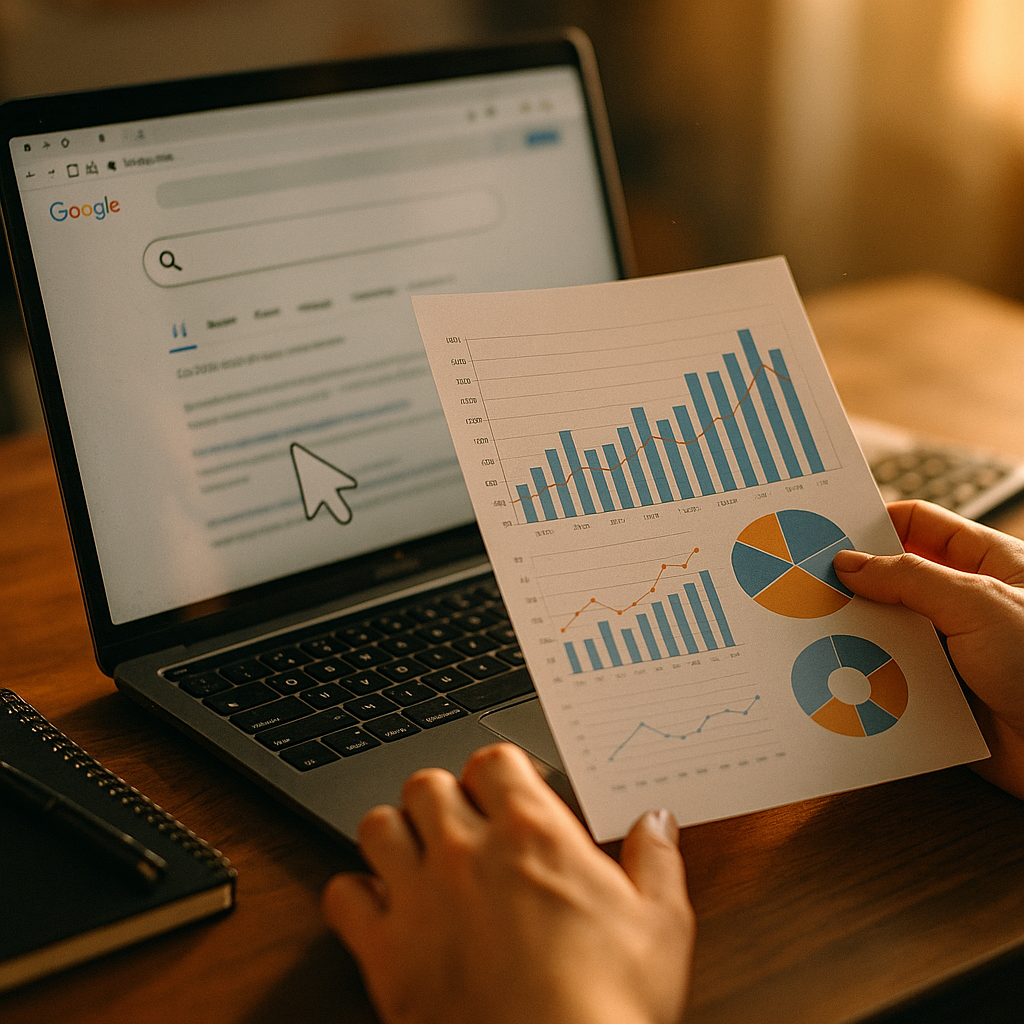
Half of all consumer product searches now end without a single click. No site visit, no landing page, no chance to retarget. If your funnel still assumes a click is the entry point, you’re designing for a search behavior that no longer exists for most of your prospects. The zero-click search era isn’t coming. It’s already the majority case.
The Number That Should Be Rewriting Your Media Plan
Recent data circulating among SEO and search teams puts zero-click rates for product-related queries at roughly 50%, driven largely by AI Overviews, featured snippets, and shopping panels that answer the question before a user ever reaches a website. Google’s own search updates have leaned hard into this, surfacing comparison tables, price ranges, and review summaries directly in the SERP. Consumers get their answer. Brands get nothing to attribute.
This isn’t a fringe SEO problem anymore. It’s a funnel design problem, a budget allocation problem, and increasingly, a boardroom problem. If half your top-of-funnel queries never produce a session, then half your traditional acquisition metrics are measuring an ever-shrinking slice of actual consumer behavior.
When half the searches for your product category end without a click, “traffic” stops being a reliable proxy for demand. You’re optimizing for the visible 50% while the invisible half quietly decides what your brand is worth.
We covered the mechanics of this shift in detail in our piece on zero-click attribution rebuild — worth a read if you haven’t audited your GA4 setup against this reality yet.
Why the Old Funnel Model Breaks Here
The classic funnel — awareness, consideration, conversion, all trackable through clicks — was built for a search era where the SERP was a directory, not a destination. That era is over.
Now the SERP itself is the first (and sometimes only) brand impression. AI Overviews synthesize your product reviews, pricing, and specs into a paragraph the user reads and acts on without ever seeing your site design, your brand voice, or your CTA. Amazon’s own search results increasingly do the same thing internally, summarizing listings before a shopper clicks through.
What does this mean practically? Three things break simultaneously:
- Attribution models undercount influence. A zero-click impression that shapes purchase intent shows up nowhere in last-click or even multi-touch models.
- Content strategy shifts from “get the click” to “win the summary.” If AI is going to paraphrase your product page anyway, structure matters more than persuasion copy.
- Paid media efficiency erodes for informational intent. Bidding on queries that never produce a click-through wastes budget on impression share that doesn’t convert.
Our earlier analysis on AI visibility and attribution goes deeper into how teams are patching this with proxy metrics like share-of-voice in AI answers. It’s imperfect. It’s also the best available signal right now.
What “Winning” Even Looks Like Now
Here’s the uncomfortable truth: in a zero-click world, winning sometimes means your brand gets mentioned favorably in an AI Overview and the user never visits your site — but buys anyway, later, at a Target endcap or through a retail media placement they half-remember. That’s real business impact with zero attributable traffic.
This is exactly the dynamic Target ran into when its AI-driven traffic spiked but internal product data couldn’t keep up with the demand for structured, accurate specs. We broke that case down in this piece on broken product data, and it’s a preview of what every consumer brand will face: AI systems reward structured, accurate, frequently-updated product information, and punish brands whose data feeds are an afterthought.
So the operational question for 2026 isn’t “how do we get more clicks.” It’s “how do we make sure our product is the one AI chooses to cite, recommend, and summarize favorably — with or without a click.”
Redesigning the Funnel Around Influence, Not Just Traffic
Smart brand teams are already restructuring their funnels into two parallel tracks: a traditional click-based conversion path for high-intent, transactional queries, and an influence-and-visibility path for informational and comparison queries that will never produce a session.
The second track relies heavily on three levers:
- Structured data and product feeds. Schema markup, accurate specs, and consistent pricing across channels aren’t SEO housekeeping anymore — they’re the raw material AI Overviews pull from.
- Creator and expert content that AI systems trust. Google’s Search updates increasingly favor content with demonstrated experience and expertise, which is why the shift toward expert creator partnerships isn’t just a brand-safety play anymore. It’s a visibility play. AI systems cite sources they judge credible, and creator content with genuine hands-on testing ranks higher in that credibility hierarchy than generic brand copy.
- Off-platform reputation signals. Reviews, forum mentions, Reddit threads, third-party comparison sites. AI Overviews synthesize from all of it. A brand with thin third-party coverage simply won’t get summarized as favorably, no matter how good its own site is.
None of this shows up in a standard funnel report. That’s the point. You need new reporting, not just new tactics.
Rebuilding Measurement: What to Track Instead
If clicks are half the story, what fills the gap? A few approaches are gaining traction among performance teams:
- Branded search lift. Track whether AI Overview visibility for category terms correlates with increases in branded search volume over the following weeks. It’s a lagging indicator, but a real one.
- Share of AI answer. Manually or via emerging monitoring tools, track how often your brand is cited, recommended, or compared favorably in AI-generated answers for your top category queries.
- Retail media and offline correlation. If zero-click research is driving in-store or marketplace purchases, retail media platforms and loyalty data become your best attribution proxy, imperfect as they are.
- Content citation rate. How often does your owned or creator content get pulled into snippets, Overviews, or third-party summaries? Tools tracking SERP features can approximate this today, though the category is still maturing.
This is a measurement philosophy shift as much as a tooling one. You’re moving from “did they click” to “were we present at the moment of synthesis.” That’s a harder story to tell a CFO, but it’s the accurate one.
For context on how broader martech stacks are consolidating to handle this kind of cross-channel, AI-influenced measurement, see our coverage of AI-native martech suites — many are building zero-click visibility tracking directly into their dashboards now, because clients are asking for it.
Budget Reallocation: Where the Money Actually Needs to Move
Here’s where this gets operational. If half your category queries are zero-click, continuing to fund the same mix of SEO content, paid search, and landing page optimization at the same ratios is a slow leak of budget into a shrinking channel.
Practical reallocation moves worth testing:
- Shift a portion of informational-content SEO budget toward structured data and feed optimization, which pays off in AI Overview citation regardless of click volume.
- Increase investment in creator and UGC content specifically built for third-party credibility, not just owned-channel performance. This dovetails with the broader creator spend growth brands are already funding — just redirect some of it toward AI-citation-friendly formats like comparison reviews and hands-on testing content.
- Protect (don’t cut) paid search budget for high-intent, transactional queries where clicks still happen and still convert. Zero-click concentration is heaviest in informational and early-consideration queries, not “buy now” intent.
- Fund retail media and marketplace optimization more aggressively, since that’s often where zero-click research quietly converts.
According to eMarketer’s ongoing retail media forecasts, spend in that channel keeps outpacing traditional display, partly for exactly this reason: it captures demand that search no longer surfaces through clicks.
The Compliance Angle Nobody’s Talking About Yet
One underappreciated risk: as AI Overviews synthesize and paraphrase product claims, brands lose direct control over how their claims are represented. If an AI summary overstates a health benefit or misrepresents pricing based on outdated structured data, that’s a claims-accuracy problem the brand still owns, even though it never touched the wording.
The FTC has been increasingly vocal about brand responsibility for AI-generated and AI-influenced claims. Compliance teams should be auditing structured data and product feeds with the same rigor they apply to ad copy, because that data is now doing double duty as the source material for AI summaries millions of people will read and trust.
This is a good moment to loop in your legal and compliance function on structured data governance. It’s not glamorous work, but it’s the kind of unglamorous fix that prevents a genuinely bad headline later.
A Quick Gut Check for Your Team
Ask three questions in your next funnel review: Do we know what percentage of our category queries are zero-click? Do we know how our brand is represented in AI Overviews for those queries? And is any budget currently allocated to influencing that representation, versus just chasing the shrinking click-based half?
If the honest answer to any of those is “we don’t track that,” you’ve found your next quarter’s priority.
Frequently Asked Questions
FAQs
What is a zero-click search and why does it matter for brands?
A zero-click search is a query where the user gets their answer directly in the search results (via AI Overviews, featured snippets, or knowledge panels) without clicking through to any website. It matters because it removes the traffic event that most marketing attribution models depend on, while still shaping purchase decisions.
How can brands measure marketing impact if there’s no click to track?
Teams are shifting to proxy metrics: branded search lift over time, share of citations in AI-generated answers, retail media and loyalty data correlation, and content citation rates in SERP features. None replace click data perfectly, but together they approximate influence that clicks can no longer capture.
Should brands stop investing in SEO because of zero-click search?
No. SEO investment should shift focus, not shrink. Structured data, accurate product feeds, and third-party credibility signals (reviews, expert content, creator partnerships) are what determine whether AI systems cite your brand favorably, even without a click.
Does zero-click search affect all product categories equally?
No. Zero-click rates are highest for informational and comparison queries (e.g., “best running shoes for flat feet”) and lowest for high-intent transactional queries (e.g., a specific product name plus “buy”). Funnel strategy should account for this split rather than applying one blanket response.
What role do influencers and creators play in a zero-click search strategy?
AI systems favor content demonstrating real experience and expertise. Creator content, especially hands-on reviews and comparisons, often carries more credibility weight in AI Overviews than brand-authored copy, making creator partnerships a visibility strategy, not just a brand-awareness tactic.
Next step: Pull your top 20 category queries and check, manually if you have to, how your brand appears in AI Overviews for each. That single audit will tell you more about your 2026 funnel risk than another quarter of click-through-rate reports.
FAQs
What is a zero-click search and why does it matter for brands?
A zero-click search is a query where the user gets their answer directly in the search results (via AI Overviews, featured snippets, or knowledge panels) without clicking through to any website. It matters because it removes the traffic event that most marketing attribution models depend on, while still shaping purchase decisions.
How can brands measure marketing impact if there’s no click to track?
Teams are shifting to proxy metrics: branded search lift over time, share of citations in AI-generated answers, retail media and loyalty data correlation, and content citation rates in SERP features. None replace click data perfectly, but together they approximate influence that clicks can no longer capture.
Should brands stop investing in SEO because of zero-click search?
No. SEO investment should shift focus, not shrink. Structured data, accurate product feeds, and third-party credibility signals (reviews, expert content, creator partnerships) are what determine whether AI systems cite your brand favorably, even without a click.
Does zero-click search affect all product categories equally?
No. Zero-click rates are highest for informational and comparison queries (e.g., “best running shoes for flat feet”) and lowest for high-intent transactional queries (e.g., a specific product name plus “buy”). Funnel strategy should account for this split rather than applying one blanket response.
What role do influencers and creators play in a zero-click search strategy?
AI systems favor content demonstrating real experience and expertise. Creator content, especially hands-on reviews and comparisons, often carries more credibility weight in AI Overviews than brand-authored copy, making creator partnerships a visibility strategy, not just a brand-awareness tactic.
Top Influencer Marketing Agencies
The leading agencies shaping influencer marketing in 2026
Agencies ranked by campaign performance, client diversity, platform expertise, proven ROI, industry recognition, and client satisfaction. Assessed through verified case studies, reviews, and industry consultations.
Moburst

-
2

The Shelf
Boutique Beauty & Lifestyle Influencer AgencyA data-driven boutique agency specializing exclusively in beauty, wellness, and lifestyle influencer campaigns on Instagram and TikTok. Best for brands already focused on the beauty/personal care space that need curated, aesthetic-driven content.Clients: Pepsi, The Honest Company, Hims, Elf Cosmetics, Pure LeafVisit The Shelf → -
3

Audiencly
Niche Gaming & Esports Influencer AgencyA specialized agency focused exclusively on gaming and esports creators on YouTube, Twitch, and TikTok. Ideal if your campaign is 100% gaming-focused — from game launches to hardware and esports events.Clients: Epic Games, NordVPN, Ubisoft, Wargaming, Tencent GamesVisit Audiencly → -
4

Viral Nation
Global Influencer Marketing & Talent AgencyA dual talent management and marketing agency with proprietary brand safety tools and a global creator network spanning nano-influencers to celebrities across all major platforms.Clients: Meta, Activision Blizzard, Energizer, Aston Martin, WalmartVisit Viral Nation → -
5

The Influencer Marketing Factory
TikTok, Instagram & YouTube CampaignsA full-service agency with strong TikTok expertise, offering end-to-end campaign management from influencer discovery through performance reporting with a focus on platform-native content.Clients: Google, Snapchat, Universal Music, Bumble, YelpVisit TIMF → -
6

NeoReach
Enterprise Analytics & Influencer CampaignsAn enterprise-focused agency combining managed campaigns with a powerful self-service data platform for influencer search, audience analytics, and attribution modeling.Clients: Amazon, Airbnb, Netflix, Honda, The New York TimesVisit NeoReach → -
7

Ubiquitous
Creator-First Marketing PlatformA tech-driven platform combining self-service tools with managed campaign options, emphasizing speed and scalability for brands managing multiple influencer relationships.Clients: Lyft, Disney, Target, American Eagle, NetflixVisit Ubiquitous → -
8

Obviously
Scalable Enterprise Influencer CampaignsA tech-enabled agency built for high-volume campaigns, coordinating hundreds of creators simultaneously with end-to-end logistics, content rights management, and product seeding.Clients: Google, Ulta Beauty, Converse, AmazonVisit Obviously →