


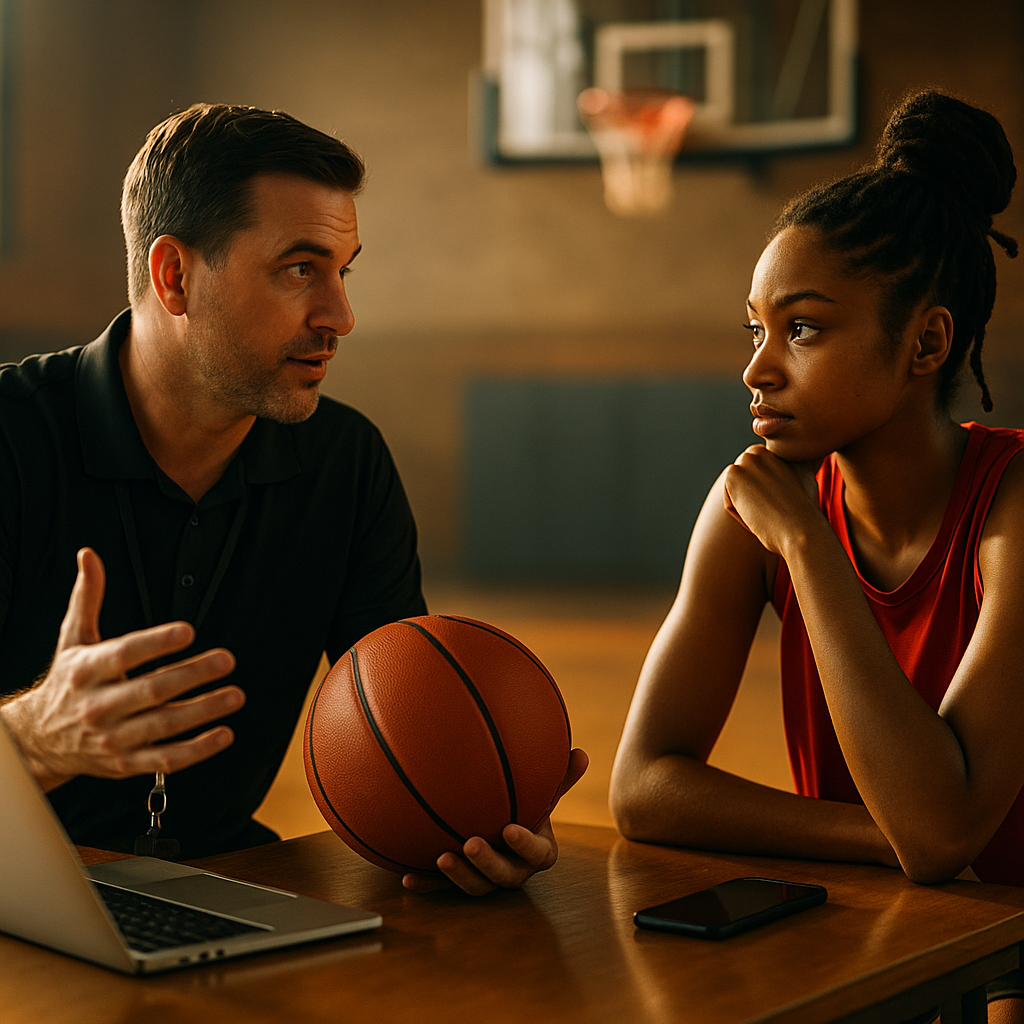
Building a talent pipeline for your influencer program positions your brand for long-term success in competitive markets. By adopting recruitment strategies modeled after pro sports teams, you can discover, nurture, and retain top creators. As influencer marketing matures in 2025, are you ready to secure your brand’s future with a next-level talent pipeline?
Understanding the Talent Pipeline Model in Influencer Marketing
Sports teams scout, develop, and manage player rosters years in advance—often securing tomorrow’s leaders today. The talent pipeline model for influencer programs borrows these tactics. This approach emphasizes:
- Proactive talent identification: Seeking out emerging creators before they approach peak popularity.
- Continuous development: Providing ongoing support and education to refine their skills and brand fit.
- Structured engagement: Creating clear pathways for growth and collaboration.
By embedding these pillars, brands foster loyalty and build a roster of influencer partners ready for evolving campaigns and audiences. This model also mitigates last-minute talent shortages and keeps you prepared for market shifts or platform changes.
Scouting and Recruiting Influencer Talent, Pro Sports Style
Just like sports scouts monitor college athletes and amateur leagues, influencer program managers should systematically survey digital platforms to spot rising stars. Effective methods include:
- Performance analytics: Utilize tools to track content engagement, audience demographics, and growth rates across TikTok, Instagram, YouTube, and emerging networks.
- Community monitoring: Regularly engage with creator communities, discussion forums, and niche hashtags to spot undiscovered talent.
- Competitor benchmarking: Analyze which influencers drive measurable results for peer brands and where gaps exist in your own strategy.
According to a 2025 survey by Influencer Marketing Hub, 61% of leading brands proactively approach nano- and micro-influencers rather than waiting for applicants. This ensures you’re not chasing the same few top-tier voices every rival seeks.
Developing Influencer Talent: Training and Mentorship
Pro sports teams invest millions in facilities and coaching. Similarly, leading brands elevate influencer relationships beyond transactional deals. Adopting a “farm system” approach, you can nurture creators through:
- Skill workshops: Offer training on storytelling, video editing, and platform algorithm updates.
- Brand immersion: Facilitate immersive sessions so influencers internalize your values and messaging.
- Feedback loops: Provide constructive input on campaign performance, creative direction, and audience engagement.
This approach creates a sense of community and commitment. Research from CreatorIQ in 2025 shows creators are 43% more loyal to brands providing regular professional development. These initiatives also surface future thought leaders, giving your brand first-rights access to the next wave of influential voices.
Segmenting and Rotating Your Influencer Roster
Sports rosters balance seasoned athletes with up-and-coming talent. Apply the same segmentation to your influencer program by categorizing partners as:
- Star performers: Proven creators with strong ROI and alignment with your brand.
- Growth players: Mid-tier creators showing potential for wider influence.
- Prospects: New-to-market creators with unique voices or niche followings.
Establish a rotation system for campaign participation based on performance, audience fit, and development milestones. This ensures fresh content, prevents audience fatigue, and fosters internal competition to motivate your roster. Assign dedicated managers or “talent coaches” to oversee segments and individual creators, mirroring professional coaching roles in sports organizations.
Retention and Advancement: Fostering Long-Term Loyalty
The most successful sports franchises retain core players for years, building identity and fan loyalty. Likewise, your influencer program should prioritize:
- Clear progression paths: Define tiers or milestones (e.g., “Rising Star” to “Elite Partner”) with concrete benefits.
- Recognition and rewards: Celebrate content excellence with bonuses, exclusive opportunities, or press features.
- Co-created opportunities: Involve influencers in campaign planning, product testing, and creative brainstorming.
A 2025 Datareportal study indicates that influencers are twice as likely to renew contracts with brands that provide consistent engagement and recognition. These elements convert one-off partners into long-term ambassadors, saving your brand valuable recruiting dollars and safeguarding campaign consistency.
Measuring Success: Analytics and Continuous Improvement
Effective sports franchises rely on rigorous performance analytics. The same is true when building a sustainable influencer talent pipeline. Use the following metrics:
- Conversion and engagement rates: Track which creators drive desired outcomes, from sales to sign-ups to sentiment lift.
- Talent pipeline health: Monitor the flow of new recruits, program graduates, and retention rates across tiers.
- Campaign efficiency: Assess time and cost savings achieved by deploying in-house influencer talent versus new acquisitions.
Regularly refine your scouting, development, and retention practices using these data points. Solicit direct feedback from both influencers and program managers to surface improvement areas, just as top sports teams adapt training regimes and recruitment strategies in pursuit of championships.
Conclusion: The Playbook for Influencer Program Success
Building a talent pipeline for your influencer program—like pro sports teams—future-proofs your brand and accelerates campaign impact. By scouting proactively, nurturing talent, structuring advancement, and embracing data, you ensure long-term influence and loyalty. Start building your roster today and become the champion in your industry’s influencer marketing league.
FAQs: Building a Talent Pipeline for Influencer Programs
-
Why should brands adopt a sports team approach to influencer programs?
This approach enables brands to systematically find, develop, and retain high-potential creators, minimizing reactive hiring and delivering sustained impact.
-
What tools are best for discovering new influencer talent?
Platforms like CreatorIQ, Aspire, and Traackr offer robust analytics for early-stage discovery, but niche community engagement is equally important for uncovering unique voices.
-
How can brands create loyalty among influencer partners?
Brands foster loyalty by providing ongoing education, recognition, advancement opportunities, and involving creators in campaign ideation and product development.
-
How often should influencer rosters be evaluated or rotated?
Quarterly reviews are recommended, focusing on performance, audience shifts, and emerging brand needs. Rotation maintains freshness and rewards achievement.
-
What metrics matter most when assessing talent pipeline success?
Key metrics include campaign ROI, influencer retention rates, content performance, and the speed at which new talent is onboarded and developed.
Top Influencer Marketing Agencies
The leading agencies shaping influencer marketing in 2026
Agencies ranked by campaign performance, client diversity, platform expertise, proven ROI, industry recognition, and client satisfaction. Assessed through verified case studies, reviews, and industry consultations.
Moburst

-
2

The Shelf
Boutique Beauty & Lifestyle Influencer AgencyA data-driven boutique agency specializing exclusively in beauty, wellness, and lifestyle influencer campaigns on Instagram and TikTok. Best for brands already focused on the beauty/personal care space that need curated, aesthetic-driven content.Clients: Pepsi, The Honest Company, Hims, Elf Cosmetics, Pure LeafVisit The Shelf → -
3

Audiencly
Niche Gaming & Esports Influencer AgencyA specialized agency focused exclusively on gaming and esports creators on YouTube, Twitch, and TikTok. Ideal if your campaign is 100% gaming-focused — from game launches to hardware and esports events.Clients: Epic Games, NordVPN, Ubisoft, Wargaming, Tencent GamesVisit Audiencly → -
4

Viral Nation
Global Influencer Marketing & Talent AgencyA dual talent management and marketing agency with proprietary brand safety tools and a global creator network spanning nano-influencers to celebrities across all major platforms.Clients: Meta, Activision Blizzard, Energizer, Aston Martin, WalmartVisit Viral Nation → -
5

The Influencer Marketing Factory
TikTok, Instagram & YouTube CampaignsA full-service agency with strong TikTok expertise, offering end-to-end campaign management from influencer discovery through performance reporting with a focus on platform-native content.Clients: Google, Snapchat, Universal Music, Bumble, YelpVisit TIMF → -
6

NeoReach
Enterprise Analytics & Influencer CampaignsAn enterprise-focused agency combining managed campaigns with a powerful self-service data platform for influencer search, audience analytics, and attribution modeling.Clients: Amazon, Airbnb, Netflix, Honda, The New York TimesVisit NeoReach → -
7

Ubiquitous
Creator-First Marketing PlatformA tech-driven platform combining self-service tools with managed campaign options, emphasizing speed and scalability for brands managing multiple influencer relationships.Clients: Lyft, Disney, Target, American Eagle, NetflixVisit Ubiquitous → -
8

Obviously
Scalable Enterprise Influencer CampaignsA tech-enabled agency built for high-volume campaigns, coordinating hundreds of creators simultaneously with end-to-end logistics, content rights management, and product seeding.Clients: Google, Ulta Beauty, Converse, AmazonVisit Obviously →