


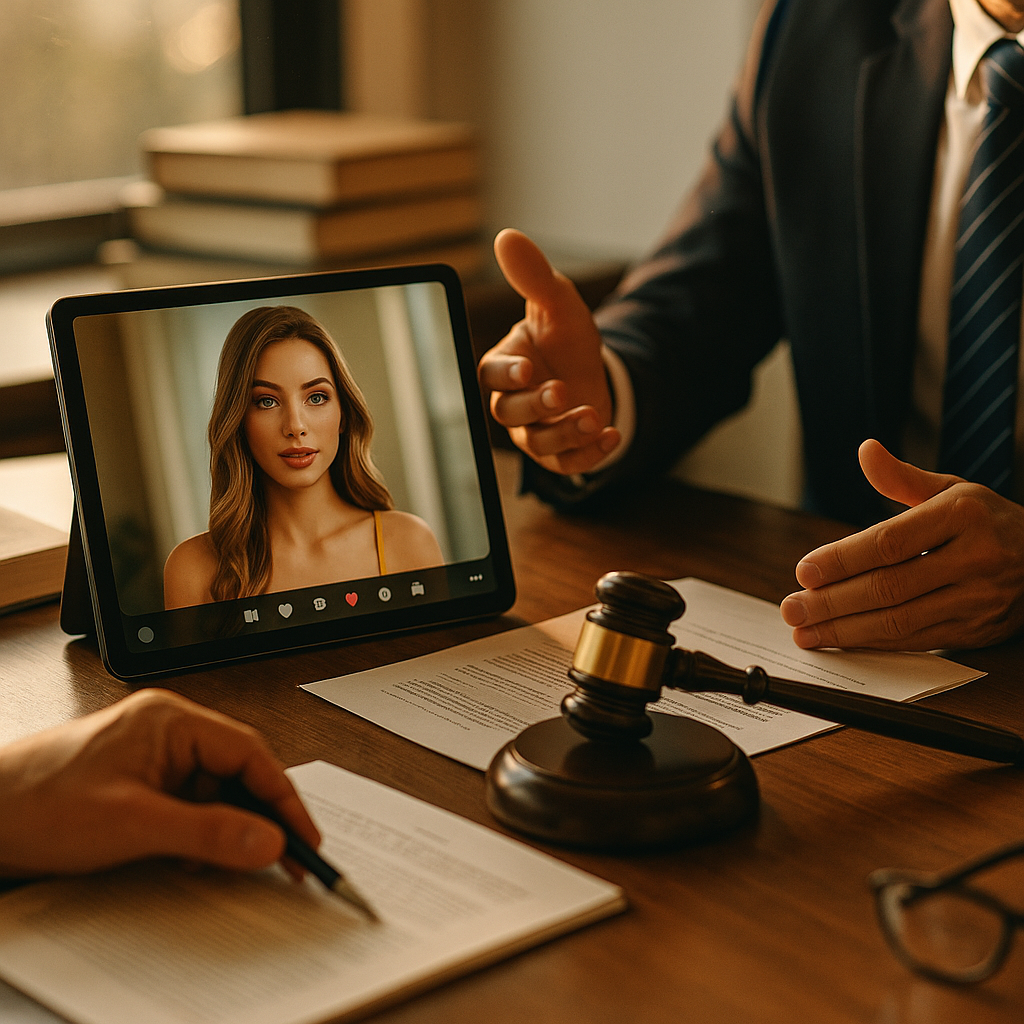
The rapid adoption of artificial intelligence raises new challenges in marketing, especially when it comes to the legal implications of using AI-generated virtual influencers in global campaigns. As brands venture into this innovative frontier, understanding the legal landscape is essential for success—and to avoid costly pitfalls. What are the risks and opportunities, and how can brands stay ahead?
Understanding Virtual Influencers in AI-Driven Marketing
Virtual influencers, powered by AI, are computer-generated personas designed to interact with audiences and promote products or causes. These digital personalities often resemble real people and are programmed to behave authentically online. According to a 2025 Statista report, global brand spend on AI influencers reached $3.1 billion, indicating that businesses are embracing this technology at scale. Yet, because virtual influencers operate in a borderless digital space, brands must address unique legal concerns that traditional influencer marketing never faced.
Key Legal Risks: Deepfakes, Intellectual Property, and Disclosure
The use of AI-generated influencers introduces complex legal risks, especially in areas of intellectual property, deepfakes, and transparency. Brands may unknowingly infringe on copyright if a virtual influencer’s likeness resembles a real person or if AI models generate content based on copyrighted reference material. Another concern is the creation of deepfakes—hyper-realistic fabricated images or videos—which can lead to claims of defamation or misrepresentation.
Global advertising regulations require influencer campaigns to be transparent. In 2025, the European Union and several Asian countries strengthened disclosure requirements, demanding that audiences are informed when virtual influencers are not real or when posts are branded content. Failing to comply could result in sanctions, legal disputes, and heavy reputational damage.
Data Protection and Privacy Laws in International Campaigns
Running global campaigns with AI-generated influencers means complying with data protection and privacy laws across multiple jurisdictions. Virtual influencers often interact with millions of users, collecting and processing vast amounts of personal data. Under regulations such as the EU’s GDPR and Brazil’s LGPD, brands are accountable for transparent data usage, user consent, and robust cybersecurity practices.
Failure to secure user data can lead to significant fines and loss of consumer trust. Moreover, recent legislation in North America now classifies some aspects of AI-generated persona management as high-risk data processing, requiring impact assessments and regular audits. Brands must ensure that their virtual influencers comply with regional requirements—including opt-out mechanisms and parental consent for marketing targeting minors.
Endorsements, Consumer Protection, and Ethical Boundaries
The lines between reality and fiction become blurred when AI influencers vouch for products or express opinions. Consumer protection agencies worldwide—such as the US FTC and Australia’s ACCC—require that influencer endorsements be truthful and not misleading. In 2025, new guidelines emphasized the need for AI-generated personalities to explicitly state their artificial nature and avoid personating humans or making unverifiable claims.
Additionally, sector-specific rules (like those in pharmaceuticals or finance) often prohibit certain types of advertising or require extra disclosure. Brands must ensure that AI influencers do not inadvertently offer medical, financial, or legal advice that exceeds regulatory boundaries. This oversight is especially crucial in sectors where unauthorized practice could have serious consequences for both consumers and brands.
Cross-Border Campaigns: Jurisdiction, Liability, and Contracts
One of the biggest challenges lies in navigating cross-border legal frameworks. Virtual influencers can inadvertently break laws in markets that have stricter regulations than the brand’s home country. For example, a campaign legal in the US might violate privacy or advertising laws in France or Japan.
Clear legal contracts with vendors, AI developers, and third-party agencies become paramount. These agreements should address IP ownership, model training data, indemnities for legal violations, and dispute resolution mechanisms. In 2025, global brands are increasingly relying on international law firms to develop consistent compliance protocols. Risk assessments should be an integral part of campaign planning to safeguard against jurisdictional surprises.
Mitigating Legal Risks: Compliance, Transparency, and Industry Best Practices
How can brands confidently deploy AI-generated virtual influencers while staying on the right side of the law? Experts recommend a three-pronged approach:
- Legal Compliance Monitoring: Stay updated with the latest advertising, data, and AI regulations in all target markets. Appoint compliance officers or invest in AI compliance technology to ensure ongoing adherence.
- Transparent Disclosure Practices: Clearly identify AI influencers and sponsored content in every post. Use unambiguous language and platform-specific disclosure tools to avoid misleading audiences.
- Ethical AI Development: Only train AI personas on vetted, licensed, or original content. Engage legal counsel in the developmental phase to highlight any IP, privacy, or personality rights issues.
Establishing these practices not only mitigates legal risk but also bolsters credibility, cultivating consumer trust in a rapidly evolving digital landscape.
Conclusion
AI-generated virtual influencers present significant opportunities—and legal implications—for brands executing global campaigns. By prioritizing compliance, transparency, and proactive risk management, businesses can confidently harness this technology while protecting their reputation and stakeholders. The key takeaway is simple: legal diligence is the foundation for successful, innovative influencer marketing in 2025.
FAQs: Legal Implications of AI-Generated Virtual Influencers
- Do I need to disclose when an influencer is AI-generated?
Yes. Most major markets now require brands to clearly inform audiences when an influencer is virtual or content is sponsored to ensure transparency and consumer trust. - What legal risks exist if a virtual influencer resembles a real person?
You could face intellectual property and personality rights claims. It’s crucial to use original character designs and obtain legal assessments before launching campaigns. - How is user data protected when engaging with virtual influencers?
Strict compliance with regional data protection laws like GDPR, LGPD, and others is mandatory. This includes user consent and robust data security protocols. - Can a virtual influencer make product claims or endorsements?
Yes, but endorsements must be truthful and comply with sector-specific advertising rules. Ensure AI influencers avoid misleading statements or expert claims they cannot substantiate. - Who is responsible if a virtual influencer violates laws in another country?
The brand or campaign owner is usually liable. Clear contracts with AI partners and careful legal review can help prevent international legal exposure.
Top Influencer Marketing Agencies
The leading agencies shaping influencer marketing in 2026
Agencies ranked by campaign performance, client diversity, platform expertise, proven ROI, industry recognition, and client satisfaction. Assessed through verified case studies, reviews, and industry consultations.
Moburst

-
2

The Shelf
Boutique Beauty & Lifestyle Influencer AgencyA data-driven boutique agency specializing exclusively in beauty, wellness, and lifestyle influencer campaigns on Instagram and TikTok. Best for brands already focused on the beauty/personal care space that need curated, aesthetic-driven content.Clients: Pepsi, The Honest Company, Hims, Elf Cosmetics, Pure LeafVisit The Shelf → -
3

Audiencly
Niche Gaming & Esports Influencer AgencyA specialized agency focused exclusively on gaming and esports creators on YouTube, Twitch, and TikTok. Ideal if your campaign is 100% gaming-focused — from game launches to hardware and esports events.Clients: Epic Games, NordVPN, Ubisoft, Wargaming, Tencent GamesVisit Audiencly → -
4

Viral Nation
Global Influencer Marketing & Talent AgencyA dual talent management and marketing agency with proprietary brand safety tools and a global creator network spanning nano-influencers to celebrities across all major platforms.Clients: Meta, Activision Blizzard, Energizer, Aston Martin, WalmartVisit Viral Nation → -
5

The Influencer Marketing Factory
TikTok, Instagram & YouTube CampaignsA full-service agency with strong TikTok expertise, offering end-to-end campaign management from influencer discovery through performance reporting with a focus on platform-native content.Clients: Google, Snapchat, Universal Music, Bumble, YelpVisit TIMF → -
6

NeoReach
Enterprise Analytics & Influencer CampaignsAn enterprise-focused agency combining managed campaigns with a powerful self-service data platform for influencer search, audience analytics, and attribution modeling.Clients: Amazon, Airbnb, Netflix, Honda, The New York TimesVisit NeoReach → -
7

Ubiquitous
Creator-First Marketing PlatformA tech-driven platform combining self-service tools with managed campaign options, emphasizing speed and scalability for brands managing multiple influencer relationships.Clients: Lyft, Disney, Target, American Eagle, NetflixVisit Ubiquitous → -
8

Obviously
Scalable Enterprise Influencer CampaignsA tech-enabled agency built for high-volume campaigns, coordinating hundreds of creators simultaneously with end-to-end logistics, content rights management, and product seeding.Clients: Google, Ulta Beauty, Converse, AmazonVisit Obviously →