


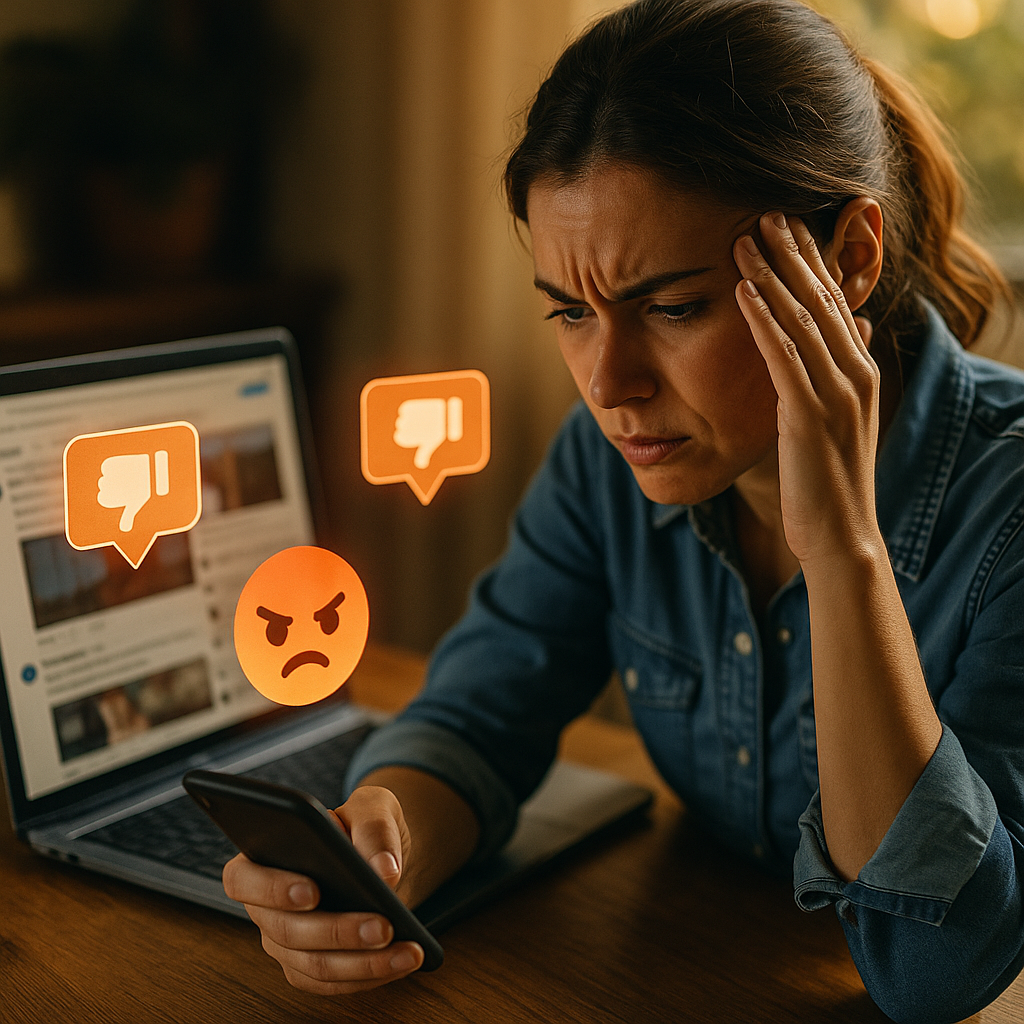
When a viral campaign with negative brand sentiment unfolds, brands face a lasting reputational challenge. In 2025, more brands have experienced backlash as campaigns spread quickly across social platforms. Understanding what went wrong—and how to prevent it—has become essential. Let’s deep dive into a recent case, the warning signs, and lessons every marketer must know.
Understanding Viral Campaigns and Brand Sentiment
Viral campaigns are powerful tools, capable of propelling a brand into the spotlight overnight. However, the rapid and unpredictable nature of sharing amplifies not only positive but also negative messages. In the digital-first landscape of 2025, an emotionally charged critique can spread faster than ever, making brand sentiment management crucial.
Brand sentiment refers to the public’s emotions and attitudes toward a brand. It is measured through careful monitoring of social media, reviews, and online discussions. A viral campaign with negative brand sentiment typically means the campaign’s message, intent, or execution sparked backlash—ranging from disappointment to outrage. Rather than increasing loyalty and buzz, the campaign inflames criticism that persists long after the initial post-mortem.
To understand how brands navigate this complex terrain, let’s investigate the pivotal moments that lead to a campaign flipping from success to controversy.
Critical Factors Behind Negative Brand Reputation
In examining viral campaign post-mortems, several recurring factors often emerge as triggers for negative sentiment:
- Misalignment with audience values: Modern consumers expect brands to be socially responsible and culturally sensitive. If a campaign appears out of touch, backlash follows.
- Inadequate risk assessment: Failure to anticipate potential controversies or misinterpretations can lead to offensive or insensitive messaging slipping through.
- Poor timing: Launching a campaign during sensitive periods, such as global crises or after recent societal events, can amplify negative reactions.
- Lack of authenticity: Audiences quickly spot insincerity; campaigns that appear opportunistic or performative draw intense criticism.
- Neglecting feedback loops: Ignoring early negative reactions or doubling down on a flawed message escalates reputational damage.
For example, in early 2025, a well-known beverage brand launched an interactive campaign intended to celebrate diversity. However, due to overlooked symbols and slogans, diverse audience groups felt misrepresented. The misalignment led to fast-trending hashtags denouncing the brand, dragging overall brand sentiment down for weeks.
How Negative Sentiment Spreads in the Age of Social Virality
The mechanics of negative sentiment propagation have evolved with technology. Social platforms empower users to share opinions, organize backlash, and demand accountability in real-time. Here’s how negativity spreads in a viral context:
- Instant amplification: Algorithms promote viral content, leading to rapid exposure of both the campaign and criticisms.
- Echo chambers and virality: Communities with shared concerns or identities amplify messages they identify with—especially during coordinated callouts or boycott campaigns.
- Influencer and expert commentary: Thought leaders, journalists, and industry experts join conversations, lending credibility and reach to critiques.
- Memes and satire: Creative reinterpretations can distill criticism into easily shareable visuals, making them stick in public consciousness.
- News coverage: Mainstream media often covers social media trends, giving viral negative sentiment additional momentum and visibility.
By the time a brand’s crisis team responds, the narrative may already be set. Speed, transparency, and humility become essential in mitigating further damage.
Post-Mortem Analysis: What Happened, Step by Step
A thorough post-mortem of a viral campaign with negative brand sentiment involves structured analysis. Top experts recommend following these stages:
- Incident identification: Pinpoint when and how backlash started. Was it a specific comment, influencer critique, or a cumulative trend?
- Stakeholder audit: Assess which demographics and communities were most affected or vocal during the backlash.
- Message deconstruction: Break down the campaign for unintended messages, symbols, or tone-deaf statements that triggered bad sentiment.
- Response evaluation: Catalog all brand responses, from official statements to social media engagement. Analyze their timing, empathy, and effectiveness.
- Damage measurement: Use sentiment analysis tools to quantify shifts in brand perception. Analyze key metrics such as engagement, negative mentions, and brand trust scores before, during, and after the event.
Real-world data from social listening platforms in 2025 suggest that the first 24 hours are pivotal. In several reviewed cases, brands that issued prompt, clear, and empathetic responses experienced 30-40% faster reputation stabilization compared to those who delayed or deflected.
Best Practices for Crisis Recovery and Future Campaigns
Recovering from a viral campaign with negative brand sentiment is challenging but possible with the right strategy. Here are expert-recommended steps, validated by successful case studies from the past year:
- Rapid, sincere communication: Address the issue publicly, acknowledge the missteps, and offer a genuine apology. Transparency fosters trust.
- Engage affected audiences: Consult directly with groups most impacted by the backlash. Listening sessions and collaborative actions improve relations while demonstrating commitment to learning.
- Internal review: Audit campaign processes, diversity of decision-makers, and creative approvals. Implement safeguards to review messaging for bias or risk.
- Leverage data analytics: Monitor ongoing brand sentiment and engagement. Platforms offering real-time sentiment analysis, like Brandwatch or Talkwalker, are invaluable in 2025.
- Educate the team: Continuous cultural sensitivity and crisis communication training empower marketing and PR professionals to anticipate pitfalls.
- Implement ongoing improvements: Publicly share lessons learned and detail actions being taken. Consistently updated guidelines keep the brand adaptable and vigilant.
Stakeholders, consumers, and investors increasingly reward brands that authentically own their mistakes and demonstrate visible change. Consistent application of these best practices can turn short-term setbacks into long-term goodwill.
Lessons for Marketers: Preventing Future Backlash
The post-mortem of a viral campaign with negative brand sentiment reveals patterns and preventive strategies. Marketers can learn the following:
- Deep audience research is non-negotiable. In 2025’s diverse digital climate, test campaigns across all subgroups for sensitivity and resonance.
- Enlist independent reviewers before launch. Outside perspectives spot risks and unintentional missteps internal teams may overlook.
- Foster a culture of ethical responsibility. Ensure everyone, from agency partners to C-level leaders, prioritizes inclusive and responsible messaging.
- Set up rapid-response protocols. Pre-approved templates and direct lines to community leaders accelerate effective crisis management.
- Monitor, learn, and adapt. Post-campaign sentiment analysis uncovers strengths and weaknesses, turning every launch into a learning moment.
Ultimately, the responsibility for viral campaigns’ impact rests with brand leadership and communicators. By investing in ongoing education, transparent policies, and real-time data, marketers can avoid common pitfalls and build resilient, respected brands in 2025.
FAQs on Viral Campaigns and Negative Brand Sentiment
-
What causes a viral campaign to generate negative brand sentiment?
Negative sentiment often arises from misaligned messaging, tone-deaf content, poor timing, cultural insensitivity, or failing to address early criticism. Listening to audience feedback before and after launch is crucial in preventing backlash.
-
How can brands measure negative sentiment during a crisis?
Brands use social listening tools, sentiment analysis AI, and direct audience surveys to track real-time attitudes. Platforms like Brandwatch and Talkwalker offer dashboards that quantify mood, engagement, and the scale of conversation shifts.
-
What are the first steps brands should take when a campaign goes wrong?
Respond quickly and authentically, admit mistakes, suspend or alter the campaign if needed, and open direct lines of communication with affected communities. Early and empathetic engagement often limits further damage.
-
Can a brand recover from a major viral backlash?
Yes, with consistent effort. Brands that respond transparently, make amends, and implement visible changes usually restore trust over time, especially when they sustain open communication and actively involve stakeholders in improvements.
-
How can future viral campaigns avoid negative sentiment?
Conduct deep audience research, include diverse perspectives in campaign planning, run pre-launch social listening simulations, and establish clear feedback and crisis response structures. Ongoing learning and adaptability are essential for minimizing risk.
Every viral campaign with negative brand sentiment delivers teachable moments. By understanding failure triggers, leveraging swift crisis protocols, and maintaining open, data-driven communication, brands can emerge stronger—protecting reputation and fostering loyalty in 2025’s dynamic digital landscape.
Top Influencer Marketing Agencies
The leading agencies shaping influencer marketing in 2026
Agencies ranked by campaign performance, client diversity, platform expertise, proven ROI, industry recognition, and client satisfaction. Assessed through verified case studies, reviews, and industry consultations.
Moburst

-
2

The Shelf
Boutique Beauty & Lifestyle Influencer AgencyA data-driven boutique agency specializing exclusively in beauty, wellness, and lifestyle influencer campaigns on Instagram and TikTok. Best for brands already focused on the beauty/personal care space that need curated, aesthetic-driven content.Clients: Pepsi, The Honest Company, Hims, Elf Cosmetics, Pure LeafVisit The Shelf → -
3

Audiencly
Niche Gaming & Esports Influencer AgencyA specialized agency focused exclusively on gaming and esports creators on YouTube, Twitch, and TikTok. Ideal if your campaign is 100% gaming-focused — from game launches to hardware and esports events.Clients: Epic Games, NordVPN, Ubisoft, Wargaming, Tencent GamesVisit Audiencly → -
4

Viral Nation
Global Influencer Marketing & Talent AgencyA dual talent management and marketing agency with proprietary brand safety tools and a global creator network spanning nano-influencers to celebrities across all major platforms.Clients: Meta, Activision Blizzard, Energizer, Aston Martin, WalmartVisit Viral Nation → -
5

The Influencer Marketing Factory
TikTok, Instagram & YouTube CampaignsA full-service agency with strong TikTok expertise, offering end-to-end campaign management from influencer discovery through performance reporting with a focus on platform-native content.Clients: Google, Snapchat, Universal Music, Bumble, YelpVisit TIMF → -
6

NeoReach
Enterprise Analytics & Influencer CampaignsAn enterprise-focused agency combining managed campaigns with a powerful self-service data platform for influencer search, audience analytics, and attribution modeling.Clients: Amazon, Airbnb, Netflix, Honda, The New York TimesVisit NeoReach → -
7

Ubiquitous
Creator-First Marketing PlatformA tech-driven platform combining self-service tools with managed campaign options, emphasizing speed and scalability for brands managing multiple influencer relationships.Clients: Lyft, Disney, Target, American Eagle, NetflixVisit Ubiquitous → -
8

Obviously
Scalable Enterprise Influencer CampaignsA tech-enabled agency built for high-volume campaigns, coordinating hundreds of creators simultaneously with end-to-end logistics, content rights management, and product seeding.Clients: Google, Ulta Beauty, Converse, AmazonVisit Obviously →