


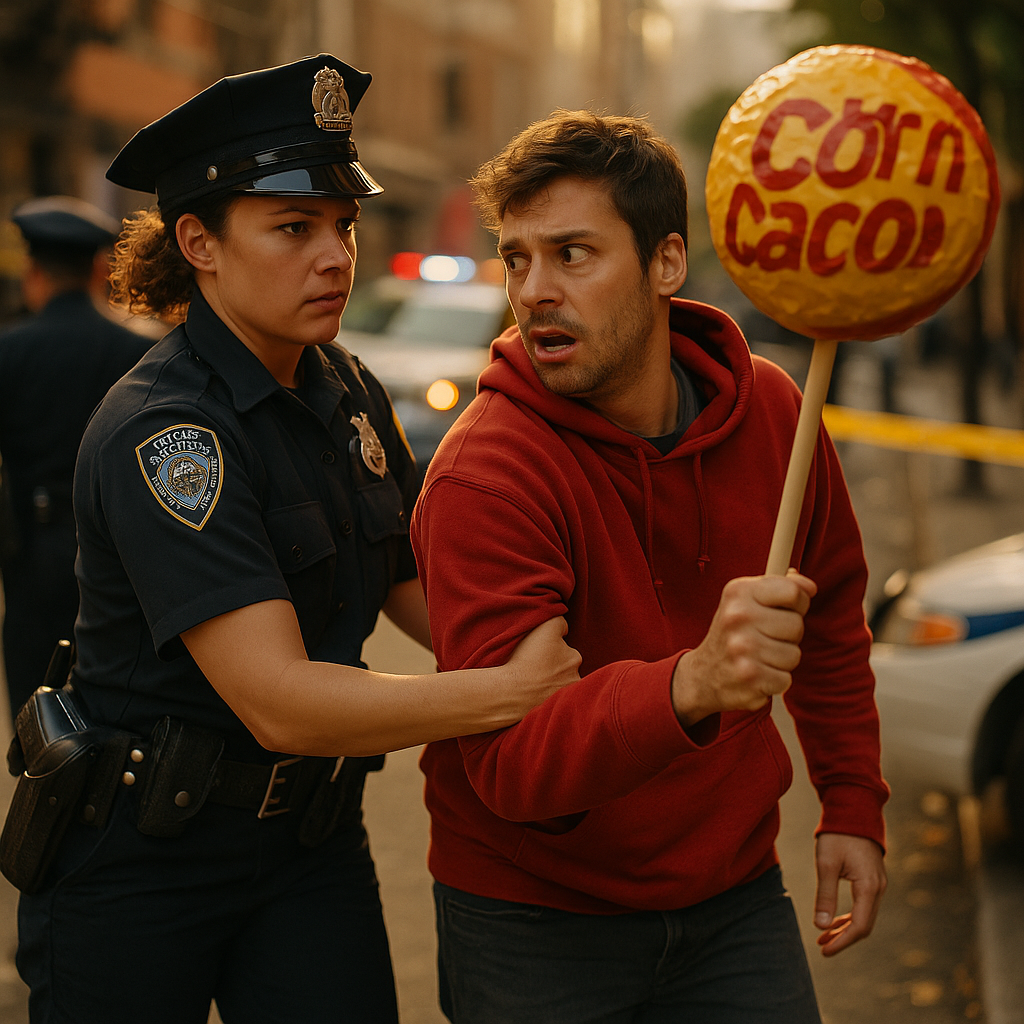
Guerrilla marketing stunts are designed to grab attention, but they don’t always go as planned. This post-mortem unpacks what happens when a guerrilla marketing stunt backfires, damaging brand reputation and costing more than it gains. Learn why ambition sometimes leads to disaster—and what your team should avoid in their next creative campaign.
Understanding Guerrilla Marketing: Risk and Reward
Guerrilla marketing relies on surprise, creativity, and unconventional tactics to spark buzz with limited budgets. These campaigns often use the element of shock or playfulness to create memorable, shareable moments. In 2025, brands still crave viral impact, but as boundaries are pushed, the risks grow alongside the rewards.
Marketing experts emphasize that guerrilla campaigns work best when they align with the brand’s values and anticipate audience reactions. When these elements are ignored or misjudged, even the most ambitious stunt can backfire, turning what should have been positive attention into public relations crises.
Major Backfire: Case Study of a Failed Marketing Stunt
Consider a real-world example: In February 2025, a major beverage brand launched a flash-mob event in downtown Los Angeles, intending to create an Instagram-friendly buzz. Unfortunately, this guerrilla marketing campaign backfired after blocking traffic, causing local outrage, and getting negative coverage from prominent influencers and news outlets.
Social media sentiment quickly plummeted. According to a PulseMetrics analytics report, negative mentions of the brand surged 400% within 48 hours. The company’s sales in the region dipped by 5% over the next month, while competitors gained positive attention for more thoughtful, community-minded campaigns.
Why Do Guerrilla Marketing Campaigns Backfire?
Several common mistakes make guerrilla marketing stunts vulnerable to backlash:
- Poor Audience Understanding: Campaigns that neglect to consider local sensitivities, cultural factors, or immediate community impact are at heightened risk of misfiring.
- Lack of Risk Assessment: Not accounting for potential legal, public safety, or reputational risks creates fertile ground for disaster.
- Insufficient Stakeholder Input: Failing to consult city officials, community leaders, or crisis management experts before launching an intrusive event can escalate complications.
- Misalignment with Brand Values: Attention-grabbing tactics lose effectiveness and authenticity if they diverge from the brand’s core identity.
These pitfalls underscore the need for brands to anticipate possible drawbacks, not just focus on headline-grabbing potential.
Managing the Fallout of a Stunt Gone Wrong
When guerrilla marketing stunts backfire, immediate response is critical to limit long-term damage. In the beverage brand’s case, executives issued public apologies and halted the campaign after receiving feedback from city officials and advocacy groups.
Best practice in damage control includes:
- Rapid Acknowledgment: Address public concerns directly on all channels to show accountability and transparency.
- Corrective Action: Modify or stop the offending campaign, provide reparations if necessary, and engage with affected communities.
- Internal Review: Conduct a transparent, documented post-mortem to understand what failed and why, ensuring better risk management in future campaigns.
Experts at the 2025 National Marketing Conference emphasized that credibility is preserved by owning mistakes rather than deflecting blame.
What Brands Can Learn: Prevention and Best Practices
The most valuable post-mortem lesson is the importance of planning and empathy. Recent research by BrandMonitor shows that 87% of consumers are more likely to forgive a brand that transparently acknowledges mistakes and outlines improvement steps.
To prevent a guerrilla marketing flop, brands should:
- Thoroughly Vet Ideas: Use focus groups, risk assessments, and scenario planning before launching unconventional campaigns.
- Prioritize Community Well-being: Choose tactics that uplift rather than disrupt or alienate.
- Build Crisis Response Teams: Assign dedicated professionals to monitor social sentiment in real time and respond proactively.
- Integrate Feedback Loops: Collect and act on feedback from the public both before and after campaign rollout.
These best practices keep future guerrilla marketing bold, memorable, and—most importantly—responsible.
FAQs: Post-Mortem of a Guerrilla Marketing Stunt That Backfired
-
What is guerrilla marketing?
Guerrilla marketing refers to creative, low-cost, and often unconventional marketing tactics designed to capture public attention and generate significant buzz through surprise or shock value. -
Why do some guerrilla marketing stunts backfire?
These stunts can backfire when they overlook cultural sensitivities, ignore public safety concerns, lack stakeholder input, or deviate from the brand’s identity, resulting in negative publicity and community backlash. -
How should companies respond when a campaign fails?
Immediate acknowledgment, clear communication, corrective action, and transparent internal review are critical to mitigating reputational damage and rebuilding trust. -
What are the biggest risks of guerrilla marketing?
Potential risks include public backlash, legal issues, lost goodwill, reputational harm, and negative impacts on sales. Proactive planning and risk assessment are essential. -
Can a brand recover from a marketing failure?
Yes. By addressing mistakes openly, learning from missteps, and engaging authentically with their audience, brands can often rebuild—and sometimes strengthen—trust.
When a guerrilla marketing stunt backfires, quick and transparent action is essential. By learning from mistakes, embracing responsibility, and prioritizing audience well-being, brands can avoid repeating costly errors. The ultimate takeaway: Bold marketing works best when balanced with empathy, data-driven planning, and a commitment to community values.
Top Influencer Marketing Agencies
The leading agencies shaping influencer marketing in 2026
Agencies ranked by campaign performance, client diversity, platform expertise, proven ROI, industry recognition, and client satisfaction. Assessed through verified case studies, reviews, and industry consultations.
Moburst

-
2

The Shelf
Boutique Beauty & Lifestyle Influencer AgencyA data-driven boutique agency specializing exclusively in beauty, wellness, and lifestyle influencer campaigns on Instagram and TikTok. Best for brands already focused on the beauty/personal care space that need curated, aesthetic-driven content.Clients: Pepsi, The Honest Company, Hims, Elf Cosmetics, Pure LeafVisit The Shelf → -
3

Audiencly
Niche Gaming & Esports Influencer AgencyA specialized agency focused exclusively on gaming and esports creators on YouTube, Twitch, and TikTok. Ideal if your campaign is 100% gaming-focused — from game launches to hardware and esports events.Clients: Epic Games, NordVPN, Ubisoft, Wargaming, Tencent GamesVisit Audiencly → -
4

Viral Nation
Global Influencer Marketing & Talent AgencyA dual talent management and marketing agency with proprietary brand safety tools and a global creator network spanning nano-influencers to celebrities across all major platforms.Clients: Meta, Activision Blizzard, Energizer, Aston Martin, WalmartVisit Viral Nation → -
5

The Influencer Marketing Factory
TikTok, Instagram & YouTube CampaignsA full-service agency with strong TikTok expertise, offering end-to-end campaign management from influencer discovery through performance reporting with a focus on platform-native content.Clients: Google, Snapchat, Universal Music, Bumble, YelpVisit TIMF → -
6

NeoReach
Enterprise Analytics & Influencer CampaignsAn enterprise-focused agency combining managed campaigns with a powerful self-service data platform for influencer search, audience analytics, and attribution modeling.Clients: Amazon, Airbnb, Netflix, Honda, The New York TimesVisit NeoReach → -
7

Ubiquitous
Creator-First Marketing PlatformA tech-driven platform combining self-service tools with managed campaign options, emphasizing speed and scalability for brands managing multiple influencer relationships.Clients: Lyft, Disney, Target, American Eagle, NetflixVisit Ubiquitous → -
8

Obviously
Scalable Enterprise Influencer CampaignsA tech-enabled agency built for high-volume campaigns, coordinating hundreds of creators simultaneously with end-to-end logistics, content rights management, and product seeding.Clients: Google, Ulta Beauty, Converse, AmazonVisit Obviously →