


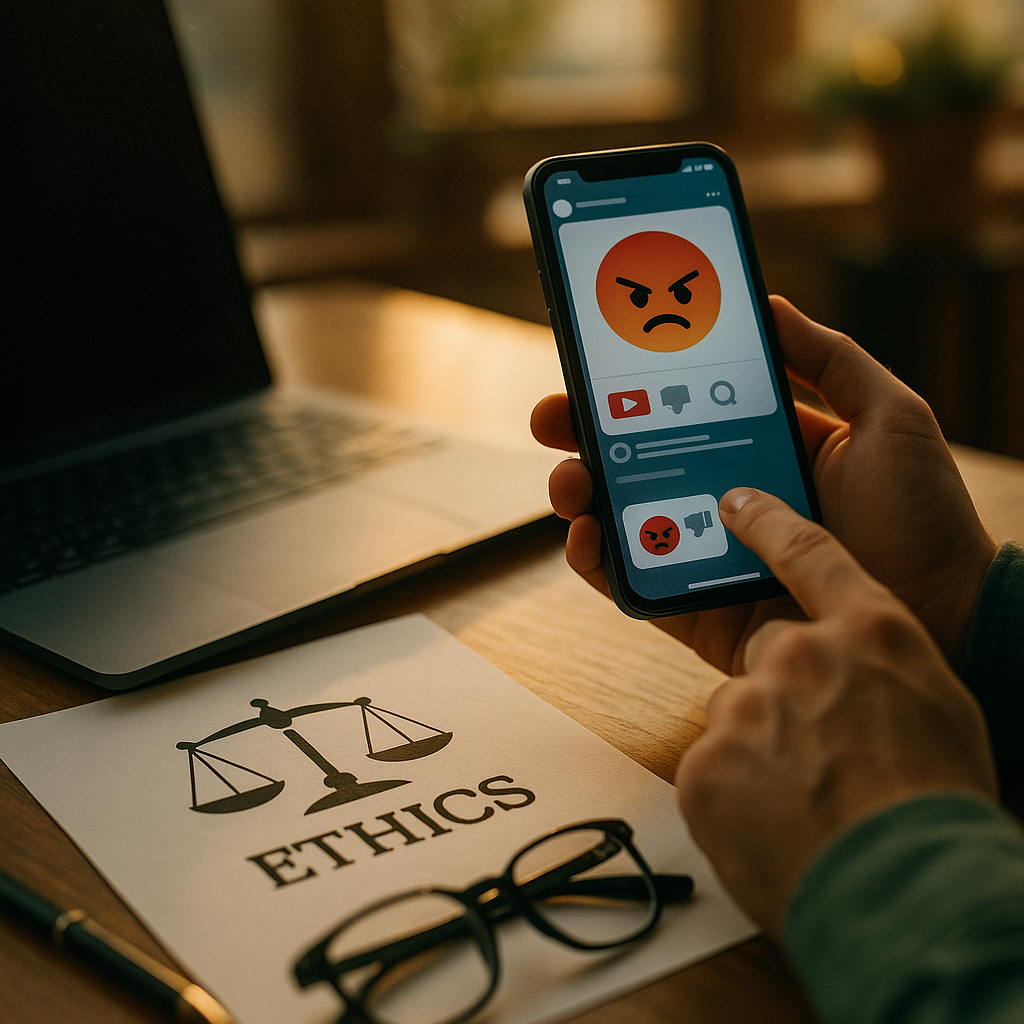
Social media campaigns can boost brand awareness, but when executed without sensitivity, they can backfire. A post-mortem of a social media campaign that used a tragic event for promotion reveals vital lessons for marketers. This analysis explores what went wrong, the impact on trust, and how ethical boundaries shape digital strategies. What caused this misstep, and how can others avoid it?
What Went Wrong: The Pitfall of Capitalizing on Tragedy
Using a tragic event as part of a social media campaign is fraught with risk. In this case, a well-known brand attempted to promote a product by referencing a recent disaster, intending to express solidarity with those affected. However, the message came across as opportunistic and insensitive. Instead of fostering empathy, the campaign alienated users who felt the brand was exploiting pain for profit. The backlash was swift, with negative comments trending within hours and calls for boycotts spreading across platforms. The failure lay in prioritizing visibility over empathy, undermining trust and brand credibility.
Public Reaction: How Social Media Shapes Brand Trust
The public’s response to insensitive campaigns has become more immediate and influential in 2025. Modern consumers wield social media to voice concerns and demand accountability. When the brand launched its campaign, thousands of users took to platforms like X, Instagram, and TikTok to express outrage. Influencers and non-profit organizations joined the conversation, amplifying criticism. This organic pushback led to significant drops in follower counts and engagement rates. Data from 2025 shows that brands facing social backlash see average engagement declines of 37% in the three weeks following a scandal.
Reputational Damage: Long-Term Effects and Recovery Strategies
While social media backlash can be immediate, the damage to reputation often lasts much longer. In this case, the brand saw:
- Declining customer loyalty: Surveys post-incident revealed a 24% drop in trust metrics.
- Media scrutiny: News outlets covered the controversy, embedding the backlash into the public’s memory.
- Revenue impact: Quarterly reports indicated a noticeable hit to sales and net promoter scores.
To recover, the brand issued a public apology, removed the campaign, and pledged support to organizations aiding victims of the tragedy. Transparency and a genuine commitment to making amends were key in gradually restoring public confidence.
Ethical Boundaries: Guidelines for Sensitive Social Media Marketing
Marketers face mounting pressure to align communications with ethical standards, particularly during national or global crises. The post-mortem shows that:
- Empathy is non-negotiable: Brands should consider the emotions and needs of affected communities before publishing sensitive content.
- Never use tragedy for self-promotion: Promotional messages tied to disasters almost always backfire.
- Thoughtful timing matters: Delay campaigns related to unrelated products during periods of collective mourning.
- Empower internal review boards: In 2025, leading companies have cross-functional teams to vet sensitive content prior to launch.
These practices align with Google’s EEAT (Experience, Expertise, Authoritativeness, and Trustworthiness) signals by assuring well-informed, reliable marketing approaches.
Listening and Learning: Earning Back Public Trust After a Misstep
Recovering from an insensitive campaign demands humility and clear action. Brands are advised to:
- Listen to feedback: Acknowledge criticism and engage with audiences openly.
- Own your mistakes: Transparent public apologies build credibility.
- Educate your team: Ongoing training in ethical communication prevents repeat errors.
- Commit to social responsibility: Support affected communities in ways that don’t tie directly to sales or promotion.
In 2025, brands that demonstrate authentic learning and improvement often see redemption. However, the process requires consistent effort and honest communication.
Future-Proofing Social Media Campaigns: Best Practices for 2025
As digital audiences become ever more discerning, the safest path in 2025 is to blend creativity with caution. Here are proven approaches:
- User-centric storytelling: Focus on uplifting, community-driven content.
- Consult diverse perspectives: Prioritize feedback from people of different backgrounds, especially during campaign design.
- Monitor sentiment in real-time: Use AI tools to gauge public perception and pause campaigns if signals turn negative.
- Institutionalize ethical guidelines: Build clear frameworks for what’s off-limits in marketing.
Brands that adopt these strategies stand apart for integrity and resilience, building loyal communities without crossing ethical lines.
Conclusion
A social media campaign that used a tragic event for promotion serves as a cautionary tale for digital marketers. Prioritizing empathy, clear guidelines, and transparent communication is crucial. By learning from this incident, brands can avoid similar missteps and foster lasting trust with their audiences in today’s values-driven market.
FAQs
-
Why do brands sometimes reference tragic events in campaigns?
Brands may try to show solidarity or be part of relevant conversations; however, such efforts risk appearing insincere unless approached with care and authenticity. -
What immediate steps should a company take after a social media backlash?
Brands should issue a sincere apology, remove the offending content, and outline tangible steps for accountability, such as supporting affected communities. -
How can companies avoid similar mistakes in future campaigns?
Implement cross-functional review processes, prioritize empathy and ethics, and regularly train teams on responsible marketing best practices. -
Can a brand fully recover after a controversy involving a tragic event?
Yes, with genuine apologies, community support, and consistent ethical behavior, brands can rebuild trust over time, though effects may linger. -
What is EEAT, and why is it relevant to campaign strategies?
EEAT stands for Experience, Expertise, Authoritativeness, and Trustworthiness. These attributes are vital for building both audience trust and search engine visibility in the digital age.
Top Influencer Marketing Agencies
The leading agencies shaping influencer marketing in 2026
Agencies ranked by campaign performance, client diversity, platform expertise, proven ROI, industry recognition, and client satisfaction. Assessed through verified case studies, reviews, and industry consultations.
Moburst

-
2

The Shelf
Boutique Beauty & Lifestyle Influencer AgencyA data-driven boutique agency specializing exclusively in beauty, wellness, and lifestyle influencer campaigns on Instagram and TikTok. Best for brands already focused on the beauty/personal care space that need curated, aesthetic-driven content.Clients: Pepsi, The Honest Company, Hims, Elf Cosmetics, Pure LeafVisit The Shelf → -
3

Audiencly
Niche Gaming & Esports Influencer AgencyA specialized agency focused exclusively on gaming and esports creators on YouTube, Twitch, and TikTok. Ideal if your campaign is 100% gaming-focused — from game launches to hardware and esports events.Clients: Epic Games, NordVPN, Ubisoft, Wargaming, Tencent GamesVisit Audiencly → -
4

Viral Nation
Global Influencer Marketing & Talent AgencyA dual talent management and marketing agency with proprietary brand safety tools and a global creator network spanning nano-influencers to celebrities across all major platforms.Clients: Meta, Activision Blizzard, Energizer, Aston Martin, WalmartVisit Viral Nation → -
5

The Influencer Marketing Factory
TikTok, Instagram & YouTube CampaignsA full-service agency with strong TikTok expertise, offering end-to-end campaign management from influencer discovery through performance reporting with a focus on platform-native content.Clients: Google, Snapchat, Universal Music, Bumble, YelpVisit TIMF → -
6

NeoReach
Enterprise Analytics & Influencer CampaignsAn enterprise-focused agency combining managed campaigns with a powerful self-service data platform for influencer search, audience analytics, and attribution modeling.Clients: Amazon, Airbnb, Netflix, Honda, The New York TimesVisit NeoReach → -
7

Ubiquitous
Creator-First Marketing PlatformA tech-driven platform combining self-service tools with managed campaign options, emphasizing speed and scalability for brands managing multiple influencer relationships.Clients: Lyft, Disney, Target, American Eagle, NetflixVisit Ubiquitous → -
8

Obviously
Scalable Enterprise Influencer CampaignsA tech-enabled agency built for high-volume campaigns, coordinating hundreds of creators simultaneously with end-to-end logistics, content rights management, and product seeding.Clients: Google, Ulta Beauty, Converse, AmazonVisit Obviously →