


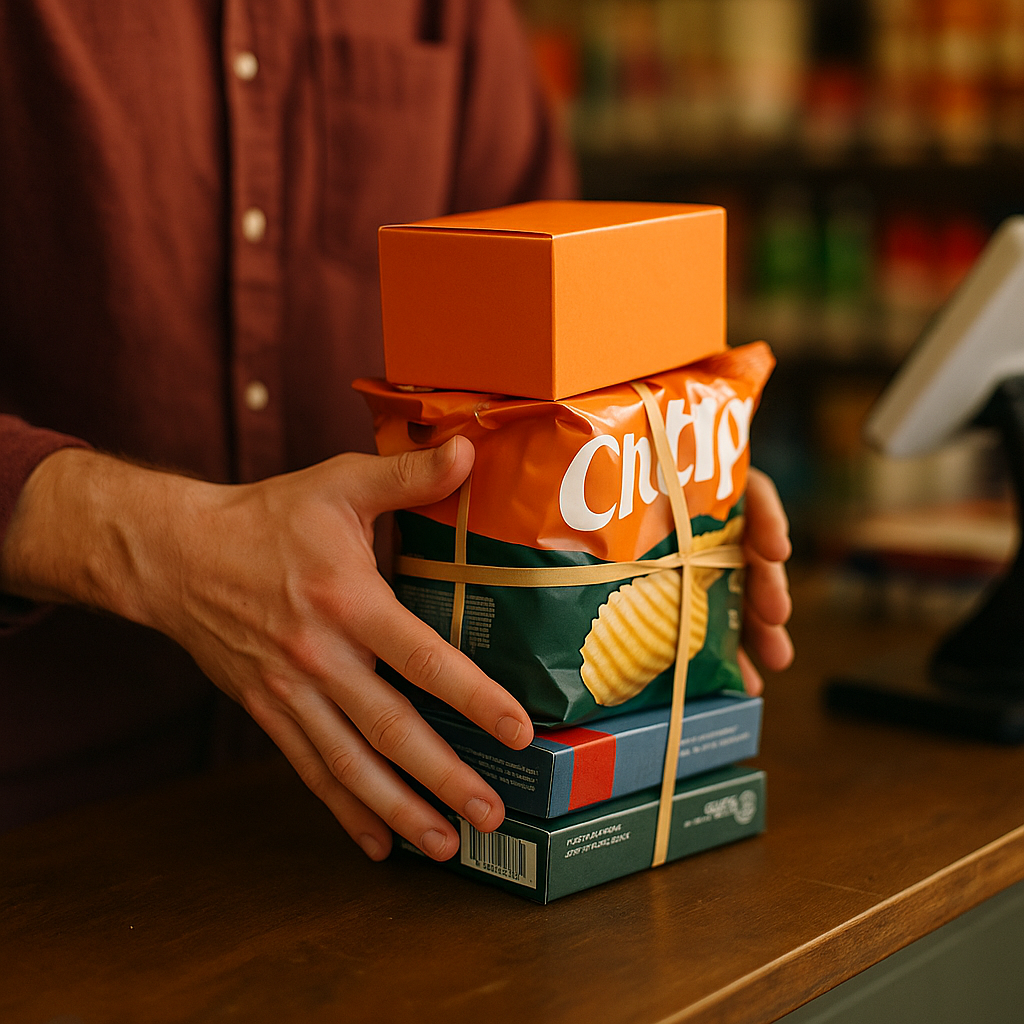
In 2026, the neo collectivism trend is reshaping how people shop, subscribe, and share value. Consumers increasingly prefer bundles that reduce effort, lower perceived risk, and create a sense of belonging around products, services, and communities. This shift is not just economic; it reflects changing identities, digital habits, and trust patterns. What makes bundled buying so compelling now?
How the bundle buying behavior reflects modern consumer psychology
Bundle buying behavior is no longer limited to cable packages or holiday gift sets. It now appears across streaming, wellness, software, grocery delivery, beauty, gaming, and finance. Consumers are choosing coordinated sets of products and services because bundles simplify decisions in an environment overloaded with choice.
From a behavioral perspective, bundles work because they reduce cognitive effort. When a brand pre-selects complementary items, the buyer avoids researching every option separately. That convenience matters in 2026, when consumers face constant notifications, price changes, and algorithmic recommendations. A good bundle acts like a shortcut without feeling careless.
Bundles also increase perceived value. Even when the savings are modest, the presentation of several items together can feel more rewarding than a single purchase. This is a well-established retail effect: people often judge value in relative rather than absolute terms. If one purchase appears to unlock more utility, it feels smarter.
There is also an emotional layer. Many buyers associate bundles with preparedness and completeness. A skincare kit, a creator software suite, or a family meal plan suggests that nothing essential has been missed. That sense of “I have what I need” lowers anxiety and boosts purchase confidence.
For brands, the lesson is clear: consumers do not only buy items. They buy reduced friction, perceived expertise, and peace of mind.
Why consumer bundling trends are tied to neo collectivism
The rise of consumer bundling trends is closely connected to neo collectivism, a social shift in which people seek shared identity, coordinated behavior, and practical interdependence without rejecting individual choice. Unlike old forms of collectivism, this version is digitally mediated, opt-in, and highly personalized.
Consumers increasingly define themselves through communities: fitness circles, fandoms, parent groups, gaming clans, local buying networks, sustainability-minded households, and creator audiences. These communities influence not just what people buy, but how they prefer to buy it. Bundles fit naturally into this mindset because they support group norms and collective habits.
Consider how this plays out in daily life:
- Friends subscribe to the same entertainment or meal platforms to share experiences.
- Families choose bundled household services to centralize spending and reduce admin work.
- Communities rally around curated product drops that signal values or membership.
- Work teams adopt software suites because integration supports shared productivity.
Neo collectivism does not erase personal preference. Instead, it reframes choice around belonging, interoperability, and participation. A buyer may still want uniqueness, but often within a system that makes group coordination easier.
This matters because bundles can express identity. A sustainability bundle with refillable household products, a wellness bundle that combines supplements and telehealth, or a gaming bundle with access, content, and community perks gives consumers more than utility. It gives them a ready-made way to live according to a set of values.
Brands that understand this avoid treating bundles as mere discount mechanics. They design bundles as social products: packages that help people align with family, peer, or community expectations while still feeling personally relevant.
The social commerce bundles effect on trust, belonging, and conversion
Social commerce bundles are becoming especially effective because buying decisions increasingly happen in environments shaped by creators, peer reviews, and real-time community feedback. In these contexts, bundles perform well because they make recommendations easier to communicate and easier to trust.
A single product recommendation often raises questions. Is it enough on its own? What else do I need? Will it work with my routine? A bundle answers those follow-up concerns upfront. That makes it highly shareable in short-form video, livestream selling, community forums, and creator storefronts.
Trust also rises when a bundle appears curated rather than assembled for margin alone. Consumers have become more skilled at spotting lazy upsells. They respond better when there is a clear reason the bundle exists, such as compatibility, routine-building, cost efficiency, or shared use across a household.
Belonging plays a major role here. When people see others adopt the same bundle, they perceive validation. This is especially strong in categories where routines matter, including wellness, parenting, learning, food, and home management. A bundle can become a social template: the standard starter set, the community favorite, the “everyone uses this” option.
That social proof supports conversion, but only when brands maintain credibility. Helpful content matters. Product pages and landing pages should clearly explain:
- Who the bundle is for
- Why these items belong together
- How much the buyer saves, in honest terms
- How to use the bundle in daily life
- Whether consumers can customize, swap, or pause elements
This approach aligns with EEAT principles. Experience shows in practical use cases and setup guidance. Expertise appears in accurate product pairing. Authoritativeness grows when a brand explains its reasoning clearly and consistently. Trustworthiness comes from transparent pricing, realistic claims, and visible support policies.
How value perception in bundles changes during economic pressure
Value perception in bundles becomes even more important when households feel budget pressure. In uncertain economic conditions, consumers do not simply buy less. They scrutinize purchases more carefully and favor options that seem efficient, predictable, and easier to justify.
Bundles help on all three fronts. First, they condense multiple decisions into one transaction, which can save time and reduce hidden costs such as extra shipping fees or repeated purchases. Second, they improve budget predictability, especially when structured as subscriptions or recurring plans. Third, they create a stronger purchase narrative: “I covered several needs at once.”
Importantly, consumers in 2026 are not fooled by inflated reference pricing. If the listed savings feel artificial, trust drops fast. The best-performing bundles present value in practical terms, not just percentage discounts. For example:
- One household kit replaces three separate shopping trips
- A software bundle removes the need for multiple single-purpose tools
- A family plan simplifies billing and account management
- A routine bundle improves consistency by including everything needed for the first month
Consumers also respond well to tiered bundle design. Not everyone wants the premium option. A basic, standard, and advanced structure lets buyers match the bundle to their budget and confidence level. This is especially useful for first-time customers who want lower commitment before expanding usage.
Another key factor is waste reduction. Buyers often reject bundles that force unwanted extras. Curated does not mean bloated. The modern consumer wants completeness without clutter. Brands that offer modular bundles, refill options, or selectable components can satisfy both value-seeking and control-seeking behavior.
In short, bundle appeal during economic pressure depends less on “more stuff” and more on relevance, transparency, and efficient problem-solving.
What bundled product strategy brands should use in 2026
A strong bundled product strategy starts with a simple question: what real job is the customer trying to complete? The answer should shape every bundle. Without that discipline, brands create assortments that look promotional but fail to convert or retain users.
The most effective bundles in 2026 usually fit one of these models:
- Starter bundles for first-time users who need a guided entry point.
- Routine bundles for repeat behavior, such as monthly replenishment or weekly use.
- Household bundles designed for shared usage and centralized management.
- Outcome bundles built around a clear goal, such as sleep support, content creation, or home organization.
- Membership bundles that combine products, services, perks, and community access.
Brands should validate bundle concepts using customer support logs, search behavior, checkout data, and post-purchase feedback. These sources reveal what customers commonly buy together, what confuses them, and what missing component causes drop-off. This is more reliable than guessing.
Execution matters just as much as concept. Helpful bundle pages should include concise use cases, compatibility notes, delivery details, and plain-language terms. They should also answer practical objections, such as whether products can be replaced individually, whether the buyer is locked into a subscription, and whether the bundle suits beginners or advanced users.
Customization deserves careful handling. Full customization can sound attractive, but too many options reintroduce the decision fatigue bundles are meant to solve. A better approach is controlled flexibility: a few smart swaps, clear defaults, and personalized recommendations based on use case.
Trust is the deciding factor. To follow EEAT best practices, brands should avoid exaggerated outcome claims and include credible explanations of why the bundle works. If a bundle is assembled by category experts, say so. If it was refined using customer behavior or satisfaction data, explain that process. If there are limitations, be upfront.
Consumers reward competence. They buy bundles when they feel a brand understands their real-life context and has removed unnecessary friction without hiding tradeoffs.
How community-driven purchasing influences loyalty and retention
Community-driven purchasing does more than improve initial sales. It can increase retention because bundles often pull consumers into repeat routines, shared systems, and relationship-based ecosystems. This is where neo collectivism becomes commercially powerful.
Once a bundle is integrated into a household, friend group, or work process, switching becomes less attractive. The value is no longer limited to the products themselves. It includes convenience, familiarity, compatibility, and shared participation. A family mobile plan, a connected wellness subscription, or a creator stack with templates and peer support all benefit from this effect.
Loyalty strengthens further when bundles unlock community features. These can include member-only content, group challenges, shared savings, referral benefits, educational resources, or collaborative use cases. Consumers stay not just because the price works, but because the bundle supports a larger experience.
Still, retention should not rely on lock-in. Forced complexity damages trust. The healthiest loyalty comes from ongoing usefulness. Brands should monitor whether customers are actively using all major bundle components, whether one item drives most of the value, and whether customers understand the full offering after purchase.
Good post-purchase communication is essential. Brands should provide onboarding, reminders, usage tips, and support content that helps customers activate the entire bundle. If people only use one part, they may later feel overcharged. If they understand the complete value, retention improves naturally.
The broader takeaway is that bundled buying is not a passing preference. It reflects how modern consumers balance individuality with shared systems. In 2026, people want products that fit their lives, their budgets, and their communities. Bundles succeed when they meet all three needs at once.
FAQs about the neo collectivism trend and bundled buying
What is the neo collectivism trend?
Neo collectivism is a modern consumer and cultural shift toward shared identity, coordinated behavior, and community-influenced decision-making. It is typically digital, flexible, and voluntary. People still value personal choice, but they increasingly choose within systems shaped by peers, families, creators, and communities.
Why do consumers prefer bundles over single products?
Consumers prefer bundles because they save time, reduce decision fatigue, increase perceived value, and create a sense of completeness. Bundles also lower the risk of buying the wrong combination of products or services.
Are consumers only buying bundles because they are cheaper?
No. Price matters, but convenience, trust, compatibility, and shared use are also major drivers. Many consumers choose bundles because they solve a whole problem at once, not simply because they offer a discount.
How does social media affect bundle sales?
Social media helps bundles perform well because creators and peers can demonstrate how multiple items work together in a real routine. Bundles are easier to explain, showcase, and recommend in short-form content, livestreams, and community discussions.
What types of industries benefit most from bundles?
Industries with repeat use, routines, or complementary products benefit most. These include wellness, beauty, food delivery, software, education, entertainment, gaming, household services, and financial products.
How can a brand create a bundle that feels helpful instead of manipulative?
A helpful bundle has a clear use case, honest pricing, compatible components, and simple explanations. It should remove friction rather than add unwanted extras. Offering limited customization and transparent terms also improves trust.
Do bundles improve customer loyalty?
They can. Bundles often increase retention when they support recurring routines, shared household usage, or community participation. Loyalty is strongest when the bundle remains genuinely useful over time and the brand supports activation after purchase.
What is the biggest mistake brands make with bundles?
The biggest mistake is creating bundles around inventory goals instead of customer needs. When bundles feel random, bloated, or falsely discounted, consumers lose trust quickly.
Consumers buy bundles because they want simpler decisions, stronger value, and products that fit shared routines as well as personal needs. The neo collectivism trend explains why this behavior is accelerating in 2026: people increasingly purchase through the lens of community, coordination, and trust. Brands that build transparent, relevant, and genuinely useful bundles will earn both conversions and longer-term loyalty.
Top Influencer Marketing Agencies
The leading agencies shaping influencer marketing in 2026
Agencies ranked by campaign performance, client diversity, platform expertise, proven ROI, industry recognition, and client satisfaction. Assessed through verified case studies, reviews, and industry consultations.
Moburst

-
2

The Shelf
Boutique Beauty & Lifestyle Influencer AgencyA data-driven boutique agency specializing exclusively in beauty, wellness, and lifestyle influencer campaigns on Instagram and TikTok. Best for brands already focused on the beauty/personal care space that need curated, aesthetic-driven content.Clients: Pepsi, The Honest Company, Hims, Elf Cosmetics, Pure LeafVisit The Shelf → -
3

Audiencly
Niche Gaming & Esports Influencer AgencyA specialized agency focused exclusively on gaming and esports creators on YouTube, Twitch, and TikTok. Ideal if your campaign is 100% gaming-focused — from game launches to hardware and esports events.Clients: Epic Games, NordVPN, Ubisoft, Wargaming, Tencent GamesVisit Audiencly → -
4

Viral Nation
Global Influencer Marketing & Talent AgencyA dual talent management and marketing agency with proprietary brand safety tools and a global creator network spanning nano-influencers to celebrities across all major platforms.Clients: Meta, Activision Blizzard, Energizer, Aston Martin, WalmartVisit Viral Nation → -
5

The Influencer Marketing Factory
TikTok, Instagram & YouTube CampaignsA full-service agency with strong TikTok expertise, offering end-to-end campaign management from influencer discovery through performance reporting with a focus on platform-native content.Clients: Google, Snapchat, Universal Music, Bumble, YelpVisit TIMF → -
6

NeoReach
Enterprise Analytics & Influencer CampaignsAn enterprise-focused agency combining managed campaigns with a powerful self-service data platform for influencer search, audience analytics, and attribution modeling.Clients: Amazon, Airbnb, Netflix, Honda, The New York TimesVisit NeoReach → -
7

Ubiquitous
Creator-First Marketing PlatformA tech-driven platform combining self-service tools with managed campaign options, emphasizing speed and scalability for brands managing multiple influencer relationships.Clients: Lyft, Disney, Target, American Eagle, NetflixVisit Ubiquitous → -
8

Obviously
Scalable Enterprise Influencer CampaignsA tech-enabled agency built for high-volume campaigns, coordinating hundreds of creators simultaneously with end-to-end logistics, content rights management, and product seeding.Clients: Google, Ulta Beauty, Converse, AmazonVisit Obviously →