


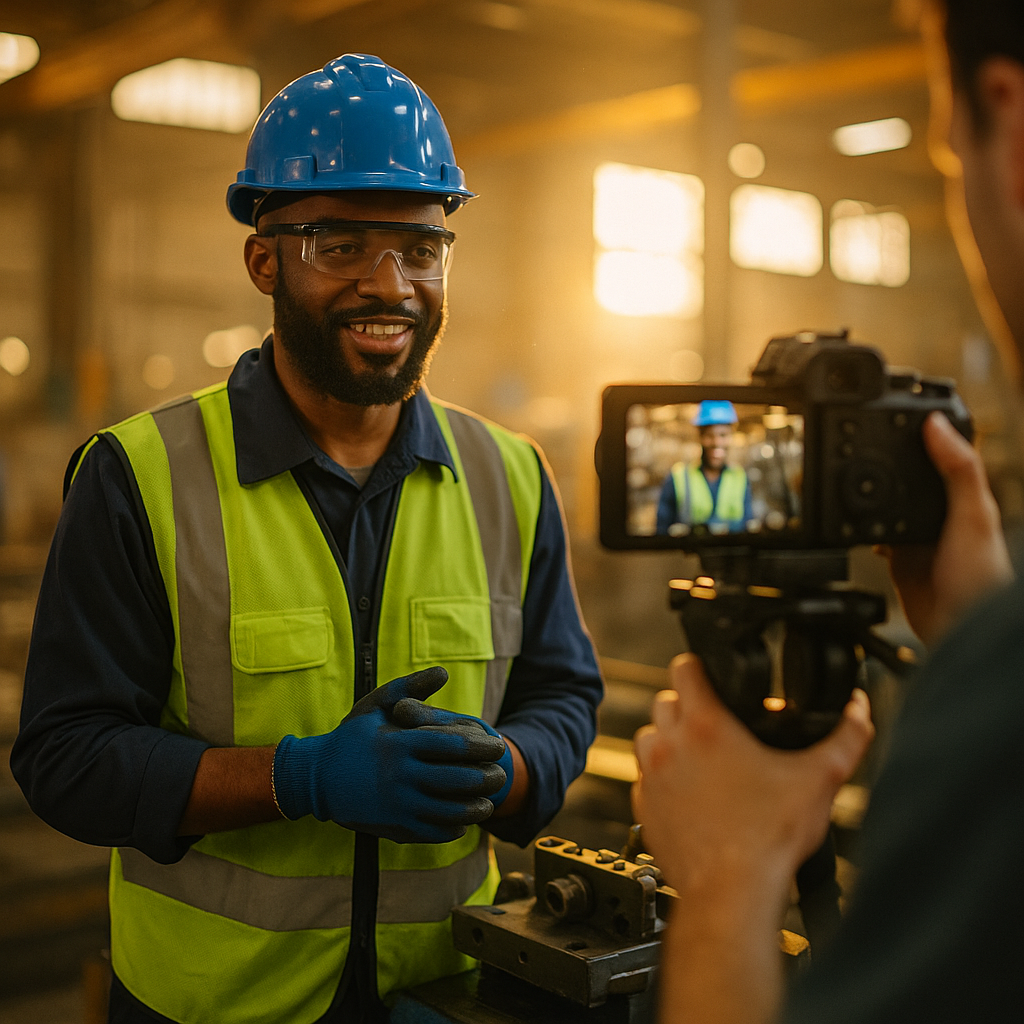
In 2026, manufacturers no longer win hiring battles with job boards alone. This social video recruitment case study shows how one traditional manufacturer repositioned itself for modern candidates, increased qualified applications, and improved retention by telling a more human story online. If your hiring pipeline feels outdated, this example reveals what changed everything for one brand.
Why employer branding for manufacturers matters more in 2026
A mid-sized industrial manufacturer in the American Midwest had a familiar problem: strong products, decades of operational expertise, and weak talent attraction. The company made precision components for transportation and heavy equipment brands. It offered competitive wages, reliable schedules, and advancement opportunities. Yet open roles for CNC operators, maintenance technicians, quality specialists, and production supervisors stayed unfilled for months.
The leadership team initially assumed the labor market alone was to blame. But a closer look showed a deeper issue. Candidates did not understand what it was like to work there. Online, the company looked static, anonymous, and old-fashioned. Its careers page listed openings and benefits, but offered no sense of team culture, modern equipment, leadership accessibility, or employee growth.
This gap matters because today’s candidates research employers the same way consumers research products. They compare reputation, authenticity, and trust signals before they apply. In manufacturing, where outdated stereotypes still influence perception, employer brand can either widen the talent funnel or quietly close it.
The company’s HR director and plant manager agreed on three business goals:
- Increase qualified applicants for hard-to-fill roles
- Reduce time-to-fill without lowering hiring standards
- Improve early retention by attracting candidates aligned with the work environment
Instead of launching another generic hiring campaign, they chose a more direct approach: social video built around real employees, real work, and real career paths.
How a manufacturing recruitment strategy shifted from job posts to social video
The company did not start with expensive brand films or polished corporate messaging. It started with a simple question: what would a qualified candidate want to see before applying?
Through interviews with recent hires, declined candidates, and frontline managers, the team identified five recurring information gaps:
- What does the facility actually look like today?
- Are the machines modern and well-maintained?
- Do supervisors support training and promotion?
- What are shifts, safety standards, and expectations really like?
- Would I fit in with the people already working there?
Those questions shaped the content strategy. Rather than talking about culture, the company would show it. Rather than listing benefits, it would let employees explain why they stayed. Rather than relying on one recruitment video, it would create a repeatable stream of short-form content tailored to different roles and audience segments.
The strategy included:
- Employee spotlight videos featuring operators, technicians, engineers, and supervisors
- Day-in-the-life clips showing actual workflows, environments, and equipment
- Career path stories highlighting internal promotions and training support
- Leadership videos answering practical candidate questions about safety, scheduling, and growth
- Recruiter Q&A clips explaining the application process and how to stand out
- Community and values content connecting the plant’s work to local economic impact
This was not a vanity project. Each video was tied to a specific hiring objective and distributed where target candidates already spent time, especially on mobile-first social platforms. The team also updated the careers page so the videos supported conversion, not just awareness.
One important operational decision made the campaign credible: the company used real employees instead of actors. That choice increased trust and reduced the polished-corporate feel that often weakens recruitment marketing. It also aligned with Google’s helpful content principles by emphasizing direct experience and clear evidence.
What the short-form video for hiring campaign looked like in practice
The campaign rolled out over 12 weeks and focused on consistency over scale. The company published three to four videos per week across LinkedIn, Instagram, Facebook, YouTube Shorts, and its careers page. Some posts also supported paid local targeting for hard-to-fill technical roles.
Each video followed a practical structure:
- Strong opening in the first two seconds, such as “What it’s really like on second shift”
- One clear theme, like training, pay progression, technology, or teamwork
- Natural employee language instead of script-heavy statements
- Visible workplace context, including machinery, team interactions, and safety practices
- Simple call to action, usually directing viewers to a specific job family page
Several creative choices performed especially well:
- Vertical video outperformed landscape for completion rates on mobile devices
- Subtitles improved watch time because many users watched without sound
- Role-specific cuts attracted more qualified interest than broad employer-brand videos
- Manager appearances increased trust when they addressed scheduling flexibility and advancement directly
One top-performing video featured a maintenance technician walking through a preventive maintenance checklist while explaining how the company funded additional certifications. Another showed a production supervisor who started as a machine operator and moved up in under four years. A third answered a common concern head-on: “Is this plant still using outdated equipment?” The video showed clean workstations, digital monitoring screens, and automated systems already in daily use.
This content worked because it answered candidate objections before they became reasons not to apply. It made the employer feel knowable. In recruitment, that is a competitive advantage.
The measurable impact of video hiring campaigns on applications and retention
Within the first full quarter after launch, the manufacturer recorded meaningful changes across the hiring funnel. Exact figures will vary by market and company size, but this case shows the type of business impact social video can create when it is aligned with operations and candidate needs.
The company saw:
- 47% increase in qualified applications for priority plant roles
- 31% reduction in time-to-fill for technician and operator openings
- 22% improvement in careers page conversion rate after embedding video near open roles
- Higher interview show rates because candidates had a clearer picture of the job
- Better 90-day retention among hires who engaged with video content during the application journey
Why did retention improve? Because better storytelling did not just attract more applicants. It filtered for fit. Candidates had already seen the pace of work, the standards, the environment, and the personalities on the floor. That reduced surprises after hiring.
The HR team also reported a qualitative shift in interviews. Candidates came in with more specific questions, stronger motivation, and better awareness of growth opportunities. Managers spent less time correcting assumptions and more time evaluating true job fit.
Another important outcome was internal. Employees who participated in the videos felt recognized and valued. That strengthened engagement and gave the workforce a voice in recruiting future teammates. In a tight labor market, employee advocacy can be more persuasive than any corporate message.
For leaders asking whether this approach only works for large brands, this case suggests the opposite. Traditional manufacturers can often win on authenticity because they have tangible work, visible craftsmanship, real advancement stories, and deep local roots. Social video simply makes those strengths easier to discover.
Lessons in recruitment marketing for industrial companies that others can apply
This manufacturer’s results did not come from posting random videos and hoping for reach. The campaign worked because it followed a disciplined recruitment marketing framework. Several lessons stand out for other industrial employers.
1. Start with candidate questions, not company talking points.
The most effective videos answered practical concerns about equipment, training, safety, shift schedules, and management style. Candidates do not want generic culture claims. They want evidence.
2. Let employees speak in their own words.
Authenticity matters more than polish in hiring content. Real operators, technicians, and supervisors make the employer more credible than scripted brand language.
3. Create content by role, location, and audience intent.
A maintenance candidate and an entry-level assembler do not need the same message. Segmenting video content improves relevance and conversion.
4. Connect social video to the application path.
Awareness alone is not enough. Every video should lead somewhere useful, whether that is a targeted job page, hiring event registration, or recruiter contact form.
5. Show the workplace honestly.
Do not over-romanticize plant work. The company in this case showed the environment clearly, including expectations and standards. That transparency built trust and supported retention.
6. Involve operations, not just HR.
Plant leaders, shift supervisors, and technical employees all shaped the content. That ensured accuracy and made the videos more useful to candidates.
7. Measure hiring outcomes, not vanity metrics.
Views and likes are helpful signals, but the real KPIs are qualified applicants, time-to-fill, interview attendance, acceptance rate, and retention.
These lessons align with EEAT principles because they rely on direct experience, subject-matter input, transparent evidence, and content designed to genuinely help the audience make informed decisions.
Building a scalable social media talent acquisition program in manufacturing
After the initial success, the company moved from campaign mode to an ongoing talent content system. That shift is critical. Hiring needs in manufacturing do not disappear after one quarter, so content should become an operational asset rather than a one-time initiative.
The company built a simple repeatable model:
- Monthly content planning tied to forecasted hiring needs
- Quarterly employee interviews to refresh stories and role coverage
- Template-based editing for faster production across channels
- Cross-functional review involving HR, operations, and safety leads
- Dashboard reporting linking social engagement to applicant quality and hiring outcomes
It also created content for different stages of the talent funnel:
- Awareness: “What we make and why it matters”
- Consideration: “Meet the team” and “What the plant is really like”
- Decision: “How to apply,” “What to expect in interviews,” and “Growth opportunities here”
- Retention support: onboarding stories and peer introductions for new hires
For manufacturers considering this approach, the practical starting point is small. You do not need dozens of videos to begin. You need clarity on the hardest roles to fill, the objections candidates have, and the stories only your employees can tell.
Ask yourself:
- What misconceptions are hurting applications?
- Which employees best represent growth and credibility?
- What does a strong candidate need to see before feeling confident enough to apply?
- Where are local and regional candidates already consuming content?
When those answers guide production, social video stops being a trend and becomes a hiring advantage.
FAQs about social video recruitment for manufacturers
Why is social video effective for manufacturing hiring?
It makes invisible strengths visible. Candidates can see the facility, equipment, people, safety culture, and advancement paths instead of guessing. That reduces uncertainty and increases application confidence.
Which platforms work best for manufacturer recruitment videos?
It depends on role and geography, but LinkedIn, Instagram, Facebook, and YouTube Shorts are common starting points. For many plants, local targeting on mainstream social platforms performs better than relying on a single channel.
Do recruitment videos need high production value?
No. Clear audio, good lighting, captions, and authentic employee stories matter more than cinematic production. Candidates usually respond better to honest, useful content than overproduced brand pieces.
What types of videos attract skilled trades and technical candidates?
Day-in-the-life videos, equipment walkthroughs, certification and training stories, supervisor Q&As, and employee career progression clips tend to perform well because they answer practical job-related questions.
How can manufacturers measure ROI from social video hiring?
Track qualified applications, time-to-fill, cost per qualified applicant, interview show rate, offer acceptance, and retention. Compare these metrics before and after introducing video into the recruitment funnel.
Can small or mid-sized manufacturers use this strategy successfully?
Yes. In many cases, smaller manufacturers have an advantage because their stories are more personal and community-based. A focused, role-specific video strategy can outperform broad employer-brand campaigns.
How often should a manufacturer post recruitment videos?
Consistency matters more than volume. A practical starting point is two to four short videos per week for priority roles, supported by updates to the careers page and occasional paid promotion.
What mistakes should manufacturers avoid?
Avoid generic messaging, unrealistic portrayals of plant work, disconnected calls to action, and content created without input from operations. If the videos do not answer candidate questions, they will not improve hiring results.
This case study proves that social video is not just for consumer brands or tech employers. A traditional manufacturer improved hiring by making work, culture, and opportunity visible in a credible, practical way. The key takeaway is simple: when candidates can see the reality of the job before they apply, better applications and better-fit hires follow.
Top Influencer Marketing Agencies
The leading agencies shaping influencer marketing in 2026
Agencies ranked by campaign performance, client diversity, platform expertise, proven ROI, industry recognition, and client satisfaction. Assessed through verified case studies, reviews, and industry consultations.
Moburst

-
2

The Shelf
Boutique Beauty & Lifestyle Influencer AgencyA data-driven boutique agency specializing exclusively in beauty, wellness, and lifestyle influencer campaigns on Instagram and TikTok. Best for brands already focused on the beauty/personal care space that need curated, aesthetic-driven content.Clients: Pepsi, The Honest Company, Hims, Elf Cosmetics, Pure LeafVisit The Shelf → -
3

Audiencly
Niche Gaming & Esports Influencer AgencyA specialized agency focused exclusively on gaming and esports creators on YouTube, Twitch, and TikTok. Ideal if your campaign is 100% gaming-focused — from game launches to hardware and esports events.Clients: Epic Games, NordVPN, Ubisoft, Wargaming, Tencent GamesVisit Audiencly → -
4

Viral Nation
Global Influencer Marketing & Talent AgencyA dual talent management and marketing agency with proprietary brand safety tools and a global creator network spanning nano-influencers to celebrities across all major platforms.Clients: Meta, Activision Blizzard, Energizer, Aston Martin, WalmartVisit Viral Nation → -
5

The Influencer Marketing Factory
TikTok, Instagram & YouTube CampaignsA full-service agency with strong TikTok expertise, offering end-to-end campaign management from influencer discovery through performance reporting with a focus on platform-native content.Clients: Google, Snapchat, Universal Music, Bumble, YelpVisit TIMF → -
6

NeoReach
Enterprise Analytics & Influencer CampaignsAn enterprise-focused agency combining managed campaigns with a powerful self-service data platform for influencer search, audience analytics, and attribution modeling.Clients: Amazon, Airbnb, Netflix, Honda, The New York TimesVisit NeoReach → -
7

Ubiquitous
Creator-First Marketing PlatformA tech-driven platform combining self-service tools with managed campaign options, emphasizing speed and scalability for brands managing multiple influencer relationships.Clients: Lyft, Disney, Target, American Eagle, NetflixVisit Ubiquitous → -
8

Obviously
Scalable Enterprise Influencer CampaignsA tech-enabled agency built for high-volume campaigns, coordinating hundreds of creators simultaneously with end-to-end logistics, content rights management, and product seeding.Clients: Google, Ulta Beauty, Converse, AmazonVisit Obviously →