


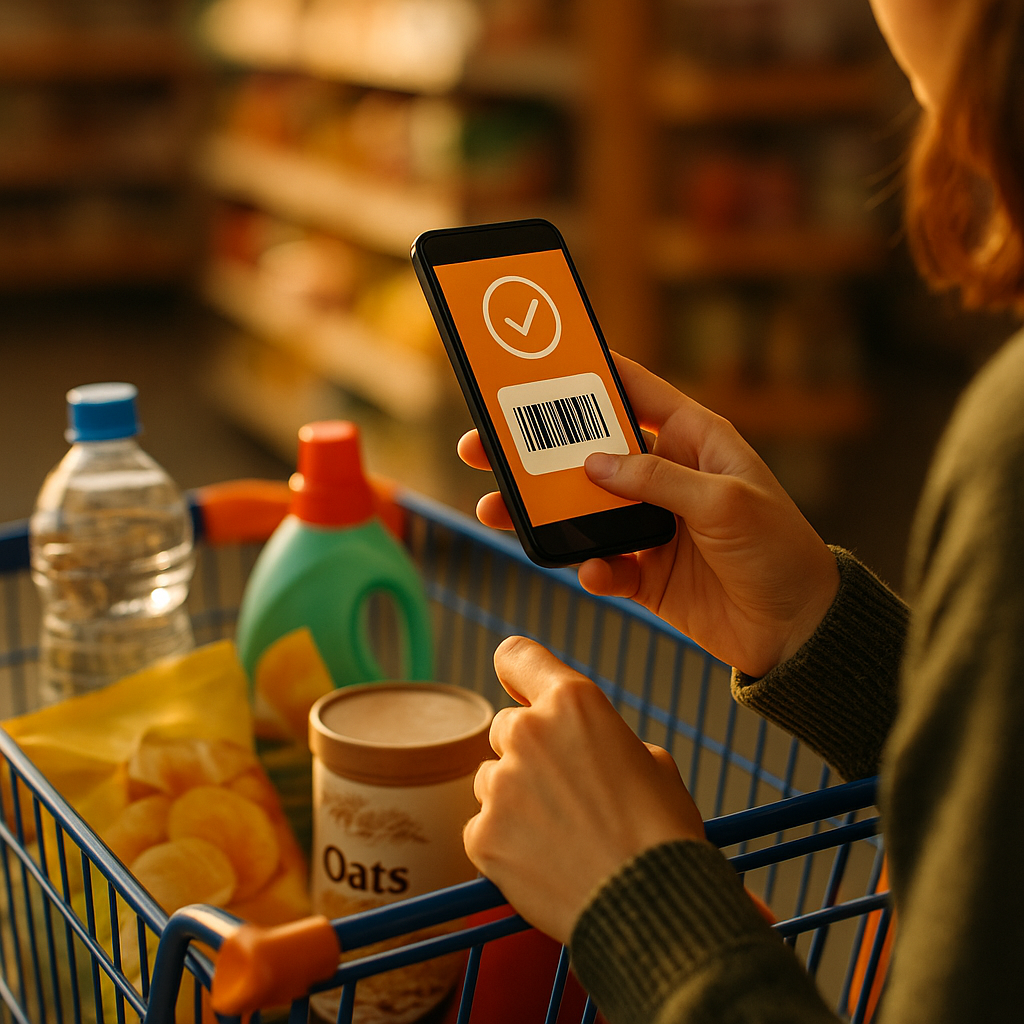
For consumer packaged goods teams, retention is now a growth lever, not a side metric. This case study on how a CPG brand used Inchstone Rewards to slash churn shows how one subscription-focused company turned weak repeat purchase behavior into measurable loyalty gains. The lesson is practical: better incentives work only when they match real customer behavior. Here’s what changed.
CPG customer retention strategy: The churn problem this brand had to solve
In 2026, CPG brands face a harder path to profitable growth. Paid acquisition remains expensive, retail competition is intense, and shoppers switch products quickly when value feels unclear. For the brand in this case study, churn had become the main constraint on revenue expansion. The company sold replenishable household products through a direct-to-consumer subscription model, with additional one-time purchases through its online store.
Its leadership team noticed a familiar pattern. New customers converted well during promotional periods, but too many failed to place a second or third order. Subscription cancellations rose after the first replenishment cycle, and customers who paused often never returned. While average order value stayed relatively healthy, lifetime value lagged because repeat frequency declined.
The internal review pointed to several root causes:
- Low perceived progress: Customers did not feel they were building toward anything valuable with each order.
- Weak post-purchase engagement: After checkout, communication focused on logistics rather than motivation or education.
- Generic offers: Discounts were broad and reactive, not targeted to churn risk or customer stage.
- Subscription fatigue: Some customers needed flexibility and recognition, not just another percentage-off email.
The team wanted a retention system that could reward incremental behaviors, create visible momentum, and reduce dependency on blanket discounting. That led them to Inchstone Rewards, a milestone-based loyalty framework designed to make progress tangible. Instead of rewarding only large, infrequent actions, it encourages specific steps that move a customer toward long-term retention.
This was not a cosmetic loyalty relaunch. The brand treated it as a profit initiative tied to churn reduction, repeat purchase rate, and subscriber health.
Loyalty program for CPG brands: Why Inchstone Rewards fit the business model
Traditional points programs often underperform in CPG because they can feel abstract. Customers accumulate points slowly, do not understand the value, or forget the program exists until a promotional message arrives. Inchstone Rewards offered a different structure. It emphasized smaller, visible milestones that matched how customers actually buy consumables: first reorder, second month retained, referral completed, bundle tried, review submitted, or subscription updated instead of canceled.
That distinction mattered. The brand did not need a more complex rewards catalog. It needed a system that changed behavior at moments where churn was most likely.
The company mapped its customer journey and identified the highest-risk drop-off points:
- After the first purchase, before any habit formed
- Before the second replenishment order
- At the first subscription management event, such as skipping or delaying
- After a service issue or delayed shipment
Inchstone Rewards aligned well because the brand could assign value to these moments and make the next step feel achievable. For example, instead of a generic “earn more points” message, customers saw a clear milestone such as: Place one more refill order to unlock free expedited shipping for the next two months. That kind of incentive reduced ambiguity and increased motivation.
From an operational perspective, the system also fit the brand’s needs:
- Flexible rule design: Rewards could be tied to behaviors linked to retention, not just spend.
- Segment-level targeting: New buyers, loyal subscribers, and at-risk customers could receive different milestone paths.
- Lower discount pressure: Non-cash incentives such as early access, shipping perks, and bonus product samples preserved margin better than constant markdowns.
- Clear reporting: The team could compare milestone completion against churn cohorts and measure what drove repeat orders.
Importantly, the leadership team did not assume loyalty alone would fix churn. They paired the rewards design with subscription UX changes, lifecycle messaging updates, and better customer support handling. That cross-functional execution is one reason the program produced strong results.
Subscription churn reduction: How the brand implemented the program
The rollout happened in phases, which reduced risk and made performance easier to evaluate. The company started with a controlled pilot among recent first-time purchasers and active subscribers who showed early signs of disengagement. The goal was to improve retention without training customers to wait for discounts.
The implementation process followed five steps.
1. Define behaviors that predict retention
The analytics team reviewed purchase history, cancellation reasons, product cadence, and support tickets. They found that customers who completed three actions within the first sixty days were substantially more likely to stay: making a second purchase, customizing subscription timing at least once instead of canceling, and engaging with educational content on product usage.
2. Build inchstone milestones around those actions
The reward architecture focused on micro-commitments. Customers were not asked for a major leap. They were nudged toward the next best action.
- Second purchase unlocked a practical shipping benefit
- Third order unlocked a free trial-size complementary product
- Subscription edit instead of cancellation triggered a retention reward
- Product review plus reorder created a bonus milestone
- Referral after two successful deliveries unlocked premium status for a limited period
3. Integrate rewards into lifecycle messaging
The CRM team updated email, SMS, and on-site messaging so milestones appeared naturally inside the customer journey. Post-purchase flows explained what the next reward was and why it mattered. Subscription reminder messages framed flexibility as a benefit, not a hurdle. Win-back flows became more precise, offering milestone recovery rather than broad discounts.
4. Train support to use rewards as a save tactic
Customer support agents received simple decision trees. If a customer wanted to cancel because of timing, the agent could offer a skip option tied to milestone preservation. If the issue was product uncertainty, the agent could guide the customer to a usage milestone or a sample-based reward. This made loyalty operational, not just promotional.
5. Measure incrementally, not only at program level
The brand tracked second-order rate, subscription save rate, ninety-day churn, reward redemption, and margin impact by cohort. It also monitored whether high-value customers responded differently from discount-sensitive buyers. This prevented the team from celebrating vanity metrics such as sign-ups without proving retention value.
That discipline reflects a helpful-content, EEAT-style approach: use firsthand operational detail, show how decisions were made, and focus on outcomes readers can learn from. The case matters because the strategy was specific, tested, and tied to business goals.
Inchstone Rewards results: The metrics that proved churn was falling
Within the first full measurement window, the brand saw clear improvements. While exact performance varied by segment, the overall direction was consistent: customers exposed to the Inchstone Rewards framework stayed longer, reordered sooner, and canceled less often than comparable cohorts under the previous loyalty and promotion structure.
The most important outcomes included:
- Lower early-life churn: New customers who entered the milestone journey were significantly more likely to place a second order.
- Higher subscription save rate: More customers chose skip, swap, or delay options instead of outright cancellation.
- Improved repeat purchase frequency: The time between first and second orders shortened, which strengthened habit formation.
- Better margin quality: The brand reduced reliance on blanket discounts by using targeted, behavior-based rewards.
- Stronger customer satisfaction signals: Reviews, referrals, and engagement rose because the experience felt more rewarding and less transactional.
The leadership team highlighted one critical insight: the biggest gains did not come from the most expensive rewards. They came from the clearest ones. Customers responded best when the next milestone was easy to understand, relevant to their stage, and immediately connected to product value.
For example, a simple reward tied to staying on subscription for one more cycle outperformed larger but less timely offers. Customers did not need a complicated reason to stay. They needed recognition, flexibility, and a visible benefit for continuing.
The company also learned that churn reduction improved most when rewards were combined with service recovery. A delayed shipment or damaged delivery had previously led to cancellation spikes. Under the new system, support could pair issue resolution with milestone continuity or a practical make-good reward. This reduced frustration and preserved the customer relationship.
Another result stood out: the program increased internal clarity. Marketing, retention, product, and support teams now shared the same customer milestones. That alignment improved decision-making and prevented channel conflict. Instead of each team running isolated tactics, they contributed to one retention framework.
Customer loyalty case study lessons: What other CPG brands should copy
This case offers useful lessons for any CPG business trying to reduce churn in 2026. The success did not come from launching a loyalty program for its own sake. It came from building loyalty around the exact moments where customers tend to leave.
Here are the most transferable lessons.
Reward progress, not just spend
In replenishment categories, retention depends on repeat behavior and habit formation. Rewarding only total spend can miss the actions that actually predict loyalty. Milestones should support reorder behavior, subscription management, reviews, referrals, and product adoption.
Keep value visible
Customers act when they can see what comes next. Abstract points balances create weak motivation. Concrete milestones create momentum. A shopper is more likely to continue when the reward is understandable and close.
Use churn signals to personalize the path
Not every customer needs the same incentive. First-time buyers need confidence. Long-term subscribers may value exclusivity or convenience. At-risk customers often need flexibility more than a discount. The better the segment logic, the stronger the retention outcome.
Make support part of retention
Many churn events happen in service conversations, not marketing campaigns. If agents can preserve milestones, offer relevant rewards, and suggest alternatives to cancellation, the loyalty strategy becomes much more effective.
Protect margin while improving retention
A churn program that relies entirely on discounts may increase repeat orders while hurting profitability. The strongest programs combine practical perks, product discovery, and emotional recognition with selective financial incentives.
Measure the right outcomes
Enrollment rates matter less than second-order rate, active subscriber retention, redemption quality, and contribution to lifetime value. If the business cannot connect rewards to these metrics, it is not truly reducing churn.
For brands evaluating whether Inchstone Rewards or a similar model is right for them, the key question is simple: Can you identify the small customer actions that lead to durable retention? If the answer is yes, a milestone framework can create structure, urgency, and relevance around those actions.
CPG retention best practices: Common mistakes to avoid before launching
Brands often rush into loyalty redesigns and repeat the same errors. This case study shows what to avoid.
- Do not copy a generic points model if your churn happens before customers ever feel invested in the program.
- Do not overload the experience with too many tiers, conditions, or reward options. Complexity lowers participation.
- Do not separate loyalty from subscription UX. If skipping, swapping, and editing are hard, rewards alone will not save churn.
- Do not ignore post-purchase education. Customers who do not understand product use or replenishment timing are more likely to leave.
- Do not judge success too early. Retention needs cohort-based measurement over time, not just launch-week engagement.
- Do not let rewards replace product quality. Loyalty amplifies a strong experience; it rarely rescues a weak one for long.
The CPG brand in this case succeeded because it combined behavior design, customer insight, and disciplined measurement. Inchstone Rewards became effective not as a gimmick, but as a structured response to real churn patterns.
FAQs about Inchstone Rewards and CPG churn reduction
What is Inchstone Rewards?
Inchstone Rewards is a milestone-based loyalty approach that rewards customers for completing meaningful steps, such as repeat purchases, subscription actions, referrals, and engagement behaviors. It is designed to make progress visible and encourage retention-driving actions.
Why are milestone rewards effective for CPG brands?
CPG buying behavior is often repetitive and habit-based. Milestone rewards work well because they guide customers through small, achievable steps that strengthen routine, rather than relying on vague point accumulation.
Can Inchstone Rewards reduce subscription churn?
Yes, when implemented correctly. It can reduce churn by rewarding behaviors that keep customers active, such as editing a subscription instead of canceling, placing a second reorder, or staying through key early cycles.
What metrics should brands track in a churn-reduction loyalty program?
Focus on second-order rate, repeat purchase frequency, ninety-day churn, active subscriber retention, save rate during cancellation attempts, reward redemption quality, and lifetime value by cohort.
Are discounts necessary for loyalty programs to work?
No. Discounts can help in specific cases, but many brands see better long-term results from practical perks, convenience rewards, exclusive access, product samples, and recognition-based benefits that preserve margin.
How long does it take to see results from a milestone loyalty program?
Early indicators such as second-order rate and engagement can appear quickly, but meaningful churn analysis requires enough time to compare retention across cohorts. Brands should evaluate both short-term behavior shifts and longer-term subscriber performance.
What kind of CPG brands benefit most from this approach?
Brands with replenishable products, subscription models, strong direct-to-consumer channels, or frequent repeat purchase cycles often benefit the most. It is especially useful where early churn undermines customer lifetime value.
This case study shows that churn is rarely solved by louder promotions. The winning move is to reward the right behavior at the right moment. By using Inchstone Rewards to create clear milestones, this CPG brand improved repeat purchases, saved more subscriptions, and reduced dependence on broad discounts. For CPG teams in 2026, the takeaway is direct: design loyalty around retention moments, not assumptions.
Top Influencer Marketing Agencies
The leading agencies shaping influencer marketing in 2026
Agencies ranked by campaign performance, client diversity, platform expertise, proven ROI, industry recognition, and client satisfaction. Assessed through verified case studies, reviews, and industry consultations.
Moburst

-
2

The Shelf
Boutique Beauty & Lifestyle Influencer AgencyA data-driven boutique agency specializing exclusively in beauty, wellness, and lifestyle influencer campaigns on Instagram and TikTok. Best for brands already focused on the beauty/personal care space that need curated, aesthetic-driven content.Clients: Pepsi, The Honest Company, Hims, Elf Cosmetics, Pure LeafVisit The Shelf → -
3

Audiencly
Niche Gaming & Esports Influencer AgencyA specialized agency focused exclusively on gaming and esports creators on YouTube, Twitch, and TikTok. Ideal if your campaign is 100% gaming-focused — from game launches to hardware and esports events.Clients: Epic Games, NordVPN, Ubisoft, Wargaming, Tencent GamesVisit Audiencly → -
4

Viral Nation
Global Influencer Marketing & Talent AgencyA dual talent management and marketing agency with proprietary brand safety tools and a global creator network spanning nano-influencers to celebrities across all major platforms.Clients: Meta, Activision Blizzard, Energizer, Aston Martin, WalmartVisit Viral Nation → -
5

The Influencer Marketing Factory
TikTok, Instagram & YouTube CampaignsA full-service agency with strong TikTok expertise, offering end-to-end campaign management from influencer discovery through performance reporting with a focus on platform-native content.Clients: Google, Snapchat, Universal Music, Bumble, YelpVisit TIMF → -
6

NeoReach
Enterprise Analytics & Influencer CampaignsAn enterprise-focused agency combining managed campaigns with a powerful self-service data platform for influencer search, audience analytics, and attribution modeling.Clients: Amazon, Airbnb, Netflix, Honda, The New York TimesVisit NeoReach → -
7

Ubiquitous
Creator-First Marketing PlatformA tech-driven platform combining self-service tools with managed campaign options, emphasizing speed and scalability for brands managing multiple influencer relationships.Clients: Lyft, Disney, Target, American Eagle, NetflixVisit Ubiquitous → -
8

Obviously
Scalable Enterprise Influencer CampaignsA tech-enabled agency built for high-volume campaigns, coordinating hundreds of creators simultaneously with end-to-end logistics, content rights management, and product seeding.Clients: Google, Ulta Beauty, Converse, AmazonVisit Obviously →