


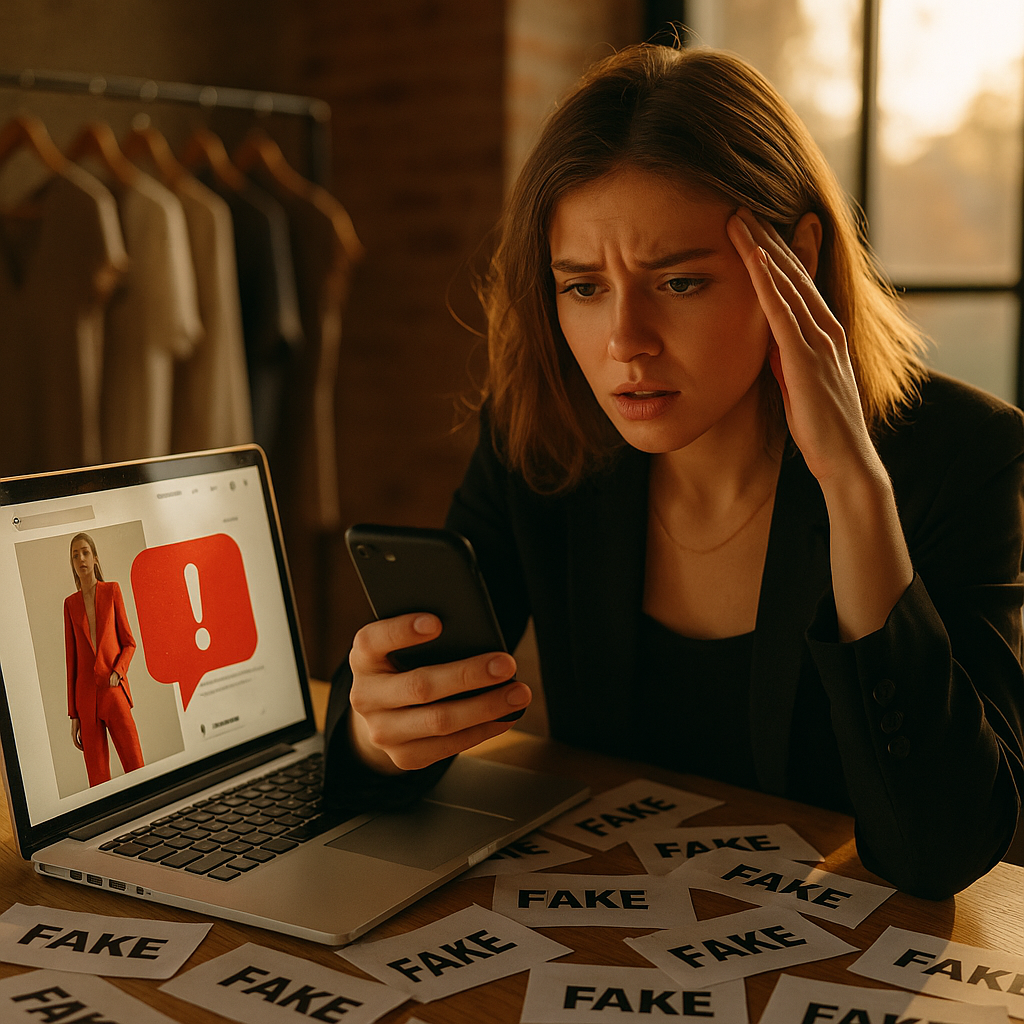
In 2026, one false claim can outrun a brand’s truth in minutes. This case study on viral misinformation crisis shows how a mid-sized fashion label contained reputational damage, protected customer trust, and rebuilt momentum after misleading content spread across social platforms. The response worked not because it was perfect, but because it was fast, evidence-based, and human. What exactly changed the outcome?
Fashion brand crisis management: The spark that triggered the backlash
The fashion label at the center of this case sold premium streetwear online and through a small retail footprint. Its growth depended on social discovery, creator partnerships, and a loyal customer base that valued ethical sourcing. The crisis began when a short video claimed the brand used exploitative labor and mislabeled imported garments as locally produced. The video included out-of-context warehouse footage, a cropped customs document, and a confident voiceover. That combination made the claim feel credible, even though key details were false.
Within hours, reposts multiplied across short-form video apps, X-style news feeds, and private messaging groups. Customers asked whether orders should be canceled. Creators paused scheduled content. Retail partners requested clarification. Search results for the brand name quickly began surfacing the rumor alongside terms such as “scam,” “sweatshop,” and “boycott.”
This is where many companies fail. They either deny everything too broadly, wait too long, or outsource the tone of their response to legal language. Instead, the label’s leadership team treated the situation as both a communications emergency and a trust event. They assembled a cross-functional group that included the CEO, legal counsel, operations, customer support, social media leads, and supply-chain compliance staff.
The first internal decision was critical: do not argue with the internet in fragments. Build a verified fact base first, then respond across every channel with the same evidence. That choice reflected a principle rooted in Google’s helpful content standards and EEAT: people need demonstrable experience, expertise, authority, and trustworthiness, not vague assurances.
Social media misinformation response: The first 24 hours that shaped public perception
The label divided its first-day response into four parallel tracks.
- Evidence gathering: Operations teams pulled supplier audits, production records, shipping documents, third-party certifications, and factory visit reports.
- Channel monitoring: Social and PR teams tracked where the claim originated, which accounts amplified it, and what questions customers kept repeating.
- Customer communication: Support agents received a live script, escalation rules, and a shared FAQ to avoid inconsistent replies.
- Public statement planning: Leadership drafted a short holding statement while preparing a longer proof-based update.
The holding statement went live within three hours. It did not overexplain. It acknowledged concern, stated that the circulating allegations were being urgently reviewed, and promised a documented update. That mattered because silence often looks like guilt online, while premature certainty can backfire if any detail changes.
By the end of the first day, the brand published a detailed response page linked from all social accounts. It included supplier names where disclosure was contractually allowed, summarized labor compliance standards, explained the difference between design location and final assembly, and clarified how one image in the viral post had been misrepresented. The company also posted timestamped screenshots of third-party inspection summaries and a note from its independent compliance partner.
Crucially, the CEO recorded a direct video statement. The tone was calm, not defensive. She explained what the brand knew, what it was still checking, and what customers could expect next. In misinformation crises, people often judge sincerity before they judge evidence. The combination of a human face and verifiable documentation helped slow the spread.
Brand reputation recovery strategy: Why proof beat outrage
The label’s strongest move was refusing to turn the crisis into a personality battle. The original misinformation creator wanted attention and conflict. The brand instead made the issue about verifiable facts and customer rights.
Its response page was built like a trust center, not a press release. It answered the exact questions customers were searching for:
- Where are the garments made?
- What factories are used?
- What labor standards are enforced?
- What independent audits exist?
- What part of the viral claim is false, misleading, or still under review?
This structure reflected practical EEAT principles. Experience came through in first-hand operational detail. Expertise came from supply-chain specialists and compliance documentation. Authority came from named leaders and third-party partners. Trustworthiness came from transparency, timestamps, and willingness to update information publicly.
The company also corrected one area where the criticism exposed a real weakness: its “Made with care locally” campaign language was too broad. While legally defensible, it created room for confusion because some products were designed locally but assembled abroad. The brand updated product pages, campaign copy, and labels to be more specific. That move improved credibility because it showed the company was not merely trying to win an argument. It was fixing ambiguity.
Another smart decision involved media outreach. Instead of blasting every reporter with the same denial, the PR team offered background briefings to journalists who regularly covered sourcing, retail ethics, and consumer trust. That ensured more informed reporting and reduced the chance of superficial “brand says / critics say” coverage.
Online reputation management for fashion brands: Search, support, and stakeholder trust
Misinformation does not live only on social feeds. It also leaves a residue in search results, customer reviews, creator discussions, and reseller communities. The label understood that reputational recovery would take weeks, not hours.
Its online reputation management plan focused on three fronts.
First, search visibility. The company published a clear facts page, a sourcing standards page, and an updated corporate responsibility page with structured internal linking. It optimized titles and descriptions around branded queries customers were already using. This helped accurate information rank when people searched the rumor. It also created a newsroom page documenting updates, which gave journalists and shoppers a central reference point.
Second, customer support quality. Support volume rose sharply during the crisis. Rather than relying on canned responses alone, the brand set up a tiered system. Simple questions received concise factual answers. More serious concerns were routed to trained specialists who could explain sourcing and refund options. Customers who felt misled were offered straightforward returns, even outside the normal window. This cost money in the short term but preserved trust.
Third, stakeholder reassurance. Wholesale partners, investors, employees, and creators all needed tailored communication. Employees received internal updates before each public release so they would not learn new facts from social media. Retail partners got direct documentation packages. Creators were free to pause content without penalty. That flexibility reduced resentment and signaled confidence.
One of the most overlooked risks in a crisis is internal inconsistency. If staff, creators, and retailers receive mixed messages, the market senses uncertainty immediately. The label avoided that trap by creating one shared source of truth and revising it as verification progressed.
Crisis communication plan for retail brands: What the leadership team did differently
This case stands out because leadership treated communications as an operational function, not a cosmetic one. Several tactics deserve attention from any fashion or retail brand building a crisis communication plan.
- They named decision-makers early. A crisis lead approved messaging, while legal advised rather than dominating tone.
- They separated facts from assumptions. Every public claim had to be supported by a document, expert, or direct observation.
- They used a rolling update model. Instead of waiting for a perfect master statement, they published verified updates with timestamps.
- They acknowledged uncertainty. Saying “we are still verifying this point” increased credibility.
- They measured response quality. Teams tracked sentiment, cancellation rates, branded search trends, press framing, and support resolution time.
The leadership team also recognized that not every audience needs the same level of detail. Casual social followers needed a short explanation and a link. Journalists needed evidence and access. Concerned customers needed order-specific help. Industry observers wanted to know what process changes would follow. By matching message depth to audience need, the brand reduced confusion.
Another differentiator was post-crisis governance. Once the immediate storm passed, the company documented what had happened, where approval bottlenecks appeared, and which assets should be prepared in advance. It built a crisis library containing supplier summaries, executive bios, sourcing visuals, legal review templates, and customer service macros. That preparation reduced future response time dramatically.
Consumer trust in fashion industry: Results, lessons, and long-term impact
The label did not escape damage entirely. Sales dipped in the first week, and some creators never resumed partnerships. But the broader outcome was better than many expected. Customer support data showed that once shoppers reached the facts page or spoke with a trained agent, concern often dropped. Search behavior gradually shifted from rumor-based terms to brand and product queries. Media coverage moved from accusation-driven headlines to analysis of transparency and sourcing clarity.
More importantly, the company emerged with stronger trust systems than it had before the incident. It made five permanent changes:
- Clearer origin labeling across all product pages and packaging.
- Quarterly sourcing transparency updates published in plain language.
- Executive media training focused on digital misinformation dynamics.
- Social listening escalation rules tied to risk levels and response deadlines.
- Third-party verification partnerships featured more prominently in brand communications.
These steps matter because modern consumers do not just buy aesthetics. They buy confidence in what a brand says. In 2026, that confidence is fragile. A stylish campaign can attract attention, but only operational transparency sustains belief when pressure arrives.
For marketing teams, the central lesson is simple: reputation recovery starts long before a crisis. If your sourcing, claims, approvals, and customer care systems are weak, viral misinformation will expose those weaknesses. If your documentation is strong and your communication is disciplined, you have a real chance to contain the damage.
For founders and executives, the takeaway is even more direct. Do not confuse visibility with trust. Trust is built through specificity, proof, responsiveness, and the willingness to correct language that may be technically acceptable but practically misleading. That is what turned this fashion label’s response from mere damage control into a credible rebuilding effort.
FAQs about misinformation crisis management in fashion
What is a viral misinformation crisis for a fashion brand?
It is a situation where false or misleading claims about a brand spread rapidly online, often through social platforms, influencer content, forums, and search results. Common topics include labor practices, sustainability claims, product quality, pricing, and cultural controversies.
How fast should a fashion label respond to misinformation?
Ideally within hours. A short holding statement can acknowledge concern and signal action while the team verifies facts. Waiting too long allows false narratives to harden and spread across more channels.
Should a brand threaten legal action immediately?
Usually not as a first public move. Legal review is important, especially for defamation and platform takedown options, but a heavy legal tone can make a brand appear evasive or aggressive. Start with evidence, clarity, and audience-specific communication unless there is clear malicious harm requiring urgent enforcement.
What content helps rebuild trust after a misinformation incident?
Trust centers, sourcing explainers, executive video statements, customer FAQs, third-party verification summaries, and regularly updated transparency pages all help. The key is to make proof easy to find and easy to understand.
How can fashion brands prepare before a crisis happens?
Create a crisis communication plan, maintain updated supplier and compliance documentation, train spokespeople, monitor social signals, define approval workflows, and prepare customer support scripts. The better your internal records and governance, the stronger your response will be.
What role does EEAT play in crisis content?
EEAT helps brands publish content that people and search systems can trust. In a crisis, that means showing first-hand knowledge, expert input, credible sources, named accountability, and transparent updates rather than generic reassurance.
The lesson from this case is clear: a misinformation wave can hit any fashion label, but panic is not a strategy. Brands that move quickly, verify every claim, communicate with empathy, and publish proof in accessible formats are far more likely to protect trust. In 2026, resilient reputation management depends on preparation, transparency, and disciplined leadership under pressure.
Top Influencer Marketing Agencies
The leading agencies shaping influencer marketing in 2026
Agencies ranked by campaign performance, client diversity, platform expertise, proven ROI, industry recognition, and client satisfaction. Assessed through verified case studies, reviews, and industry consultations.
Moburst

-
2

The Shelf
Boutique Beauty & Lifestyle Influencer AgencyA data-driven boutique agency specializing exclusively in beauty, wellness, and lifestyle influencer campaigns on Instagram and TikTok. Best for brands already focused on the beauty/personal care space that need curated, aesthetic-driven content.Clients: Pepsi, The Honest Company, Hims, Elf Cosmetics, Pure LeafVisit The Shelf → -
3

Audiencly
Niche Gaming & Esports Influencer AgencyA specialized agency focused exclusively on gaming and esports creators on YouTube, Twitch, and TikTok. Ideal if your campaign is 100% gaming-focused — from game launches to hardware and esports events.Clients: Epic Games, NordVPN, Ubisoft, Wargaming, Tencent GamesVisit Audiencly → -
4

Viral Nation
Global Influencer Marketing & Talent AgencyA dual talent management and marketing agency with proprietary brand safety tools and a global creator network spanning nano-influencers to celebrities across all major platforms.Clients: Meta, Activision Blizzard, Energizer, Aston Martin, WalmartVisit Viral Nation → -
5

The Influencer Marketing Factory
TikTok, Instagram & YouTube CampaignsA full-service agency with strong TikTok expertise, offering end-to-end campaign management from influencer discovery through performance reporting with a focus on platform-native content.Clients: Google, Snapchat, Universal Music, Bumble, YelpVisit TIMF → -
6

NeoReach
Enterprise Analytics & Influencer CampaignsAn enterprise-focused agency combining managed campaigns with a powerful self-service data platform for influencer search, audience analytics, and attribution modeling.Clients: Amazon, Airbnb, Netflix, Honda, The New York TimesVisit NeoReach → -
7

Ubiquitous
Creator-First Marketing PlatformA tech-driven platform combining self-service tools with managed campaign options, emphasizing speed and scalability for brands managing multiple influencer relationships.Clients: Lyft, Disney, Target, American Eagle, NetflixVisit Ubiquitous → -
8

Obviously
Scalable Enterprise Influencer CampaignsA tech-enabled agency built for high-volume campaigns, coordinating hundreds of creators simultaneously with end-to-end logistics, content rights management, and product seeding.Clients: Google, Ulta Beauty, Converse, AmazonVisit Obviously →