


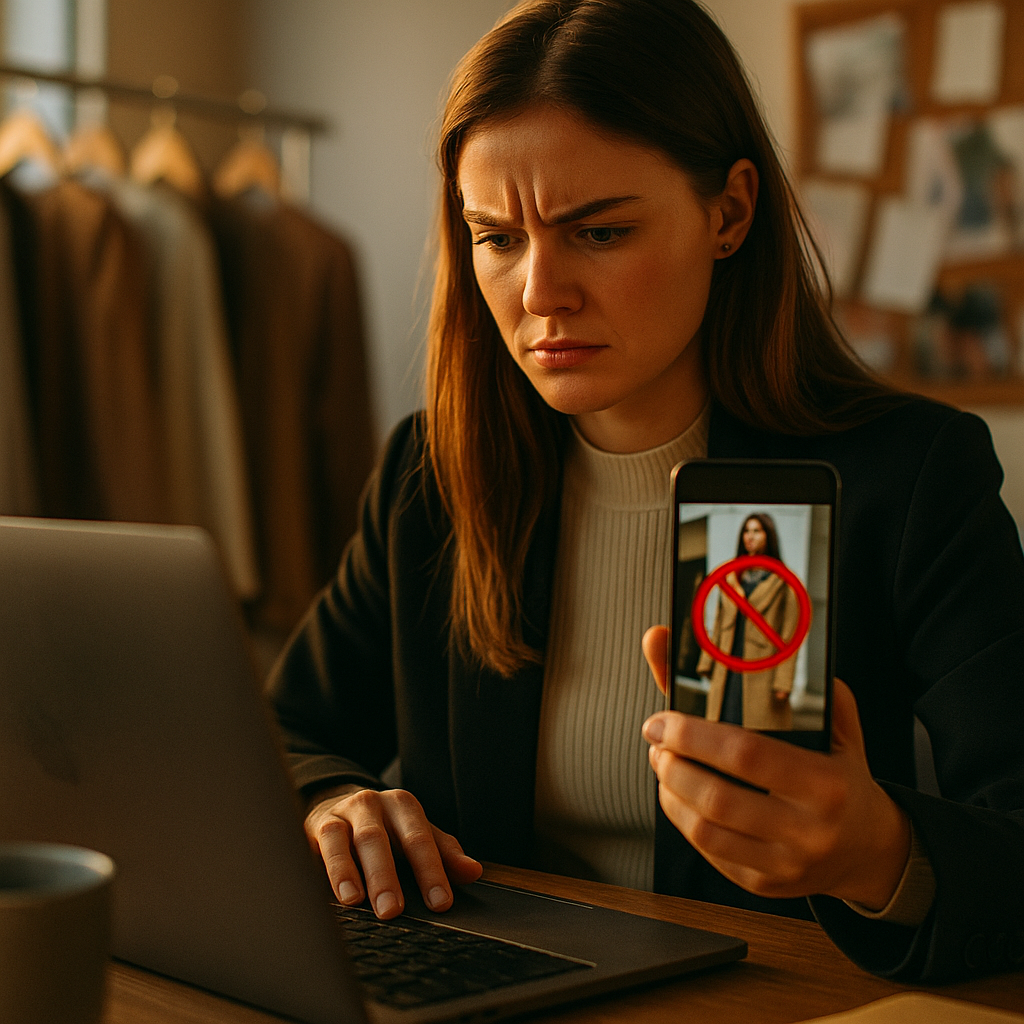
A viral misinformation crisis can damage a fashion brand in hours, especially when social platforms reward speed over accuracy. This case study examines how one label contained false claims, protected customer trust, and restored momentum without inflaming the story. If your brand faced a coordinated rumor tomorrow, would your team know exactly what to do next?
Viral misinformation crisis: how the problem began
In early 2026, a mid-sized direct-to-consumer fashion label, which we will call Atelier North, saw a sudden spike in mentions across TikTok, Instagram, X, Reddit, and several gossip forums. The catalyst was a short-form video alleging that the brand used unsafe textile dyes and exploited overseas labor. The clip used dramatic captions, cropped screenshots, and recycled factory footage unrelated to the company. Within hours, creators repeated the claims as fact.
This is how a viral misinformation crisis typically unfolds in fashion. The category is highly visual, emotionally charged, and closely tied to identity. Consumers often want to act quickly when they believe a brand has violated ethical or safety expectations. That urgency can be admirable, but it also creates ideal conditions for false narratives to spread before verification catches up.
Atelier North’s leadership faced three immediate risks:
- Reputational damage: customers could conclude the brand was unsafe or unethical.
- Commercial loss: rising order cancellations, reduced site conversion, and wholesale hesitation.
- Search pollution: false claims could begin ranking in branded search results.
What made the situation more dangerous was not just the accusation itself. It was the speed of repetition. Once dozens of accounts began adding commentary, the rumor looked credible simply because it appeared everywhere. This is a core lesson for fashion executives: in the first phase of a misinformation event, visibility often outruns truth.
The company did one thing right immediately. Instead of posting a defensive statement within minutes, the team opened a crisis channel with executives from legal, customer care, social, PR, compliance, and e-commerce. They understood that a rushed response can lock a brand into incorrect details. Their first move was verification, not volume.
Fashion brand reputation management: building a verified response
Effective fashion brand reputation management starts with evidence. Atelier North spent the first few hours collecting every document needed to answer the allegations with confidence. That included supplier certifications, recent independent lab tests, code-of-conduct audits, product safety records, shipping logs, and prior sustainability reporting. The team also identified exactly which products had been mentioned in viral posts and confirmed the materials used in those SKUs.
This evidence-first approach matters because audiences in 2026 are skeptical of generic brand statements. A post saying “these claims are false” rarely works on its own. People want specifics. They want to know: Which claim is wrong? What proof exists? Who verified it? What can customers check themselves?
Atelier North then created a response framework with four layers:
- Internal briefing: a single source of truth for staff, customer support, and retail partners.
- Public statement: a concise summary of facts, posted on owned channels and the website.
- Evidence hub: a landing page with certification summaries, testing explanations, and supplier standards.
- Press outreach: direct contact with journalists covering fashion, sustainability, and consumer safety.
The public statement was intentionally calm. It did not attack creators or shame concerned customers. Instead, it separated concern from falsehood: the brand acknowledged why the allegations sounded serious, then clearly showed where the claims were inaccurate. This distinction is important for trust. Customers do not want to be told they were foolish for caring. They want to see that the brand respects the issue enough to answer it thoroughly.
The evidence hub became the center of the strategy. It explained product testing in plain language, summarized independent verification, and included dates, responsible parties, and downloadable documents where appropriate. The page also answered obvious follow-up questions, such as whether all products were tested, how suppliers were audited, and what standards applied in each market.
That transparency helped the label meet modern EEAT expectations. It showed experience through operational detail, expertise through accurate explanations of compliance, authoritativeness through independent references, and trustworthiness through verifiable documents and consistent messaging.
Social media crisis management: controlling spread without escalating outrage
Social media crisis management is not about replying to every post. It is about reducing uncertainty, making facts easy to share, and avoiding behaviors that fuel the algorithm. Atelier North mapped social activity into three buckets: high-reach origin posts, neutral discussion posts, and bad-faith amplification. Each required a different response.
For high-reach origin posts, the brand sent polite correction requests with links to documentation. In cases where the content included manipulated visuals or fabricated screenshots, legal counsel also issued platform-specific reports. For neutral discussion posts, the social team replied publicly with a short factual note and directed users to the evidence hub. For bad-faith amplification, the company generally avoided direct engagement unless there was clear defamation or impersonation.
This distinction prevented a common mistake: turning a rumor into a prolonged public fight. The more a brand argues emotionally in comment sections, the more the algorithm may reward the conflict. Instead, Atelier North focused on what audiences needed most: clarity, consistency, and accessible proof.
The company also adjusted its content cadence for seven days. It paused scheduled campaign posts that might seem tone-deaf, replaced promotional assets with founder-led updates, and published a short video from the head of product compliance. That video performed especially well because it translated technical issues into simple terms. It showed product documentation on screen, explained what testing measured, and told viewers where to verify the information themselves.
Customer care scripts were updated at the same time. This is often overlooked, yet it can decide whether a crisis worsens or stabilizes. Support agents need approved language, escalation protocols, refund guidance, and links to evidence. When customers receive contradictory answers across channels, trust erodes fast. Atelier North trained every frontline team member to respond with the same facts and the same tone.
The brand’s social listening dashboard tracked:
- Volume of misinformation mentions
- Sentiment shift after factual posts
- Traffic to the evidence hub
- Comment themes and unanswered questions
- Influencer and media amplification patterns
Within several days, misinformation-heavy discussion began to level off. Not every false post disappeared, but the narrative changed. Instead of “the brand is hiding something,” more users began saying, “they published receipts.” In a digital crisis, that is a meaningful turn.
Online reputation repair: winning back search, media, and customer confidence
Once the immediate fire was contained, the company moved into online reputation repair. This phase matters because a brand can appear calm on social media while still losing in search results, editorial coverage, and customer hesitation. Crisis recovery is not complete until the most visible public record reflects verified information.
Atelier North started with branded search. The SEO and content teams expanded the evidence hub into a cluster of helpful pages that answered precise user questions. These pages covered product safety testing, manufacturing oversight, supplier standards, dye compliance, and return rights for concerned customers. Each page was written in plain language, reviewed by the compliance lead, and connected with clear internal links.
This served two purposes. First, it addressed what users were actively searching. Second, it created stronger, more relevant owned content that could compete against rumor-driven pages and low-quality summaries. The company also updated key website areas, including product FAQs, the about page, and policy pages, to reinforce consistency.
Media relations were equally important. Instead of sending a broad defensive pitch, the PR team offered select journalists access to the head of sourcing, the compliance lead, and third-party documentation. Reporters are far more likely to correct or contextualize a story when they can verify details with qualified sources. As coverage improved, those articles became additional trust signals in search.
The label also reached out to wholesale partners and top creators before they asked for updates. That proactive communication reduced commercial fallout. Retail buyers received a concise fact sheet and a direct line to the compliance team. Creator partners received guidance on how to respond if followers asked about the rumor. This prevented confusion from spreading into adjacent audiences.
Crucially, the company did not frame recovery as “moving on.” It treated trust rebuilding as an operational process. Site banners linked to the evidence hub for two weeks. Post-purchase emails included a short note directing customers to product standards information. Quarterly reporting plans were accelerated so customers could expect ongoing transparency rather than a one-time denial.
Brand trust recovery strategy: what actually changed inside the company
A strong brand trust recovery strategy cannot rely only on messaging. It must improve the systems that make a brand believable in the first place. Atelier North used the crisis to close several gaps that had existed long before the rumor appeared.
First, the company realized that critical proof existed, but it was scattered across departments. Compliance held test records, sourcing held supplier audits, legal held certification language, and customer care had none of it in a usable format. The brand created a permanent trust center with pre-approved summaries, document owners, review dates, and escalation pathways.
Second, the leadership team revised crisis roles. Before the incident, social owned most first-response activity. Afterward, the company adopted a tiered model where legal, compliance, customer care, and communications each had defined decision rights. This reduced bottlenecks and prevented reactive posting.
Third, the fashion label invested in scenario planning. The team ran simulations for claims related to labor, sustainability, product safety, cultural appropriation, influencer misconduct, and counterfeit products. These tabletop exercises improved response speed and sharpened internal judgment. When the next issue arises, fewer decisions will need to be made from scratch.
Fourth, the brand improved external credibility. It committed to more routine publication of supplier principles, testing summaries, and material standards. Not every customer will read these documents, but their availability matters. Transparency is most persuasive when it exists before a crisis, not just after one.
The measurable outcomes were encouraging:
- Order cancellations normalized after an early spike.
- Customer support sentiment improved as scripted fact-based answers replaced uncertainty.
- Branded search results stabilized with more owned and earned factual content.
- Wholesale concerns eased because the brand communicated directly and quickly.
- Internal readiness increased through clearer documentation and response ownership.
The biggest takeaway was simple: trust recovery is not an act of persuasion alone. It is the visible outcome of disciplined operations, credible evidence, and respectful communication.
Crisis communication lessons for fashion brands: a practical playbook
This case offers broader crisis communication lessons for fashion brands in 2026. Viral misinformation is no longer a rare event reserved for global giants. Any label with visible products, creator partnerships, or values-based positioning can become a target of rumor, error, or manipulation. Prepared brands do not stop every falsehood, but they reduce damage and recover faster.
Here is the practical playbook that emerged from Atelier North’s response:
- Verify before posting. Gather facts, owners, and documents first.
- Create one source of truth. Every internal and external team should use the same approved information.
- Answer specifics. Vague denials fail. Address each claim with evidence.
- Respect audience concern. Do not confuse worried customers with bad actors.
- Use owned channels well. Build an evidence hub that is easy to share and easy to understand.
- Train customer-facing teams. Support, retail, community, and partnerships all affect trust.
- Repair search as well as social. Recovery is incomplete if false narratives dominate results pages.
- Turn the event into a systems upgrade. Better documentation and simulations strengthen future resilience.
Many brand leaders ask whether silence is ever the right choice. In most misinformation crises, total silence creates a vacuum that others fill. The better question is not whether to respond, but how to respond with enough proof and discipline to help the right information spread. Another common question is whether legal action should lead the process. Legal review matters, especially when content is fabricated or defamatory, but legal language alone rarely rebuilds customer confidence. Facts must be translated into accessible communication.
For fashion marketers, founders, and communications teams, the real lesson is this: the brands that navigate misinformation best have already invested in credibility before the crisis arrives. They know where their evidence lives, who can explain it, and how to publish it in a format customers trust.
FAQs about a viral misinformation crisis in fashion
What is a viral misinformation crisis for a fashion brand?
It is a situation where false or misleading claims about a brand spread rapidly across social media, search, forums, or media coverage, influencing public perception before facts are verified.
How fast should a fashion label respond to misinformation?
Respond quickly, but not recklessly. Brands should verify the core facts first, then publish an initial factual statement as soon as they can support it with evidence. Speed matters, but accuracy matters more.
Should a brand reply to every misleading social post?
No. Focus on high-reach posts, neutral discussions where facts can help, and content that clearly violates platform rules. Arguing with every account often amplifies the rumor.
What should be included in a crisis evidence hub?
It should include a clear summary of the issue, claim-by-claim responses, relevant certifications or testing information, sourcing standards, FAQs, dates of verification, and contact routes for further questions.
How can SEO help during a misinformation crisis?
SEO helps brands publish accurate, relevant pages that answer user questions and compete in branded search results. This reduces the long-term visibility of rumor-driven content and improves trust signals.
What role does customer support play in reputation protection?
A major one. Support teams often speak to worried customers before PR does. Consistent scripts, escalation rules, and evidence links can prevent confusion, refunds, and negative word of mouth.
Can a fashion label fully recover after viral false claims?
Yes, if it combines credible evidence, calm communication, search repair, and operational improvements. Recovery is strongest when the brand demonstrates transparency rather than offering a one-line denial.
What is the biggest mistake brands make in these situations?
The biggest mistake is reacting emotionally without verified facts. Other common errors include inconsistent messaging, ignoring search visibility, and treating the issue as a PR problem instead of a cross-functional business risk.
A viral misinformation crisis tests more than messaging; it tests whether a fashion label can prove what it claims and communicate that proof under pressure. This case shows that fast verification, shared facts, disciplined social response, and search-focused recovery protect trust. The clearest takeaway is practical: build your evidence systems before the next rumor forces you to use them.
Top Influencer Marketing Agencies
The leading agencies shaping influencer marketing in 2026
Agencies ranked by campaign performance, client diversity, platform expertise, proven ROI, industry recognition, and client satisfaction. Assessed through verified case studies, reviews, and industry consultations.
Moburst

-
2

The Shelf
Boutique Beauty & Lifestyle Influencer AgencyA data-driven boutique agency specializing exclusively in beauty, wellness, and lifestyle influencer campaigns on Instagram and TikTok. Best for brands already focused on the beauty/personal care space that need curated, aesthetic-driven content.Clients: Pepsi, The Honest Company, Hims, Elf Cosmetics, Pure LeafVisit The Shelf → -
3

Audiencly
Niche Gaming & Esports Influencer AgencyA specialized agency focused exclusively on gaming and esports creators on YouTube, Twitch, and TikTok. Ideal if your campaign is 100% gaming-focused — from game launches to hardware and esports events.Clients: Epic Games, NordVPN, Ubisoft, Wargaming, Tencent GamesVisit Audiencly → -
4

Viral Nation
Global Influencer Marketing & Talent AgencyA dual talent management and marketing agency with proprietary brand safety tools and a global creator network spanning nano-influencers to celebrities across all major platforms.Clients: Meta, Activision Blizzard, Energizer, Aston Martin, WalmartVisit Viral Nation → -
5

The Influencer Marketing Factory
TikTok, Instagram & YouTube CampaignsA full-service agency with strong TikTok expertise, offering end-to-end campaign management from influencer discovery through performance reporting with a focus on platform-native content.Clients: Google, Snapchat, Universal Music, Bumble, YelpVisit TIMF → -
6

NeoReach
Enterprise Analytics & Influencer CampaignsAn enterprise-focused agency combining managed campaigns with a powerful self-service data platform for influencer search, audience analytics, and attribution modeling.Clients: Amazon, Airbnb, Netflix, Honda, The New York TimesVisit NeoReach → -
7

Ubiquitous
Creator-First Marketing PlatformA tech-driven platform combining self-service tools with managed campaign options, emphasizing speed and scalability for brands managing multiple influencer relationships.Clients: Lyft, Disney, Target, American Eagle, NetflixVisit Ubiquitous → -
8

Obviously
Scalable Enterprise Influencer CampaignsA tech-enabled agency built for high-volume campaigns, coordinating hundreds of creators simultaneously with end-to-end logistics, content rights management, and product seeding.Clients: Google, Ulta Beauty, Converse, AmazonVisit Obviously →