


The Payout Squeeze Is Real — and It’s Your Problem Too
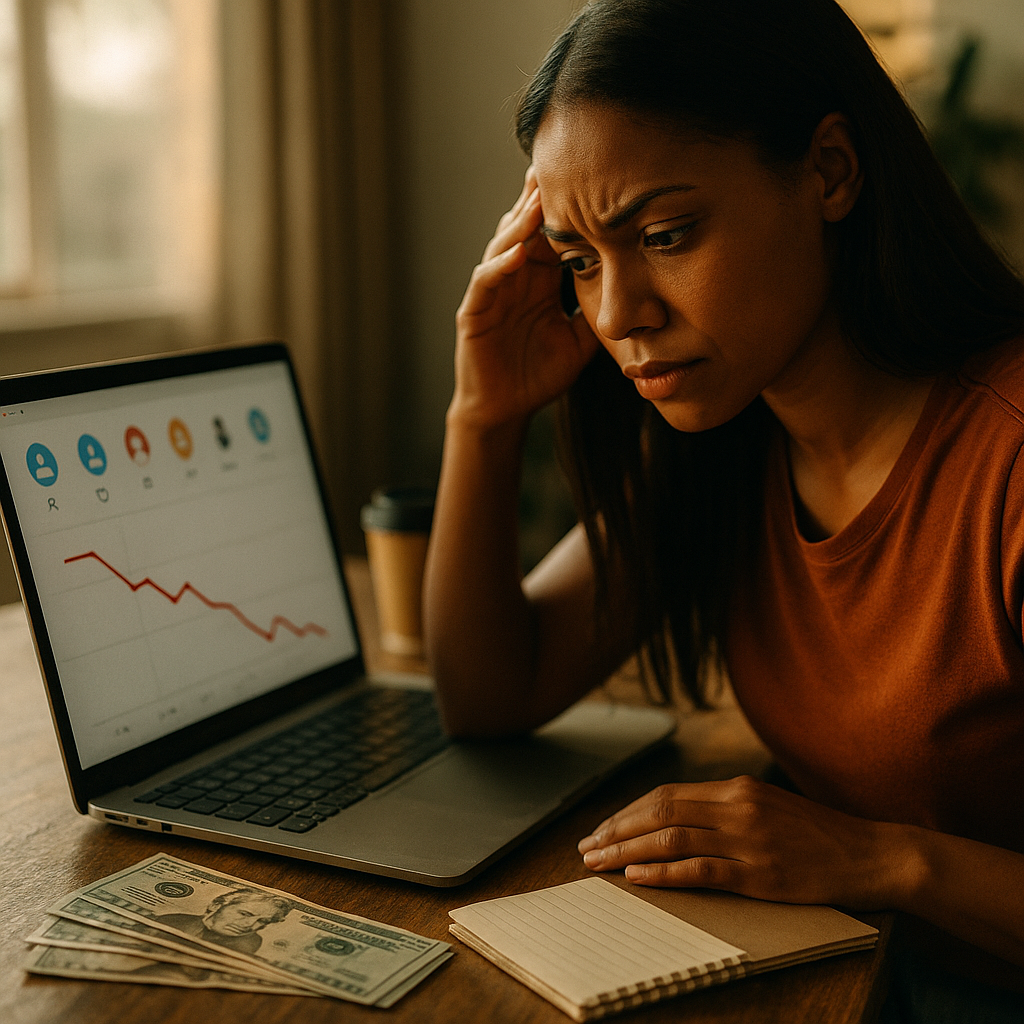
Creator payout shares on major platforms have dropped to roughly 45% of ad revenue, down from nearly 55% just three years ago, according to Business Insider’s analysis of platform economics. That margin isn’t vanishing — it’s being absorbed by the platforms themselves. For brand marketers funding creator partnerships, this isn’t just a creator-side grievance. It’s a structural shift that directly impacts content quality, creator willingness to post sponsored work, and ultimately your campaign ROI.
What’s Actually Happening to Creator Economics
Let’s be specific. YouTube, TikTok, and Instagram have each adjusted their revenue-sharing mechanics in ways that suppress per-view creator earnings. YouTube’s Partner Program, long considered the gold standard, now routes an increasing share of ad revenue through Shorts — where short-form monetization pays a fraction of long-form rates. TikTok’s Creativity Program has raised its bar for eligibility while simultaneously lowering effective CPMs for many mid-tier creators. Meta’s Reels bonuses, once generous enough to lure creators from competing platforms, have been quietly scaled back.
The pattern is unmistakable. Platforms invest heavily in creator acquisition during growth phases, then systematically reduce payouts once they’ve captured both creator supply and audience attention. Business Insider’s reporting frames this as a deliberate “platform maturation” cycle — the same playbook ride-share companies ran a decade ago with driver incentives.
When platforms extract more value from creator relationships while remaining the primary distribution channel for your sponsored content, brands are effectively paying twice: once to the creator, and once — indirectly — to the platform that’s squeezing them.
Here’s where it gets uncomfortable for brand teams. The creators you partner with are responding rationally to these economics. They’re diversifying off-platform, producing less native content, or raising their brand partnership rates to compensate for declining organic revenue. That compensation request lands on your desk.
Why This Isn’t Just a Creator Problem
If you’re running influencer programs at scale, the declining payout share creates three downstream effects that hit your P&L directly.
First, rate inflation with unclear value gains. As platform payouts shrink, creators lean harder on brand deals for income. The mid-tier rate compression we’ve covered before is now bifurcating: commodity creators are getting cheaper while high-performers with real audience loyalty are demanding significantly more. If your procurement team applies blanket benchmarks, you’ll either overpay the wrong people or lose access to the right ones.
Second, content quality erosion. A creator earning less from organic posting has less incentive to invest in production quality, audience relationship maintenance, or the kind of casual content that builds trust. When a creator’s feed starts to feel transactional — all #ad, no personality — your sponsored posts suffer by association. The authenticity question becomes existential, not theoretical.
Third, distribution risk concentration. You’re paying creators to post on the very platforms that are extracting value from them. Those same platforms control the algorithmic distribution of your sponsored content. Meta and TikTok have both introduced feed-ranking signals that can suppress or elevate branded content based on factors entirely outside your control — and entirely inside theirs. We’ve tracked how AI-curated feeds are suppressing sponsored visibility already.
The Platform Double-Dip, Explained
Think about the economic loop. A brand pays a creator $10,000 for a sponsored Reel. The creator posts it. Meta’s algorithm decides how many of the creator’s followers — and how many non-followers — see it. If the brand wants guaranteed reach beyond organic, they boost the post. Now Meta earns ad revenue on top of the organic distribution they control.
Meanwhile, Meta has already reduced the creator’s share of ad revenue from other content on their profile, making the creator more dependent on that $10,000 brand deal.
The platform wins three ways: it captures the creator’s audience attention, takes a cut of the creator’s organic ad revenue, and sells the brand paid amplification. The brand and creator split whatever value remains. According to eMarketer’s research, social platform advertising revenue continues to grow at double-digit rates even as creator payouts flatten — the margin has to come from somewhere.
How Brands Should Actually Respond
This isn’t a situation where you can simply “watch and wait.” The structural incentives are clear, and they’re not reversing. Here’s what operationally sound brand teams are doing right now.
Renegotiate contracts around owned distribution, not just platform posting. The smartest brand partnerships now include explicit deliverables for creator content that lives on brand-owned channels: email, brand .com, retail media placements, even packaging. If the content is good enough for Instagram, it’s good enough for your product detail page. This reduces your dependency on any single platform’s algorithmic generosity and gives the creator content a longer commercial life. Explore how retail media and generative engine marketing intersect with this strategy.
Build creator-brand equity that transcends platforms. Patagonia doesn’t worry much about Instagram’s algorithm changes because their creator relationships are rooted in shared values and long-term ambassadorships. You may not have Patagonia’s brand cachet, but you can structure 6-to-12-month creator partnerships that create mutual investment. When a creator’s economic floor falls out on one platform, the brand relationship provides stability — and the brand gets preferential creative effort in return.
Shift measurement from impressions to owned-asset value. If the platform is the unreliable variable, stop treating platform-reported impressions as your primary KPI. Instead, measure creator content by what it generates for channels you control: site traffic, email captures, UGC library additions, conversion-attributed revenue. This reframes the creator partnership as a content production and audience acquisition engine rather than a media buy subject to algorithmic whims.
Diversify distribution deliberately. Brands that run 90% of their creator content through a single platform are making a concentrated bet that the platform’s incentives will remain aligned with theirs. They won’t. Allocate creator content across TikTok, YouTube, Instagram, Pinterest, your own site, email, and emerging channels. Yes, this is operationally harder. It’s also structurally necessary. For teams scaling this, the CAC decision framework for balancing ad budget versus creator fees applies directly.
Pay creators what they’re worth — strategically. Counter-intuitive in a declining-payout environment, but hear it out. The brands winning creator loyalty right now are the ones providing financial stability that platforms no longer offer. This doesn’t mean overpaying across the board. It means identifying your top 10-20% of creators by actual business impact and locking them into premium, multi-deliverable deals. Let your competitors fight over the commodity tier.
The brands that treat creator partnerships as a hedge against platform risk — rather than a media line item subject to platform distribution — will outperform in every scenario, regardless of what happens to payout shares.
What Happens If You Do Nothing
The default path is predictable. Platforms continue squeezing creator payouts. Creators respond by raising brand rates, reducing content quality, or leaving platforms entirely for direct monetization (Substack, Patreon, community-based models). Your sponsored content gets less organic reach as platforms prioritize paid distribution. You spend more to get the same results. Your finance team starts questioning influencer marketing ROI using last year’s benchmarks. The program gets cut.
We’ve seen this cycle play out with Statista-documented shifts in digital advertising spend before. Organic social reach declined for brand pages starting around 2014. The brands that adapted early to that reality — by investing in content quality and diversified distribution — thrived. The ones that kept posting the same content and hoping for organic reach? They’re still buying ads to compensate.
The creator payout decline is the same inflection point, just one layer deeper in the value chain.
The Concrete Move to Make This Quarter
Audit your top 20 creator partnerships. For each one, calculate what percentage of the content’s commercial value depends on a single platform’s organic distribution. If the answer is above 70% for most of them, you have a concentration risk that needs immediate action — starting with contract renegotiation around owned-channel rights and multi-platform deliverables. As Meta’s own business resources acknowledge, diversified creative strategies outperform platform-dependent ones. Don’t wait for the next payout cut to prove the point.
FAQs
How does declining creator payout share affect brand partnership costs?
When platforms reduce creator payouts, creators compensate by increasing brand partnership rates. Brands effectively absorb the cost that platforms are no longer paying, leading to higher influencer fees without corresponding gains in reach or engagement unless contracts are restructured to include owned-channel deliverables.
Should brands reduce influencer spending in response to platform payout changes?
No. Reducing spend typically hands market share to competitors. The better move is redirecting how that spend is structured — prioritizing multi-platform deliverables, owned-channel content rights, and longer-term partnerships that reduce per-asset costs while insulating against any single platform’s algorithmic changes.
What distribution channels should brands prioritize beyond major social platforms?
Brand-owned channels like email, .com content hubs, and retail media placements should receive more creator content. Pinterest, YouTube long-form, and newsletter integrations also offer distribution that is less subject to algorithmic suppression of sponsored posts. Diversification reduces concentration risk and extends content lifespan.
How can brands protect creator content quality as platform economics decline?
Lock your highest-performing creators into premium, multi-deliverable deals that provide financial stability. When creators feel secure in a brand relationship, they invest more creative effort. Avoid blanket rate cuts or commodity-tier procurement strategies that incentivize low-effort content production.
What metrics should replace platform impressions for measuring creator partnerships?
Focus on owned-asset metrics: site traffic generated, email signups attributed, UGC library additions, and conversion-attributed revenue. These measurements reflect value the brand controls, unlike platform-reported impressions that fluctuate with algorithmic changes outside your influence.
Top Influencer Marketing Agencies
The leading agencies shaping influencer marketing in 2026
Agencies ranked by campaign performance, client diversity, platform expertise, proven ROI, industry recognition, and client satisfaction. Assessed through verified case studies, reviews, and industry consultations.
Moburst

-
2

The Shelf
Boutique Beauty & Lifestyle Influencer AgencyA data-driven boutique agency specializing exclusively in beauty, wellness, and lifestyle influencer campaigns on Instagram and TikTok. Best for brands already focused on the beauty/personal care space that need curated, aesthetic-driven content.Clients: Pepsi, The Honest Company, Hims, Elf Cosmetics, Pure LeafVisit The Shelf → -
3

Audiencly
Niche Gaming & Esports Influencer AgencyA specialized agency focused exclusively on gaming and esports creators on YouTube, Twitch, and TikTok. Ideal if your campaign is 100% gaming-focused — from game launches to hardware and esports events.Clients: Epic Games, NordVPN, Ubisoft, Wargaming, Tencent GamesVisit Audiencly → -
4

Viral Nation
Global Influencer Marketing & Talent AgencyA dual talent management and marketing agency with proprietary brand safety tools and a global creator network spanning nano-influencers to celebrities across all major platforms.Clients: Meta, Activision Blizzard, Energizer, Aston Martin, WalmartVisit Viral Nation → -
5

The Influencer Marketing Factory
TikTok, Instagram & YouTube CampaignsA full-service agency with strong TikTok expertise, offering end-to-end campaign management from influencer discovery through performance reporting with a focus on platform-native content.Clients: Google, Snapchat, Universal Music, Bumble, YelpVisit TIMF → -
6

NeoReach
Enterprise Analytics & Influencer CampaignsAn enterprise-focused agency combining managed campaigns with a powerful self-service data platform for influencer search, audience analytics, and attribution modeling.Clients: Amazon, Airbnb, Netflix, Honda, The New York TimesVisit NeoReach → -
7

Ubiquitous
Creator-First Marketing PlatformA tech-driven platform combining self-service tools with managed campaign options, emphasizing speed and scalability for brands managing multiple influencer relationships.Clients: Lyft, Disney, Target, American Eagle, NetflixVisit Ubiquitous → -
8

Obviously
Scalable Enterprise Influencer CampaignsA tech-enabled agency built for high-volume campaigns, coordinating hundreds of creators simultaneously with end-to-end logistics, content rights management, and product seeding.Clients: Google, Ulta Beauty, Converse, AmazonVisit Obviously →