


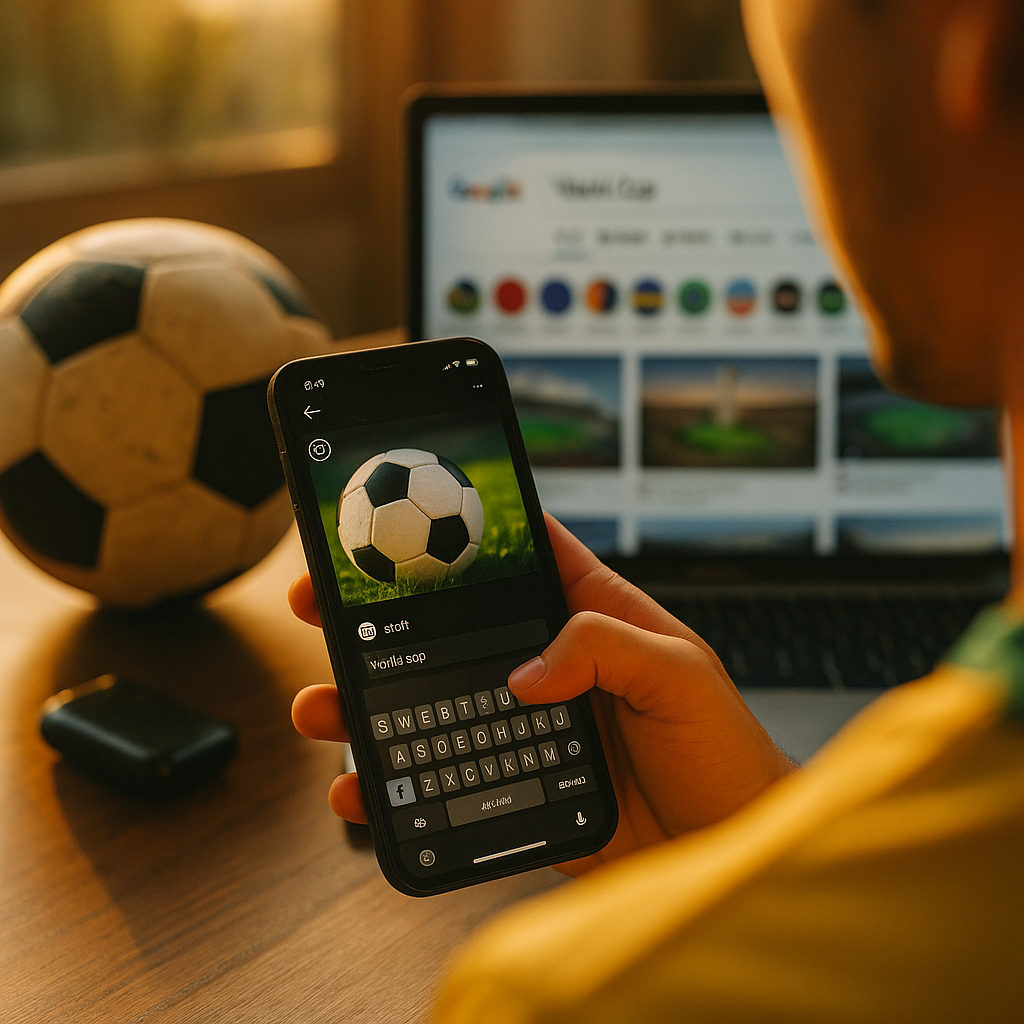
Brands with no official World Cup rights are still winning on Threads. The platform’s integration with Meta’s World Cup Search Hub means a well-structured creator brief can put your content directly in front of millions of active searchers — without a sponsorship dollar spent on FIFA.
Why Threads Demands a Different Brief Entirely
Most brand teams treat Threads like a stripped-down version of Instagram. That’s the mistake. Threads’ algorithm does not reward polish. It rewards participation. The platform surfaces content based on conversational velocity — how quickly a post generates replies, re-posts, and follow-on threads — not on watch time or save rates the way Reels does.
This changes everything about how you write production direction. A creator brief built for Reels will fail on Threads. The visual-first, caption-as-afterthought approach that works for product-tagged content (see shoppable Reels briefs for that logic) simply doesn’t translate. On Threads, the text is the creative unit.
For World Cup activations specifically, the stakes are higher. Meta has built its Search Hub to aggregate tournament-related content across the platform in near real-time. Brands that brief creators correctly will have posts surfaced inside those hub results. Brands that brief creators the same way they always have will be invisible.
How Meta’s World Cup Search Hub Actually Works for Non-Rights Holders
Here’s the operational reality most brand teams are still catching up on: the Search Hub is not a paid placement. It aggregates organic content flagged as topically relevant by Meta’s AI classification layer. That means your creator’s post can appear inside a World Cup search result without a FIFA partnership, without a media buy, and without any formal affiliation.
Meta’s Search Hub aggregates organic creator content using AI topic classification — meaning a well-briefed creator post can surface inside World Cup search results with zero rights spend. The brief is the targeting mechanism.
For a full breakdown of how non-rights holders can structure their broader Meta strategy around this, the analysis on Meta World Cup Search Hubs covers the competitive intelligence side in depth. What this article focuses on is the operational output: how does that strategy actually get written into a creator brief?
The answer starts with keyword-adjacent language. The Search Hub classifies content based on semantic signals in post text, not hashtags alone. Your brief needs to instruct creators to use specific vocabulary — team names, match terminology, tournament stage language — organically within their copy. Not as a hashtag dump. As conversational language that mirrors what fans are actively searching.
The Four Components of a Threads-Optimized Creator Brief
Think of the Threads brief as having four distinct layers. Each one serves a different algorithmic or strategic function.
1. Conversational Seed Copy
Give creators 2-3 example opening lines, not as scripts, but as tone calibrators. Threads rewards posts that feel like the start of a debate or a strong opinion. “Hot take: [Brand] is the only thing making extra time watchable” outperforms “Excited to partner with [Brand] during the World Cup.” Brief creators to lead with a position, not an announcement.
2. Reply-Bait Architecture
The algorithm weights reply velocity heavily. Build a specific ask into the brief: every post should end with a binary question, a prediction request, or a “change my mind” framing. This isn’t engagement bait in the FTC violation sense. It’s conversation design. The distinction matters from a compliance standpoint — the post still needs to be clearly labeled as a brand partnership per FTC disclosure requirements, but the conversational format is not only permitted, it’s table stakes.
3. Search-Indexed Language Requirements
This is where the Search Hub integration becomes operationally specific. Brief creators to naturally include: the tournament name or stage (“quarterfinal,” “knockout round”), a team or player reference relevant to their audience geography, and a category-adjacent term your brand owns (hydration, travel, performance, etc.). Meta’s classification engine is looking for topical coherence, not keyword stuffing.
4. Thread Extension Guidance
Unlike Instagram captions, Threads allows post extensions — creators can reply to their own posts to add context, reactions, or follow-up content. Brief creators to plan for this. A creator who posts a match reaction and then replies to their own post with a brand reference 45 minutes later captures two algorithmic moments: the initial post velocity and the extended conversation window. Most briefs completely miss this mechanic.
Timing Is Not a Detail — It’s the Core Variable
On Threads during a live sporting event, content half-life is measured in minutes, not days. A post published 20 minutes after a match-deciding goal is algorithmically stale. Your brief needs to specify posting windows with precision: pre-match (60-90 minutes before kickoff), live (within 10 minutes of major moments), and post-match (first 30 minutes after final whistle).
This requires operational infrastructure most influencer programs aren’t built for. Creators need pre-approved copy variations for different match outcomes. They need direct communication channels with your social team during match windows. And your approval workflow needs to compress from the standard 48-72 hour review cycle to something closer to 15 minutes for reactive posts.
If your team is still running a linear approval process for live content, the brief won’t save you. The brief is only as effective as the operational system supporting it. For brands managing this across multiple Meta surfaces simultaneously, the multi-surface World Cup brief strategy is worth reviewing before you build your Threads brief in isolation.
Creator Selection Criteria Change on Threads
Follower count is a weak signal on Threads. The platform’s discovery mechanism favors accounts with high reply rates, not high follower counts. A creator with 80,000 followers and a consistent pattern of posts generating 200+ replies will outperform a 500,000-follower account whose audience scrolls without engaging.
When evaluating creators for Threads activations, pull reply-to-impression ratios, not just engagement rates. If a creator’s agency or management can’t provide this data, request a screen recording of post analytics from their last 5 Threads posts. This is non-negotiable for World Cup activations where Search Hub visibility depends on early reply velocity.
Also consider topical authority on Threads specifically. Creators who have built a reputation for real-time sports commentary have pre-existing audiences that tune in during match windows. Signing a lifestyle creator who rarely posts about sports and asking them to go live-match for the World Cup is a brief that will underperform regardless of how well it’s written. For guidance on Instagram topic targeting logic that informs creator selection, the same audience-to-content alignment principles apply here.
On Threads, reply-to-impression ratio is a more predictive performance signal than follower count. For World Cup real-time content, brief compliance and creator selection both depend on this metric.
Measurement Framework: What to Track and When
Standard influencer KPIs don’t map cleanly to Threads World Cup content. Here’s what actually matters:
- Search Hub Appearance Rate: How often do creator posts surface when users search World Cup-adjacent terms? This requires manual sampling during match windows, but it’s the clearest indicator that your Search Hub integration strategy is working.
- Reply-to-Post Ratio: Benchmark is platform-dependent, but for sports content during live events, anything below 0.5% reply rate signals the conversational seed copy isn’t landing.
- Thread Extension Engagement: Are creator self-replies generating secondary engagement spikes? This tells you whether the thread extension mechanic is adding algorithmic momentum or falling flat.
- Cross-Surface Attribution: Are Threads posts driving profile visits to Instagram, and are those visits converting to Reels follows or product clicks? Meta Business Suite provides cross-surface tracking that most teams underuse during event campaigns.
Track these metrics at match-window intervals, not daily. A post that performed strongly during the live window but shows flat 24-hour numbers isn’t failing. It performed exactly as Threads content should: fast, contextual, and event-bound.
Brand Safety and Disclosure on Threads
Two issues specific to the Threads environment are worth flagging explicitly in your brief documentation. First, the conversational format makes disclosure easier to bury. A creator who opens with a hot take and discloses in the third reply of their own thread is not in compliance. Your brief must specify that #ad or #sponsored must appear in the first post of any paid thread sequence, not in extensions. This applies regardless of how organic the content feels.
Second, World Cup content carries geopolitical sensitivity. Team references, flag imagery, and political commentary adjacent to match results can create brand safety exposure that a standard influencer brief doesn’t anticipate. Build explicit content guardrails into the brief, and reference your brand’s social listening setup as a monitoring layer during match windows.
For brands managing multi-market activations, the compliance layer gets more complex. Different markets have different disclosure requirements. Briefs should be localized accordingly, not templated globally. Referencing the FTC’s endorsement guidelines as a baseline and then layering in regional requirements (ICO for UK markets, for instance) is the operationally sound approach. Also consider reviewing your creator roster diversification strategy to avoid over-dependence on a single creator voice during a high-stakes campaign window.
Start by auditing your last Threads creator post. If the brief that produced it wouldn’t have changed based on anything in this article, your brief design hasn’t caught up to the platform yet.
FAQs
What makes a Threads creator brief different from an Instagram Reels brief?
A Threads brief prioritizes conversational copy, reply-bait mechanics, and real-time posting windows over visual direction. The core creative unit on Threads is text and conversation velocity, not video or imagery. Briefs should provide tone calibrators, search-indexed vocabulary requirements, and explicit guidance on thread extension strategy — none of which are relevant to a Reels brief.
How does Meta’s World Cup Search Hub integration affect creator brief writing?
Meta’s Search Hub classifies organic content using AI topic matching, meaning creator posts can surface in World Cup search results without paid placement or official rights. Briefs need to instruct creators to use specific semantic vocabulary — tournament stage terms, team references, category-adjacent language — naturally within their post copy to trigger this classification. The brief becomes the targeting mechanism for Search Hub visibility.
What posting windows should brands specify in a Threads brief for live sports events?
Briefs should define three windows: pre-match (60-90 minutes before kickoff), live (within 10 minutes of major moments like goals or red cards), and post-match (first 30 minutes after final whistle). Content published outside these windows has significantly lower discovery potential during major events. Pre-approved copy variations for different match outcomes are essential to make these windows operationally executable.
How should disclosure requirements be handled in Threads creator briefs?
Disclosure must appear in the first post of any paid thread sequence, not in self-replies or thread extensions. Briefs should explicitly state that #ad or #sponsored is required upfront, regardless of how conversational the content format is. For multi-market campaigns, disclosure language should be localized to meet regional requirements rather than using a single global template.
What creator metrics matter most when selecting for Threads World Cup activations?
Reply-to-impression ratio is the most predictive signal. Creators with consistent patterns of high reply rates on Threads posts will outperform high-follower accounts with passive audiences during live event windows. Topical authority in sports commentary is also a key selection criterion, as these creators have pre-built audiences that engage during match moments.
Top Influencer Marketing Agencies
The leading agencies shaping influencer marketing in 2026
Agencies ranked by campaign performance, client diversity, platform expertise, proven ROI, industry recognition, and client satisfaction. Assessed through verified case studies, reviews, and industry consultations.
Moburst

-
2

The Shelf
Boutique Beauty & Lifestyle Influencer AgencyA data-driven boutique agency specializing exclusively in beauty, wellness, and lifestyle influencer campaigns on Instagram and TikTok. Best for brands already focused on the beauty/personal care space that need curated, aesthetic-driven content.Clients: Pepsi, The Honest Company, Hims, Elf Cosmetics, Pure LeafVisit The Shelf → -
3

Audiencly
Niche Gaming & Esports Influencer AgencyA specialized agency focused exclusively on gaming and esports creators on YouTube, Twitch, and TikTok. Ideal if your campaign is 100% gaming-focused — from game launches to hardware and esports events.Clients: Epic Games, NordVPN, Ubisoft, Wargaming, Tencent GamesVisit Audiencly → -
4

Viral Nation
Global Influencer Marketing & Talent AgencyA dual talent management and marketing agency with proprietary brand safety tools and a global creator network spanning nano-influencers to celebrities across all major platforms.Clients: Meta, Activision Blizzard, Energizer, Aston Martin, WalmartVisit Viral Nation → -
5

The Influencer Marketing Factory
TikTok, Instagram & YouTube CampaignsA full-service agency with strong TikTok expertise, offering end-to-end campaign management from influencer discovery through performance reporting with a focus on platform-native content.Clients: Google, Snapchat, Universal Music, Bumble, YelpVisit TIMF → -
6

NeoReach
Enterprise Analytics & Influencer CampaignsAn enterprise-focused agency combining managed campaigns with a powerful self-service data platform for influencer search, audience analytics, and attribution modeling.Clients: Amazon, Airbnb, Netflix, Honda, The New York TimesVisit NeoReach → -
7

Ubiquitous
Creator-First Marketing PlatformA tech-driven platform combining self-service tools with managed campaign options, emphasizing speed and scalability for brands managing multiple influencer relationships.Clients: Lyft, Disney, Target, American Eagle, NetflixVisit Ubiquitous → -
8

Obviously
Scalable Enterprise Influencer CampaignsA tech-enabled agency built for high-volume campaigns, coordinating hundreds of creators simultaneously with end-to-end logistics, content rights management, and product seeding.Clients: Google, Ulta Beauty, Converse, AmazonVisit Obviously →