


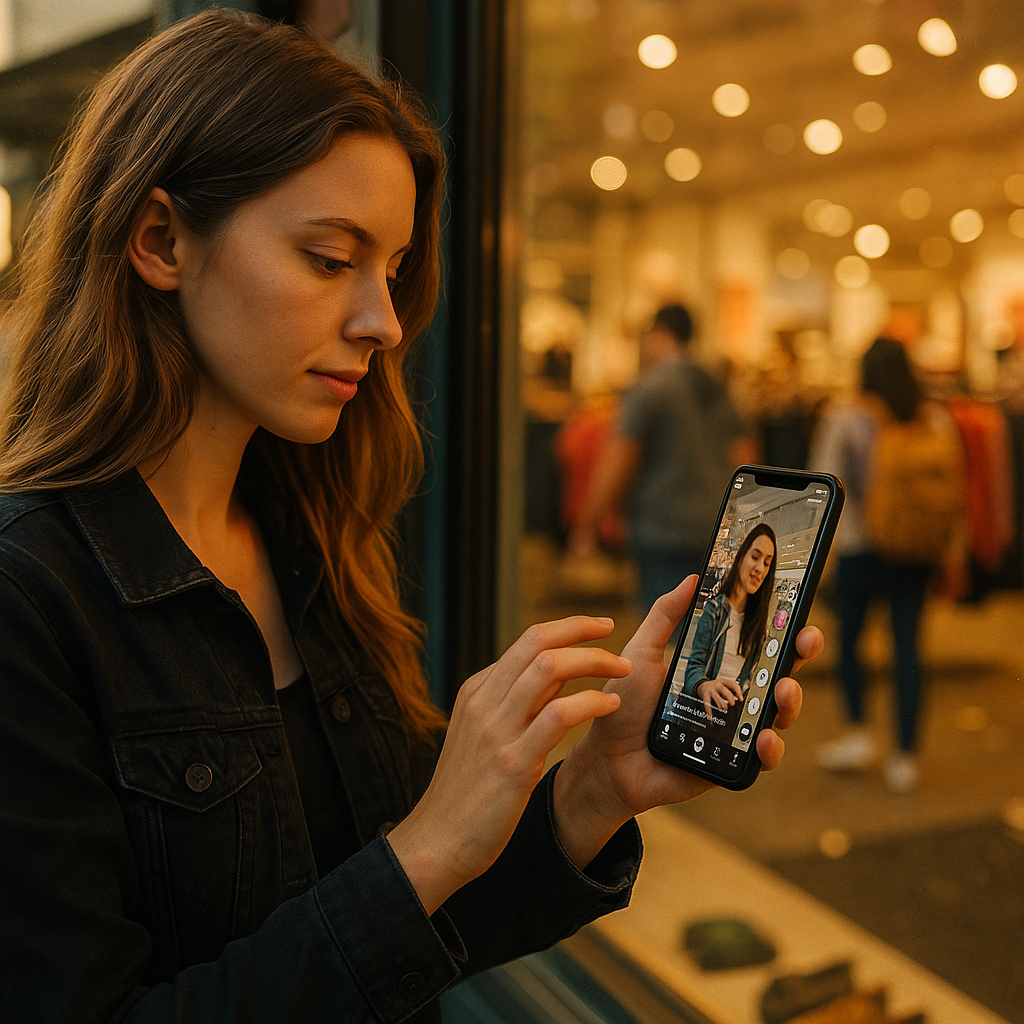
Physical retail brands running creator programs are leaving conversion on the table. According to eMarketer, over 60% of shoppers who discover a product via social content visit a physical store before or instead of buying online. Yet most creator briefs are written exclusively for digital conversion. That gap is a strategic failure, and it starts in the brief.
Why the Standard Social Commerce Brief Fails Omnichannel Brands
Most creator briefs in circulation today were designed for a pure e-commerce world: swipe-up links, affiliate codes, cart abandonment retargeting. They optimize for one surface. But if you operate physical retail, your creator program needs to serve two masters simultaneously: the algorithm that determines discovery, and the customer journey that ends at a register.
The brief is where that dual mandate either gets engineered or ignored. When brands brief creators with only a product link and a CTA, they effectively write out the in-store conversion path before the campaign even launches. The result is content that performs reasonably online and drives zero attributable foot traffic. For a brand with 500 retail doors, that’s an enormous missed opportunity.
Designing a brief that earns algorithmic amplification while routing audiences toward physical purchase isn’t just a craft question. It’s an architecture question. The two goals aren’t in conflict, but they require different inputs, and most brief templates don’t accommodate both.
What AI-Curated Discovery Actually Requires From Creator Content
TikTok’s recommendation engine, Instagram’s Reels algorithm, and Pinterest’s visual search layer all operate on signal-rich classification. They’re not just looking at hashtags anymore. They’re reading on-screen text, transcribing audio, analyzing product categories shown in frame, and cross-referencing engagement velocity against topical clusters.
For a social commerce creator brief to earn algorithmic amplification, it must give creators explicit direction on the semantic signals the content needs to carry. That means specifying product category language, not brand language. “Affordable skincare” rather than “our new serum.” “Fall outfit idea” rather than “check out the new collection.” The algorithm needs context it can classify; the brand name alone gives it very little.
Briefs that instruct creators to name the product category out loud in the first five seconds see materially higher non-follower reach on TikTok. The algorithm rewards content it can classify quickly, and category-first audio is one of the clearest classification signals available.
Beyond language, briefs should specify visual framing that matches high-performing topical templates. A brief saying “film it in a store environment” performs differently than one saying “open on the product on a shelf with ambient retail sound, then cut to a tight close-up within three seconds.” The second version gives the creator structural guidance that mirrors what the algorithm has already validated as engaging in that content category.
For brands managing creator content at scale, this kind of semantic architecture is already surfaced in tools like TikTok’s Creative Center, which shows trending sounds, hooks, and content structures by product category. Your brief should be informed by that data, not written in a vacuum.
Internal guidance on structuring briefs for discovery is also worth building from existing frameworks. The approach covered in creator brief architecture for algorithm reach provides a strong foundation before layering in the in-store conversion layer.
Building the In-Store Conversion Layer Into the Brief
This is where most brands fall short. They treat foot traffic attribution as a media buy problem (geo-targeted paid amplification) when it’s actually a content design problem.
A creator brief for omnichannel conversion should include three elements that most briefs omit entirely:
- A store-specific verbal hook. Instruct creators to name the retailer or the retail channel explicitly. “This is at Target” or “I found this at Sephora” does two things: it tells the viewer where to go, and it triggers the platform’s location/retailer classification, which feeds lookalike audience signals back to in-store customers of those chains.
- A scannable or memorable in-store identifier. QR codes on product packaging, aisle callouts, or a specific product SKU that’s easy to say out loud (“it’s the blue one in the skincare aisle”) give the viewer a navigation path inside the store. Vague “available in stores” language drives no measurable action.
- A reason to go in-person rather than order online. Price parity, in-store exclusives, the ability to try before buying, a limited-time shelf placement. Briefs that don’t articulate this reason leave the viewer with no reason to prefer physical retail over a two-tap online order.
Brands using tools like Google’s Store Visit conversions or Foursquare Attribution can tie creator content deployments to foot traffic lifts when the content includes explicit retail context. Without that context in the content, the attribution model has nothing to match against.
Attribution Mechanics Your Brief Must Enable
Foot traffic attribution requires a closed loop, and that loop starts in the brief. Here’s what needs to be built in before production begins:
UTM-tagged landing pages with store locators. Every creator should be driving to a link that captures the session and shows the viewer their nearest store. The UTM parameter ties that session to the specific creator and content piece. When that viewer later visits a store (tracked via loyalty app, credit card matching, or geo-signal), the conversion path is attributable.
Creator-specific promo codes with in-store redemption. These are an older tactic, but they work. A creator-specific code that works both online and in-store creates a clean signal. The in-store redemption rate becomes the foot traffic metric. Retailers like Target and Walmart already support creator-affiliate structures that accommodate this through their respective partner portals.
Content timing aligned with in-store inventory cycles. Nothing damages a social commerce program faster than a creator driving foot traffic for a product that’s out of stock. The brief must include confirmed shelf availability windows. This sounds operational, not strategic, but it’s a primary reason foot traffic campaigns underdeliver.
For campaigns that live across multiple retail environments, the modular creator brief approach is worth reviewing. It allows a single campaign architecture to adapt messaging for different retail contexts without requiring entirely separate creative direction.
Platform Selection Is a Brief-Level Decision
Not every platform is equally useful for driving in-store conversion, and your brief should reflect that. TikTok drives discovery and urgency. Pinterest drives high-intent, pre-purchase research behavior, especially for home goods, apparel, and beauty categories with strong physical retail presence. Instagram Reels sits in the middle: strong discovery, reasonable purchase intent signaling.
The brief should specify primary and secondary platforms with distinct CTAs for each. A TikTok version might lead with a “find it at [retailer]” verbal hook and lean into entertainment value. A Pinterest version should emphasize product detail, lifestyle context, and a clear store-finder CTA. These are not the same brief with a platform label swapped in; they require genuinely different creative direction.
For brands running in-store activations alongside creator content, the framework in pop-up activations as UGC engines shows how physical environments can generate the content that then drives algorithmic distribution.
CPG brands navigating this across both physical and AI-powered shopping surfaces should also look at CPG creator briefs for AI shopping to understand how social content increasingly feeds product recommendation engines beyond the platforms themselves.
The Brief Checklist for Omnichannel Creator Campaigns
Before any creator brief goes out for a brand with physical retail, it should answer these questions:
- Does the brief specify product category language for algorithmic classification, not just brand language?
- Is the named retailer or retail channel stated explicitly in the content direction?
- Is there a scannable or memorable in-store navigation cue in the content spec?
- Is there an explicit reason-to-visit-in-person articulated for the creator to communicate?
- Is the content timed to confirmed shelf availability?
- Is there a UTM-tagged store-finder link or creator-specific in-store promo code?
- Are platform-specific CTAs differentiated by platform’s role in the conversion journey?
A brief that can’t answer all seven questions isn’t ready for omnichannel deployment. Foot traffic attribution and algorithmic reach aren’t afterthoughts you bolt on in post-production. They’re decisions made in the brief, before a single frame is shot.
Finally, verify your disclosure requirements. Any creator content that includes a trackable promo code, affiliate link, or direct compensation for the retail mention falls under FTC endorsement guidelines. In-store redemption mechanics don’t create a compliance exemption. The brief must include FTC disclosure language requirements regardless of platform.
For brands looking to stress-test their brief against platform-specific distribution requirements, the guidance in creator briefs for TikTok, Instagram, and AI search covers the technical requirements that have evolved significantly across all three surfaces.
Start with your worst-performing retail door. Brief one creator with this framework, track foot traffic via your loyalty program or card-linked offer partner, and measure the lift against baseline. That single test gives you the proof point to rebuild your entire omnichannel brief architecture.
Frequently Asked Questions
How do I write a creator brief that drives both social discovery and in-store foot traffic?
A brief that serves both goals needs to include explicit product category language for algorithmic classification, a named retailer or retail channel for the creator to state on camera, a scannable or spoken in-store navigation cue, and a clear reason for the viewer to visit in person rather than order online. Attribution mechanics like UTM-tagged store-finder links or creator-specific in-store promo codes should be built into the brief before production begins.
Which platforms are most effective for driving in-store conversion via creator content?
Pinterest consistently shows high pre-purchase intent for categories with strong physical retail presence, including home, beauty, and apparel. TikTok drives urgency and discovery but requires explicit in-store CTAs to convert that intent to foot traffic. Instagram Reels is effective for mid-funnel audiences already familiar with the brand. The brief should specify platform-specific CTAs rather than applying a single direction across all surfaces.
How do I attribute foot traffic to a specific creator or campaign?
The most reliable attribution approaches use UTM-tagged store-finder landing pages (matched to loyalty app or card-linked offer data), creator-specific promo codes redeemable in-store, and geo-signal matching tools like Foursquare Attribution or Google’s Store Visit conversions. All of these require the creator content to include explicit retail context; vague “available in stores” language gives attribution systems nothing to match against.
Do FTC disclosure requirements apply to creator content that promotes in-store purchases?
Yes. Any creator content that involves compensation, gifting, affiliate codes, or brand direction falls under FTC endorsement guidelines regardless of whether the conversion happens online or in a physical store. In-store promo codes and card-linked offers do not create an exemption. Disclosure language requirements must be specified in the creator brief itself.
What’s the most common reason social commerce creator campaigns fail to drive foot traffic?
The most common failure point is content timing misaligned with actual shelf availability. Creators drive audience intent, but if the product is out of stock when viewers arrive, the conversion fails and the audience’s trust in the creator’s recommendations erodes. Briefs must include confirmed inventory windows for every retail door included in the campaign’s geographic scope.
Top Influencer Marketing Agencies
The leading agencies shaping influencer marketing in 2026
Agencies ranked by campaign performance, client diversity, platform expertise, proven ROI, industry recognition, and client satisfaction. Assessed through verified case studies, reviews, and industry consultations.
Moburst

-
2

The Shelf
Boutique Beauty & Lifestyle Influencer AgencyA data-driven boutique agency specializing exclusively in beauty, wellness, and lifestyle influencer campaigns on Instagram and TikTok. Best for brands already focused on the beauty/personal care space that need curated, aesthetic-driven content.Clients: Pepsi, The Honest Company, Hims, Elf Cosmetics, Pure LeafVisit The Shelf → -
3

Audiencly
Niche Gaming & Esports Influencer AgencyA specialized agency focused exclusively on gaming and esports creators on YouTube, Twitch, and TikTok. Ideal if your campaign is 100% gaming-focused — from game launches to hardware and esports events.Clients: Epic Games, NordVPN, Ubisoft, Wargaming, Tencent GamesVisit Audiencly → -
4

Viral Nation
Global Influencer Marketing & Talent AgencyA dual talent management and marketing agency with proprietary brand safety tools and a global creator network spanning nano-influencers to celebrities across all major platforms.Clients: Meta, Activision Blizzard, Energizer, Aston Martin, WalmartVisit Viral Nation → -
5

The Influencer Marketing Factory
TikTok, Instagram & YouTube CampaignsA full-service agency with strong TikTok expertise, offering end-to-end campaign management from influencer discovery through performance reporting with a focus on platform-native content.Clients: Google, Snapchat, Universal Music, Bumble, YelpVisit TIMF → -
6

NeoReach
Enterprise Analytics & Influencer CampaignsAn enterprise-focused agency combining managed campaigns with a powerful self-service data platform for influencer search, audience analytics, and attribution modeling.Clients: Amazon, Airbnb, Netflix, Honda, The New York TimesVisit NeoReach → -
7

Ubiquitous
Creator-First Marketing PlatformA tech-driven platform combining self-service tools with managed campaign options, emphasizing speed and scalability for brands managing multiple influencer relationships.Clients: Lyft, Disney, Target, American Eagle, NetflixVisit Ubiquitous → -
8

Obviously
Scalable Enterprise Influencer CampaignsA tech-enabled agency built for high-volume campaigns, coordinating hundreds of creators simultaneously with end-to-end logistics, content rights management, and product seeding.Clients: Google, Ulta Beauty, Converse, AmazonVisit Obviously →