


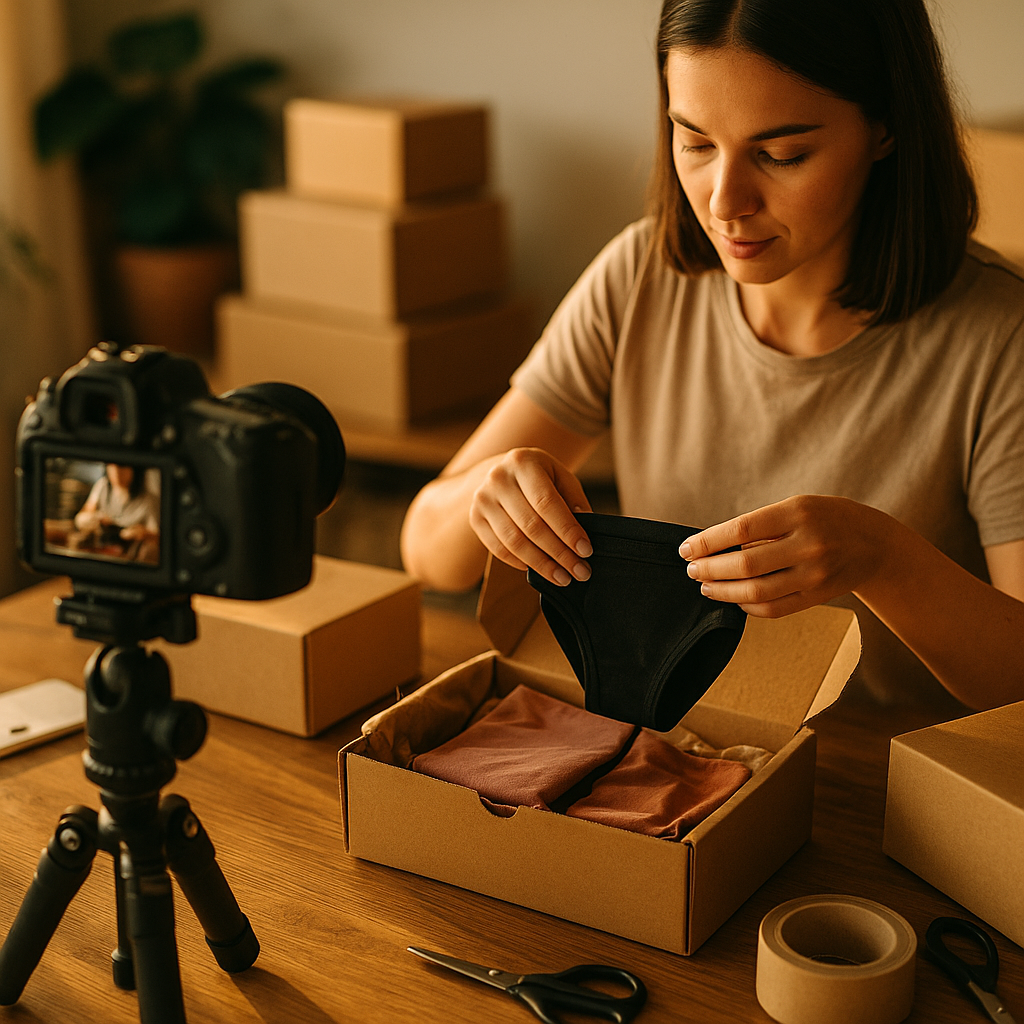
Single-product travel posts convert at a fraction of the rate of bundled content. Brands running packing guide campaigns with curated product sets are seeing basket sizes climb 20-40% higher than standard affiliate links, according to creator commerce platforms tracking multi-SKU tags. So why are so many brand teams still briefing one-item “get ready with me” videos when the format that actually drives cart value is sitting right in front of them?
The packing guide isn’t new. Travel bloggers have posted “what’s in my bag” content for over a decade. What’s changed is the commerce infrastructure underneath it — shoppable tags, affiliate bundles, and TikTok Shop collections that let a single video push traffic to six SKUs at once instead of one. That shift turns a lifestyle format into a serious revenue channel, if brands structure the brief correctly.
Why the Bundle Beats the Single Product Post
A packing guide works because it mirrors how people actually shop for a trip. Nobody buys a travel pillow in isolation. They think in sets: the pillow, the compression cubes, the electrolyte packets, the crossbody bag that fits under an airline seat. When a creator packs a bag on camera, they’re narrating a decision tree the viewer is already running in their own head. That’s a fundamentally stickier format than a standalone product demo.
There’s also an efficiency argument brand teams love once they see the math. One packing guide video can carry affiliate links or shoppable tags for five to eight products, spreading the cost of production and creator fee across a wider basket. Compare that to briefing five separate single-product videos with five separate creator fees. The packing guide format collapses cost-per-SKU dramatically, and it does so without feeling like an ad for each item individually.
A well-built packing guide isn’t five ads stitched together — it’s one narrative that happens to carry five links, which is exactly why audiences tolerate it.
The format also plays well across platforms. A YouTube long-form “what I packed for two weeks in Lisbon” video can be chopped into six TikTok and Reels clips, each spotlighting one product category, feeding both awareness and lower-funnel intent from a single shoot day.
What Actually Belongs in a Packing Guide Brief
Most packing guide briefs fail for the same reason most influencer briefs fail: they read like a spec sheet instead of a content plan. Here’s what a brief needs to actually work:
- A destination or trip type anchor. “Carry-on only for a work trip to Austin” performs differently than “backpacking Southeast Asia for a month.” Specificity drives relatability, and relatability drives saves and shares.
- A hero product and 3-6 supporting products. Pick one item the brand wants to lead with — a suitcase, a skincare set, a tech organizer — and build the rest of the bundle around it logically. Don’t force in unrelated categories just because a client paid for placement.
- A natural exclusion. Ask the creator to mention one thing they left behind and why. This single beat does more for trust than any disclosure line, because it signals the creator isn’t just pushing everything they were sent.
- Shoppable tag or link placement instructions. Specify whether tags go in a pinned comment, on-screen stickers, an LTK/ShopMy list, or a TikTok Shop showcase. Ambiguity here is the number-one reason attribution data comes back messy.
- Disclosure requirements up front. Every product in the bundle that was gifted or sponsored needs to be disclosed, not just the “main” partnership. The FTC’s endorsement guidance applies to the whole bundle, not just the branded hero item.
Brands that skip the exclusion beat tend to get content that reads like a haul video wearing a packing guide’s clothing. Viewers can tell. Completion rates drop, and comment sections fill with “is this even useful” skepticism.
Structuring the Narrative So It Doesn’t Feel Like an Ad
The packing guide format has one big structural risk: it can collapse into a product list read aloud over B-roll. That’s boring, and it’s exactly what makes viewers scroll past. The fix is sequencing the bundle around a use-case story rather than a category checklist.
Instead of “here’s my skincare, here’s my tech, here’s my clothes,” a stronger structure follows the actual arc of the trip: packing for the flight itself, packing for the first 24 hours before luggage settles, packing for the “one nice dinner” moment, packing for the unexpected (rain, a missed connection, a red-eye). Products get introduced as solutions to specific moments, not as items on a shelf.
This is the same principle that makes day-in-the-life content outperform straight demo videos: products woven into a lived narrative beat products bolted onto a list. A packing guide is really just a day-in-the-life format compressed into pre-trip prep.
Pacing matters too. A 90-second Reel covering eight products needs roughly 10-12 seconds per item, which is tight. Brands should prioritize which 2-3 products get dwell time and which get quick visual mentions. Trying to give equal weight to every SKU in the bundle usually means none of them land. If sound isn’t guaranteed to be on, treat the on-screen product labeling the same way you would in a sound-off caption-driven brief, because a huge share of packing guide views happen muted on a commute.
Attribution Is Where Most Programs Break
Here’s the uncomfortable truth: multi-product content is harder to measure than single-product content, and a lot of brand teams underestimate that going in. When a creator tags six products in one video, which one gets credit for a sale if the platform only reports aggregate clicks?
The practical fix is layering three types of tracking rather than relying on one:
- Platform-native shoppable tags (TikTok Shop showcases, Instagram product tags) for on-platform attribution.
- Individual affiliate links per SKU, even inside a bundle, so each product has its own trackable code rather than one shared link.
- UTM-tagged landing pages for any traffic pushed off-platform to a brand site, so web analytics can separate packing-guide traffic from other campaign traffic.
Brands running programs at scale should build a standard reporting template before the first video goes live, not after. Retrofitting attribution onto a bundle campaign after three months of content is a painful, often impossible cleanup job.
If you can’t answer “which product in the bundle actually drove the sale,” you’re running a brand awareness campaign with an affiliate budget attached — not a performance program.
Tools like Sprout Social and platform analytics dashboards can help consolidate cross-platform performance, but the SKU-level attribution really has to be built at the link and tagging layer, not reverse-engineered from social metrics alone.
For campaigns that also run paid amplification, treat the packing guide the same way you’d treat any social-first format in a budget model: separate the organic creator fee from the paid media spend so ROI reporting isn’t muddled.
Compliance Gets Complicated Fast With Multiple Brands
A packing guide rarely features one brand in isolation. It’s a suitcase, a skincare line, a tech accessory, maybe a travel insurance sponsor. That means a single video can involve overlapping disclosure obligations, multiple contracts, and multiple approval chains, all inside one 90-second clip.
A few rules that keep these campaigns clean:
- Every sponsored or gifted product needs its own disclosure, even if only one brand is paying for the placement. “Gifted” and “paid partnership” are not interchangeable, and regulators increasingly expect creators to distinguish them.
- If multiple brands are paying for the same video, get it in writing which brand has creative approval rights and in what order products appear. Ordering disputes are more common than brand teams expect, especially when a competitor’s product shows up in the same bag.
- Build a competitive exclusion clause into the creator contract if the packing guide format will recur. Nothing damages a brand relationship faster than discovering your “hero” suitcase brand posted a nearly identical guide with a competitor’s luggage two weeks later.
This is the same compliance discipline that governs before-and-after content and testimonial-style briefs: disclosure isn’t a formality tacked onto the caption, it’s a structural requirement built into the brief from day one. Marketing teams working across the UK should also cross-check guidance from the ICO where data collection through shoppable links intersects with privacy obligations.
Seasonality and Repeatability
Packing guides aren’t a one-off format, they’re a content engine. Ski trip guides in winter, festival packing guides in summer, “carry-on only” business travel guides year-round. Brands that treat the packing guide as a recurring franchise, refreshed quarterly with new creators and updated product bundles, get far more mileage than brands that commission one video and move on.
Data from eMarketer continues to show travel content among the highest-engagement lifestyle categories on short-form video, and that engagement tends to spike predictably around school holidays and long weekends. Building a content calendar around those windows, rather than shooting reactively, gives brands a repeatable production rhythm and gives creators time to actually use the products before filming, which shows on camera.
The format also pairs naturally with carousel briefs built for saves, since a packing guide carousel (flat-lay photo, then a numbered list) often outperforms video for viewers who want a scannable reference right before they pack.
FAQs
Frequently Asked Questions
What makes a packing guide different from a standard haul video?
A packing guide is organized around a trip or use case, with products introduced as solutions to specific moments rather than listed by category. A haul video is typically a product-by-product rundown with no narrative structure tying the items together.
How many products should a single packing guide video feature?
Most high-performing packing guides feature between five and eight products, with one clear hero item and the rest as supporting cast. Beyond eight, pacing suffers and individual products stop getting enough screen time to register with viewers.
How should brands handle attribution when multiple products are tagged in one video?
Use individual affiliate links or codes per SKU rather than one shared bundle link, layer in platform-native shoppable tags, and add UTM parameters for any off-platform traffic. Building this tracking structure before launch avoids messy attribution cleanup later.
Do all products in a packing guide need FTC disclosure?
Yes. Every gifted or sponsored product in the bundle requires disclosure, not just the primary sponsor. Brands should review current guidance from the FTC before running multi-brand packing guide campaigns.
Which platforms work best for the packing guide format?
YouTube long-form works well for detailed, narrated guides, while TikTok and Instagram Reels perform better with shorter, tightly paced cuts focused on two or three hero products. Many brands shoot once and repurpose the footage across both formats.
How often should brands refresh packing guide content?
Quarterly refreshes tied to seasonal travel patterns, such as summer, winter break, and back-to-school travel, tend to outperform one-off campaigns because they match when audiences are actively researching trip purchases.
Start your next packing guide brief with the trip, not the product list — pick the destination, map the moments, then slot in the bundle. Build the attribution structure before the first video launches, and treat the format as a recurring seasonal engine, not a one-time asset.
Top Influencer Marketing Agencies
The leading agencies shaping influencer marketing in 2026
Agencies ranked by campaign performance, client diversity, platform expertise, proven ROI, industry recognition, and client satisfaction. Assessed through verified case studies, reviews, and industry consultations.
Moburst

-
2

The Shelf
Boutique Beauty & Lifestyle Influencer AgencyA data-driven boutique agency specializing exclusively in beauty, wellness, and lifestyle influencer campaigns on Instagram and TikTok. Best for brands already focused on the beauty/personal care space that need curated, aesthetic-driven content.Clients: Pepsi, The Honest Company, Hims, Elf Cosmetics, Pure LeafVisit The Shelf → -
3

Audiencly
Niche Gaming & Esports Influencer AgencyA specialized agency focused exclusively on gaming and esports creators on YouTube, Twitch, and TikTok. Ideal if your campaign is 100% gaming-focused — from game launches to hardware and esports events.Clients: Epic Games, NordVPN, Ubisoft, Wargaming, Tencent GamesVisit Audiencly → -
4

Viral Nation
Global Influencer Marketing & Talent AgencyA dual talent management and marketing agency with proprietary brand safety tools and a global creator network spanning nano-influencers to celebrities across all major platforms.Clients: Meta, Activision Blizzard, Energizer, Aston Martin, WalmartVisit Viral Nation → -
5

The Influencer Marketing Factory
TikTok, Instagram & YouTube CampaignsA full-service agency with strong TikTok expertise, offering end-to-end campaign management from influencer discovery through performance reporting with a focus on platform-native content.Clients: Google, Snapchat, Universal Music, Bumble, YelpVisit TIMF → -
6

NeoReach
Enterprise Analytics & Influencer CampaignsAn enterprise-focused agency combining managed campaigns with a powerful self-service data platform for influencer search, audience analytics, and attribution modeling.Clients: Amazon, Airbnb, Netflix, Honda, The New York TimesVisit NeoReach → -
7

Ubiquitous
Creator-First Marketing PlatformA tech-driven platform combining self-service tools with managed campaign options, emphasizing speed and scalability for brands managing multiple influencer relationships.Clients: Lyft, Disney, Target, American Eagle, NetflixVisit Ubiquitous → -
8

Obviously
Scalable Enterprise Influencer CampaignsA tech-enabled agency built for high-volume campaigns, coordinating hundreds of creators simultaneously with end-to-end logistics, content rights management, and product seeding.Clients: Google, Ulta Beauty, Converse, AmazonVisit Obviously →